REVIEW · HO CHI MINH CITY
HCMc:Vietnamese Cooking Class with Local market tour & Meal
Book on GetYourGuide →Operated by Tung's Vietnamese Cooking Class HCM · Bookable on GetYourGuide
Market to mortar, this class teaches real Vietnamese home cooking. I like that you pick 3 dishes from 9 options, then cook with your group step by step. I also like the local market tour with an instructor who helps you choose ingredients the way locals do. One consideration: this is an active cooking experience, so wear comfy clothes and expect to stand and prep while you learn.
You’ll finish with a sit-down meal and a small drink break, plus a certificate and detailed recipes you can take home. It’s run at Tung’s Cooking Center in Ho Chi Minh City, with instruction available in English and Vietnamese (and help from the DK Team crew). If you want Vietnamese food as a skill—not just a show—this is a strong choice.
In This Review
- Key highlights you’ll feel right away
- Tung’s Cooking Center: the setup that makes the class work
- Picking your 3 dishes from 9 options (and why that matters)
- The local market tour: learning ingredient choices like a local
- Back at the school: hands-on prep the Vietnamese way
- Cooking together: how the group choice shapes your meal
- What you’ll cook and eat: the dishes that keep showing up
- The meal after class: where you confirm what you learned
- Certificate and detailed recipes: your take-home Vietnamese toolkit
- Price and value in Ho Chi Minh City: what $48 buys you
- What to bring (and how to avoid the common discomforts)
- Who this Vietnamese cooking class suits best
- A quick reality check on dietary needs
- Should you book HCMc Vietnamese Cooking Class with Local market tour & Meal?
- FAQ
- How long is the Vietnamese cooking class with market tour?
- How much does the experience cost?
- Do I choose what dishes to cook?
- Does the class include the meal?
- What’s included in the price?
- Is transportation included?
- What should I bring?
- What languages will I hear during the experience?
- Is the class suitable for wheelchair users?
Key highlights you’ll feel right away
- Choose 3 dishes from 9 options: you control the menu with your group, so you cook what you actually want to eat again later.
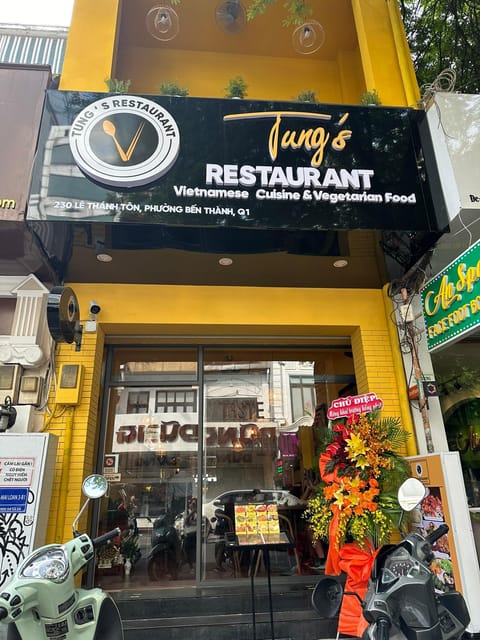
- Market tour focused on everyday ingredient picking: you learn what to look for when buying herbs, proteins, and produce.
- Hands-on prep in a Vietnamese way: you don’t just watch; you work with the ingredients and cook your dishes.
- Cook, then eat together: the meal happens right after class, so your flavors make sense immediately.
- Certificate plus detailed recipes to take home: you leave with something you can use, not just a memory.
- Friendly English-speaking guidance: the instructor answers questions and keeps the class moving.
Tung’s Cooking Center: the setup that makes the class work
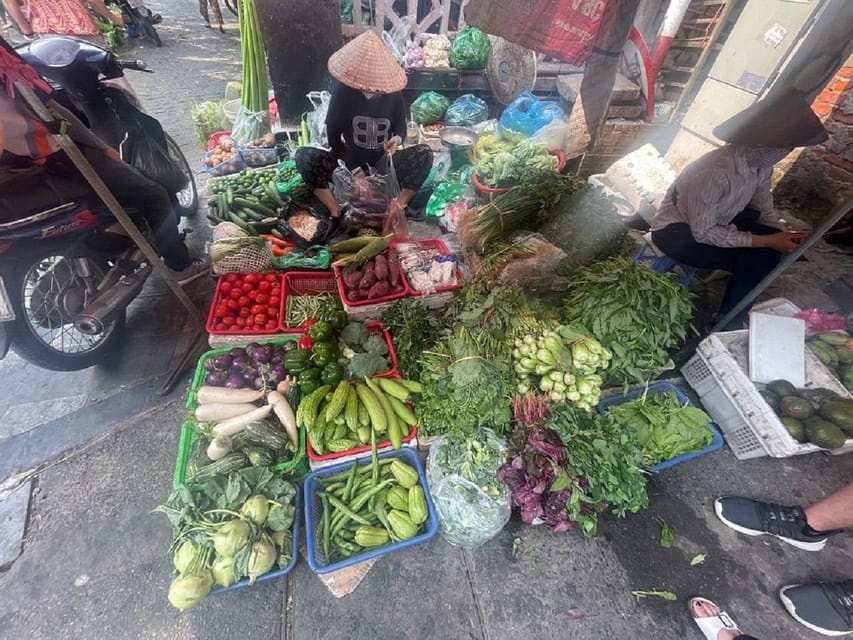
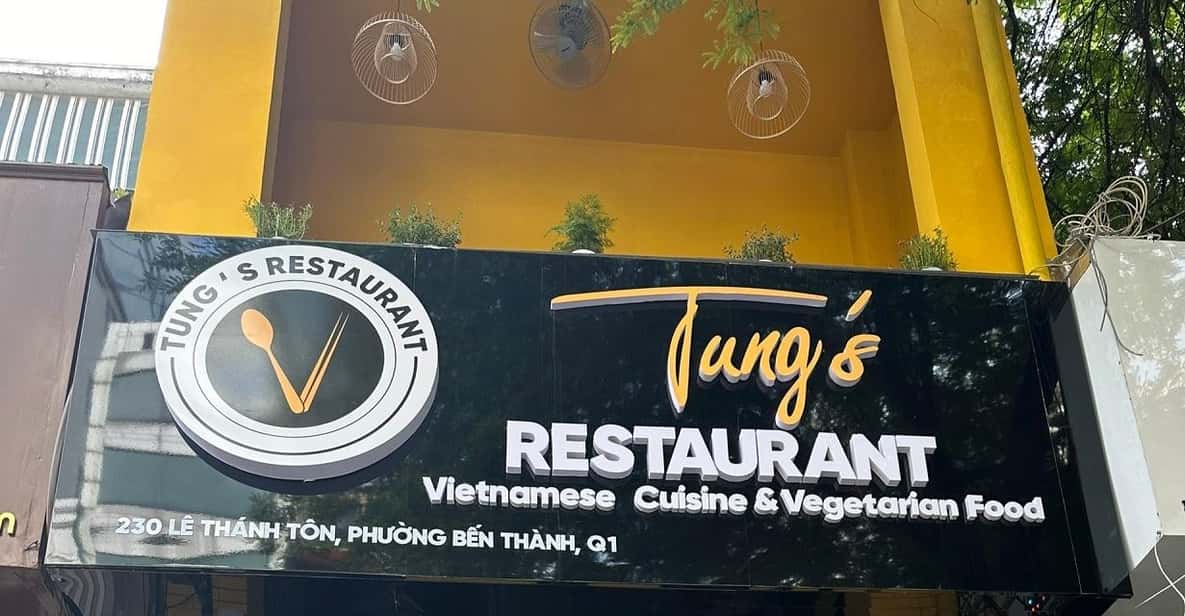
This is a 3.5-hour Vietnamese cooking class in Ho Chi Minh City based at Tung’s Cooking Center. The format is simple: you meet at the school, choose your dishes, go out to a local market with your instructor, then come back to cook and eat together.
What I like about this setup is that it teaches you the full flow of Vietnamese cooking. You start with ingredients and local habits, then you turn that knowledge into real dishes. You’re also not stuck with a fixed menu. Because you pick three dishes from nine, you can steer toward what you’re craving—comforting noodles, crispy snacks, or something citrusy and tangy.
A practical note: the meeting point is described as a restaurant. So when you arrive, walk in and tell the staff you’re there for the cooking class. It’s the kind of small instruction that saves time and avoids the awkward waiting game.
You can also read our reviews of more shopping tours in Ho Chi Minh City



Picking your 3 dishes from 9 options (and why that matters)
Before you cook, your group chooses 3 dishes from 9 options together. That choice process is more than fun—it’s part of how the class builds confidence. If you choose dishes that match your taste, you’re more likely to remember what you did and recreate it later.
From the dishes mentioned in the class experience, you might see options such as:
- Pho
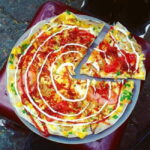
- Vietnamese pancakes
- Nems
- Lime chicken (a favorite from one of the experiences)
You won’t cook everything. You’ll cook three, which means you can actually practice the key steps instead of getting rushed through ten recipes. If you’re the kind of person who wants to learn “one good thing” rather than “ten quick impressions,” this structure fits.
The local market tour: learning ingredient choices like a local
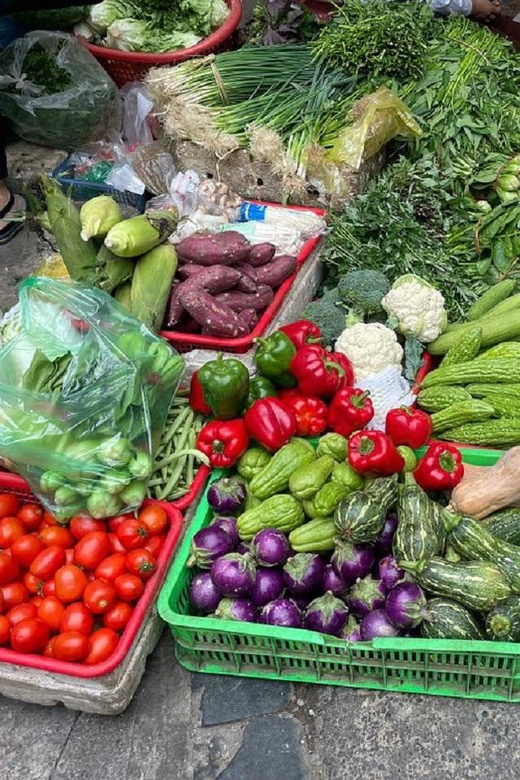
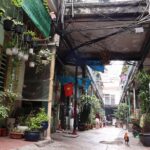
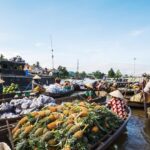
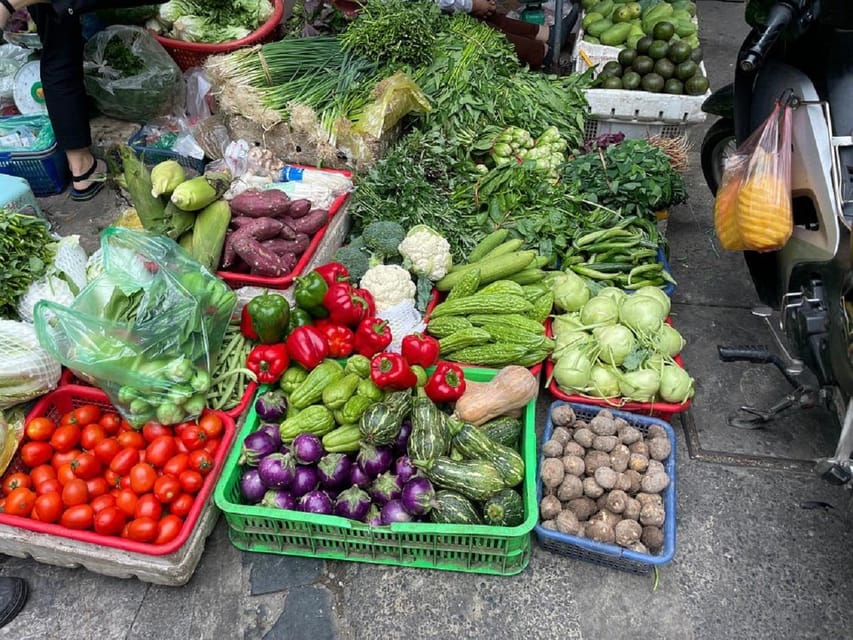
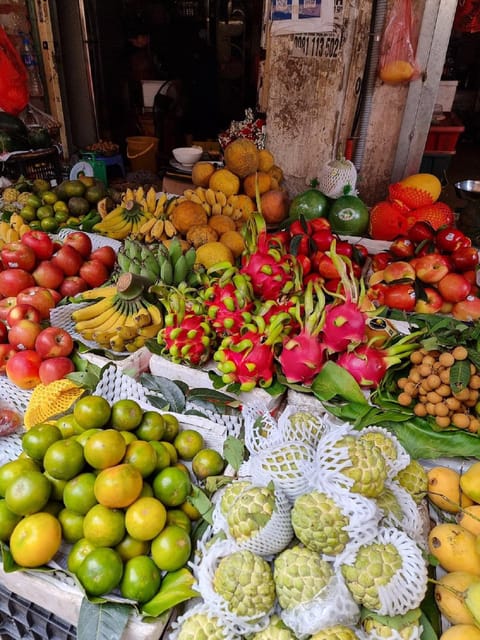
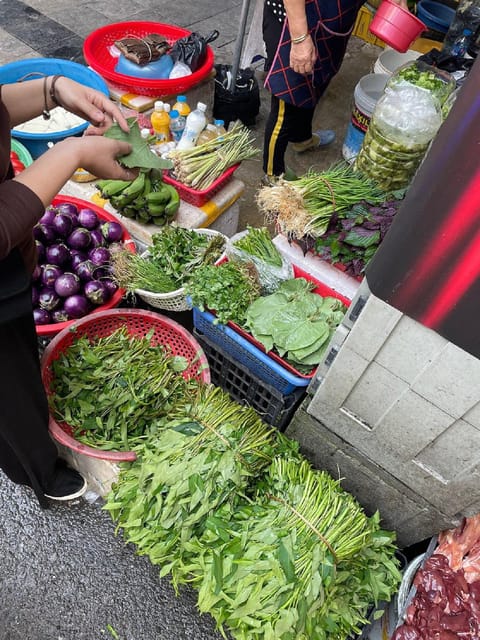
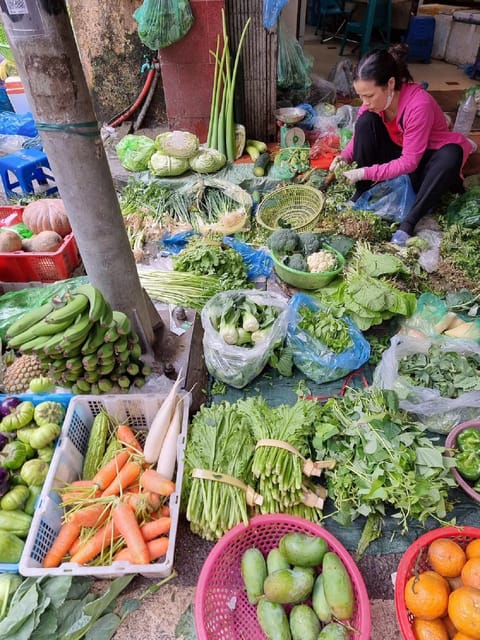
After meeting at Tung’s Cooking Center and choosing your dishes, you head out to a local market with your instructor. The focus is on learning local life through shopping—how ingredients are picked day to day, and what makes something feel fresh and right for a Vietnamese kitchen.
This part matters because Vietnamese cooking is ingredient-driven. Herbs, aromatics, and protein freshness can make or break the final flavor. A good market tour helps you understand what to buy and why, instead of only memorizing recipe measurements.
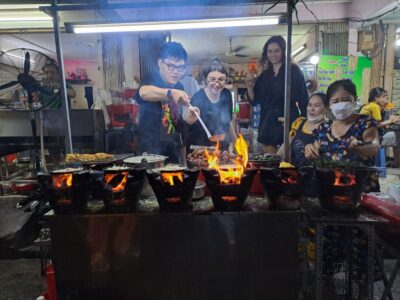
You’ll also want to treat this segment as outdoor time, even though it’s still part of a food class. The experience lists practical items to bring—hat, umbrella, and sunscreen—which tells you the market portion likely means sun exposure and walking. A camera is useful too, because you’ll see the ingredients and stall setups that make Vietnamese food feel specific, not generic.
One more thing: in at least some sessions, ingredients may be bought earlier to keep everything fresh. You might still learn the market logic, but don’t be surprised if not every single component is sourced from scratch in front of you. That’s normal for food experiences that balance learning with quality.
Back at the school: hands-on prep the Vietnamese way
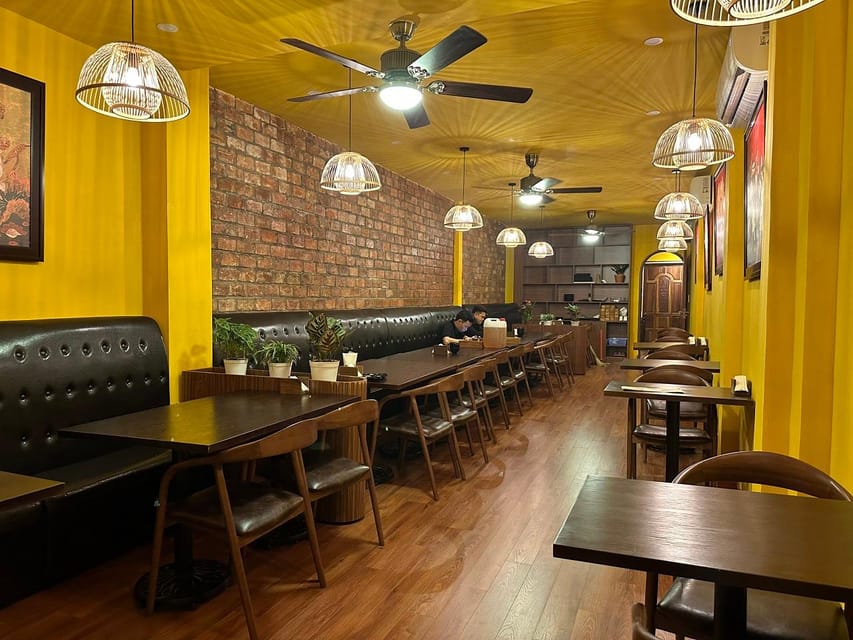
Once you return to the cooking space, you’ll start preparing ingredients and cooking your selected dishes in a Vietnamese way. The class is built around doing the work yourself, with your instructor guiding you through steps and technique choices.
This is where the learning starts to click. When you’re mixing, chopping, assembling, and cooking, you begin to understand how Vietnamese flavors are built—often through balance: salt, sour, sweetness, herbs, and aromatics working together. Even if you don’t speak Vietnamese, you’ll pick up kitchen rhythm through instructions and repeated actions.
The class is also described as beginner-friendly in spirit: you’re taking part in the process, not just observing. And the guidance is in English and Vietnamese, so questions don’t feel like a barrier. One thing that comes through in the experience is that the instructor is helpful and answers questions—exactly what you want when you’re trying to replicate the recipe at home.
Cooking together: how the group choice shapes your meal
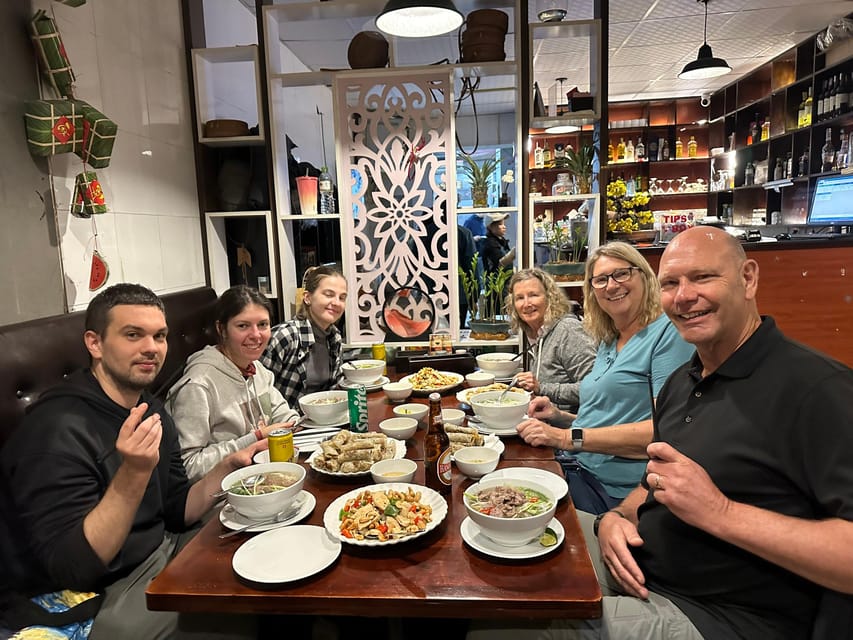
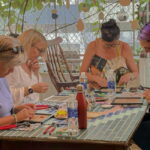
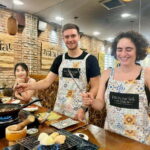
Because everyone chooses three dishes from nine options, your group’s menu becomes your class’s centerpiece. You’ll cook alongside your fellow chefs, and the shared workload makes the atmosphere social.
This group structure is a real advantage if you’re traveling with a partner or friends. You can discuss what you’re making as you go, and it’s easier to ask questions when you’re doing the same recipe flow at the same time. If you’re traveling solo, the group dynamic can be a plus too, since you’ll have people to talk with during the market and prep stages.
A small drawback to keep in mind: because the menu is group-chosen, you might not get your absolute first choice if the group votes differently. The compromise is part of the experience, but it’s worth keeping your top two preferences in mind when you arrive.
You can also read our reviews of more tours and experiences in Ho Chi Minh City


What you’ll cook and eat: the dishes that keep showing up
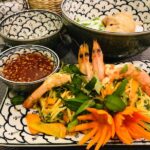
The class is designed around traditional Vietnamese dishes. Based on what’s been highlighted, the “usual stars” include pho, Vietnamese pancakes, nems, and lime chicken. Even if the exact lineup varies across sessions, the style of cooking stays grounded in familiar Vietnamese comfort and street-food favorites.
Here’s what those dish types imply for your learning:
- Pho helps you understand aromatic foundations and how warm, balanced broth flavors work.
- Vietnamese pancakes give you practice with batter/texture and cooking timing.
- Nems are about preparation and technique for crisp, satisfying bites.
- Lime chicken adds a citrusy flavor lesson: bright, tangy profiles that feel fresh rather than heavy.
You’re not just learning one flavor style. You’re covering multiple textures and flavor directions, which makes the recipes more useful later when you’re planning meals.
The meal after class: where you confirm what you learned
After cooking, you sit down and enjoy your meal with your fellow chefs. This isn’t a separate restaurant experience. It’s the natural finish line. You taste what you made, see how the dishes come together, and can make mental notes about what felt right—or what you’d tweak at home.
You also get drinks during the class. The experience includes welcome drinks and a soft drink during the class. That simple included refreshment is helpful, especially after market walking and active cooking.
This is one of those parts that sounds basic but actually improves the class outcome. If you eat right away, the flavors connect to the steps you just performed. That connection is what turns a class into a skill.
Certificate and detailed recipes: your take-home Vietnamese toolkit
At the end, you receive a certificate from the chef and detailed recipes after the class. You also take those recipes home to recreate the dishes for friends and family.
I like this part because it solves a common problem: learning something in person is fun, but then you lose details once you get home. Detailed recipes give you a reference point for ingredients, steps, and order of cooking. Even if you forget a specific timing, the written guide helps you rebuild your memory.
If you’re the type who cooks at home and wants the “proof” of the class, certificate + recipes is a practical combo. It’s not just a souvenir.
Price and value in Ho Chi Minh City: what $48 buys you
The class costs $48 per person for about 3.5 hours. That price may feel like “just cooking,” but the included items add up.
Here’s what’s covered:
- Welcome drinks
- All food (what you cook and eat) plus 1 soft drink
- Certificate from the chef
- Detailed recipes after the class
- English-speaking guide
What’s not included is transportation to and from the cooking class location, plus extra drinks during your meal. So your true budget depends on how you’re getting there.
In value terms, this format is strong because you’re paying for more than a kitchen lesson. You’re paying for:
- market ingredient education
- hands-on cooking with guidance
- a shared meal
- take-home recipes
If you compare that to eating a single meal out plus a generic cooking demo, the value starts to make sense. You leave with knowledge you can repeat.
What to bring (and how to avoid the common discomforts)
You’ll have a market portion plus cooking time, so plan like you’re spending an afternoon outside and in the kitchen.
Bring:
- Hat
- Umbrella
- Camera
- Sunscreen
- Comfortable clothes
I’d also suggest wearing shoes you can stand in for a while. The experience isn’t described as wheelchair-friendly, so comfortable footwear helps you get through the active parts without constantly adjusting.
Also, alcohol and drugs are not allowed. If you’re the type who likes pairing meals with drinks, just know the included beverage setup is intentionally simple.
Who this Vietnamese cooking class suits best
This experience fits best if you want:
- a hands-on Vietnamese cooking lesson (not just a lecture)
- ingredient education through a local market tour
- recipes you can use again at home
- a friendly, question-friendly English-speaking guide
It may not be ideal if:
- you prefer passive sightseeing only
- you need wheelchair accessibility
- you have visual accessibility needs that require special accommodation
- you’re planning for very limited mobility
If you fall into any of those categories, you’ll want to check suitability before booking.
A quick reality check on dietary needs
If you have special dietary needs, the instruction is clear: special dietary or special requests should be noted in advance. Don’t wait until the day of. If you tell the team early, you have the best chance of adapting the menu to something that works for you.
Should you book HCMc Vietnamese Cooking Class with Local market tour & Meal?
I’d book it if you want a true Vietnamese cooking experience in Ho Chi Minh City that teaches more than recipes. The combination of market ingredient picking + cooking + immediate meal is exactly how you turn knowledge into practice. And with three dishes from nine options, you’re not stuck making something you don’t care about.
Skip it if you want a super relaxed, sit-down-only activity or if mobility/accessibility needs are a concern. Also, if you’re counting on transportation being included, budget for getting to Tung’s Cooking Center.
If you like learning by doing, this class is a dependable way to bring Vietnamese food culture home—one dish at a time.
FAQ
How long is the Vietnamese cooking class with market tour?
The duration is 3.5 hours.
How much does the experience cost?
It costs $48 per person.
Do I choose what dishes to cook?
Yes. You choose 3 dishes from 9 options together with the group.
Does the class include the meal?
Yes. After the class, you sit down and enjoy a meal with your fellow chefs.
What’s included in the price?
Included items are welcome drinks, all food and 1 soft drink in class, a certificate from the chef, detailed recipes after class, and an English-speaking guide.
Is transportation included?
No. Transportation to and from the cooking class location is not included.
What should I bring?
Bring a hat, umbrella, camera, sunscreen, and comfortable clothes.
What languages will I hear during the experience?
The guide is available in English and Vietnamese.
Is the class suitable for wheelchair users?
No. It is not suitable for wheelchair users.