REVIEW · HO CHI MINH CITY
From Ho Chi Minh:Cu Chi Tunnels morning or afternoon w Lunch
Book on GetYourGuide →Operated by Anny Travel · Bookable on GetYourGuide
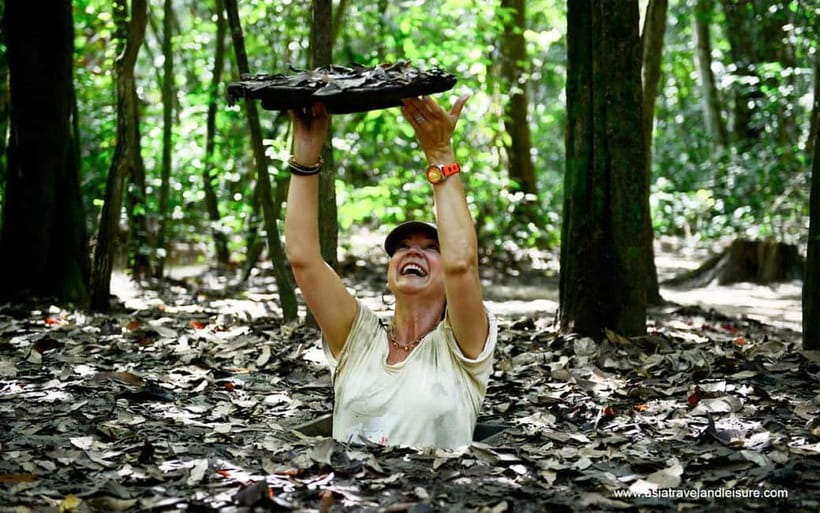
A short crawl changes how you see Vietnam’s war. The Cu Chi Tunnels tour turns history into something physical, with a guide-led walk through key underground rooms and safer crawl sections. You also get vivid moments for photos, like peeking from camouflaged openings and climbing aboard a tank for a quick shot.
What I like most is how the tunnel rooms feel like a complete living system, not just a “hole in the ground.” The experience moves from narrow passageways to command areas, field hospitals, and trap-style defenses, then tops it off with simple wartime food like boiled tapioca. A standout here is the guiding: when the guide is strong, like Nia or Harry, the day turns from facts into real storytelling.
One thing to consider: the tour can include extra stops beyond the tunnels (market or art-craft stops), and pacing may feel rushed. Also, details like start time can vary, so you’ll want to confirm your pickup and what’s included that day—especially if you care about lunch style or the shooting range.
In This Review
- Key things you should know before you go
- Cu Chi Tunnels: What You Really See Underground
- From Ho Chi Minh by Air-Conditioned Bus: Time and Comfort
- Guides Matter: Nia, Nap, Harry, and Jacky’s Impact
- Crawling the Narrow Tunnels and Touring War Rooms
- Photo Stops and the Tank Moment
- Shooting Range: Optional, Loud, and Not for Everyone
- Lunch, Tapioca, and the Food Reality Check
- Countryside Stops: Rubber Trees, Markets, and When It Becomes Shopping
- Price and Value: Is $22 for 6 Hours a Good Deal?
- Who Should Book This Tour (and Who Should Skip It)
- Should You Book This Cu Chi Tunnels Tour?
- FAQ
- How long is the Cu Chi Tunnels tour from Ho Chi Minh?
- What is included in the price?
- Is the AK-47 shooting range included?
- Does the tour include lunch?
- What languages are available for the guide?
- Is there free cancellation?
Key things you should know before you go
- English guiding is the make-or-break factor: guides like Nia, Nap, Harry, and Jacky have been praised for their knowledge and energy.
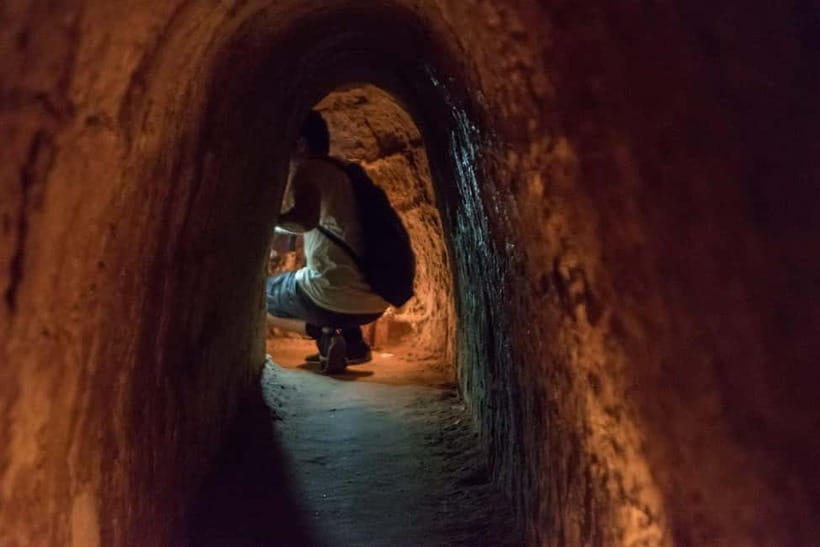
- You crawl: expect very narrow, hand-built passages and a real sense of underground pressure.
- You’ll see “war life,” not just war ruins: command centers, field hospitals, weapons areas, and trap-style features.
- AK-47 or MK16 shooting is optional and not part of the base price; it can be loud and stressful.
- Food is simple: tapioca is included, while lunch options and beverages may vary by day.
- There may be countryside stops (rubber trees, wet market, fruit), but some days add longer shopping detours.
Cu Chi Tunnels: What You Really See Underground
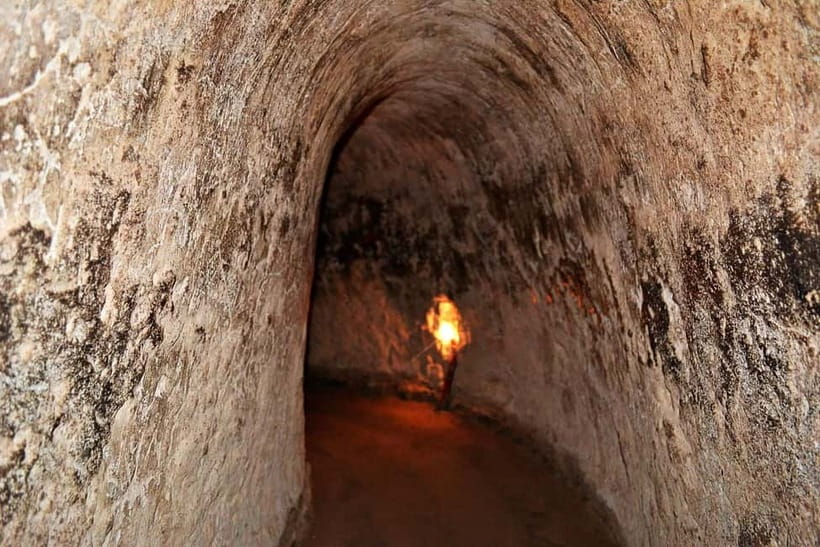
Cu Chi Tunnels is one of Vietnam’s most famous war sites for a reason. This tunnel network was built to support fighters during the Vietnam War, and the modern visitor experience tries to show both the strategy and the daily survival logic behind it. When you step into the recreated and preserved sections, you’re not just looking at artifacts—you’re moving through a system designed to hide, operate, and fight.
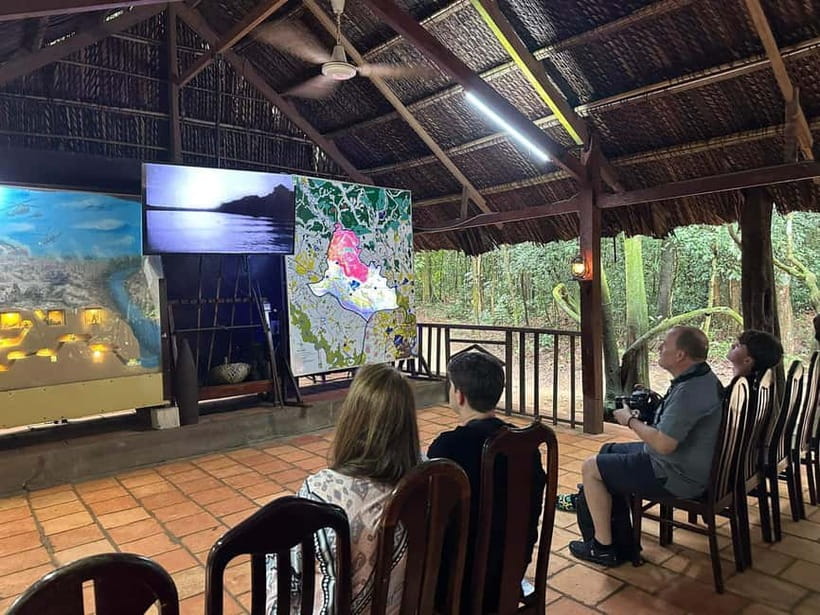
Expect an underground layout that feels almost village-like. You’ll encounter areas that represent living and working spaces, including war bunkers and field-hospital style setups. There are also weapons-manufacturing zones and command-center elements. The tour typically pairs these stops with short documentary footage so you can connect what you’re seeing with how it likely worked back then, including life under constant pressure.
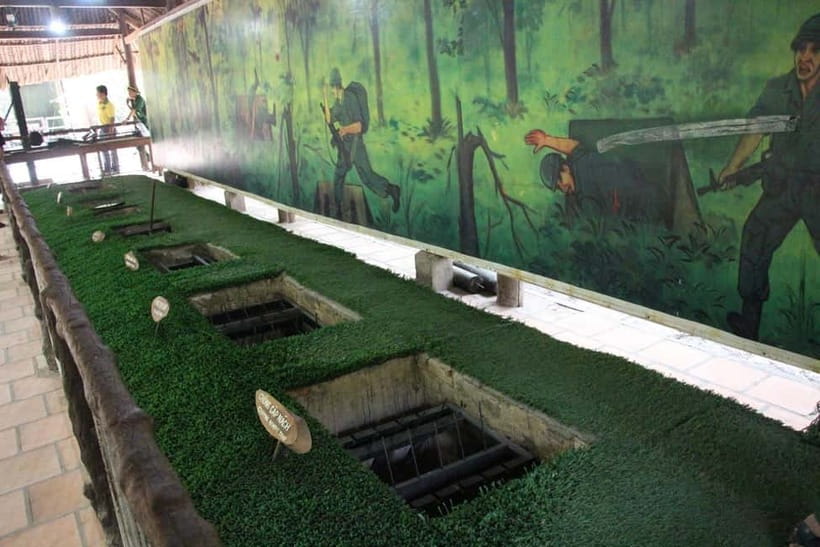
A few details that make the place hit harder are the “small” moments you’ll notice as you walk. Booby traps and camouflaged openings aren’t just displayed—they’re positioned so you get a sense of how detection could be delayed. There are also photo-friendly moments, such as peeking out of a trapdoor and a chance to climb aboard a tank for a quick comparison between ordinary vehicles and underground methods.
One practical note: the tunnels you can explore are described as safer portions. Still, the experience is physical. If you’re tall, claustrophobic, or not comfortable squeezing, go in with eyes open. Tight ceilings and narrow turns aren’t optional here—they’re the point.
You can also read our reviews of more tours and experiences in Ho Chi Minh City


From Ho Chi Minh by Air-Conditioned Bus: Time and Comfort
This tour is about 6 hours, and you’re traveling from Ho Chi Minh with transfers included by air-conditioned bus. That matters because Cu Chi is outside the city, and you don’t want to spend your day negotiating rides.
The comfort level is usually fine, but I’ll flag what to watch for: bus seating can feel tight on busier days. If you’re tall or dislike cramped legs, bring a small pillow or plan for a bit of discomfort during the drive.
Timing is also worth double-checking before you leave. One common frustration is that the start time shown on a confirmation may not match what happens on the ground. So I recommend you confirm the pickup time the day before (or as soon as the operator provides it), not just rely on the original listing time.
Guides Matter: Nia, Nap, Harry, and Jacky’s Impact
On paper, this is a guided tour. In real life, the guide can completely change the day.
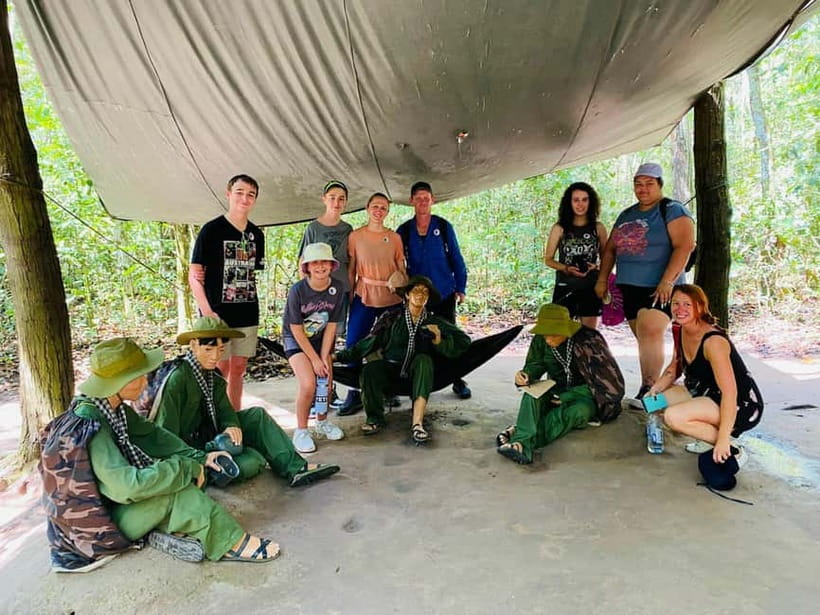
I’ve seen strong praise tied to specific guides. Nia was described as a deep history source who basically reads like a living book. Nap got high marks for keeping a group together and for having solid knowledge. Harry was praised for being friendly, accommodating, and very informative. Jacky also earned good comments for being respectful, funny, and well organized in how he narrated the experience—especially for French-speaking guests.
Here’s the practical takeaway: choose the language you’ll actually understand. The tour offers English-speaking guides, with surcharges for other languages on private arrangements. If your goal is to understand war tactics, tunnel logic, and the why behind each room, you’ll get more from a guide you can fully follow.
Even with a good guide, the site is still intense. A skilled guide helps you shift from “museum mode” to “comprehension mode” by explaining what you’re seeing, why it was built that way, and how it affected daily choices. That context is what turns the tunnels from a dramatic set piece into history you can picture.
Crawling the Narrow Tunnels and Touring War Rooms
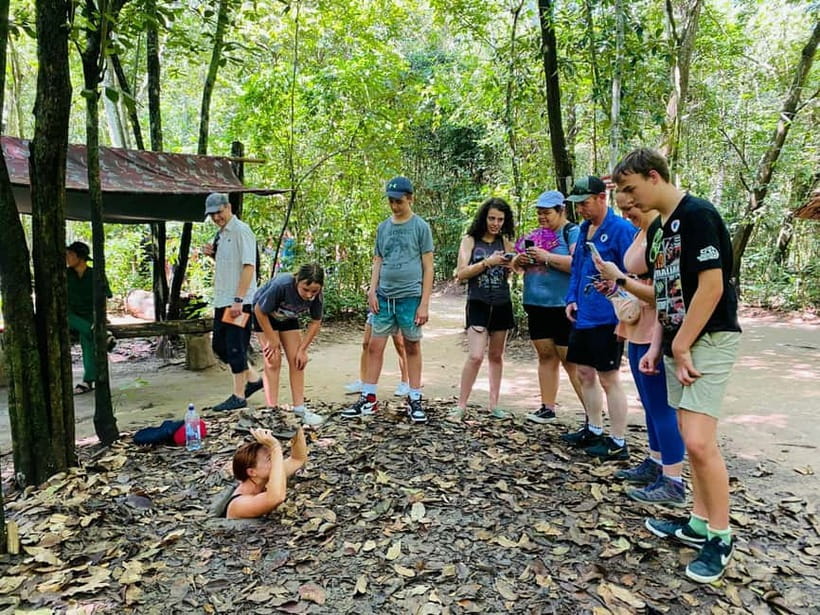
The heart of the day is going underground—descending into the system and exploring several key areas with your guide. You’ll see a variety of rooms and zones that represent how fighters lived and worked.
What stands out is the range of functions inside the tunnels:
- Command centers: places tied to coordination and decision-making.
- Field-hospital style setups: areas representing medical care during wartime.
- Weapons manufacturing rooms: demonstrations of production-focused work.
- War bunkers and survival spaces: points that connect hardship to resilience.
- Trap-style features: booby traps and camouflaged elements that show how movement could be controlled.
You’ll likely be briefed with short documentary segments while walking through certain areas. These clips help you make sense of what’s otherwise hard to visualize underground: movement routes, hiding strategies, and the constant threat environment.
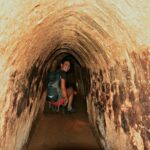
You also get access to narrow crawl sections. The tunnel system is described as hand-built, which is the sort of detail that becomes real when you move through it. Expect tight turns, short stretches, and a pace that’s dictated by space, not comfort.
One more “small but important” detail: wartime life is shown through simple items and reenactment-style displays. There’s mention of a smoke-free kitchen area (called Hoang Cam) and the boiled tapioca served as a wartime food reference. The point isn’t luxury. It’s routine under pressure.
Photo Stops and the Tank Moment
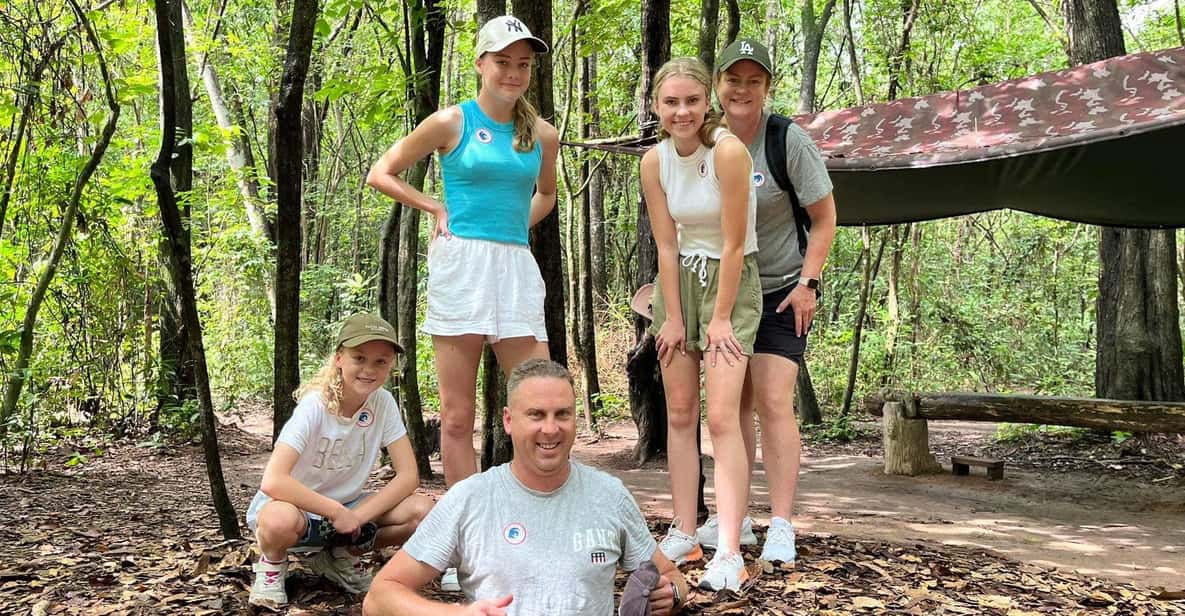
This is one of those tours where the visuals can help you remember the story later. Besides the tunnels themselves, you’ll have clear opportunities to take photos at key points: peeking out of camouflaged openings and climbing aboard a tank-like display.
These moments aren’t just for fun. They give you a contrast between two extremes of war tech and war strategy: big visible equipment versus hidden underground systems. Even if you’re not a “photo person,” I’d still suggest grabbing at least one shot. You’ll be glad later when you’re explaining to friends how underground survival looked in real proportions.
You can also read our reviews of more tours and experiences in Ho Chi Minh City


Shooting Range: Optional, Loud, and Not for Everyone
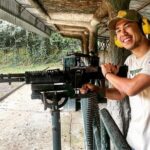
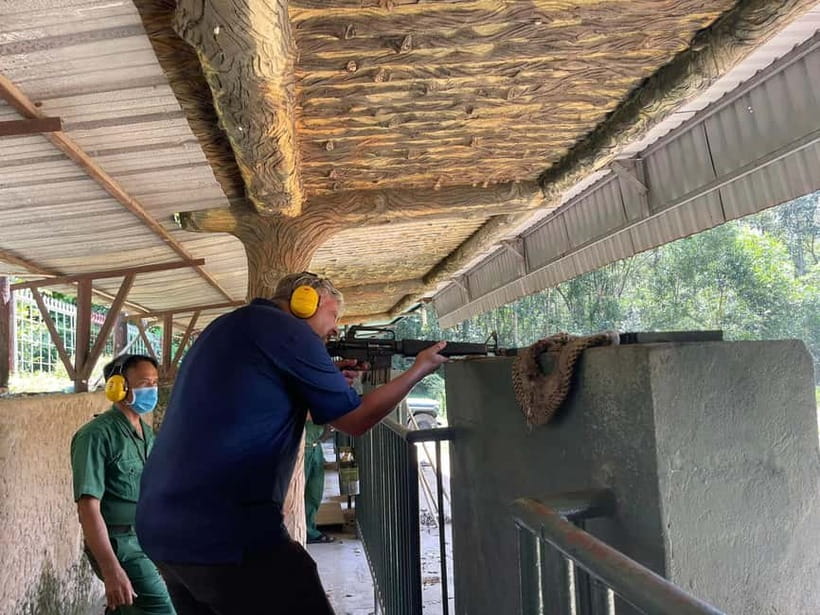
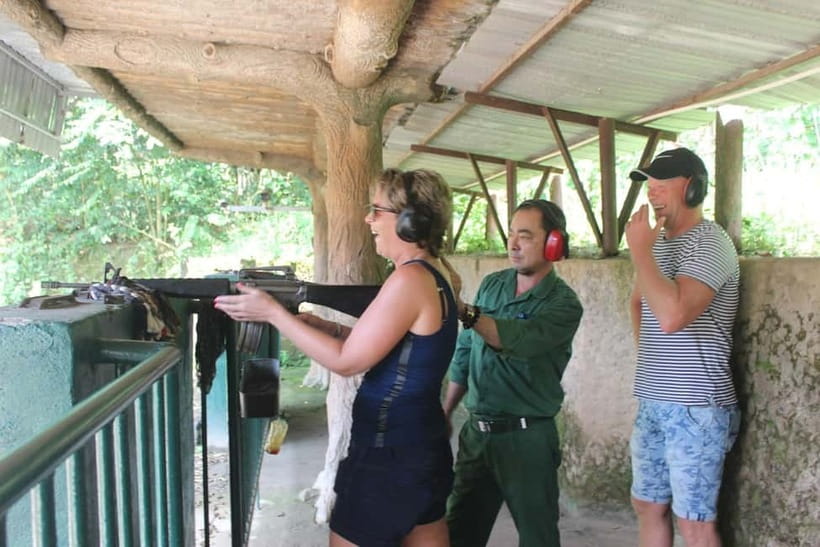
The shooting range experience is an optional add-on and not included in the base tour price. When people choose it, they do so for controlled, supervised shooting activity using options mentioned like AK-47 or MK16 rifles.
If you’re sensitive to sound, this is a major consideration. One experience described the shooting range as loud and stressful, and people who didn’t pay for it had to wait nearby with constant noise. That’s a big deal if your goal is a calm, reflective museum-style day.
My advice: decide early whether you want the range. If you’re unsure, watch from a distance first if that’s possible, or ask your guide how waiting works on the day you book. If you skip it, you can still keep the day focused on tunnels and history.
Lunch, Tapioca, and the Food Reality Check
Food on this tour is simple, and it’s good to calibrate your expectations.
Boiled tapioca is included, and that’s tied to the wartime food references of fighters living underground. So even if you’re not a big fan of plain tapioca, it has meaning in the context of what you’re learning.
Lunch is described as optional with a private tour setup. That means if you book a standard group format, you should treat lunch as something that may not come in the same way every time. One traveler reported issues like cold yuca-like food, small portions, and presentation that didn’t feel worth the effort. Another person mentioned honey tea being promised but not served.
I can’t guarantee what you’ll get day-to-day, so here’s how you protect yourself:
- If lunch details matter, confirm what’s provided for your specific booking type.
- If honey tea is important to you, ask directly whether it’s included and when it’s served.
- Bring a small snack you like, just in case the included food is lighter than you hoped.
Hydration is covered with bottled water in the included items, which helps on a day that includes both walking and crawling.
Countryside Stops: Rubber Trees, Markets, and When It Becomes Shopping
Some versions of this tour add countryside sightseeing on the way, including rubber tree plantations and jungle-style views. You may also pass by a countryside wet market and get a chance to try fresh tropical fruits. These stops can be more than filler—they can show what daily life looks like outside the tunnels, giving your brain a break from history for a moment.
But pacing varies. One experience included a longer detour at a market for lacquered items tied to supporting war victims. Another included an art-factory stop that wasn’t in the expected flow. Those detours can take time away from the tunnels, and the bus ride may feel more cramped if the schedule expands.
So if you care most about the underground portions, ask the operator what the day’s extra stops typically are. You’ll get more satisfaction if you know whether your day is tunnel-heavy or includes extended market time.
Price and Value: Is $22 for 6 Hours a Good Deal?
At around $22 per person, the value can be strong. Your baseline includes transfers by air-conditioned bus, entry to Cu Chi Tunnels, bottled water, boiled tapioca, and an English-speaking tour guide (or other-language guides with surcharges depending on the arrangement).
That package matters because the experience is labor-intensive on the operator side: you’re transporting you there, providing guide narration, and running you through multiple underground areas. When the guide is excellent, that added context can be worth as much as the tunnels themselves.
Where value can slip is in the “extras” and variability:
- Optional shooting adds cost.
- Lunch may depend on the booking type.
- Countryside or craft stops can stretch the schedule, reducing tunnel time.
- Food quality and timing can feel inconsistent.
If you’re the type who hates rushed itineraries, or you strongly prefer a history-focused day with minimal shopping stops, you’ll want to manage expectations. Otherwise, for many first-timers, this price level makes it an accessible way to see a major Vietnam site without paying for a private, all-day custom itinerary.
Who Should Book This Tour (and Who Should Skip It)
This tour fits best if you:
- Want a structured guided visit where the guide explains what you’re seeing in the tunnels.
- Can handle tight spaces and don’t mind crawling narrow passageways.
- Prefer a day that mixes history with direct “on-site” atmosphere, even if it’s intense.
You might want to skip or choose a different option if you:
- Are very claustrophobic or uncomfortable in confined spaces.
- Don’t want loud distractions like a shooting range stop.
- Hate shopping-style detours and want every minute aimed at the tunnels.
If you’re traveling with teens or adults who love history, it can land well—especially with guides who tell stories clearly. If your group is mixed, the guide’s ability to keep things moving and explain what’s happening becomes even more important.
Should You Book This Cu Chi Tunnels Tour?
I’d book it if you want a guided, well-paced way to experience Cu Chi Tunnels without doing everything yourself from scratch. The biggest deciding factor is the guide and how the day is structured beyond the tunnels.
Before you confirm, do three quick checks:
- Make sure you’re getting the language you’ll understand well (English is listed as available, and it’s the easiest route to absorbing the history).
- Ask what extra stops are included that day, so you can judge whether you’ll feel it’s tunnel-first or shopping-forward.
- Confirm start time and lunch expectations for your exact booking type, especially since timing and meal details can vary in practice.
If those boxes look good for your style of travel, this is a solid way to see Cu Chi—and understand why this underground network became so important.
FAQ
How long is the Cu Chi Tunnels tour from Ho Chi Minh?
The tour duration is listed as 6 hours.
What is included in the price?
Included items are transfer by air-conditioned bus, an English-speaking tour guide, entry to Cu Chi Tunnels, bottled water, and tapioca. Lunch is optional with a private tour.
Is the AK-47 shooting range included?
No. Shooting range is not included. It’s mentioned as an optional experience with a surcharge.
Does the tour include lunch?
Lunch is listed as optional with a private tour. Otherwise, the included food is tapioca and bottled water.
What languages are available for the guide?
Guides are listed as available in English, French, German, Korean, Italian, Japanese, Spanish, and Russian.
Is there free cancellation?
Free cancellation is offered up to 24 hours in advance for a full refund.