REVIEW · HO CHI MINH CITY
Make 3 Regions Iconic Vietnamese coffees: Brown, Salted, Egg
Book on GetYourGuide →Operated by Vietnam Coffee Journey - Day · Bookable on GetYourGuide
Three coffees, one lesson in Vietnam. In this hands-on session, Quynh teaches you how to brew with the traditional phin dripper, then walks you through why the South, Central, and North taste different. I especially like that you do the making yourself, and you also get the culture behind each cup instead of just a recipe. One thing to watch: the drinks are heavy on caffeine, so plan your timing carefully.
You’ll spend your time building flavors in a small group of up to 6, with a host who’s been working 16+ years in food and beverage. If you’re sensitive to caffeine, don’t treat it like a casual coffee stop.
In This Review
- Key highlights you should care about
- Why Vietnamese coffee changes by region (and how you’ll see it fast)
- The phin dripper lesson: the skill that makes or breaks your cup
- Brown coffee of the South: simple, bold, and built for slow sips
- Salted cream coffee of the Central: sweet-salty balance in one glass
- Egg coffee of the North: the foamy finale you’ll remember
- The pacing: tasting and making in about 90 minutes
- The snack: plain bánh mì with condensed milk (and why it works)
- Price and value: is $22 worth 90 minutes and three icons?
- Who this suits best (and who should skip)
- One note on wheelchair needs
- The host’s style: clear structure with real enthusiasm
- Quick practical tips before you go
- Should you book this Vietnamese coffee workshop?
- FAQ
- How long is the Vietnamese coffee workshop?
- How much does it cost?
- What’s included in the price?
- Is it hands-on or just tasting?
- Which coffees will I make?
- Do you offer dietary alternatives?
- What language is the workshop taught in?
- Is there a caffeine warning?
- Is it suitable for children or older adults?
- Can I cancel, and is there pay-later?
Key highlights you should care about
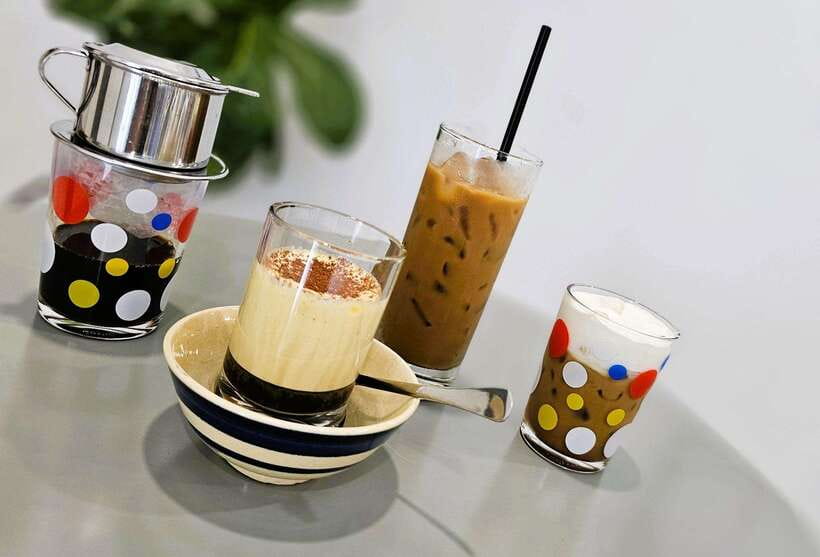
- Hands-on brewing: you’ll make your own Vietnamese coffee, not just watch.
- Phin dripper tips: you’ll learn the proper way to use the traditional filter.
- Three regional icons: South brown, Central salted cream, and North egg coffee.
- Culture explained through drinks: each recipe links back to Vietnam’s regional differences.
- Well-paced, English-led session: clear structure with room for questions.
- Small group feel: limited to 6 participants, with comfortable air-conditioned seating.
Why Vietnamese coffee changes by region (and how you’ll see it fast)
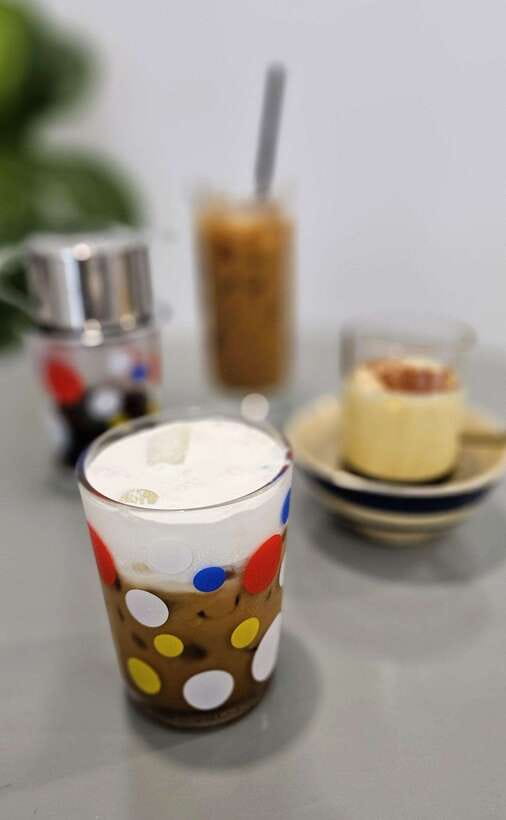
Vietnamese coffee can look simple, but it’s not one flavor. In this 90-minute workshop, you get a quick map of how the country’s regions influence what ends up in your cup. The goal is practical: once you taste the differences, the culture makes sense.
You’ll learn the brief coffee history and how coffee became a regular part of daily life here. Then, the session organizes everything around three iconic drinks that represent the South, Central, and North. That structure is the secret sauce. Instead of a random list of coffees, you get a guided “why this tastes this way” story.
You can also read our reviews of more tours and experiences in Ho Chi Minh City.

The phin dripper lesson: the skill that makes or breaks your cup
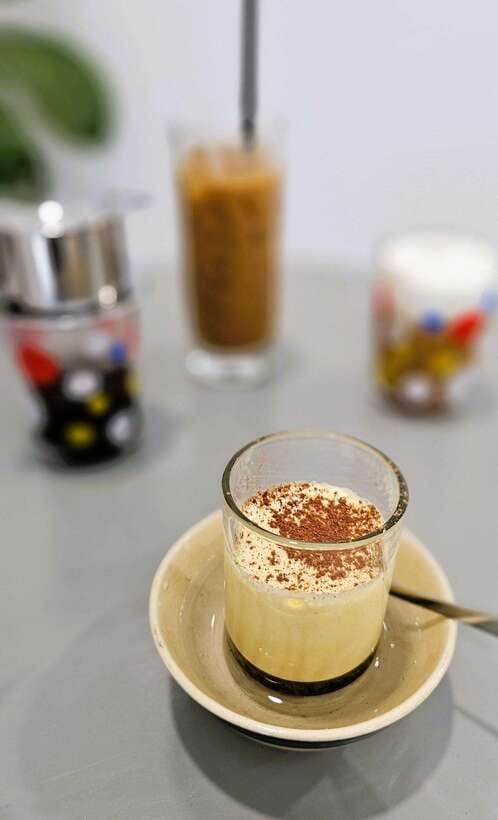
If you take one takeaway home, make it the phin dripper technique. Vietnamese coffee is often built on this small metal filter, and the workshop focuses on the proper way to use it. You’re not stuck guessing. You’ll get coaching on timing and brewing steps so your coffee doesn’t come out too strong, too weak, or uneven.
This part matters because Vietnamese coffee isn’t just about ingredients. It’s also about how the coffee is extracted. When you learn the method correctly, the rest of the flavors start behaving the way they should.
You’ll also understand how the sweetness and dairy elements work with the coffee, so you’re not just assembling something sugary. The session shows you what to look for as you brew and pour, which makes the final drinks feel consistent and repeatable.
Brown coffee of the South: simple, bold, and built for slow sips
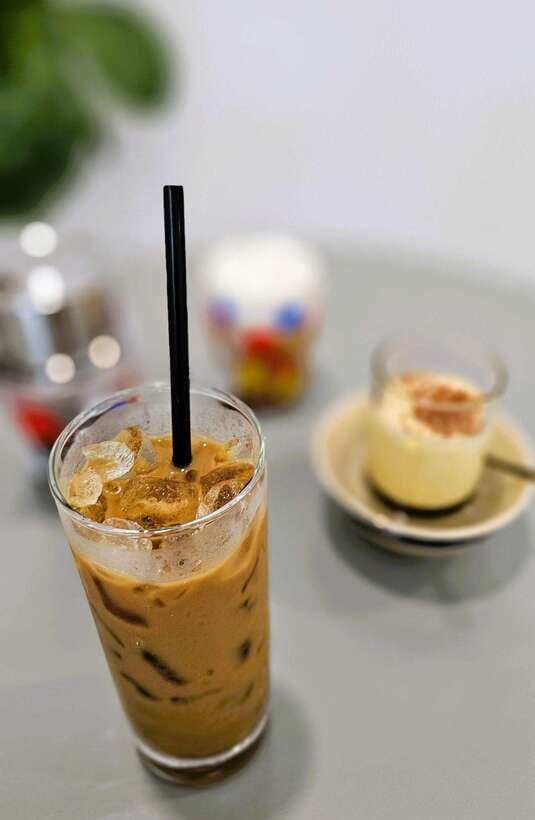
The South’s iconic pick is the brown coffee style. In the workshop, you’ll make it using the classic approach, and you’ll also taste it along the way. This drink is a good starting point because it shows you the base character of Vietnamese coffee without extra layers.
What you’ll like here is how the host frames it: this is where you understand coffee as daily fuel, comfortable and direct. The flavor is deep and grounded, and the technique you learn with the phin is front and center. If you normally drink coffee black or prefer simple flavors, this one is the easiest entry.
Salted cream coffee of the Central: sweet-salty balance in one glass
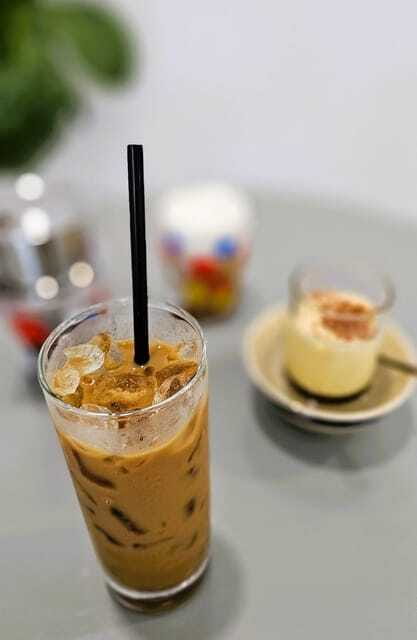
Next comes the Central region’s signature: salted cream coffee. This is where Vietnamese coffee turns into something more playful. You get the “wow” effect without it turning into a dessert that hides the coffee.
The workshop connects the drink’s style to regional tastes, so you’re not just copying a recipe. You’ll learn how to handle the cream element and how the salt changes the way the sweetness hits your tongue. Done right, it’s smooth and layered, with a salty edge that keeps it from feeling flat.
This is also a great option if you want coffee flavor but like contrast. You’re still tasting coffee, just with a gentler, silkier finish.
Egg coffee of the North: the foamy finale you’ll remember
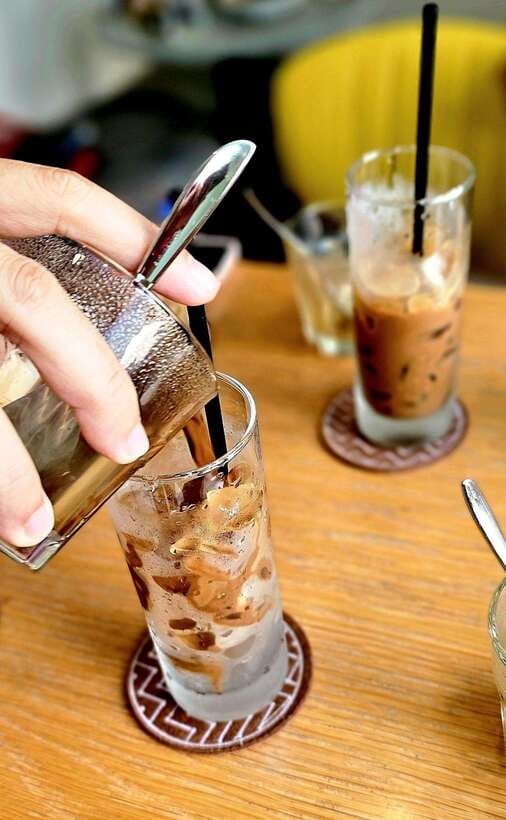
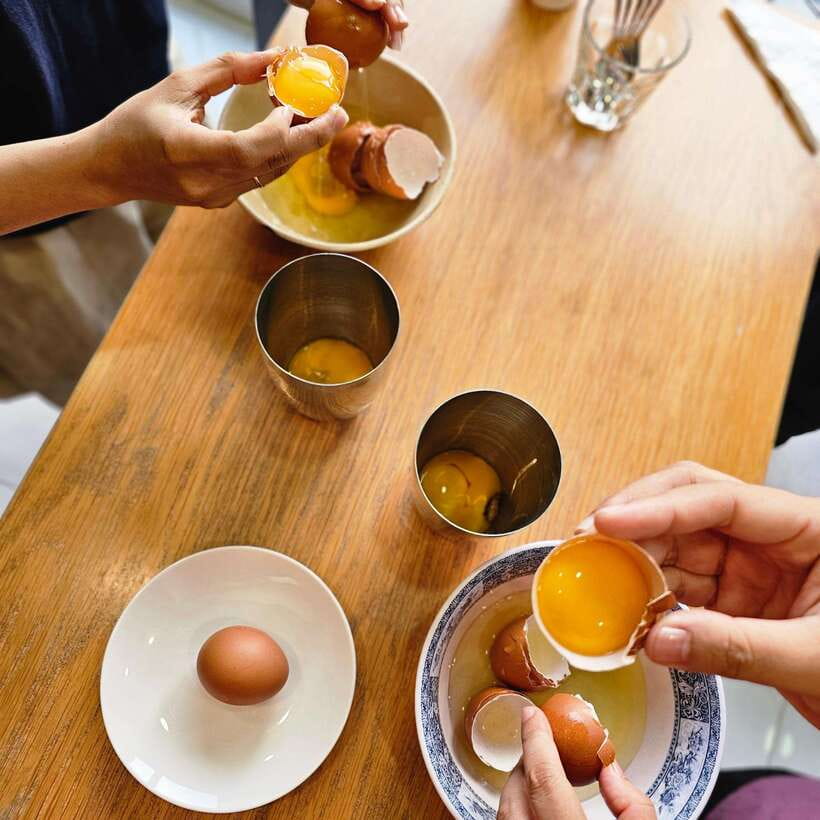
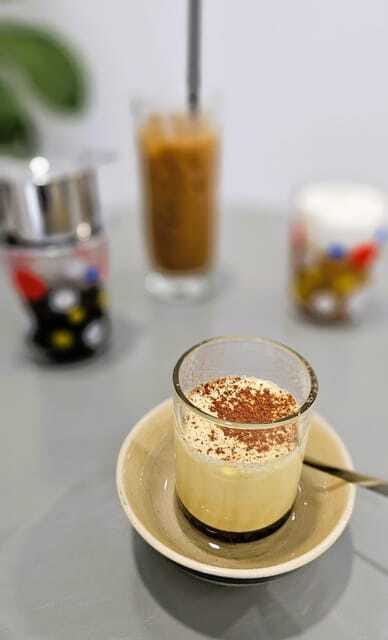
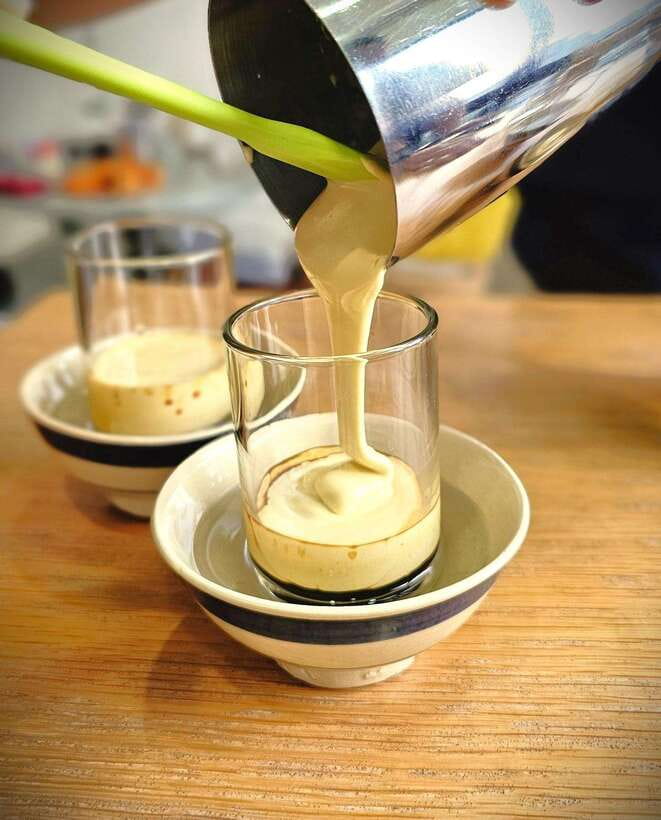
For the North, the star is egg coffee. It’s iconic for a reason: the texture is the headline. During the workshop you’ll make it and taste it, and you’ll see how the foam brings a dessert-like richness while still keeping the coffee present.
What makes this experience feel worth it is that you’re not only getting the final drink. You’re getting the method and the reasoning behind it. When you understand what creates that foam and how it interacts with hot coffee, you stop treating it like a lucky accident.
Egg coffee often wins people over even if they don’t usually order fancy coffees. It’s distinctive without being complicated once you’re guided.
The pacing: tasting and making in about 90 minutes
This is a tight session. You’re there for 90 minutes, and it stays structured the whole time. You’ll get multiple tastings across the different drinks and learn how to make them as you go.
In a small group of up to 6, you get enough attention to correct small technique issues. That matters with the phin dripper, where tiny adjustments can change how the extraction goes.
Also, the session is held in air-conditioned comfort, which is a bigger deal than it sounds when you’re out in city heat.
The snack: plain bánh mì with condensed milk (and why it works)
You don’t leave empty-handed or empty-stomached. The included local snack is a simple bánh mì with condensed milk. It’s not the usual savory version you might expect. It’s more of a sweet pairing, and it helps you reset your palate between coffees.
This also keeps the workshop grounded in local snack culture. You get food that matches the sweetness approach of Vietnamese coffee rather than a random side dish.
Price and value: is $22 worth 90 minutes and three icons?
At $22 per person, you’re paying for a lot more than tasting. You’re paying for guided brewing, hands-on practice, instruction in using the phin dripper, and making the three regional coffees that most people come to Vietnam wanting to try.
You also get:
- four tasting moments across the coffees and techniques
- the included snack
- comfortable seating in an air-conditioned space
- all-inclusive pricing with no extra charges
That price feels fair if you think of it as a mini skill-building class plus a cultural briefing. Even if you’re not a serious coffee person, you’ll still get value because the session is built around understanding Vietnam through taste and method—not just drinking.
Who this suits best (and who should skip)
This workshop is especially good if you want a fun, hands-on way to learn. It’s also a great fit if you like structured lessons with room to ask questions.
It’s not for kids under 14, and the session isn’t suitable for people over 95.
About caffeine: the drinks have lots of caffeine. If you’re planning to do this late in the day, keep it in mind. The instruction is clear: don’t have coffee within 2 hours before your start time.
One note on wheelchair needs
The activity is marked as wheelchair accessible, but it’s also listed as not suitable for wheelchair users. If you or your party uses a wheelchair, I’d treat this as a “confirm before you book” situation so you don’t get surprised.
The host’s style: clear structure with real enthusiasm
The workshop is led in English, and the host—Quynh—runs the session with a mix of clarity and energy. He has 16+ years of experience in food and beverage, and you can feel that in how organized everything is. Instructions land at the right moment, and the steps don’t feel rushed.
What I’d call out is the balance. You get technique for the drinks, but you also get context—coffee history and how coffee is tied into regional habits. It’s the kind of lesson that keeps you paying attention even if you’re only halfway through your coffee journey.
Quick practical tips before you go
- Go easy on caffeine beforehand: skip coffee for 2 hours before.
- Plan for a strong finish: these are coffee-forward drinks.
- Ask questions about the phin while you’re making it, not afterward.
- Mention dietary needs when you book if you want alternatives for vegan, coeliac, or lactose intolerance.
Should you book this Vietnamese coffee workshop?
I think you should book it if you want a compact experience that teaches you how Vietnamese coffee is made and why it differs by region. For $22 and 90 minutes, you’re getting real hands-on brewing, three famous drinks you can’t easily replicate without guidance, and cultural context that makes the flavors click.
Skip it if caffeine is a problem for you or if you want something very low-key and snack-only. It’s not a sit-and-sip lounge. It’s a make-it-with-your-hands coffee lesson.
If you’re curious, this is one of the most practical ways to taste Vietnam beyond the usual landmarks.
FAQ
How long is the Vietnamese coffee workshop?
The experience lasts 90 minutes.
How much does it cost?
It costs $22 per person.
What’s included in the price?
You get four tastings along with guidance on how to make the coffees, a simple local snack (plain bánh mì with condensed milk), and air-conditioned seating. The activity is all inclusive with no other charges.
Is it hands-on or just tasting?
It’s hands-on. You’ll make your own coffee drinks, including the three iconic regional coffees.
Which coffees will I make?
You’ll make the three iconic regional coffees: brown coffee of the South, salted cream coffee of the Central, and egg coffee of the North.
Do you offer dietary alternatives?
Yes. Alternatives are available for vegan, coeliac, and lactose intolerance guests, and you should note your needs when booking.
What language is the workshop taught in?
The instructor speaks English.
Is there a caffeine warning?
Yes. There’s lots of caffeine, and you’re recommended not to drink coffee within 2 hours before the session.
Is it suitable for children or older adults?
It’s not suitable for children under 14 and not suitable for people over 95.
Can I cancel, and is there pay-later?
You can cancel up to 24 hours in advance for a full refund. You can also reserve now and pay later.