REVIEW · HO CHI MINH CITY
From HCM: Cu Chi Tunnels & Highlights City Full-Day Tour
Book on Viator →Operated by SST TRAVEL · Bookable on Viator
Few places in Saigon hit you fast like Cu Chi Tunnels. This full-day combo pairs major landmarks with a guided look at the tunnel system and what it meant during the anti-American war.
I especially like that the day is built around an English-speaking guide and staying together with the same guide and driver. I also love the practical inclusions: lunch, bottled water, entrance fees, plus tapioca and tea, so you are not constantly hunting for basics. One thing to consider is that timing can feel tight, and the Reunification Palace stop can be affected if it is closed or under schedule changes.
In This Review
- Key points worth knowing before you go
- A smooth, early start that makes the long day doable
- Saigon landmarks that give you the right context
- Old Central Post Office: more than a photo stop
- War Remnants Museum: heavy, but guided well
- Reunification Palace and Notre Dame: when the schedule matters
- Reunification Palace: a major stop that can change
- Notre Dame Cathedral and French-era architecture
- Cu Chi Tunnels: the contrast between quiet rice land and 220km of hiding
- Why the rural scenery matters
- Understanding what the tunnels were for
- Tapioca and tea: a small break with the right timing
- Lunch, bottled water, and other included comforts that add up
- How the lunch inclusion helps your day plan
- AC transport and the guide-driver team
- Price and value: what you get for $43
- Who this tour fits best
- Should you book Cu Chi Tunnels & Highlights City Full-Day Tour?
- FAQ
- What sites does this tour visit?
- How long is the Cu Chi Tunnels & Highlights tour?
- Is hotel pickup included?
- What time does the tour start?
- Is lunch included?
- Are entrance fees included?
- Is the tour guided?
- What extra snacks or drinks are included?
- What is the cancellation policy?
- Do I need a physical ticket?
Key points worth knowing before you go

- Small-group pace: capped at 15 for a more personal feel, with an overall max higher than that depending on departures.
- 9–10 hours total: plan for a long day starting at 7:30am.
- Included essentials: lunch with Vietnamese cuisine, bottled water, entrance fees, and AC transport.
- City-to-tunnels flow: major Saigon sights first, then a focused Cu Chi experience.
- Comfort stops included: tapioca and tea, plus wet tissue.
- Palace timing can shift: if it is closed or on a tight schedule, the day may route you to the War Remnants Museum instead.
A smooth, early start that makes the long day doable
This tour runs about 9–10 hours, and it starts early, at 7:30am. That early departure matters in Ho Chi Minh City, because it helps you see the historic core before the day gets loud and hot. You’re picked up from your hotel, and your guide and driver stick with you for the full outing.
The group size is part of the appeal. It’s described as a small group of 15 max, which usually means quicker Q&A and less time waiting around. At the same time, the operator also lists a higher overall maximum for the activity, so think of it as a small-group tour with some variation by departure.
For me, the value is in what you avoid. The transport is air-conditioned, and you’re not scrambling for entry tickets or lunch. Instead, you can focus on the story the day is telling, from colonial-era buildings to the rural tunnel landscape outside the city.
You can also read our reviews of more city tours in Ho Chi Minh City

Saigon landmarks that give you the right context
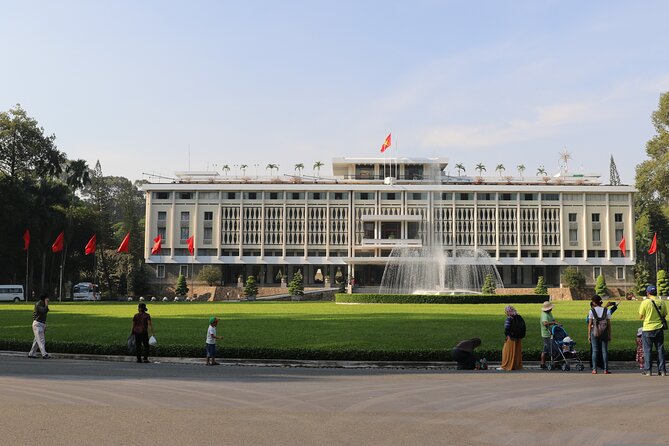
The day begins in the historic center with stops that help you understand modern Ho Chi Minh City as more than a collection of photos. You kick off at the Old Central Post Office, then keep moving through key sights that connect to the city’s layered past.
Old Central Post Office: more than a photo stop
Starting at the Central Post Office is a smart first move because it puts you in the mood for Saigon’s history right away. This is one of those places where the architecture does work for the guide. You see it as a functioning landmark, but it also acts like a marker for the city’s French colonial era.
If you like to travel with a question in mind—what changed, and what stayed?—this is a good place to begin. The guide uses the area as a reference point as the day shifts from city landmarks to wartime memory.
War Remnants Museum: heavy, but guided well
Next up is the War Remnants Museum, and this stop sets the tone for the rest of your day. The museum experience is where the history becomes specific: the war is not just an abstract event, it is shown through the evidence left behind and the impact on people.
This is also where the tour makes practical sense. If the day’s schedule forces changes later, the War Remnants Museum is still part of the plan either way—so you don’t lose the core context. You get the background you need before you ever reach the tunnels site.
The museum stop is also useful if you want to understand the language you’ll hear during the Cu Chi portion. Terms and ideas that might feel vague at first suddenly connect to what you’re seeing.
Reunification Palace and Notre Dame: when the schedule matters
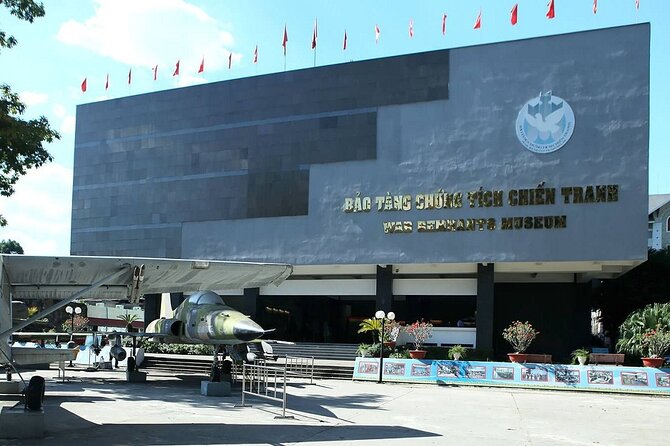
After the museum, you move through some of Saigon’s most recognizable landmarks, including the Reunification Palace and Notre Dame Cathedral. These stops are about more than sight recognition. They show you how the city’s key civic spaces were shaped by politics, war, and the long aftermath.
You can also read our reviews of more tours and experiences in Ho Chi Minh City





Reunification Palace: a major stop that can change
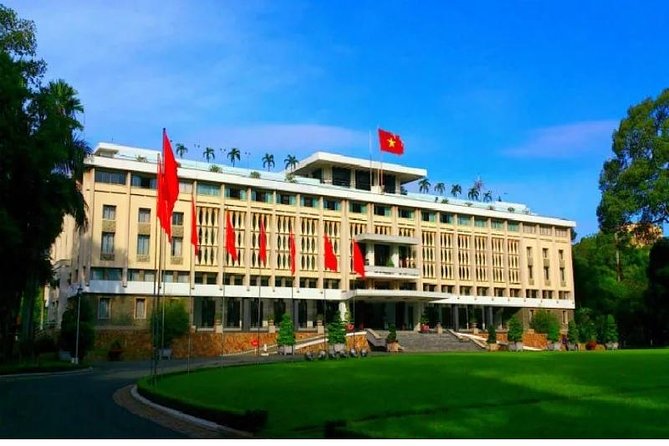
The Reunification Palace is listed as a former residence of the President. That alone makes it one of the most important places in this half of the day because it is tied to power and decision-making in a very direct way.
The practical catch: if it is closed, or if renovation and the day’s tour schedule shift, you may not see it. In that case, the tour indicates you’ll visit the War Remnants Museum instead. So if you’re building your plans around the palace, keep a little flexibility in your expectations.
I’d treat this stop like a high-value bonus rather than a guaranteed box. The tour still aims to deliver the history through other key sites if the palace can’t be done.
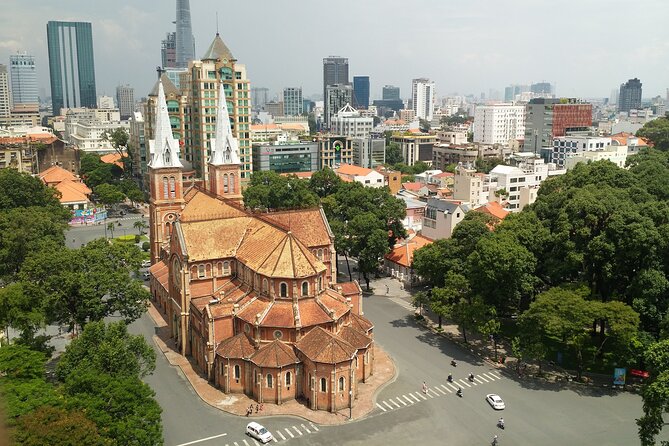
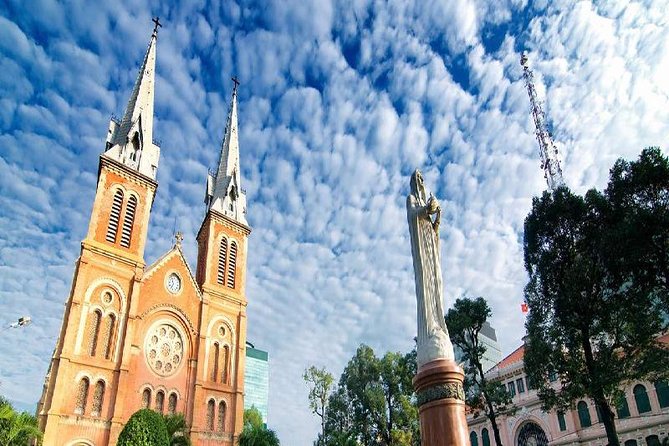
Notre Dame Cathedral and French-era architecture
After that, you continue with French colonial structures, including Notre Dame Cathedral and the Old Central Post Office. This part of the day works well because it breaks the intensity of museum time with buildings you can walk around and take in.
You might not leave with a single big takeaway, but you will get a sense of scale and style. That makes the contrast later—between the city’s dense streets and the rural tunnel landscape—hit harder.
If you like architecture or street-level atmosphere, this portion is where you can slow down a bit. It’s also a good time to look for small details your guide points out, since you’re moving through iconic landmarks that can be easy to rush past on your own.
Cu Chi Tunnels: the contrast between quiet rice land and 220km of hiding
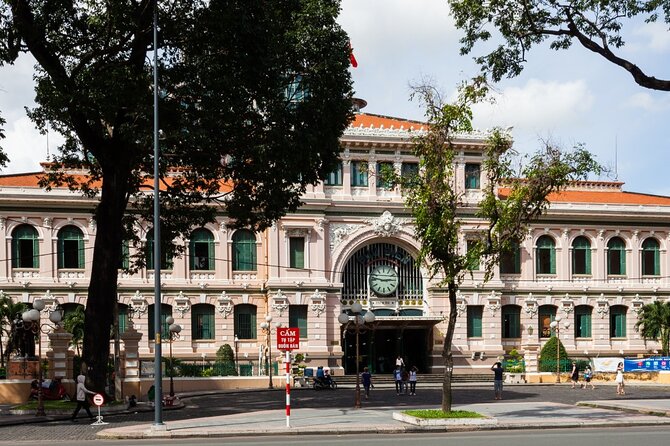
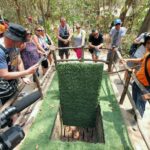
Then you’re off to Cu Chi, and the day shifts from city landmarks into the “how did people survive” reality of the tunnels. Cu Chi is now considered a heroic district for its role in the anti-American war. What makes the area famous is the tunnels system—over 220km—and how it supported fighters and operations in a way that felt built for endurance.
Why the rural scenery matters
One of the most striking things about Cu Chi is the scenery itself. You pass peaceful rice paddies with ducks and water buffalos alongside the road, and that calm can be hard to reconcile with what happened there.
That contrast is not a gimmick. It’s the point. When you see water and animals and farmland, you can better understand how destruction, bombing, and mines could be hidden in plain sight, especially when Cu Chi was called a free target zone.
I like that the tour frames this with what the remnants you see are meant to show. You’re not only hearing about war—you’re being guided through how the landscape carries evidence of the fight.
Understanding what the tunnels were for
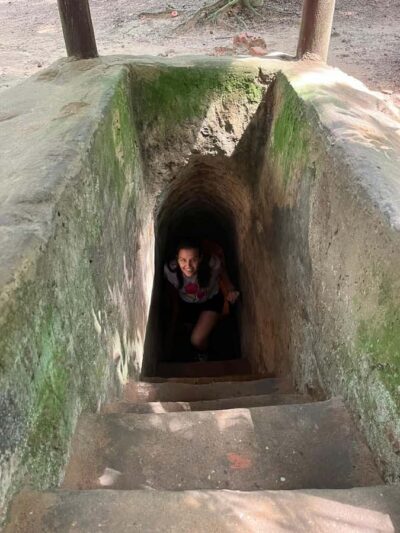
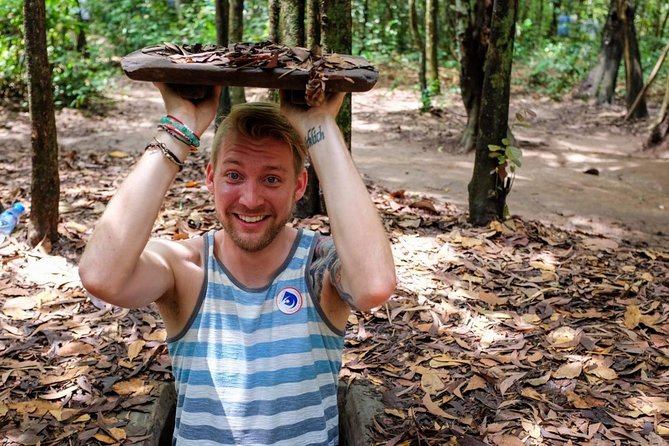
The tunnels are often described as a system, not a single hole in the ground. The tour highlights their role in the war and how they became legendary in both Vietnamese and foreign eyes.
Even if you’ve read about the tunnels before, this kind of guided visit usually helps you map the scale. When you hear about 220km, it becomes a number, not a feeling. Once you’re there with a guide explaining what the system enabled, the size starts to make sense.
Tapioca and tea: a small break with the right timing
You’ll also have tapioca and tea during the day. I appreciate this because it gives your brain a brief reset while keeping you fueled for the rest of the tour. For a 9–10 hour outing, those included breaks can make a bigger difference than you’d expect.
Lunch, bottled water, and other included comforts that add up
This is one of the better-value setups in Ho Chi Minh City because so many “annoying” add-ons are already included. Lunch is included, bottled water is included, and entrance fees are included. That means fewer decisions and fewer moments where you realize you’re spending money you didn’t budget.
The tour also includes wet tissue, which is the kind of tiny thing you always appreciate more than you think you will. You’re outdoors during parts of the day, and even with AC on the vehicle, you can end up feeling dusty and warm.
How the lunch inclusion helps your day plan
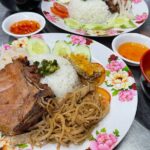
Lunch is described as Vietnamese-style cuisine. I like that it’s included because you’re not forced to break your morning flow to find food. When the schedule is built around specific timed stops, it’s smart when meal time is handled.
This also helps if you’re visiting for the first time and don’t want to spend your limited time bargaining for directions or dealing with menu confusion. You can eat, rest a little, and then keep going with the guide.
AC transport and the guide-driver team
The vehicle is air-conditioned, and the guide and driver are with you the entire tour. That matters because it cuts down waiting time between stops and makes it easier to stay on track when traffic or schedules change.
If you prefer to relax and let someone else handle the logistics, this format does that job well.
Price and value: what you get for $43
At $43.00 per person, this tour sits in a reasonable midrange for Ho Chi Minh City day trips, especially because it includes the items that usually cost extra. You’re paying for guided interpretation, entrance fees, and a full lunch setup, not just transport.
Here’s what boosts the value:
- English-speaking professional guide
- Entrance fees included
- Lunch and bottled water included
- AC vehicle
- Tapioca and tea
- Small-group experience (with a cap listed at 15 max)
The only things not included are taxes, tips, and any holiday/special occasion surcharges if they apply. So your budget stays fairly predictable, as long as you plan for tips.
If you’re comparing tours that only include transport, you’ll feel the difference quickly. This one tries to wrap the day into a single price that covers most of the friction points.
Who this tour fits best
This tour works best if you want a mix of city landmarks and war history without having to plan every stop on your own. It’s a great choice for first-timers who want the big names—Central Post Office, War Remnants Museum, Reunification Palace (if available), and Notre Dame Cathedral—plus Cu Chi with a guide to explain what you’re seeing.
You’ll also like it if you enjoy guided context. Cu Chi is not a place you just “walk through” and automatically understand. The interpretive part is the value: why the tunnels mattered, what the landscape is meant to communicate, and how the pieces connect.
It may be less ideal if you want an ultra-slow pace. At 9–10 hours, the schedule can feel rushed at moments, especially around the time-sensitive stops in the city.
Should you book Cu Chi Tunnels & Highlights City Full-Day Tour?
I think you should book if you want a practical day that handles transportation, tickets, and meals, while still giving you serious historical grounding. The strongest reason is simple: you get both Saigon highlights and Cu Chi meaning, guided in a way that turns scattered sights into a coherent story.
I’d hesitate only if Reunification Palace is a must-see for your itinerary and you cannot tolerate the risk of schedule changes. The tour notes that if it’s closed or shifted due to renovation and schedule, you’ll route to the War Remnants Museum instead, but that might not satisfy your personal priority list.
If you’re okay with a full, structured day and you want real value for your time, this is a solid pick in Ho Chi Minh City.
FAQ
What sites does this tour visit?
You’ll visit the Central Post Office, War Remnants Museum, Reunification Palace (if open), Notre Dame Cathedral, and Cu Chi Tunnels.
How long is the Cu Chi Tunnels & Highlights tour?
Plan on about 9–10 hours.
Is hotel pickup included?
Yes, pickup is offered.
What time does the tour start?
It starts at 7:30am.
Is lunch included?
Yes, lunch with Vietnamese-style cuisine is included, along with bottled water.
Are entrance fees included?
Yes, entrance fees are included.
Is the tour guided?
Yes. You’ll have a professional English-speaking guide, and the guide and driver stay with you the whole tour.
What extra snacks or drinks are included?
Tapioca and tea are included.
What is the cancellation policy?
You can cancel for a full refund up to 24 hours before the experience’s start time.
Do I need a physical ticket?
No. A mobile ticket is provided, and confirmation is received at booking.