REVIEW · HO CHI MINH CITY
Cu Chi Tunnels & Mekong Delta Small-Group Tour from Ho Chi Minh
Book on Viator →Operated by SST TRAVEL · Bookable on Viator
Crawl into history underground. I love the hands-on way you move through the Cu Chi Tunnels and how the guide makes the wartime details easy to follow. I also love the change of pace on the Mekong Delta side, with fruit, honey tea, and folk music as you drift through the waterways. One heads-up: the day is full, and if you were picturing a dedicated floating-market stop, this route may not match that exact expectation.
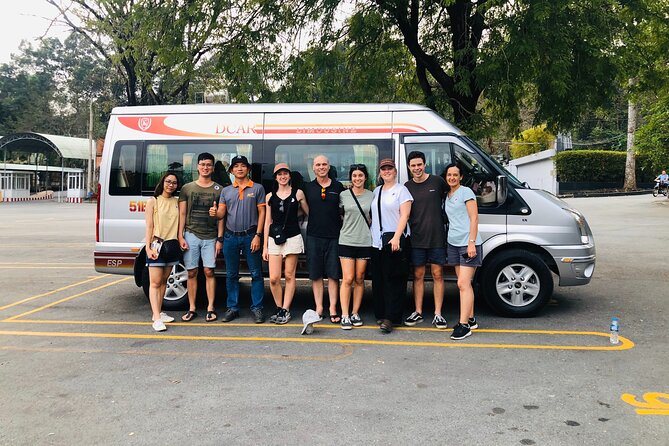
Pickup runs from central Ho Chi Minh areas (District 1 and 4), and the small group cap (up to 18 people) keeps things from feeling chaotic. I especially liked that you get a professional English-speaking guide plus clear pacing, with time for lunch and multiple river stops instead of one long bus ride with a quick photo moment.
You’re out for about 11 to 12 hours, usually returning around 7:00 PM. If you prefer a slow, flexible vacation day, treat this as an all-in experience—and plan for comfy shoes and patience for a busy schedule.
In This Review
- Key Highlights You Should Know
- Cu Chi Tunnels: seeing how the tunnels actually worked
- The tunnel details that make the visit click: kitchens, weapons, and hidden access
- Lunch and My Tho City: building a real rhythm before the river
- Tien River cruise and sampan canals: the southern Delta pace
- Coconut candy mill, seasonal fruit, and honey tea
- Folk music with locals: when the culture isn’t an afterthought
- Price and value: is $27.55 a good deal for a full day?
- Who should book this Cu Chi & Mekong small-group day trip?
- Should you book? My practical take
- FAQ
- How long is the Cu Chi Tunnels & Mekong Delta small-group tour?
- Where does hotel pickup and drop-off happen?
- What time will I be back in Ho Chi Minh City?
- What’s included in the ticket price?
- What is not included?
- Does the tour include any boat rides?
- How big is the group?
- Is this tour suitable for most people?
- What’s the cancellation policy?
Key Highlights You Should Know
- Cu Chi Tunnels access with both living areas and wartime facilities (kitchens/bedrooms side by side, weapon work, command spaces, and field hospitals)
- Trap-door and danger-awareness explanations that explain how the tunnels worked as a real defense system
- My Tho river time on Tien River with a cruise plus canal rides by wooden sampans
- Family-business stops like a coconut candy mill (plus seasonal fruit and honey tea)
- Folk music performed by locals as part of the river-region experience
- Small-group day trip format with hotel pickup/drop-off in central districts
Cu Chi Tunnels: seeing how the tunnels actually worked
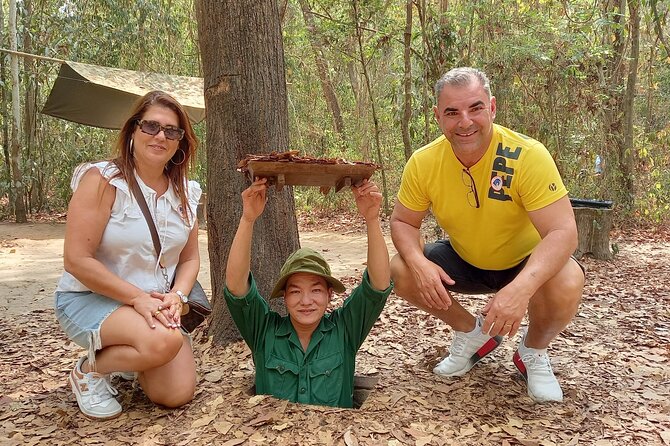
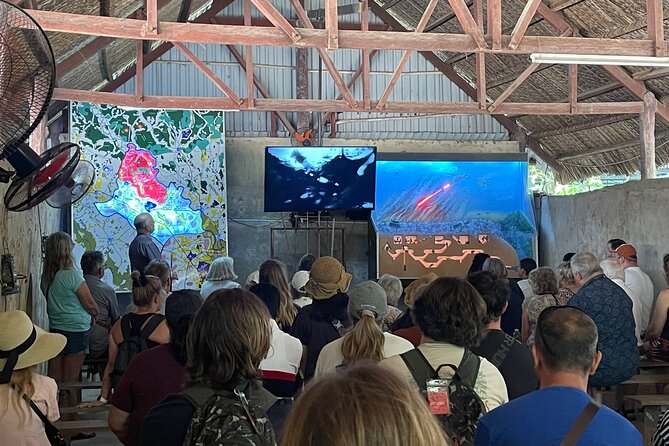
The day starts with hotel pickup and then a ride of about 1.5 hours to Cu Chi. Once you arrive, you get a short intro video first. It matters because it gives you the map in your head before you start walking into cramped spaces—so the tunnels don’t just feel like dark corridors, they start to feel like a system.
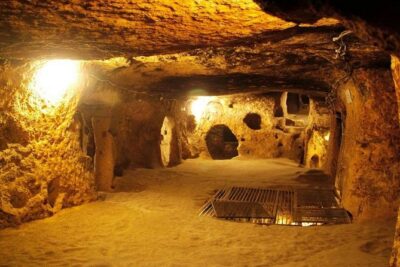
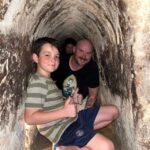
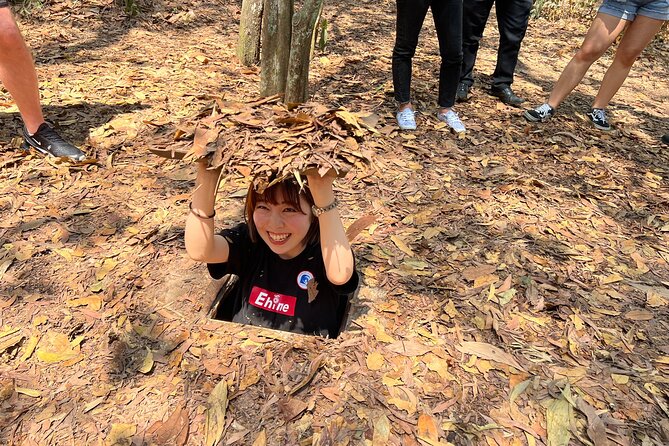
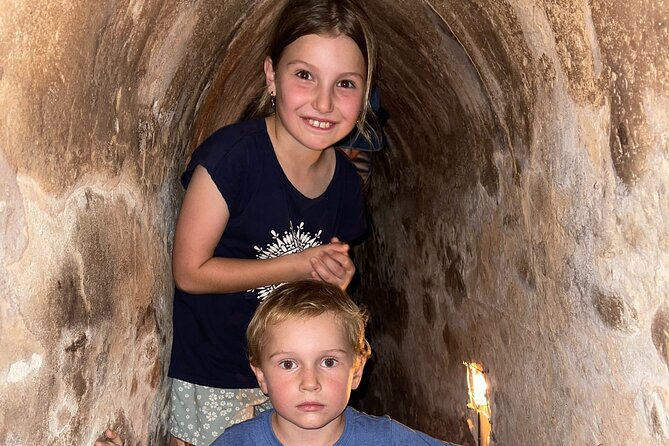
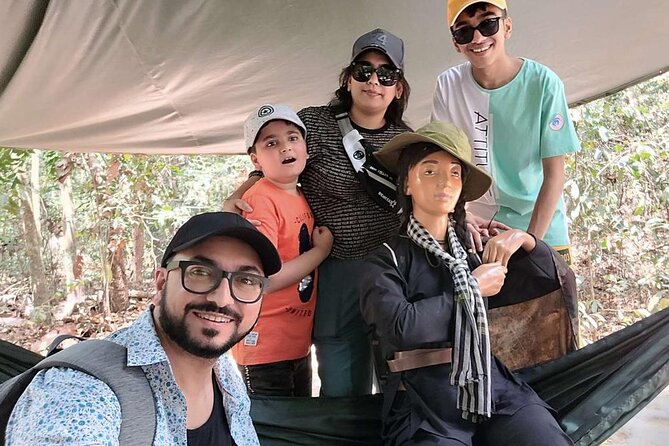
What I like most is that the visit isn’t framed as a single dramatic “war story.” It’s shown as a practical network: where people slept, where they cooked, where they managed operations, and where they hid when things got dangerous. You’re guided through a remaining area and part of the tunnel network, including living areas and martial facilities. That combination helps you understand the contrast between survival and strategy.
Your comfort level will depend on your tolerance for tight, enclosed areas and the simple fact that you’ll be walking as part of the tour. There isn’t any mention of a special off-limits experience, so most people can participate, but you should still go in with the right expectations for an underground site.
You can also read our reviews of more tours and experiences in Ho Chi Minh City.
The tunnel details that make the visit click: kitchens, weapons, and hidden access
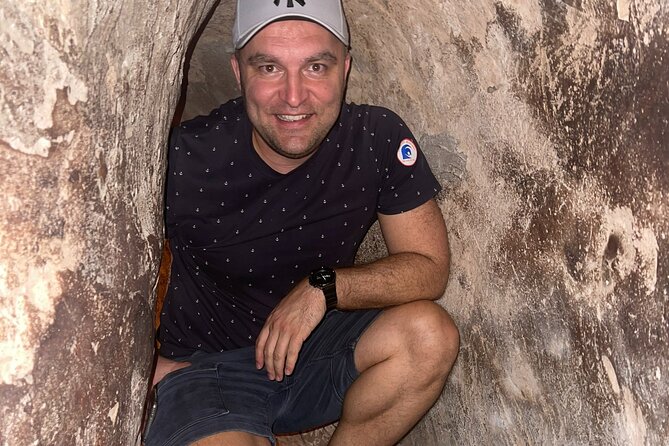
A big reason this stop lands well is the specific way it’s explained. Inside the tunnel area, you’re shown living spaces like kitchens and bedrooms side by side, which is the kind of detail that makes history feel real and close. It’s not just “people hid underground.” It’s “they tried to keep daily life going while staying ready to respond.”
Then the tour moves into wartime functions: weapon factories, storage, command centers, and field hospitals. When you see these categories together, you get a clearer picture of how the guerrillas could keep operating without needing a traditional city-style layout.
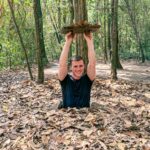
One of the most memorable parts for me is the focus on traps and hidden trap doors. That section is important because it explains why the tunnels weren’t just protective—they were also defensive. You learn how the maze-like design and hidden access points helped keep the network secure, even under pressure.
Guides can make a huge difference here, and the better ones do two things. They keep the pace steady, and they connect the wartime context in a way that doesn’t feel like a classroom lecture. Guides like Haley and Kevin were specifically praised for staying organized and helping make the north-versus-south political background easier to grasp during the bus segments, which helps you follow the story as you move through the tunnels.
Lunch and My Tho City: building a real rhythm before the river
After the tunnel visit, you head to lunch at a local restaurant. This isn’t just a break; it’s part of the value. A lot of long day trips in Vietnam turn lunch into a quick stop that barely resets your energy. Here, the program includes a meal with authentic Vietnamese flavors and specialties, so you get fuel before the watery sightseeing portion.
Then you move toward My Tho city. That’s where the schedule shifts from “history in one location” to “river region experiences.” The pace becomes calmer, even though the itinerary keeps rolling. If you’re someone who likes to balance intense sightseeing with a change of scenery, the My Tho transition is one of the smarter parts of the day.
One practical note: because the day is structured and time-based, you won’t have hours to wander freely on your own. So if you love solo exploration time, you’ll want to use the guided moments well and then enjoy any brief walk-around windows rather than expecting free-form time.
Tien River cruise and sampan canals: the southern Delta pace

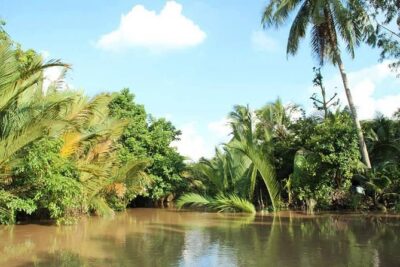
Next up is a leisurely cruise along Tien River. It’s the kind of segment that helps your brain reset after the tunnels. The river view also gives you a sense of scale—this is a region built around waterways, not just roads.
After the cruise, you visit a coconut candy mill, described as a family business. That stop is short and hands-on in feel, so it works as a “snack-and-learn” moment rather than a long detour.
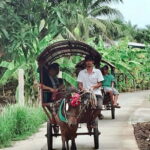
Then you board wooden sampans for smaller canal rides. This is where the southern Delta atmosphere tends to come through: narrower waterways, slower movement, and a more intimate feel than a big boat cruise. You also get to savor seasonal fruits and sip honey tea while you’re in that river rhythm.
Important realism check: this program does include river cruising and small canal rides, but it doesn’t list a floating-market stop as a core activity. If your plan is built around seeing a market scene on boats, you might end up a bit disappointed. The upside is that you’re still getting a genuine river experience—fruit, tea, canals, and music—without turning the trip into a single commercial set piece.
Coconut candy mill, seasonal fruit, and honey tea
This day trip has a nice mix of food-and-culture stops that don’t feel random. The coconut candy mill adds a tangible connection to what people here actually make and sell, and being a family business gives the stop a personal feel even if the time is limited.
Then you get seasonal fruit plus honey tea. Those aren’t just snacks. They fit the theme of the Delta: sweet flavors, local ingredients, and small comfort moments that make the trip feel less like a checklist.
If you’re a picky eater, you’ll likely still be fine. The itinerary doesn’t mention anything unusual or extreme—just fruit and honey tea. Do keep in mind you’ll be out all day, so treat lunch plus these tastings as your main sustenance.
Folk music with locals: when the culture isn’t an afterthought
One of the best parts of this tour format is that you don’t only learn about Vietnam in the tunnel section and then leave culture behind. You also get folk music performed by locals during the river-region portion.
This matters because it changes the emotional tone of the day. The Cu Chi portion is heavy and intense. The music and river setting shift the mood into something lighter and more human. It’s also easier to remember because you’re experiencing it with sights and sounds around you, not just in a fixed venue.
A good guide helps here too. Guides who can explain what you’re hearing and why it belongs to this region make the music moment more than entertainment. The repeated praise for guide enthusiasm—especially names like Robert, Haley, and Ken—points to this being a strength of the program.
Price and value: is $27.55 a good deal for a full day?
At $27.55 per person, this tour is priced like a bargain, but the value isn’t just about cost—it’s about what’s bundled.
You get hotel pickup and drop-off (center of District 1 and 4), a professional English-speaking guide, lunch, admissions, and boat time including a motorboat trip plus a small rowboat trip. You also get fruit and honey tea. That’s a lot of “usual add-ons” rolled into one price.
What’s not included is tips and gratuities, and the shooting gun at Cu Chi Tunnels. If you’re interested in that, you’ll need to budget separately. Still, even without the shooting option, the combo of tunnels + My Tho river time + guided explanations + lunch tends to add up to solid value.
The biggest trade-off for the price is density. This is a long day with multiple segments, so you won’t slow down for detours. But if you want a lot of ground covered in one shot—especially on a first trip to Ho Chi Minh—this is one of the more cost-effective ways to do it.
Who should book this Cu Chi & Mekong small-group day trip?
This tour fits best if you:
- Want a one-day way to combine Cu Chi history with the Delta experience around My Tho
- Like guided context more than going totally independent
- Enjoy river sightseeing with food stops (fruit, honey tea) and cultural moments (folk music)
It may be less ideal if you:
- Want a relaxed day with lots of free time for wandering
- Are specifically targeting a floating-market stop as the headline of the trip
- Don’t want a long 11 to 12 hour schedule
Group size (max 18) is a plus here. You still feel like you’re part of a group, but it’s not the big-crowd chaos that can make stops feel rushed.
Should you book? My practical take
If you want a structured, high-value day that covers both a major historical site and a classic southern Vietnam river itinerary, I’d say this is a strong pick. The Cu Chi section is more than walking and photos because you learn how the tunnels supported both daily life and operations, including the trap-and-defense logic. Then the day loosens up with a cruise, canal rides, and food-and-music moments that feel tied to the place rather than stapled on.
Before you book, decide what you want from the river segment. If your dream is a boat-based market scene, double-check your expectations since the listed activities emphasize cruising, canals, and local treats instead. If you’re good with that, the overall mix is very hard to beat for the time and price.
FAQ
How long is the Cu Chi Tunnels & Mekong Delta small-group tour?
It runs about 11 to 12 hours.
Where does hotel pickup and drop-off happen?
Hotel pickup and drop-off are offered at the center of District 1 and 4.
What time will I be back in Ho Chi Minh City?
You return at approximately 7:00 PM.
What’s included in the ticket price?
Included are hotel pickup/drop-off (center of District 1 and 4), lunch, a professional English-speaking guide, admission to attractions, a motorboat trip, a small rowboat trip, fruit and honey tea, and an optional vehicle.
What is not included?
Tips and gratuities are not included, and shooting gun at Cu Chi Tunnels is not included.
Does the tour include any boat rides?
Yes. The itinerary includes a motorboat trip and a small rowboat trip.
How big is the group?
The tour has a maximum of 18 travelers.
Is this tour suitable for most people?
Most travelers can participate.
What’s the cancellation policy?
You can cancel for a full refund if you cancel at least 24 hours in advance. If you cancel less than 24 hours before the start time, the amount paid is not refunded.