REVIEW · HO CHI MINH CITY
Cu Chi Ben Duoc Tunnels: Authentic & Less Touristy (Max 10)
Book on Viator →Operated by Hana Tourist Vietnam · Bookable on Viator
The Cu Chi tunnels hit different down below. This small-group Ben Duoc tour shows the war-era underground life in a quieter, bigger-complex part of the Cu Chi network, with guides like Ken and Tri bringing the place to life.
What I like most is the practical focus: you get real tunnel time instead of bouncing around a crowd scene.
I also like the built-in comfort and value. Hotel pickup (from 400+ hotels) plus an air-conditioned ride, entrance tickets, water, and a wartime snack of tapioca and tea mean you spend less mental energy on logistics.
The main thing to keep in mind is timing. The drive can take a solid chunk of your day (often around 3–3.5 hours each way, depending on traffic), and you may have some extra stops before you reach the tunnels.
In This Review
- Key highlights at Ben Duoc (better than the usual crowds)
- Why Ben Duoc Tunnels feel more real than the mainstream sites
- Price and what the $21 buys you in real terms
- How the pickup and drive shape your whole day in HCMC
- Arrival day brief: documentary, then straight into the tunnels
- The tunnel walk itself: narrow, tactical, and unforgettable
- Wartime rooms and “the whole operation” feeling
- Cassava and tea break: simple food, strong context
- Shooting range is optional, and it may not always run
- War Remnants Museum add-on for morning tours
- What to wear and how to judge your own tunnel comfort
- Guide differences: Ken, Tri, Nhu, and Linda can change everything
- Should you book this Ben Duoc tour from Ho Chi Minh City?
- FAQ
- FAQ
- How long is the Cu Chi Ben Duoc tour from Ho Chi Minh City?
- Do you get hotel pickup?
- Is the entrance ticket included?
- What’s included with the tunnel visit itself?
- Is the shooting range included in the price?
- Does this tour include the War Remnants Museum?
Key highlights at Ben Duoc (better than the usual crowds)

- Ben Duoc instead of Ben Dinh: a bigger, less touristed section of the Cu Chi tunnels
- Max group size of 10: easier pacing and more room to hear your guide
- Tunnel crawling is the point: narrow stretches, stooping, and dirt/mud underfoot
- You see the full underground story: command center, weapon storage, and a hospital bunker
- Wartime snack included: cassava (tapioca) and tea during the visit
- Optional add-ons depending on tour time: War Remnants Museum for morning tours; shooting range is extra
Why Ben Duoc Tunnels feel more real than the mainstream sites
Ben Duoc is often the answer if you want Cu Chi without the circus vibe. This tour goes to a quieter portion of the famous Cu Chi tunnels, and it’s not just a token stop—you explore a tunnel complex that’s described as bigger than Ben Dinh.
The biggest difference you’ll feel is tone. At Ben Duoc, the underground layout is presented as something people actually lived with: hiding, moving, storing, treating injuries, and running operations from within a cramped network. That context matters, because it turns the tunnels from “cool photos” into a clear picture of survival.
You can also read our reviews of more tours and experiences in Ho Chi Minh City.

Price and what the $21 buys you in real terms
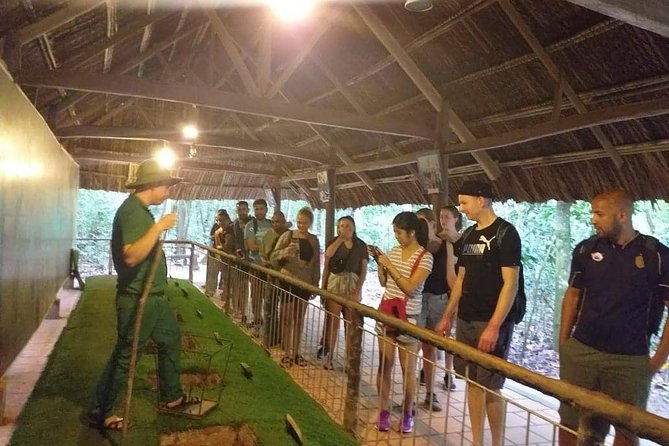
$21 per person sounds almost too low for a half-day experience out of Ho Chi Minh City. The value here comes from the bundle: you’re not just paying for entry. You get an English-speaking guide, an air-conditioned vehicle, entrance tickets, drinking water, and cool tissue, plus the included wartime snack.
There’s also an optional layer if you want it. Shooting at the range (AK-47 or M16) is extra, so you can decide based on your comfort level and interest. Tips/gratuities for the local guide aren’t included, so that’s part of your own planning.
For many people, the real “value win” is the smaller group size. When your group is limited (max 10), you spend less time waiting and more time actually listening and moving through the site.
How the pickup and drive shape your whole day in HCMC
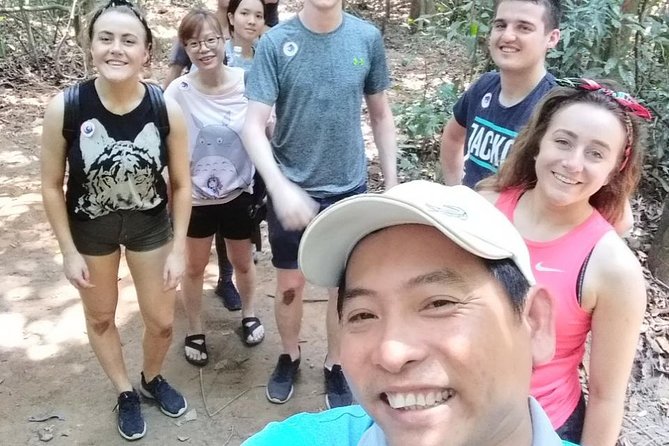
This tour runs with two timing options: a morning departure and a midday departure. Morning tours pick you up around 7:30–8:00 and finish around 14:30. The noon option picks up around 12:00–12:30 and finishes around 19:00.
Either way, plan for the ride. The drive between HCMC and the tunnels is commonly described as a 3–3.5 hour stretch each way, traffic permitting. That’s not a flaw in the tour—it’s just the geography plus city traffic. If your schedule is tight, pick the departure time that matches your remaining energy for the day.
One practical plus: pickup can be arranged from a large number of hotels across Ho Chi Minh City, so you’re not scrambling for a meeting point at the last second. You’ll also be in an air-conditioned vehicle, which matters once the heat builds.
Arrival day brief: documentary, then straight into the tunnels

When you arrive at the Ben Duoc complex, you start with a short documentary about the war. That quick setup is more useful than it sounds. It helps you understand what you’re about to crawl through, and why some areas are narrow, confusing, or built for concealment.
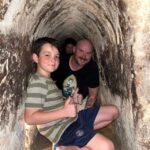
Then the physical part begins. You’ll move from viewing to doing: exploring the tunnel network and seeing how the underground was organized. You should expect to stoop and crawl, and it can get tight—this is not a “walk-through museum hallway” experience.
Also, the guide-led approach helps with timing and comfort. Some tours include options based on comfort level, so you can choose how much of the smaller tunnel sections you take on.
The tunnel walk itself: narrow, tactical, and unforgettable
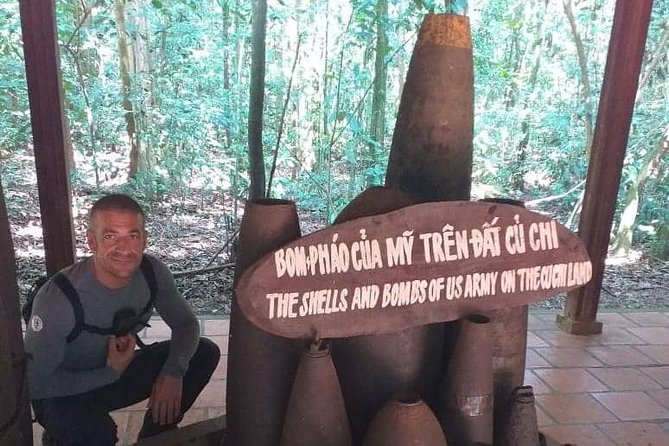
This is where Ben Duoc earns its reputation. You don’t just look at tunnels—you go into them. Expect narrow underground stretches where you have to stoop down and crawl.
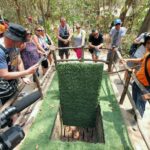
As you move deeper, you’ll spot elements designed to protect the network, including camouflaged trapdoors and traps. Those details tend to stick with people because you can visually connect the structure to the purpose: conceal movement, stop pursuit, and survive longer than an exposed position would allow.
You’ll also visit key functional areas underground, including:
- a command center
- weapon storage
- a hospital bunker
In other words, you see more than hiding tunnels. You see how the system supported fighting, treatment, and organization.


Wartime rooms and “the whole operation” feeling
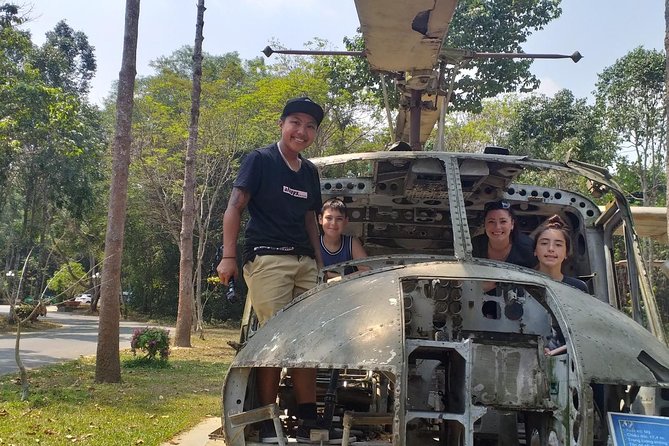
One reason this tour stands out from simpler Cu Chi outings is how it presents the tunnels as a complete working environment, not only a route for escape. You may encounter underground rooms that function like sleeping or operational spaces, plus areas tied to medical care and defense.
Even if you only spend a limited amount of time inside, you’ll likely come out with a stronger sense of daily underground life. That’s the “I get it now” moment: the tunnels aren’t just for dramatic action. They were built for sustained hiding and continued operations.
And because the group stays small, you typically get to move without feeling like you’re being pushed through as fast as possible.
Cassava and tea break: simple food, strong context
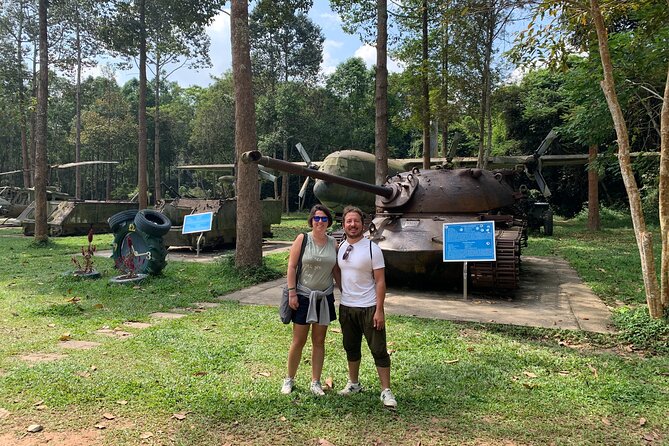
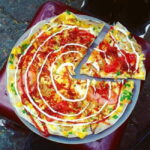
After time underground, you get a wartime snack of tapioca and tea—something that mirrors what Vietnamese soldiers ate during the conflict. It’s included, and it’s not just a token cookie stop.
This snack is useful because it anchors the day back to human scale. After hours of crawling and learning about traps and bunkers, having something warm and simple helps you reset. It also makes the experience feel less like pure sightseeing and more like a timed story: enter the world, see how it worked, then step back out.
Shooting range is optional, and it may not always run
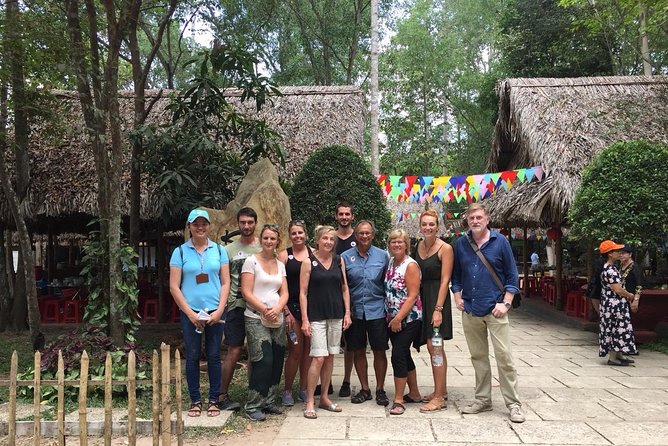
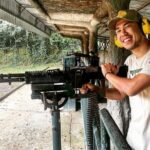
If you want the extra adrenaline, there’s an optional shooting range where you can shoot AK-47 or M16 for an additional fee. You should treat this as a separate add-on, not part of the core tunnel experience.
In practice, the shooting portion tends to be brief. People who don’t want to shoot can wait in the air-conditioned vehicle nearby, so you’re not stuck out in the heat while others do it.
One caution: during some celebrations, the shooting range has been reported as closed. If this matters to you, consider choosing your trip dates thoughtfully, or plan to enjoy the tunnels even if that add-on isn’t available.
War Remnants Museum add-on for morning tours
Morning shared tours can include a stop at the War Remnants Museum. It’s positioned around noon, with about one hour to explore on your own—reading information, viewing photos, and watching videos.
You can also purchase an audio guide for extra context. This part works best as a follow-up to the tunnels because it helps you zoom out: tunnels show how people survived on the ground, and the museum adds broader historical framing.
If you’re the type who likes to understand cause and impact (not only “what happened here”), this add-on is a smart pairing. If you prefer a lighter day with no museum time, the noon tour option avoids that.
What to wear and how to judge your own tunnel comfort
This tour rewards good preparation. You’ll want footwear that can handle crawling in dirt/mud and uneven ground. Reviews consistently point people toward good walking shoes and away from flimsy footwear.
The tunnels are narrow. That means:
- expect stopping to breathe and adjust positions
- be ready to stoop and crawl
- plan for dust and dirt on your clothes
Most importantly, decide based on your body. If you have leg or knee problems, you might not be able to go into all tunnel sections. On some tours, the guide keeps things flexible, so you won’t necessarily be forced into the very smallest sections if you don’t want to.
My practical takeaway: wear clothing you don’t mind getting scuffed or dirty. Bring your expectations down to earth. This is an underground experience, not a clean lab tour.
Guide differences: Ken, Tri, Nhu, and Linda can change everything
The tunnels are physical, but the guide is what makes the visit stick in your head. On this tour, you’re often dealing with English-speaking guides who tell the story clearly and keep the group moving.
Names that come up often include Ken and Tri, plus guides like Nhu and Linda. What people appreciate is the mix of context and pacing—explaining why the tunnels were built a certain way, and then guiding you through the experience without pressuring you to do more than you’re comfortable with.
There’s also a communication advantage. Some guides are proactive about pickup timing (including WhatsApp messages and quick heads-up before arrival). That reduces stress on a day that already includes long travel time.
Should you book this Ben Duoc tour from Ho Chi Minh City?
I’d book it if you want Cu Chi with fewer crowds, more real tunnel time, and a guide who connects the underground layout to what people were trying to do during the war. The small-group cap (max 10) is a big plus if you hate feeling rushed. The included snack and practical setup also make it a solid value at $21.
I’d think twice if you’re extremely sensitive to long drive days or if you need a very polished, no-detours experience. There has been at least one complaint about pacing and extra roadside stops that weren’t expected, and traffic can stretch travel time. Going in with flexible expectations helps.
If you’re on the fence, here’s the simplest decision rule:
- If you can handle crawling and want a more human, less commercial Cu Chi visit, Ben Duoc is a strong pick.
- If you need a low-mobility experience or hate the idea of crawling through narrow spaces, you may not get the full benefit.
FAQ
FAQ
How long is the Cu Chi Ben Duoc tour from Ho Chi Minh City?
The tour runs about 6 to 7 hours. Morning tours pick you up around 7:30–8:00 and finish around 14:30, while the noon option picks up around 12:00–12:30 and finishes around 19:00.
Do you get hotel pickup?
Yes. You can arrange hassle-free pickup from 400+ hotels in Ho Chi Minh City. If not using pickup, there is a listed meeting point.
Is the entrance ticket included?
Yes. Entrance fees are included, along with an English-speaking guide, air-conditioned vehicle, drinking water, and cool tissue.
What’s included with the tunnel visit itself?
At Ben Duoc, you’ll watch a short documentary, explore the tunnel system, and have an included wartime snack of tapioca/cassava and tea. You’ll also see areas like a command center, weapon storage, and a hospital bunker.
Is the shooting range included in the price?
No. Shooting AK-47 or M16 at the range is optional and comes with an additional fee.
Does this tour include the War Remnants Museum?
It can, but only for the morning shared group tour option. You’ll have about one hour to explore the museum on your own around noon.