REVIEW · HO CHI MINH CITY
Cu Chi Tunnels Guided Tour – Explore Vietnam War History
Book on Viator →Operated by HAPPY PLUS TRAVEL · Bookable on Viator
Underground answers are waiting at Cu Chi. This guided day trip turns Vietnam War history into something you can actually picture, from documentary context to the feeling of moving through a real underground maze, while the area around Cu Chi feels calm today. I really like the AC pickup and drop-off from central Saigon, and I also like how the English-speaking guides (like Mr Le, James, and Jacky Hieu) keep things clear and human, not just dates and facts.
The snack and workshop stop is another big win. You get tea and tapioca the way guerrillas ate it, plus you’ll see a rice paper workshop that adds local flavor to a heavy topic. One possible consideration: this is a 6–7 hour tour focused on tunnels, trap doors, and weapon/trap explanations, so if you prefer a lighter pace, you may want to plan downtime later.
In This Review
- Key Things You’ll Notice on This Cu Chi Tour
- A Private Cu Chi Day Trip From Ben Thanh Market
- Ride to Cu Chi: AC Comfort and War Stories on the Way
- Documentary First: Getting Context Before You Go Underground
- The Tunnel Maze: Trap Doors, Hidden Passages, and What It Meant
- Living Underground: Kitchens, Hospitals, and Command Posts You Can Point To
- Tea, Tapioca, and a Rice Paper Workshop Break the Day
- Price and Value: Is $23 Really Enough?
- Logistics That Actually Matter: Pickup, Timing, and Private Group Flow
- Who This Tour Fits Best (And Who Might Want Another Option)
- Should You Book Happy Plus Travel’s Cu Chi Tunnels Tour?
- FAQ
- How long is the Cu Chi Tunnels guided tour?
- What’s included in the price?
- Where does the tour start and end?
- Is pickup included?
- Is the shooting range included?
- What is the cancellation policy?
Key Things You’ll Notice on This Cu Chi Tour
- Hotel-center pickup by AC car so you don’t waste time wrestling with buses or taxis
- Documentary film first, then you move into the tunnel world with context
- Living areas you can see, including kitchens, bedrooms, storage, and field-hospital spaces
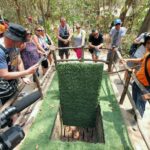
- Trap doors and dangerous traps, explained inside a maze-like underground setup
- Tea and tapioca snack, plus a rice paper workshop that connects war-era food to Vietnamese everyday life
- English guide storytelling, with praised guides such as Mr Le, James, and Jacky Hieu
A Private Cu Chi Day Trip From Ben Thanh Market
This tour is built for an easy, straightforward day out of Ho Chi Minh City. It starts at Ben Thanh Market (District 1), and the tour ends back at the same meeting point. If you’re staying in the center of Saigon, you also get free pickup and drop-off from the center area.
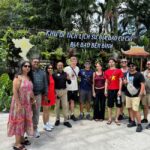
The “private” angle matters here. It means it’s just your group, not a rotating mix of random strangers. That often makes the Q&A better. You can ask about how the tunnels were used, how people lived inside, and what the underground locations were meant to do, without feeling like you’re shouting over a crowd.
The duration is also practical: plan for about 6–7 hours. For many people, that’s the sweet spot—enough time to see the tunnel sections and get the food/workshop stop, without feeling like your whole day disappears.
And yes, it’s tied to Vietnam War history in a very direct way. You’re going to the Cu Chi Tunnels and learning how the underground network supported life, movement, and operations during the war. Today, the area feels more peaceful, but you’ll still be reminded what “the past” meant down there.
You can also read our reviews of more guided tours in Ho Chi Minh City

Ride to Cu Chi: AC Comfort and War Stories on the Way
The drive is part of the value, not just the boring bit between places. You leave Saigon in an AC car, and the plan is about 60 km / 1.5 hours to reach the Cu Chi Tunnels area. That matters in heat and traffic, because you arrive ready to focus instead of already exhausted.
On this tour, the guide isn’t quiet on the road. If you get Mr Le, James, or Jacky Hieu, you’ll likely hear lots of historical facts during the ride to the tunnels. That pre-loading helps. When you walk into the underground spaces later, you’re not guessing what you’re looking at—you already have a framework for how it worked.
Also, the tour includes bottled water. It’s a small thing, but it’s the kind of small thing that makes the day feel smoother. When you’re learning for hours and moving around, having water ready keeps the tour comfortable.
One more practical note: you’re traveling with an organized schedule—documentary film at the start, then tunnel exploration, then food and the rice paper stop. That structure keeps the day from turning into a “wing it” situation where you miss key parts.
Documentary First: Getting Context Before You Go Underground
The tour begins at the Cu Chi site with a documentary film. That choice is smart. Underground locations can be confusing if you just arrive and start wandering. The documentary gives you a baseline for the tunnel system and the overall idea of how people survived and operated underground.
From there, you’ll move into the constructed living areas. This is where you start seeing the tunnels not as scary holes in the ground, but as functional spaces: kitchens, bedrooms, storage zones, weapons factories, field hospitals, and command centers. Those labels matter because they show the tunnels weren’t only for hiding. They were built for work, care, planning, and daily survival.
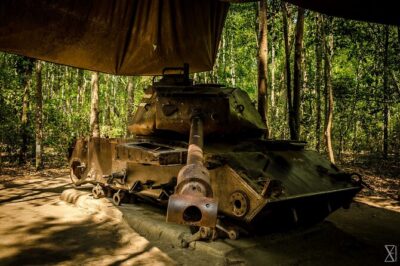
This is also the moment when the tone of the day settles in. You’ll see and hear explanations related to weapons and traps, including handmade weapon and trap details. If you’re sensitive to war-related content, this tour leans direct. You’re not just sightseeing—you’re learning how the underground system supported wartime life.
The Tunnel Maze: Trap Doors, Hidden Passages, and What It Meant
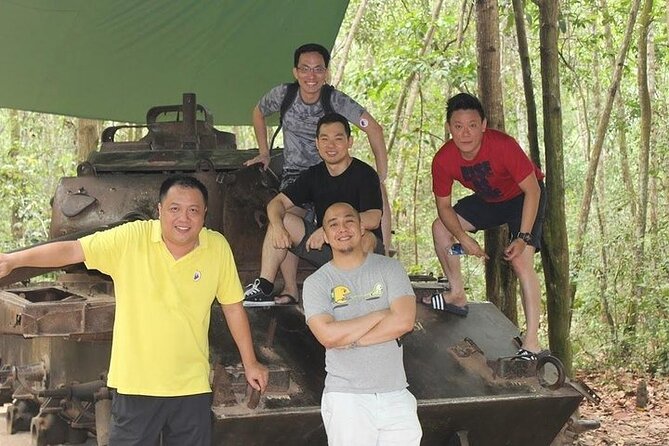
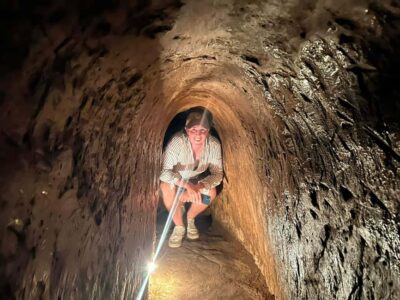
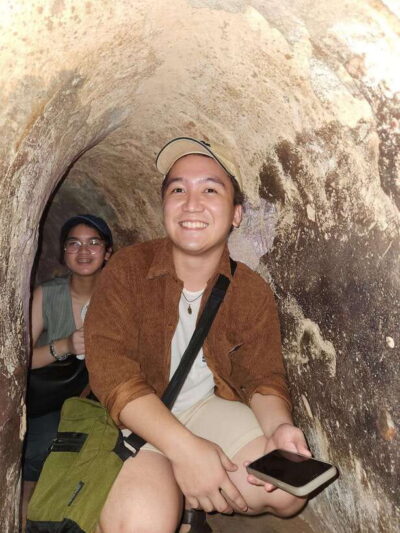
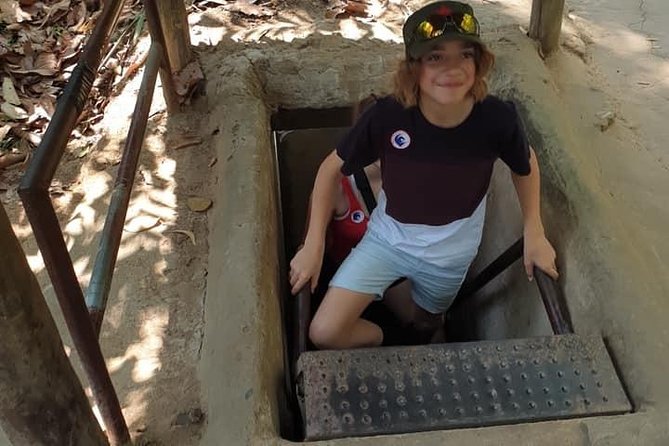
The core experience is exploring the underground town and the maze-like tunnels. Expect to see hidden trap doors and dangerous traps within the tunnel network. Even when it’s explained at a safe distance, the idea lands: these spaces were designed for more than shelter.
The tour guides put emphasis on how the tunnels worked as a system. You’ll learn about the maze structure and how trap placements supported security and strategy. You’ll also hear about the weapons and traps, including how some devices were made by hand.
This part of the experience is intense in a mental way, not just physical. You’ll be picturing movement under pressure, deciding how to travel through narrow spaces, and understanding why certain sections were built the way they were. The best moments here happen when the guide ties an object or passage to a real function, like turning hiding spots into movement routes or turning limited space into workable “rooms.”
The payoff is that you walk away with a mental map. You understand the difference between living spaces and operational spaces. You also understand why so many visitors leave feeling that Cu Chi was both harsh and inventive.
Living Underground: Kitchens, Hospitals, and Command Posts You Can Point To
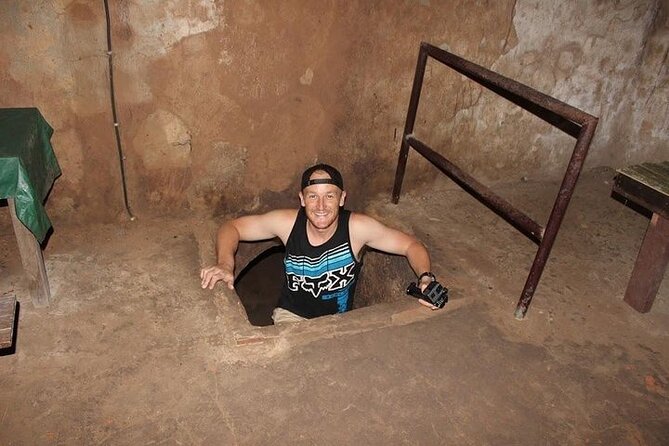
One of the strengths of this particular tour is that it doesn’t only focus on the dramatic parts. It also spends time on the everyday infrastructure. You’ll discover special constructed living areas, and the tour highlights practical zones such as kitchens, bedrooms, and storage.
Then it shifts into the wartime necessities: weapons factories, field hospitals, and command centers. Those stops help you grasp something important. The tunnel network wasn’t only about concealment. It supported ongoing activity and made it possible for people to keep going even when conditions above ground were hostile.
This is where the guide’s storytelling really helps. If you’re with someone like James or Jacky Hieu, the explanations tend to connect the dots. You’ll likely hear how these spaces fit together, and why the construction approach allowed people to function under constant threat.
Even if you’re not a Vietnam War specialist, this structure is easy to follow. You’re shown a labeled space, you hear what it was for, and then you move to the next part of the system. It keeps the day from becoming a random walk through dark hallways.
You can also read our reviews of more historical tours in Ho Chi Minh City





Tea, Tapioca, and a Rice Paper Workshop Break the Day
After the underground parts, the tour shifts gears to food and local craft. You’ll visit a rice paper workshop, which adds something noticeably Vietnamese to a day that’s otherwise heavy.
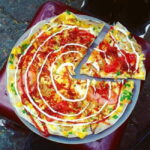
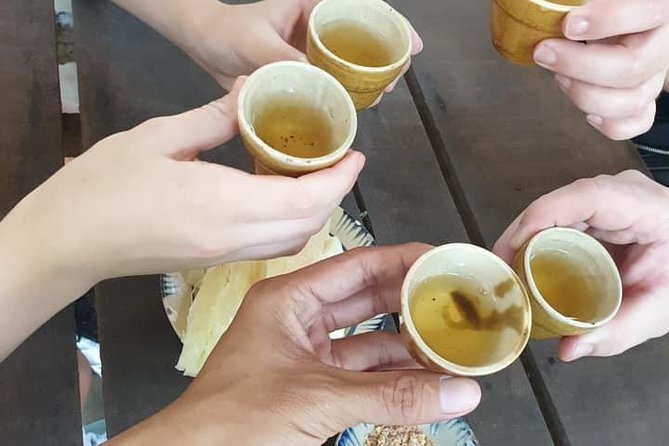
Then you get a light snack at Cu Chi: tea and tapioca. The tour specifically frames tapioca as guerrilla food during the war. That detail turns a simple snack into a lesson. You’re not just eating; you’re tasting a connection between wartime necessity and a food that still exists today.
This is also a smart pacing move. After hours of tunnel explanations and trap talk, you need a reset. Tea can help you slow down, and tapioca gives you quick energy without weighing you down.
If you like tours that blend history with everyday culture, this stop is a major plus. It helps the day end on something warm and human, not only on underground darkness.
Price and Value: Is $23 Really Enough?
At $23 per person, this Cu Chi Tunnels guided tour is priced like a budget-friendly day out—yet it includes several items that usually cost extra elsewhere. You get:
- entrance fee to the Cu Chi Tunnels
- a light snack (tapioca) and tea
- bottled water
- helpful English-speaking guide
- free pickup and drop-off in central Saigon
- an AC car
For many visitors, that’s the real value: fewer add-on surprises. You’re paying for the essentials—transport, entry, and guided interpretation—rather than buying them one by one.
The timing also looks reasonable. The average booking window is about 9 days in advance, which suggests it’s popular but not last-minute chaotic. Booking earlier can be smart if you want a specific guide or a time that fits your itinerary.
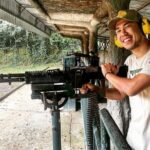
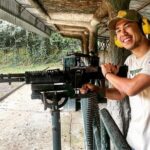
One thing to watch: the bullet fee at the shooting range is optional and not included. If you’re tempted by the shooting range, plan on extra spending. In a day where you already have fixed stops, adding an optional activity can shift your time and budget.
Logistics That Actually Matter: Pickup, Timing, and Private Group Flow

This tour is designed around a clear start and end. You meet at Ben Thanh Market, and you return there at the end. Pickup and drop-off are included for central Saigon, and you travel by a good quality AC car.
Duration is set for about 6–7 hours total, with the core tour around 6 hours listed alongside admission. That’s long enough for the documentary, tunnel areas, traps, and the rice paper and snack stops, but not so long that it feels like a full-day endurance challenge for everyone.
The tour also offers a mobile ticket. That means you’re not juggling printed vouchers in a busy place.
Most people can participate. And because this is private and only your group joins, the experience often feels more tailored. You can ask questions and get answers that match what your group wants to understand most—tunnels, living conditions, or how the system worked.
Who This Tour Fits Best (And Who Might Want Another Option)
This Cu Chi Tunnels guided tour fits well if you want Vietnam War history without the stress of organizing transportation and entry details on your own. You get a guided structure, language support, and the tunnel walk explained in a way that’s easier to follow than a solo visit.
It also works nicely for families when the guide is energetic and clear. If you’re traveling with kids or multi-age groups, having a guide like those mentioned—warm, friendly, and fun—can make the day feel more manageable.
This might be less ideal if you’re looking for a purely relaxing sightseeing day. The tunnel sections focus on trap doors, traps, weapons, and wartime survival spaces. That can feel intense mentally. It’s not graphic in the information provided, but the subject is undeniably war-related.
If you prefer “light history,” you might pair this with another activity later that’s more about calm streets, cafés, or markets to balance the mood.
Should You Book Happy Plus Travel’s Cu Chi Tunnels Tour?
If you’re trying to get the best combination of organization + interpretation + included costs, I’d say it’s an easy yes. The big win is the mix of tunnel exploration and guided explanation, plus practical comfort like AC transport and bottled water.
I’d especially consider booking if:
- You want an English-speaking guide who can explain the tunnel layout and the purpose of the spaces.
- You care about context before you walk underground (the documentary helps).
- You like when history includes a real food and craft stop, not only buildings.
I’d think twice if:
- You want a short tour or a low-intensity experience.
- You’re not comfortable with war-related details such as weapons and traps being discussed during the visit.
If you want a straightforward, well-supported day from central Ho Chi Minh City to Cu Chi, this one hits the practical notes while keeping the learning part active.
FAQ
How long is the Cu Chi Tunnels guided tour?
The duration is listed as about 6 to 7 hours (with about 6 hours noted for the tour experience, including admission).
What’s included in the price?
Admission to the Cu Chi Tunnels, an English-speaking guide, bottled water, and a light snack with tapioca and tea are included, along with free pickup and drop-off in the center of Saigon.
Where does the tour start and end?
The meeting point is Ben Thanh Market in District 1, Ho Chi Minh City, and the tour ends back at the meeting point.
Is pickup included?
Yes. Free pick-up and drop-off are offered in the center of Saigon.
Is the shooting range included?
No. The bullet fee at the shooting range is not included (it’s optional).
What is the cancellation policy?
Free cancellation is available up to 24 hours in advance for a full refund. If you cancel less than 24 hours before the start time, you won’t receive a refund.