REVIEW · HO CHI MINH CITY
Cook 4 Local Vietnamese Dishes In Pink-themed Class & Market Tour
Book on Viator →Operated by Holy Phở Cooking Class · Bookable on Viator
Pho lessons with a pink twist. In District 1, this Ho Chi Minh City cooking class pairs a market stroll at Chợ Tan Dịnh with hands-on lessons led by Eva and supported by Kelsey, all inside a pink-themed studio that’s easy to spot.
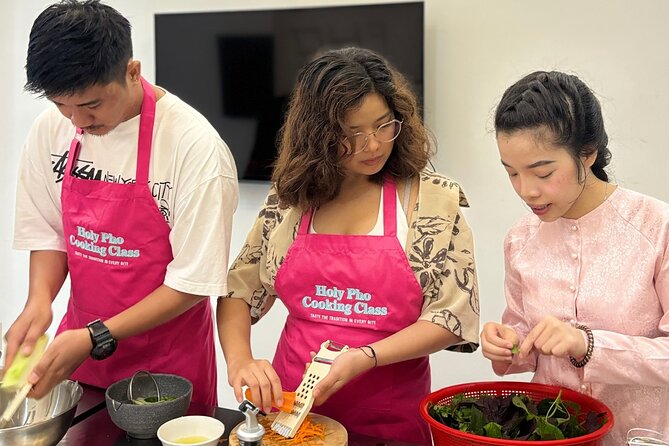
What I like most is the full hands-on setup: you get your own cooking station with equipment ready to go, not a “watch and hope” situation. I also love that the class teaches how and why, so you’re not just copying steps for the four-course meal, you’re learning the Vietnamese logic behind herbs, sauces, and the way dishes come together.
One thing to consider: you’ll do real walking and cooking in a compact time window, so if you want a slow, leisurely experience, the 4 hours may feel a bit fast, especially once the wet market gets active.
In This Review
- Quick take: what makes this class worth your time
- District 1 and that pink studio feeling
- Chợ Tan Dịnh market: herbs, spices, and how locals shop
- The quick Tan Tỉnh Church stop on the route
- Your own cooking station: hands-on for real
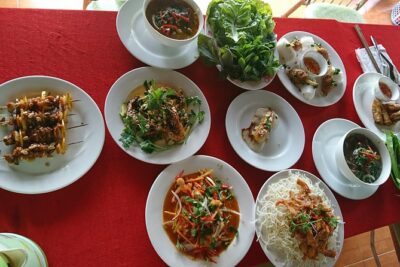
- The 4-course meal: 3 mains and a dessert
- Learning the Vietnamese way: hacks you won’t find in a recipe box
- Eva and Kelsey: English instruction with personality
- Scooter-city reality check: moving between market stalls and the kitchen
- Price and value: what $38 buys you in real terms
- Timing, what to wear, and how to get the most out of it
- Who should book Holy Phở Cooking Class
- FAQ
- FAQ
- How much does the Cook 4 Local Vietnamese Dishes In Pink-themed Class & Market Tour cost?
- How long is the class?
- Where does the class start?
- What meals are included?
- Do I get to cook, or is it mostly watching?
- What dishes will I make?
- Is there a vegetarian option?
- Is soda included in the price?
- Should you book this cooking class?
Quick take: what makes this class worth your time
- Chợ Tan Dịnh market tour: ingredient education at local pace, where herbs and produce actually matter to flavor.
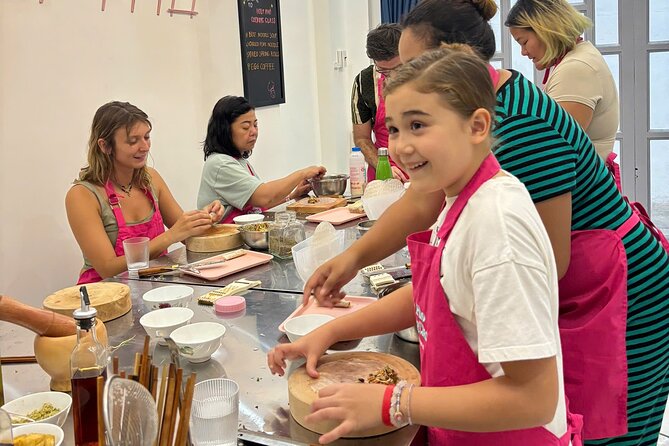
- Private cooking stations: you cook at your own station with sanitized equipment.
- Four-course meal from scratch: 3 savory dishes plus 1 dessert.
- English-led teaching with humor: guidance in fluent English from Eva, with Kelsey helping things run smoothly.
- Pink-themed studio for photos: Instagram-friendly, but still focused on real cooking.
District 1 and that pink studio feeling
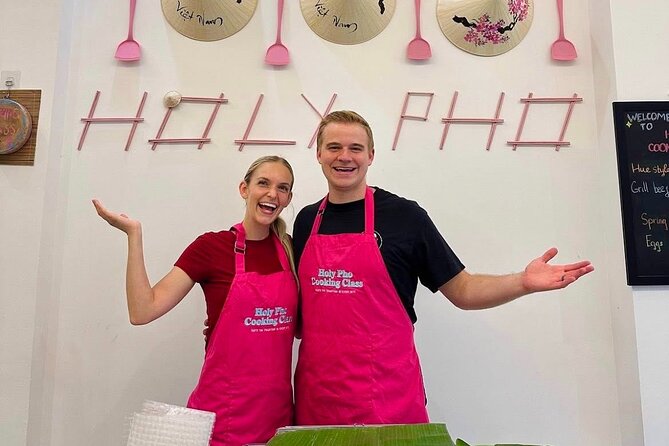
Holy Phở Cooking Class is set up for people who want more than just a meal stop. It’s in central District 1, starting at 97 Nguyễn Hữu Cầu, Phường Tân Định, Quận 1, which makes it a practical add-on to a day of sightseeing. You’re not trekking across the city for a class that feels like an airport briefing.
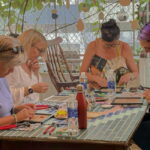
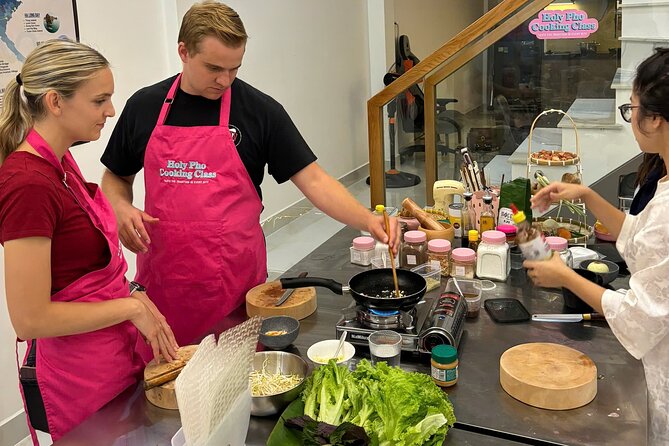
The first visual impression is the pink-themed venue. It’s fun, clearly designed for photos, and it signals that the organizers care about atmosphere, not just recipes. But the point isn’t the color. The point is that the studio is newly renovated and built to teach cooking hands-on, with each person working at a personal station.
The class is also capped at up to 10 people, which helps keep the attention on you rather than turning it into a production line. If you’re the type who learns faster by doing, that small-group feel matters.
You can also read our reviews of more shopping tours in Ho Chi Minh City



Chợ Tan Dịnh market: herbs, spices, and how locals shop
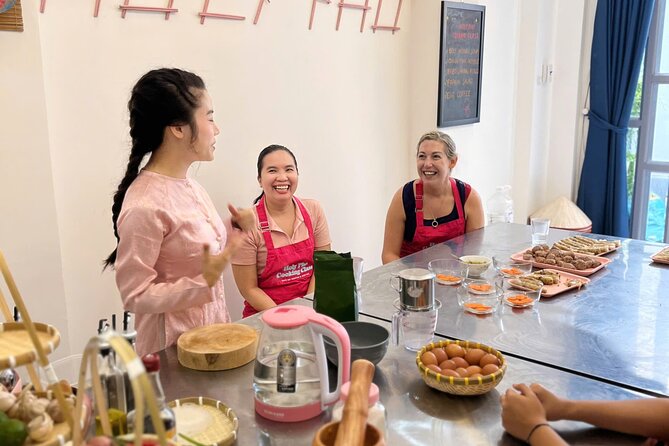
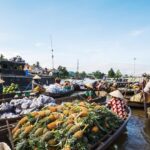
The tour begins where flavor starts: the market. You’ll walk around Chợ Tan Dịnh as you learn how Vietnamese home cooks think about ingredients—what to buy, what to smell, and why certain herbs and sauces show up again and again in regional cooking.
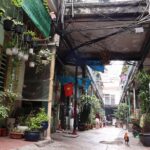
This is not presented as a polished show market. The route is the real deal, with narrow lanes and active vendor stalls. That means you get practical exposure to how food culture looks day-to-day, not just the finished version at a restaurant.
I also like that the market walk isn’t random wandering. The focus is educational: you’re learning about herbs, spices, and produce that affect the taste of the dishes you’ll cook later. When you return to the kitchen, the ingredients stop feeling mysterious. They turn into decisions you can repeat.
The quick Tan Tỉnh Church stop on the route
You also make a stop at Tan Dinh Church as part of the walking route. This works as a breather between market activity and kitchen work, and it gives you a quick sense of the neighborhood along the way.
It’s not framed as a long sightseeing detour. It’s more like a waypoint that keeps the experience moving and helps set context for where this food culture lives in the city. If you’re trying to pack a day without over-planning, this kind of short stop is a plus.
Your own cooking station: hands-on for real
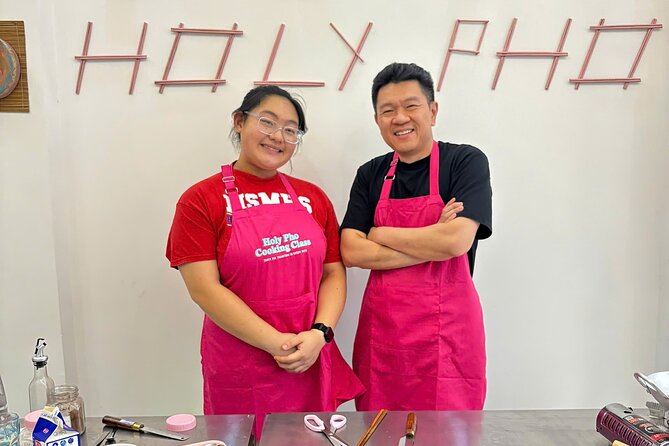
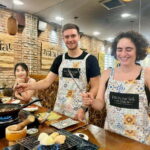
The core of this class is the kitchen setup. Each participant has a personal cooking station with equipment ready, so you’re not waiting for someone to hand you a turn. The stations are described as sanitized, which is a comfort when you’re working with fresh herbs and sauces.
The teaching style matters too. The chef/host team explains not only what to do, but why dishes are made a certain way depending on region. That shifts the lesson from memorization to understanding. And if you’ve ever cooked at home from a recipe that felt flat, this is the part that can fix that.
In a hands-on class, timing can be everything. Here, the experience is structured so you’re cooking multiple components across the four-course meal. By the end, you’re not just able to name the dish—you’ve built it.
The 4-course meal: 3 mains and a dessert
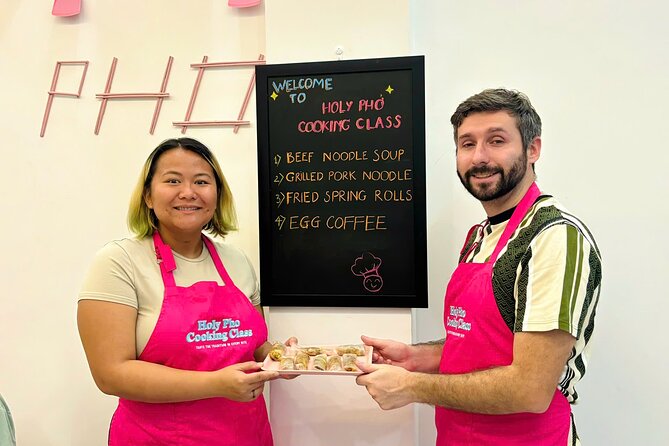
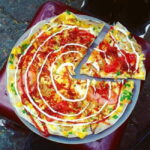
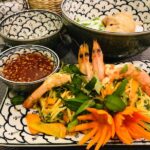
You’ll cook a full 4-course meal: 3 main dishes + 1 dessert, all made from scratch. The menu details aren’t listed course-by-course here, but the class is strongly associated with pho-making, and at least one guest specifically called out learning how to make pho.
That matters for value. Pho is one of those dishes people think they can only get right with special ingredients and lots of time. If the class teaches it effectively, you leave with a framework you can reuse, not just one meal.
The dessert course is also a useful reminder that Vietnamese cooking isn’t only savory. You’ll see how sweetness is built in a different way than in many Western desserts, using ingredients that fit naturally into the rest of the meal rather than feeling like an afterthought.
And yes, the payoff is practical: you sit down and eat what you made. It turns the whole lesson into a lived result, not a demonstration.
You can also read our reviews of more tours and experiences in Ho Chi Minh City

Learning the Vietnamese way: hacks you won’t find in a recipe box
One of the smartest parts of this experience is the focus on home-kitchen technique. You’ll learn “kitchen hacks” that Vietnamese home cooks use—things that might not show up in a standard written recipe.
This kind of tip is usually what separates a good meal from a great one. It could be guidance on timing, texture, balancing flavors, or how to handle herbs and sauces without losing their character. The class also teaches you to look for cues while cooking, not just follow a strict script.
You’ll also receive a certificate and a cookbook. That’s not just for the shelf. A cookbook gives you a reference for the next time you shop for ingredients. The certificate adds a fun souvenir element after you’ve actually done the work.
Eva and Kelsey: English instruction with personality
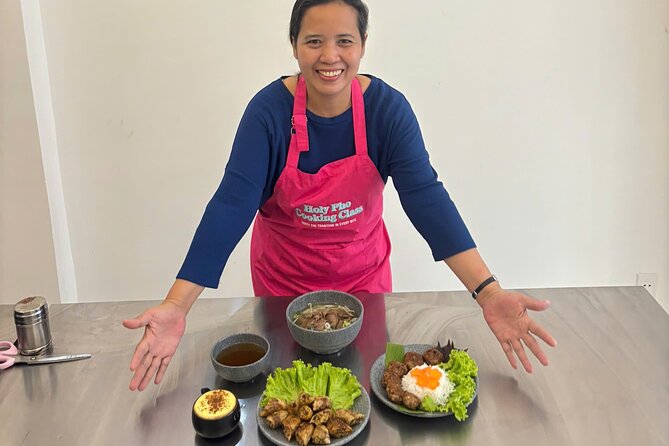
The teaching team is one of the big reasons this class earns such high marks. Eva is repeatedly highlighted as an amazing instructor—patient, engaging, and willing to answer questions. Kelsey also shows up in the story with support during the experience, including helping with the flow right from the start.
I like that the class is described as humor-forward and easy to follow. Food learning can get stressful if instructions are complicated or the pace is confusing. When the teaching style is calm and fun, you learn faster and feel more confident trying the dishes at home.
Another practical point: the class is designed for different kinds of people—solo diners, couples, families, and kids. That usually means the instructions are approachable and the environment isn’t intimidating. If you’re nervous about cooking in front of others, this structure helps.
Scooter-city reality check: moving between market stalls and the kitchen
Ho Chi Minh City doesn’t slow down for classes. On the way through the neighborhood, you’re dealing with the scooter rhythm that makes street crossing its own small skill.
A helpful thing about this class is that it doesn’t pretend the city is calm and controlled. You’re guided through the route so you can handle the movement between stalls and other stops without feeling lost. If you’ve ever tried to navigate on your own and ended up standing still while traffic flows around you, you’ll appreciate having a local lead the way.
This also explains the value of a local market tour. You’re learning ingredients in the context where they’re actually traded and used.
Price and value: what $38 buys you in real terms
At $38 per person, this class can be a great deal for what you get, especially in a city where cooking lessons often cost more without covering as much.
Here’s what’s included:
- Local market tour
- English-speaking local guide
- Cooking station and equipment
- Lunch and dinner
- The meal you cook across the four-course format
What’s not included: soda/pop.
The best value angle is the mix of market learning + hands-on cooking + eating your results. You’re paying for more than instruction. You’re paying for ingredient education, tools set up for you, and the chance to go home with usable kitchen understanding and a cookbook.
If you compare this to doing a food tour that only feeds you, you’ll likely feel the difference. This gives you skills. If you compare it to a cooking demo class where you mostly watch, the private station makes it harder to feel like you paid to stand around.
Timing, what to wear, and how to get the most out of it
The class runs about 4 hours and ends back at the meeting point. In that time, you’ll do market walking, ingredient shopping/learning, then active cooking at your station. Plan for standing, chopping, stirring, and moving between steps.
Wear comfortable clothes and shoes you don’t mind getting a little kitchen-adjacent. If you’re sensitive to strong food smells, remember you’ll be around fresh herbs and spices from the market. Bring a positive attitude and a willingness to get hands-on.
If you’re a content creator, the pink-themed studio gives you photo-friendly visuals, but the real win is cooking knowledge you can turn into posts that teach, not just show.
Who should book Holy Phở Cooking Class
This is a strong fit if you want:
- A hands-on Vietnamese cooking class in Ho Chi Minh City
- Practical learning that helps you cook at home, including pho
- A small group format, capped at 10 people
- An activity that also includes a market walk and neighborhood context
- Options for vegetarian choices (available)
If you’re not interested in market walking or you prefer a totally low-energy experience, you might find the pacing a bit active. But if you like rolling up your sleeves and learning as you go, this class matches that style.
FAQ
FAQ
How much does the Cook 4 Local Vietnamese Dishes In Pink-themed Class & Market Tour cost?
It costs $38.00 per person.
How long is the class?
It runs for about 4 hours.
Where does the class start?
The meeting point is 97 Nguyễn Hữu Cầu, Phường Tân Định, Quận 1, Thành phố Hồ Chí Minh, Vietnam.
What meals are included?
Lunch and dinner are included.
Do I get to cook, or is it mostly watching?
It’s designed to be hands-on, with a personal cooking station and equipment for you to prepare dishes.
What dishes will I make?
You’ll cook a full 4-course meal made from scratch, including 3 main dishes and 1 dessert.
Is there a vegetarian option?
Yes, vegetarian options are available.
Is soda included in the price?
No. Soda/pop is not included.
Should you book this cooking class?
Book it if you want a practical Vietnamese cooking skill set, not just a nice meal in District 1. The combination of Chợ Tan Dịnh market context plus a private hands-on cooking station plus a 4-course from-scratch meal is exactly the kind of value that pays off after the tour ends.
Skip it only if you strongly prefer a relaxed, minimal-walking experience or you know you won’t enjoy being actively involved in cooking. If you’re aiming to leave with a cookbook, a certificate, and confidence in Vietnamese flavors like pho, this is a smart way to spend your time in Ho Chi Minh City.