REVIEW · HO CHI MINH CITY
Sundown in the Colony Photo Tour
Book on Viator →Operated by Vietnam in Focus - Day Tours · Bookable on Viator
You can shoot Saigon after dark and still feel on track. This small-group photo tour is built around golden hour in Ho Chi Minh City, then pushes into low light with street scenes, market energy, and long-exposure rooftop views. You’ll learn how to frame everyday life while moving through the Colony area with a professional photographer at your side.
What I like most is the combination of hands-on street photography guidance and real local scenes, not just photo stops. Second, you get fueled the right way: street snacks and a drink in a café, so you’re not wandering hungry while the light fades. One thing to consider: you’ll be shooting in changing conditions as sundown turns to night, so comfortable shoes and patience help, especially if weather gets wet.
In This Review
- Key takeaways before you go
- Why Sundown in the Colony Makes Better Photos
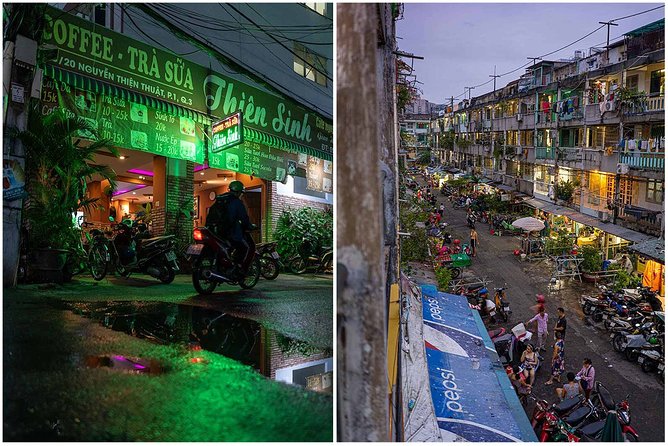
- Stop 1: Apartment Stairwells and Vintage Walls
- Stop 2: Ho Thi Ky Flower Market Glow and Street Food Energy
- Stop 3: Rooftop Long Exposures Over Saigon Nights
- The Guide Makes the Difference: Paul, Eileen, Billy (William), Adrien
- Timing and Logistics: How the 4 Hours 45 Minutes Actually Works
- What to Bring and How to Get the Most From the Shooting
- Who This Tour Suits (and Who Might Want Something Different)
- Should You Book Sundown in the Colony Photo Tour?
- FAQ
- What time does the tour start?
- How long is the Sundown in the Colony Photo Tour?
- Is pickup available from my hotel?
- What group size is this tour?
- What’s included in the price?
- Are admission fees charged for the stops?
Key takeaways before you go
- Small group (max 6): easy pace, more personal feedback, less waiting around.
- Sundown timing: you’ll work the shift from soft light to night contrast where streets pop.
- Colony photo targets: vintage apartment stairwells, a fluorescent flower market, then a rooftop long-exposure setup.
- Tripod-based night views: you’ll practice long exposures of streets and a pagoda angle.
- Included food + drink: street snacks plus a café stop to keep your energy steady.
- 2-way private transfers from central hotels: less hassle in a city that moves fast.
Why Sundown in the Colony Makes Better Photos
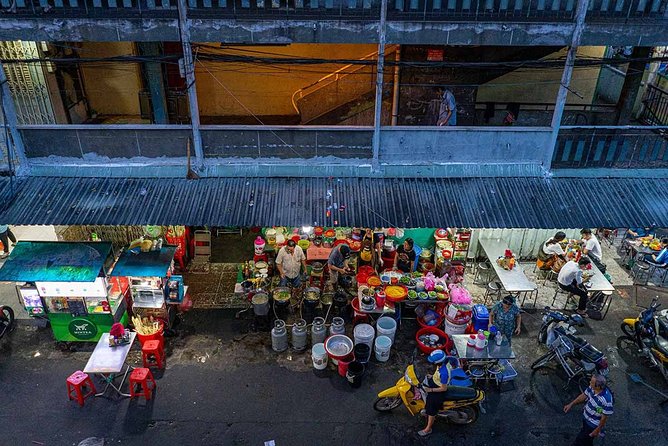
Sundown in Ho Chi Minh City is when the city looks most like itself. Light gets lower, shadows lengthen, and apartment blocks and street life start showing texture instead of just brightness. That matters because “good photos” here aren’t only about landmark views. They’re about layers: balconies, stairwells, neon and fluorescent glow, people moving through narrow lanes, and the kind of night atmosphere that comes alive fast.
I love how this tour builds in that timing. You’re not waiting until it’s dark to start shooting. You’re already framing scenes as the sun drops, then you transition into long exposures once the night view is ready. If you’ve ever felt your camera struggles once daylight fades, this schedule is designed to help you handle that shift without panic.
One more practical win: you’re doing it as a private photo tour with a professional guide, so you’re not left figuring out where to stand or what to shoot next. That’s a big deal when you’re working streets—because the “right spot” changes minute by minute as people move and lights switch on.
You can also read our reviews of more photography tours in Ho Chi Minh City

Stop 1: Apartment Stairwells and Vintage Walls
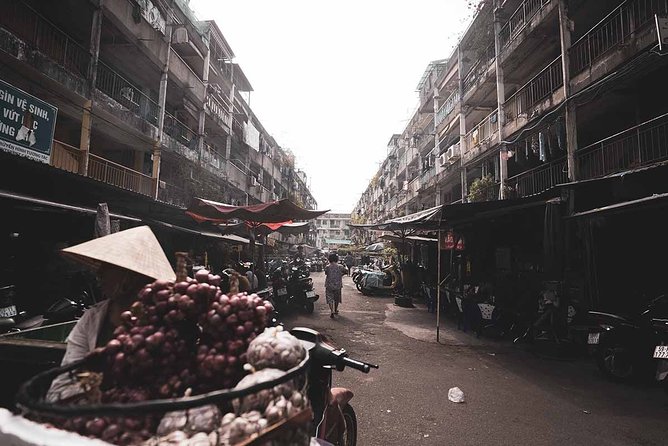
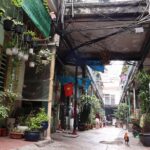
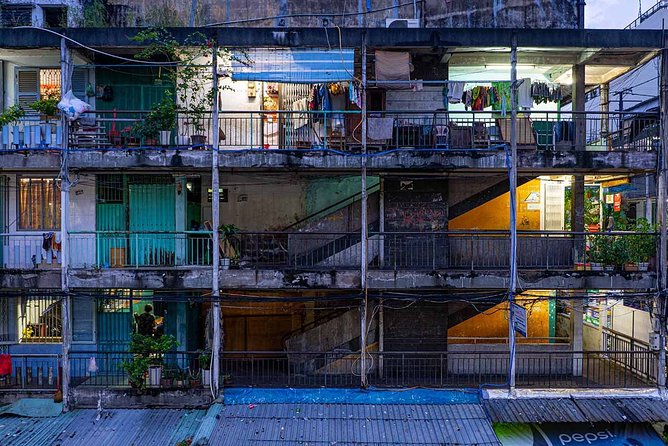
You start in the apartment-building zone at the heart of the Colony area, where daily life happens inside older concrete structures. The photo focus is simple but smart: explore several stairwells and look for angles that show how people live without staging anything.
Here’s what makes this first stop work for your photos:
- Stairwells create natural leading lines. The geometry helps your eye move deeper into the frame.
- Vintage buildings add character. You get textures that feel lived-in, not postcard-clean.
- Vertical space is your friend. Apartment blocks let you frame height, not just street-level drama.
Also, this is the part where a photo guide earns their pay. Guides like Paul and Eileen (names that have come up from past participants) are the type who don’t just say where to shoot. They point out how to see—how to reduce clutter, how to use edges, and how to make your subject stand out when the background is busy.
A consideration: stairwells mean stairs and tighter spaces. If you’re not comfortable with uneven footing or crowds brushing past, you’ll want to go slow and watch your footing while you compose.
Stop 2: Ho Thi Ky Flower Market Glow and Street Food Energy
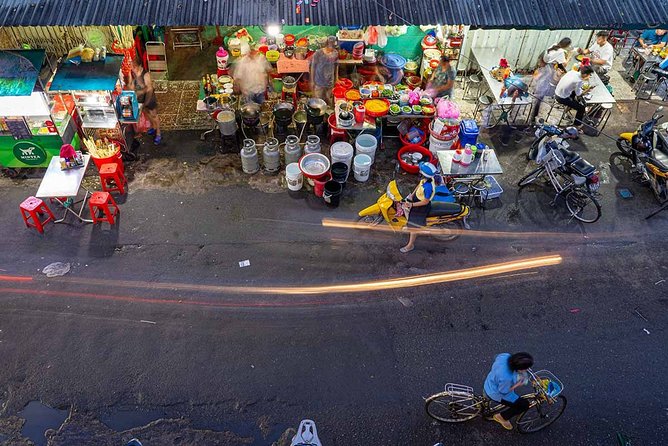
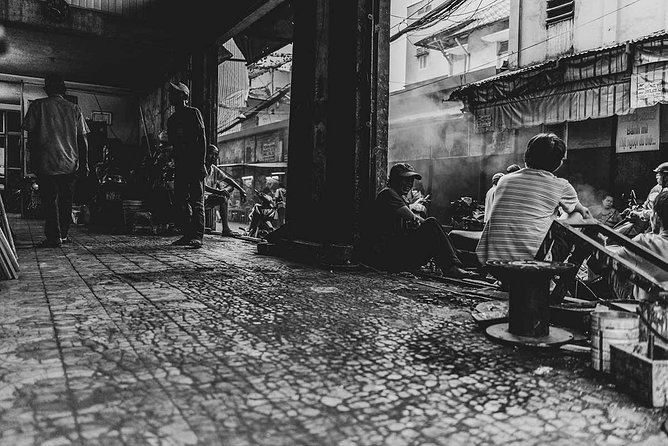
As the light keeps dropping, you move to the flower market area, where fluorescent lighting turns the scene into a different world. The flowers are bright, the colors feel more saturated under the lights, and the market turns lively as people work and shop.
This stop is great for street and documentary photography because you have three photo-friendly elements at once:
- Color and shape from the flowers
- Human activity from vendors, shoppers, and handlers
- Street-level storytelling near nearby stalls
The market’s glow is especially useful when the sun has officially let go. At that point, you can’t rely on daylight for contrast. Fluorescent light gives you a new kind of contrast—one that can make faces and hands look more dramatic, even in tight frames.
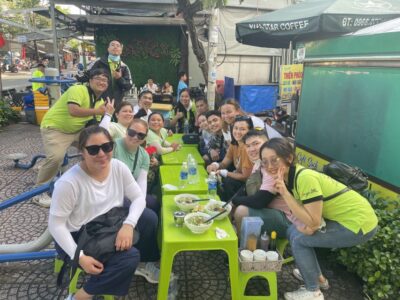
And yes, you eat here. A café stop plus street food snacks and a drink keep you fueled while you’re working through color-heavy scenes. I like this design because it prevents the classic downfall of photo tours: you start enthusiastic, then the moment your stomach gets loud, your focus goes.
Stop 3: Rooftop Long Exposures Over Saigon Nights
The last act is the one many people wait for: a rooftop setup above the streets for long exposure images. This is where your “learning” becomes “results.” You’ll set up tripods and capture nighttime views that include street night life and a traditional pagoda angle.
Long exposure isn’t only about making everything look dreamy. It’s about control:
- You can smooth movement so people and scooters become light traces instead of distracting blurs.
- You can reduce chaos in a busy frame by choosing shutter speeds that fit the scene.
- You can layer the city—sharp architecture with flowing street motion.
If you’re new to this, a good guide will help you think in settings and composition, not just press the shutter. Past participants have credited guides such as Billy (William) and Adrien for teaching practical techniques and pushing them to notice what’s happening around them—so your frame doesn’t just record a view, it tells a story.
The rooftop timing also makes sense. By the time you reach this stop, you’re past the easiest light and into the stage where street scenes can look flat without guidance. Tripods and long exposure practices help you get a clean night look instead of grainy confusion.
The Guide Makes the Difference: Paul, Eileen, Billy (William), Adrien
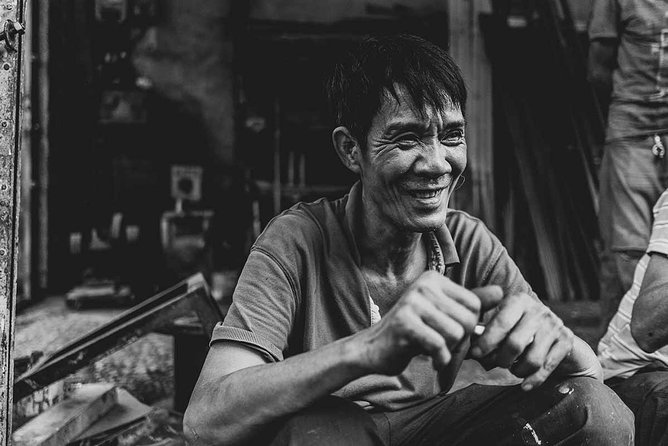
A photo tour lives or dies by the guide. Here, the professional photographer/guide is central, and names like Paul, Eileen, Billy (William), and Adrien show up as people who delivered real value.
What that value looks like on the ground:
- Local knowledge that reduces stress. When you’re unfamiliar with an area, you waste time guessing where to stand. A good guide speeds up your confidence.
- Composition coaching while you shoot. You get tips that translate immediately into your next frame.
- History and context that improve your photos. Even basic neighborhood background can change what you notice through the viewfinder—like looking for everyday routines instead of only “pretty” subjects.
- Encouragement to see the scene, not just the subject. One key theme from guide feedback is that they encourage you to look at the bigger moment around your target.
I also like the group size limit. With a maximum of 6 travelers, you’re less likely to get stuck waiting your turn while the group regroups. That matters when you’re photographing at specific light levels.

Timing and Logistics: How the 4 Hours 45 Minutes Actually Works
Start time is 3:30 pm, and the total run is about 4 hours 45 minutes. That’s a tight, sensible window for a sundown-to-night photo arc. You’re not stuck for a half-day of waiting. You’re moving through three different visual worlds: stairwells, fluorescent market light, then rooftop long exposures.
The tour also offers pickup and includes 2-way private transfers from central hotels. In Ho Chi Minh City, that helps you focus on photography instead of negotiating rides or tracking meeting points while traffic and crowds do their thing.
Price is $119 per person. On paper, it’s not cheap. But you’re paying for the combination that usually costs you extra separately: a professional photographer/guide, structured access to multiple shooting environments, food and a drink, and private transfers. If you want a photo-focused route you can’t easily recreate on your own without research, the value starts to make sense quickly—especially with the small group size.
What to Bring and How to Get the Most From the Shooting
The tour info doesn’t list exact equipment rules, so I’ll keep this practical and flexible.
If you have a camera (or even a phone with a manual mode), bring it—this tour is built for composing and learning technique. For night work, you may find you benefit from:
- A tripod if you own one (or at least be ready to work with whatever setup the guide uses)
- A camera strap or secure method so you can move through markets and stairwells without fumbling
- Comfortable shoes for stairwells and rooftop surfaces
Also plan for the fact that you’re starting mid-afternoon and finishing in night conditions. That means lighting changes fast, and you may end up shooting in lower visibility. One past experience noted that rain affected much of the time, so it’s smart to bring a light rain layer and protect your gear.
Who This Tour Suits (and Who Might Want Something Different)
This tour is a strong match if you:
- Want street and documentary style photography in a specific part of Saigon
- Like structured learning (where someone shows you how to see and how to shoot)
- Prefer a small group with room for feedback
- Enjoy night photography and want guidance for long exposures, not guesswork
You might think twice if you’re looking for a relaxed sightseeing stroll with no real photo focus. This is photography-first. You’ll be moving with purpose, watching light, and setting up for long exposure work—so it’s not the right fit if you want to slow down every step.
Should You Book Sundown in the Colony Photo Tour?
I’d book it if you want more than “I took photos at sunset.” This is designed for the full arc: you work the light as it drops, you hit market energy, and you end on a rooftop with long exposure practice. The included snacks, a drink, and private transfers are the kind of practical touches that keep the experience smooth.
Skip it if your main goal is only big-name landmarks or you dislike photographing in low light. Also consider weather, since streets and rooftops don’t magically become dry when the sky changes.
If you’re serious about getting better at street scenes—composition, storytelling, and night technique—this is one of the more focused ways to do it in Ho Chi Minh City without losing time.
FAQ
What time does the tour start?
The tour starts at 3:30 pm.
How long is the Sundown in the Colony Photo Tour?
It lasts about 4 hours 45 minutes.
Is pickup available from my hotel?
Pickup is offered, and the tour also includes 2-way private transfers from central hotels.
What group size is this tour?
The tour has a maximum of 6 travelers.
What’s included in the price?
A professional photographer/guide is included, along with street food snacks and a drink at a café.
Are admission fees charged for the stops?
The included admission ticket for the listed stops is free.