REVIEW · HO CHI MINH CITY
Saigon Railway Village Photo Tour
Book on Viator →Operated by Vietnam in Focus - Day Tours · Bookable on Viator
One hour before the city fully wakes up. That early light is the heart of this Saigon Railway Village street-photography tour, where you work on camera settings and storytelling, then photograph real life along the tracks. I especially like the hands-on teaching from guides such as Eileen and Paul, and I like that it keeps things small with a maximum of 5 people for more feedback. The main trade-off is the 5:30 am start, so it’s best if you’re comfortable getting up early for the best light.
You also skip the self-drive headache with door-to-door help from central HCMC hotels, which matters on a time-sensitive photo shoot. And the tour’s structure is built around one key idea: learn first, shoot after. You’ll start at Saigon Railway Station, practice how to “read” a scene, then turn that skill toward trains rolling in and people beginning their day.
If you’re hoping for a long, leisurely walk or a lazy breakfast afterward, plan differently. This runs about 4 hours, and food may be a stop you choose or are guided toward rather than a fully packaged meal—so bring a little flexibility (and a bit of cash) for what you want to eat.
In This Review
- Saigon Railway Village Photo Tour: the quick reasons it’s worth your morning
- Why sunrise at the rails is the whole point
- Getting there from central HCMC without wasting your morning
- Meeting at Saigon Railway Station: learn fast, shoot smart
- The pro instruction: settings, storytelling, and how to see
- Trackside shooting: trains, people, and patient composition
- Breakfast stop: coffee and noodles or banh mi (and what to plan)
- Price and value: why $119 can make sense
- Who this tour is best for (and who should rethink)
- Practical tips before you go (so you get better photos)
- Should you book the Saigon Railway Village Photo Tour?
- FAQ
- FAQ
- What time does the Saigon Railway Village Photo Tour start?
- How long is the tour?
- Where does the tour begin?
- Is hotel pickup included?
- How big is the group?
- Who leads the tour?
- Is food included?
- What does the tour include besides the guide?
- What if the weather is bad?
- Is there a cancellation window?
Saigon Railway Village Photo Tour: the quick reasons it’s worth your morning
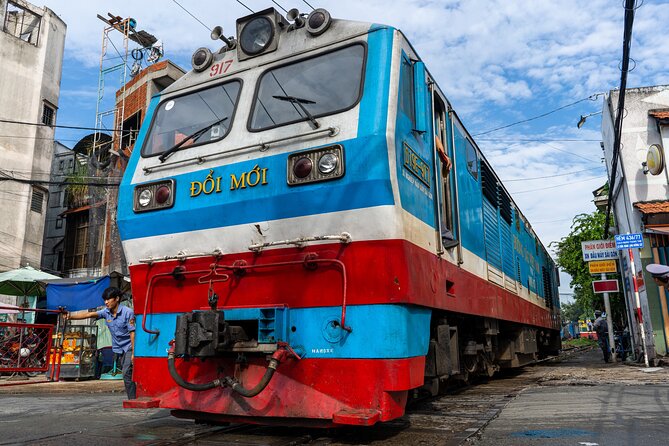
- 5:30 am start to catch golden light and the first rush of daily life near the rails
- Small group (max 5) so your guide can react to your camera and your style
- Pro instruction before shooting, including camera settings and how to build a picture story
- Saigon Railway Station focus first, starting with the old steam locomotive at the entrance
- Door-to-door transfers from central hotels, so you can concentrate on photos, not navigation
- Street photography practice with real moments, from early residents’ routines to trains arriving
Why sunrise at the rails is the whole point
This tour is built around timing. Starting at 5:30 am puts you in the sweet spot between quiet streets and the first wave of activity. That’s when you get a mix of soft light, less crowd pressure, and people still moving at a calmer pace—perfect for street photos that feel human, not staged.
Saigon Railway Village (the rail-side neighborhood connected with the train area around Saigon Railway Station) is famous for visual tension: trains, narrow spaces, and everyday routines running right up against the tracks. The best images come from understanding how to frame that tension. You’re not just taking a photo of something interesting—you’re building a sequence that tells the viewer what’s happening and why it feels alive.
Another smart choice is that instruction comes before you start shooting. You begin with an introduction to the tour, a camera settings review, and ideas for creating a picture story. That way, when you reach the trackside scenes, you’re already thinking in “shots that connect,” not random clicks. It’s also why this works well for both phone users and serious camera people, as long as you’re open to getting guidance on settings and composition.
The one consideration: you’ll be photographing in the morning glow, and rail scenes demand patience. You may wait for the right moment—like when trains come through or when someone turns toward the camera. If you dislike waiting, you can still enjoy it, but you’ll get more out of it if you treat the wait like part of the craft.
You can also read our reviews of more photography tours in Ho Chi Minh City


Getting there from central HCMC without wasting your morning
This tour uses 2-way transfers from central Ho Chi Minh City hotels, which is a big deal at 5:30 am. Trying to solve transport on your own at that hour usually turns into stress: wrong pickup spot, unclear route, or time slipping away while you’re trying to be sure you arrive on time.
Instead, you meet the tour and get oriented near Saigon Railway Station. The schedule is simple: you start early, learn your basics, then move into rail-side shooting while the light is working for you. Because the timing is tight and the best conditions don’t wait, the transfer support gives you a real advantage.
The tour also caps at 5 travelers, so the ride and logistics don’t tend to balloon into a big bus situation. Smaller groups typically mean less standing around, fewer confusion points, and quicker feedback from your photographer guide.
You’ll also have a mobile ticket, which reduces the friction of paper tickets and makes it easier to confirm details on your phone. If you’re the type who likes a smooth start, that matters more than it sounds.
Meeting at Saigon Railway Station: learn fast, shoot smart
Your morning begins at Saigon Railway Station. Before you wander, you get an introduction to how the tour will work and a review of camera settings. This part is where the tour earns its value. A lot of photo walks show up and say go shoot. This one tries to get you thinking in a useful way first.
Then the tour gives you a strong opening subject: an old steam locomotive parked near the entrance. That’s not just decoration. It’s a big, graphic object that helps you practice framing quickly—wide establishing shots, closer textures, or shots that include people moving in the background. You can also use it to learn how your guide wants you to position your camera before you reach the more chaotic rail scenes.
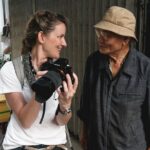
One of the best lessons from guides described in past sessions is the focus on detail and composition. Eileen, for example, is described as having an eye for detail and composition, with technical lessons that people can keep using long after the morning ends. That’s a big plus if you’re trying to go beyond souvenir photos and make images that look intentional.
Another theme that shows up in guide feedback is learning from your personal style. Victor is noted for taking time to understand someone’s photography skills and approach before the action starts. Adrien is described as teaching in a way that helped participants see places they might not notice on their own. Those are signs that the tour isn’t one-size-fits-all.
The pro instruction: settings, storytelling, and how to see
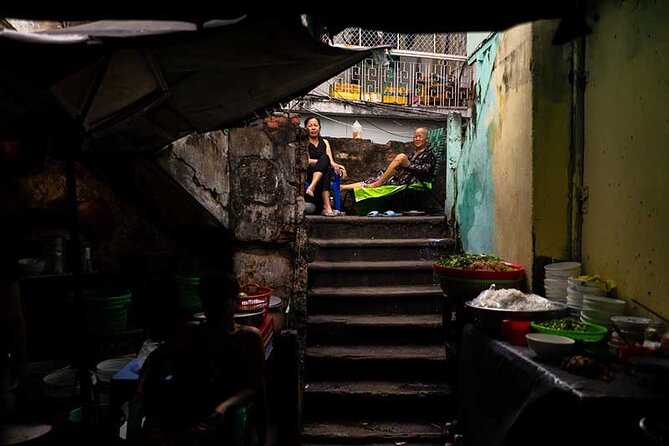
This is a street photography tour, but it’s not random wandering. You’re taught how to create a picture story, and the camera settings review helps you translate that idea into something practical. In rail neighborhoods, lighting changes fast and scenes are busy. So the more you can prepare your settings and your mindset, the less you’ll fight your camera while the moment is happening.
What you learn isn’t limited to theory. Your guide helps you pick subjects and angles, and you practice under real conditions as the area wakes up. Several guides are praised for showing people the best places to shoot and explaining camera settings clearly. Paul, for example, is highlighted for teaching strong shooting locations plus the settings that make those shots work.
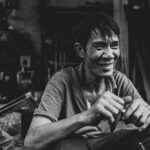
You also get guidance on portraits and human moments. One of the most memorable takeaways from past participants involves learning how to approach portraits with more intention—understanding composition and making portraits feel grounded rather than accidental. Even when you’re photographing people from a distance, thinking about portrait-style framing improves your street images quickly.
The “story” approach is what makes this tour worth doing early in your trip. If you improve your shooting habits in the morning, your photos later in the day tend to look more consistent—better angles, more meaningful moments, and fewer shots that feel like documentation only.
Trackside shooting: trains, people, and patient composition
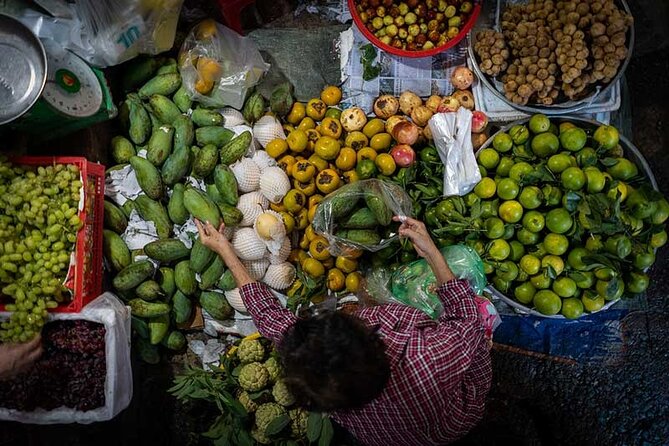
Once instruction is done, you head into the main event: photographing life along the rails as trains roll in. This is where the tour becomes more than a landscape of interesting scenes. It’s timing, positioning, and decision-making.
You’re likely photographing:
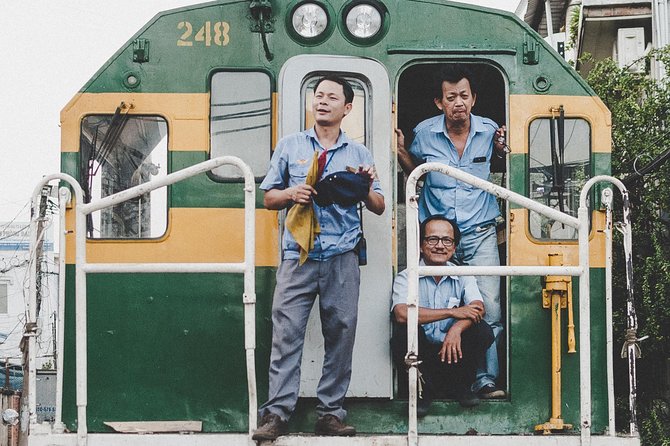
- People starting their day near the track area
- Narrow viewpoints where the rails create strong lines
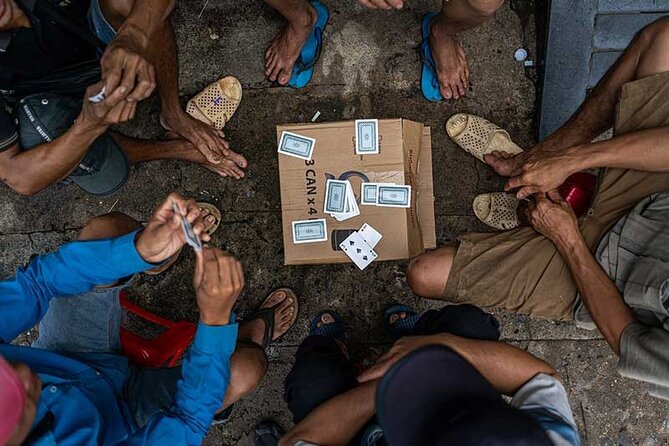
- Faces and interactions that happen in the open, close to movement
- Trains passing that change the light, noise, and sense of scale
In practice, trains make everything more dramatic. The challenge is keeping the photo sharp and the subject clear while the environment moves. That’s why the camera settings conversation before you start matters. If you apply your guide’s suggestions—like how to balance shutter speed, focus, and framing—you’ll get more keepers instead of just “nice attempts.”
Guide Paul is singled out for taking people to a hidden nearby location for shooting locals, which suggests the tour isn’t limited to one single angle. It’s built to help you find variety: different perspectives, different rhythms of street life, and different ways to show the relationship between people and the trains.
A key part of rail photography is waiting for the right moment. Sometimes that means waiting for a person to look up, for an interaction to happen, or for the train to arrive so you can frame the scale of the rails and the movement. If you treat waiting as part of the shoot, you’ll start seeing patterns—how light hits a wall, when the crowd thickens, and where the best sightlines open up.
Also pay attention to your guide’s positioning advice. Juan, for example, is described as taking people to places they would not have found on their own. That’s usually about knowing where the best angles are available and where your camera won’t get swallowed by chaos.

Breakfast stop: coffee and noodles or banh mi (and what to plan)
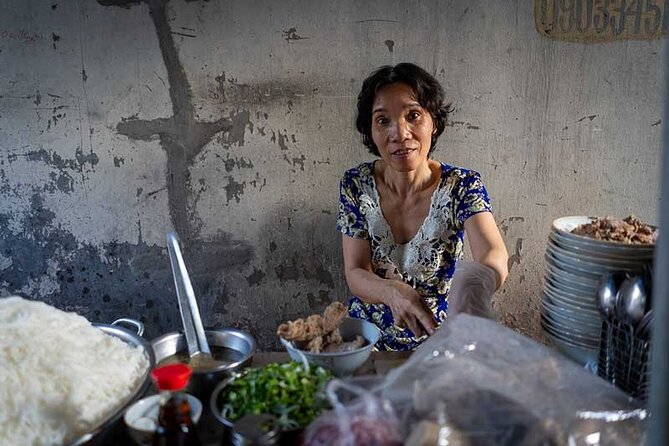
The tour description includes a local breakfast option—coffee and noodles or banh mi. That fits the early morning theme perfectly: you’re photographing, you’re working your way through the golden light, and then you get something simple to keep you going.
At the same time, food and drinks are not listed under included items in the tour details you have here. So I’d plan as if this part is a stop you’ll handle yourself, even if it’s suggested as part of the morning flow. Bring a little cash, or be ready to cover what you order.
In a photo tour, this kind of break does two things. First, it keeps energy steady after early shooting. Second, it often gives you a chance to chat with your guide about what to focus on next—angles you missed, settings that worked, and how to handle portraits or motion better when you’re back on your feet.
If you’re the type who needs a warm drink to function before sunrise, treat this as a practical win, not just a nice extra.
Price and value: why $119 can make sense
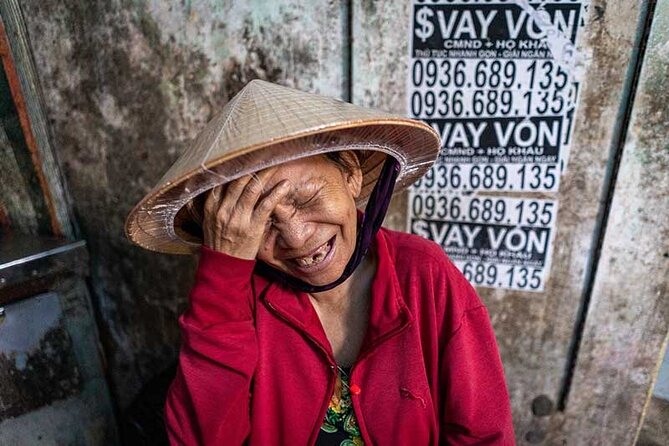
At $119 per person, this tour sits in the mid-range for specialized photo experiences. What justifies the price isn’t the neighborhood alone—it’s the combination of:
- A professional photographer guide
- A camera settings review before shooting
- A small group size that allows more direct help
- Door-to-door transfers from central hotels
The early start also reduces the time you’d spend planning. Rail areas are tricky in the morning, and missing the right light by an hour can mean worse photos. When you add the transfer support and the guide’s knowledge of where to stand and what to shoot, the cost looks more reasonable.
You also get a focused duration: about 4 hours. This isn’t a half-day that eats the rest of your schedule. If you’re trying to do a meaningful activity early and still have a full day to roam Ho Chi Minh City, this is a clean time investment.
One more value point: several guides are praised for technical instruction. When someone explains how to adjust settings and frame a picture story, it tends to improve your photos on future days. That’s the kind of value that lingers.
Who this tour is best for (and who should rethink)
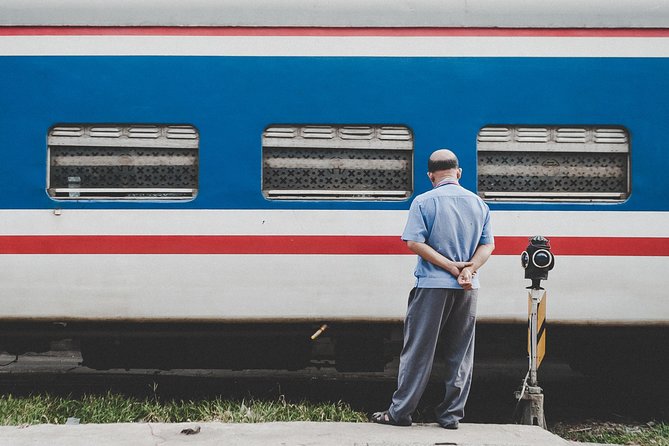
This works best if you:
- Want to learn street photography in a structured way
- Appreciate hands-on coaching and camera settings help
- Enjoy early mornings and want photos that feel real
- Prefer small groups with more direct attention
It’s also a great choice if you’re a photography enthusiast who wants to refine composition and portrait thinking. The teaching style praised in past sessions points to a strong technical focus.
You might rethink it if you:
- Hate waking up before sunrise
- Want a totally relaxed walking pace
- Expect food and drinks to be fully included without any extra cost
Practical tips before you go (so you get better photos)
Bring a camera you can control. Even if you mostly use auto mode, the settings review will be more useful if you can adjust things like shutter speed or exposure. If you shoot on a phone, still pay attention—your guide can often suggest practical ways to handle focus and framing.
Wear shoes you can walk in early. Rail areas and station surroundings mean uneven ground and quick repositioning.
Finally, treat it like a photo session, not sightseeing. The best shots usually come when you follow your guide’s framing suggestions and give yourself time to wait for trains and human moments.
Should you book the Saigon Railway Village Photo Tour?
I’d book this if you want an early-morning photography experience that actually teaches you something, not just a guided walk. The combination of a pro photographer guide, small group size, camera settings review, and trackside shooting in the golden light makes it a strong choice for people who care about improving their results.
Skip it only if the 5:30 am start sounds like a dealbreaker. If you can handle the early wake-up, this is one of the more focused ways to get standout images from Ho Chi Minh City without wasting time trying to figure out where to stand.
FAQ
FAQ
What time does the Saigon Railway Village Photo Tour start?
The tour start time is 5:30 am.
How long is the tour?
The duration is about 4 hours.
Where does the tour begin?
You start at Saigon Railway Station.
Is hotel pickup included?
Yes. 2-way transfers from central Ho Chi Minh City hotels are offered.
How big is the group?
The tour has a maximum of 5 travelers.
Who leads the tour?
It’s led by a professional photographer guide.
Is food included?
Food and drinks are listed as not included, even though a local breakfast of coffee and noodles or banh mi is described in the tour overview. Plan for potential extra cost.
What does the tour include besides the guide?
The included item listed is the professional photographer guide.
What if the weather is bad?
The experience requires good weather. If it’s canceled due to poor weather, you’ll be offered another date or a full refund.
Is there a cancellation window?
Yes. Free cancellation is available up to 24 hours before the experience starts for a full refund.