REVIEW · HO CHI MINH CITY
Private Phu My Port Shore Excursion: Unseen Parts Of Saigon
Book on Viator →Operated by Vietnam Tours Saigon · Bookable on Viator
Saigon in a single, well-paced morning. This private shore excursion is built for cruise days: you start at Phu My port, ride into the city with a guide, and get a focused look at Chinese-Cholon culture, French-era landmarks, and Vietnam’s war memory—without having to piece together transport and tickets.
I especially like the private, air-conditioned van and the guide-led flow that keeps things moving. You also get lunch at a local restaurant, bottled water in the car, and full entrance fees covered, so the day feels like a complete package rather than a scavenger hunt.
The only real catch is the schedule: it’s a full day of stops, walking, and waiting in lines where needed—so if you want long, slow hangs at each place, you may feel a bit rushed, especially near the markets and major museums.
In This Review
- Key highlights to know before you go
- How the Phu My pickup and ride set the tone
- Chợ Lớn and Thien Hau Temple: where Saigon’s sea-linked faith meets trade
- Central Saigon essentials: wet market, French-era landmarks, and classic streetscape views
- War Remnants Museum vs. Independence Palace: pick your Vietnam War viewpoint
- War Remnants Museum (about 50 minutes)
- Independence Palace (about 45 minutes)
- How to decide
- Ben Thanh Market and Notre Dame: souvenirs and the famous postcard contrast
- Lunch, bottled water, and air-conditioning that actually matter
- Price and value: is $118 per person a good deal?
- Guides: the difference between facts and understanding
- Who should book this Private Unseen Parts of Saigon tour?
- Should you book this day in Saigon?
- FAQ
- What time does the tour start?
- How do I get from the cruise ship to the meeting point?
- How long is the tour?
- Is the transportation air-conditioned?
- What main sights are included in the day?
- Is lunch included?
- What’s included in the price and what’s not?
Key highlights to know before you go
- Phu My port meet-up made simple: your guide meets you at the gate with a name sign, then you transfer to the ship area by short shuttle.
- Chợ Lớn plus Thien Hau Temple: you get both a Chinatown trading area and a major temple connected to the sea goddess Mazu.
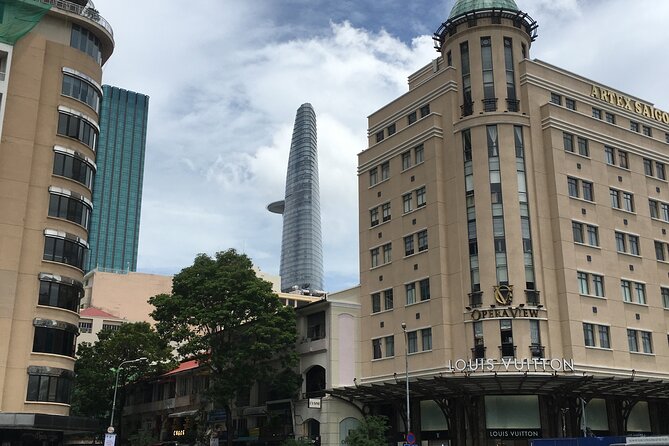
- Central Saigon’s classic photo stops: City Hall/People’s Committee area, Opera House, Central Post Office, and Notre Dame Cathedral.
- War Remnants Museum or Independence Palace: admission is included for whichever you choose for that day’s focus.
- Lunch and entrance fees handled: fewer decisions, fewer “what’s included?” surprises.
- Built for cruise timing: the tour is designed to get you back on-time for your ship.
How the Phu My pickup and ride set the tone
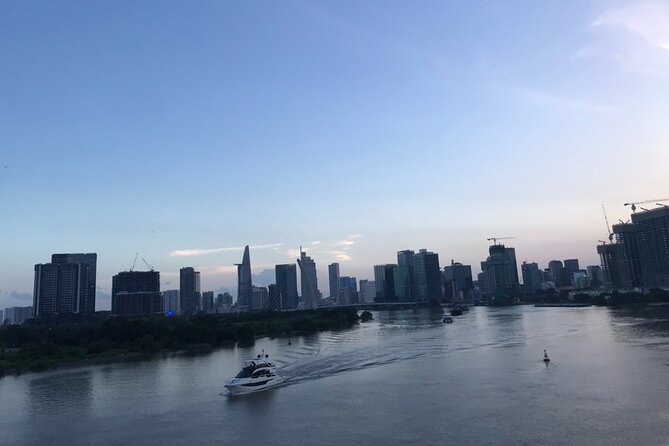
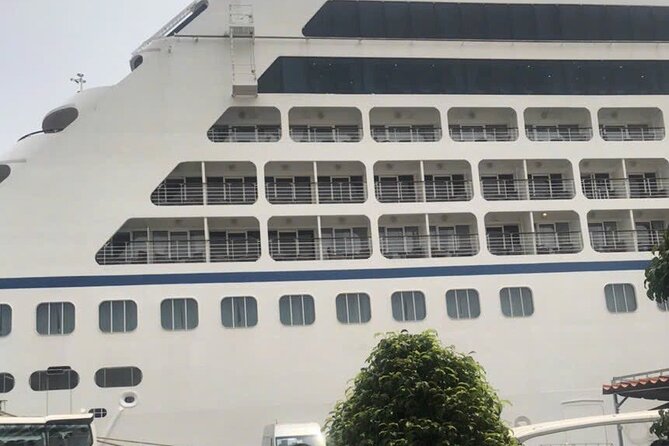
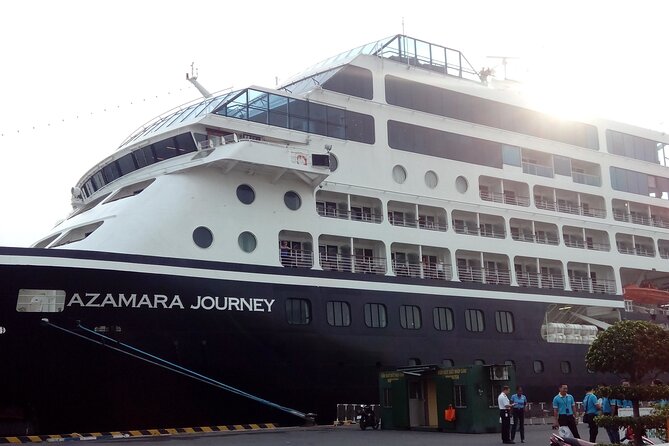
You start the morning at 7:30–8:00am at the Phu My port gate. Your guide holds a sign with your name, and you simply walk or take a short shuttle (about 5 minutes) from the ship to the main gate.
From there, it’s roughly 1.5 hours by private mini-van into Ho Chi Minh City (Saigon). That matters because it lets you arrive with time to see the key districts while your day is still fresh, not late and tired.
This is a private tour, so only your group travels in the van. That usually makes it easier to keep a steady pace through busy areas like markets and central streets.
You’ll also want to remember the big-picture goal: the day is arranged so you can return on-time to board your cruise ship. If you’re the type who likes to run on curiosity, the structure helps you avoid the classic last-day panic.
You can also read our reviews of more private tours in Ho Chi Minh City


Chợ Lớn and Thien Hau Temple: where Saigon’s sea-linked faith meets trade
Chợ Lớn is Saigon’s Chinatown, and this stop is more than a quick look at a few streets. You’ll spend about 45 minutes in the area tied to wholesale market life, with the setting rooted in the community’s long presence in the city.
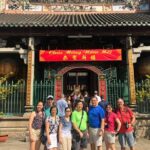
Then you continue to Ba Thien Hau Temple, where you’ll have around 30 minutes. This is dedicated to Mazu, the Chinese sea goddess. The temple’s story connects to protection for sailors and people traveling by sea, including the legend of Mazu moving through the sky on a mat or cloud to rescue those in trouble.
What I like about this pairing is that it gives you two sides of the same neighborhood identity. One side is the day-to-day rhythm of trade, goods, and community. The other is the spiritual reason people have gathered in this place for generations.
A practical thought: temples can mean slower entry, respectful viewing, and people praying close together. Wear something comfortable for a few standing minutes, and plan on simple patience—this is part of the experience.
Central Saigon essentials: wet market, French-era landmarks, and classic streetscape views
After Chợ Lớn, the route moves toward the center of Saigon and you’ll hit several major landmarks in a single run. The timing is tight enough that this feels like a highlights circuit, but the order is smart: you start earlier and catch the busy city areas before they fully peak.
You’ll see a local wet market as one stop. Even if you don’t shop, this is one of the fastest ways to understand how daily life works in the city—food, movement, and the constant “something is happening” energy of a working market.
From there, you’ll pass through the French colonial core with stops tied to:
- City Hall / People’s Committee building
- Opera House
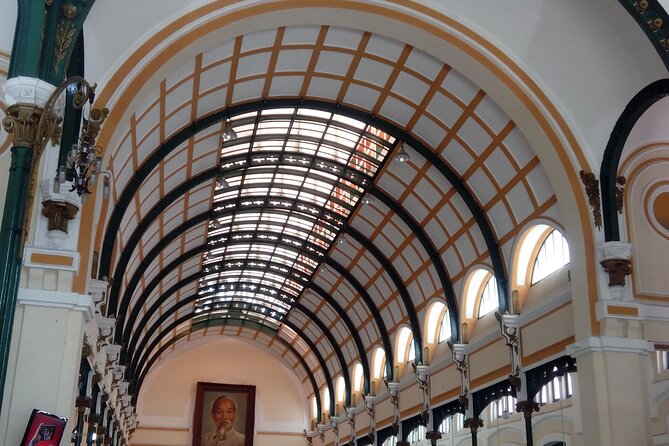
- Central Post Office
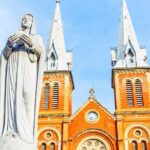
- Saigon Notre Dame Cathedral
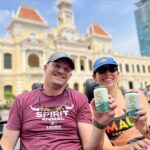
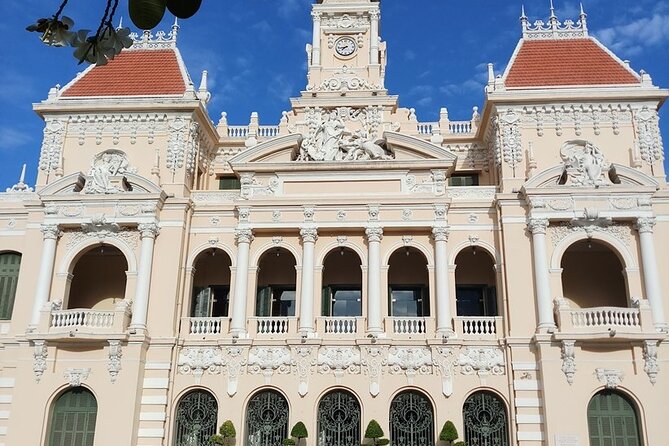
The People’s Committee building is described as French colonial architecture with a garden setting, originally constructed as a hotel in 1898. That detail matters, because it explains why the buildings here feel “designed” in a European way even though the street life is unmistakably Vietnamese.
For your photo strategy, think in layers:
- Wide shots for the big architecture
- Close shots for doors, facades, and street details
- Quick portraits only when there’s a clear angle and you won’t block foot traffic
The tour’s value is that you don’t need to navigate between these points yourself. You’re dropped into the right areas, with an English-speaking guide to help connect what you’re seeing to what it meant historically.
War Remnants Museum vs. Independence Palace: pick your Vietnam War viewpoint
The day includes an important choice: War Remnants Museum or Independence Palace (also known as the former Presidential Palace). Both have admission included, and both give you a different lens on the same era.
War Remnants Museum (about 50 minutes)
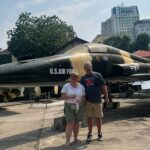
This museum opened in 1975 and was once known as the Museum of American War Crimes. It’s described as a shocking reminder of the long and brutal Vietnam War, with graphic photographic content.
If you choose this option, treat it as an emotional stop, not just a “see the exhibits” checkbox. Plan to slow down and read what you can. This place can be heavy, so having a guide is helpful for context—especially when you want to understand why certain stories were shown in this way.
You can also read our reviews of more tours and experiences in Ho Chi Minh City

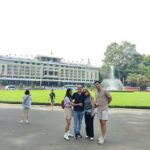
Independence Palace (about 45 minutes)
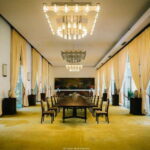
Independence Palace was the base of Vietnamese General Ngo Dinh Diem until his death in 1963. It became globally known in 1975, and the story includes a tank that crashed through an entrance during the final days of the conflict.
If you choose the palace, you’ll likely get a more “place-as-a-museum” experience: rooms, walls, and architecture tied to how power functioned during that time. It’s history you can walk through, not history you only look at.
How to decide
If you want an exhibit-heavy, documentation-based view, go museum.
If you want a walk-through of government spaces and a strong sense of how those days played out in a physical setting, choose the palace.
Either way, you’re getting a core part of Saigon that most first-time visitors miss when they stay only in shopping streets and landmark selfies.
Ben Thanh Market and Notre Dame: souvenirs and the famous postcard contrast
The itinerary includes Ben Thanh Market for about 30 minutes. It’s a solid place to pick up local handicrafts, branded goods, Vietnamese art, and souvenirs. It also has eating stalls inside, which is useful if you’re hungry right after the central stops.
Important note: Ben Thanh time is limited. This is best for quick browsing and last-minute purchases, not a deep bargain spree. Keep your expectations realistic: you’ll want to move with purpose.
You’ll also see Saigon Notre Dame Cathedral as a stop in the central circuit. The contrast is part of why people like this area: French-era architecture in a very Vietnamese street setting. Even if you only do a brief look, it helps you understand the city’s layers.
A tip that keeps things smooth: set a “purchase plan” in your head before you arrive. Decide what you’re buying (small art, textiles, magnets, or something else) so you’re not spending all your market time comparing everything.
Lunch, bottled water, and air-conditioning that actually matter
A lot of shore excursions feel like a full day until you realize you’re buying water on the sidewalk and paying your way into every museum. Here, you get the basics handled well:
- Lunch at a local restaurant
- Bottled drinking water
- A/C private transportation
- Entrance fees covered for the included sites
For a cruise day, that’s big value. Heat and walking fatigue are real, and A/C isn’t a luxury here—it’s a practical way to keep your energy from collapsing before the afternoon.
You’ll also have an experienced English-speaking tour guide, which helps with more than explanations. It helps you understand what matters most in each stop and how to spend your limited time without missing the “why.”
One more practical point: the day mentions a moderate physical fitness level. That lines up with what you’ll feel—some walking, some standing, and short transfers.
Price and value: is $118 per person a good deal?
At $118 per person for a private, guided, A/C day with lunch and included entrance fees, the value depends on what you compare it to.
If you’re thinking of doing it alone, you’d need to pay for:
- private transport or multiple taxis
- a guide (or your own research time)
- museum tickets
- lunch
- water and small incidentals
This tour folds many of those costs into one price. You’re also booking ahead of time—often about 30 days in advance—which suggests it’s a popular way to see the city efficiently.
Add the “cruise-day protection” element: the plan is designed so you return on time. That alone can be worth real money to you if you’ve ever had to sprint across a port or scramble with transport after delays.
If you’re traveling in a group, check whether the tour uses group discounts on top of that basic private setup. The more people split the experience, the easier it becomes to justify over self-guided travel.
Guides: the difference between facts and understanding
The reviews point to guides who make the day click. Names that come up include Khang and Lee, both praised for sharing Vietnam War and cultural context in a way that stays useful, not just recited.
Khang is specifically mentioned as friendly and helpful, with interesting historical facts tied to Vietnam and the war period. Lee is described as excellent, with lessons about life and culture that make the time feel more connected.
What matters for you: good guiding changes how you feel about stops like the War Remnants Museum or Independence Palace. Instead of just seeing rooms and plaques, you get meaning—why this site exists, why it’s described this way, and how it fits into the bigger story of Saigon.
Who should book this Private Unseen Parts of Saigon tour?
This is a strong match if you:
- want a first-timer-friendly overview of Saigon in a single day
- are on a cruise and need on-time return planning
- prefer a guide to connect culture + history + city landmarks
- like the idea of seeing both Chinese heritage (Chợ Lớn) and central French-era architecture
It’s also great for travelers who don’t want to micromanage transport between scattered sights.
The main mismatch is for people who want long, slow stays at one location. With multiple major stops and limited time at each, you need to be comfortable moving through a packed schedule.
Should you book this day in Saigon?
I’d book this tour if you want a well-structured “greatest hits plus context” day, especially on a cruise schedule. The combination of private A/C transport, lunch, bottled water, and full entrance fees makes it feel fair priced for what you get.
I’d think twice only if you hate tight timing, dislike markets, or feel uncomfortable with museum content that can be intense. If you choose between the War Remnants Museum and Independence Palace, make that choice based on your own comfort level—and your interest in documentary vs. walk-through history.
If your plans are flexible, there’s also free cancellation up to 24 hours before the start time, which reduces risk if your ship schedule changes.
FAQ
What time does the tour start?
The tour starts at 7:30am, with the guide meeting you between 7:30 and 8:00am at the Phu My port gate using a sign with your name.
How do I get from the cruise ship to the meeting point?
You walk or take a short shuttle ride (about 5 minutes) from your ship to the main gate, where your guide meets you.
How long is the tour?
The duration is listed as about 8 hours, and the day is planned to return you on-time to your cruise ship.
Is the transportation air-conditioned?
Yes. The tour includes private A/C transportation.
What main sights are included in the day?
You’ll visit Chợ Lớn (Chinatown) and Thien Hau Temple, then central Saigon highlights such as a local wet market, City Hall / People’s Committee building, Opera House, Central Post Office, Saigon Notre Dame Cathedral, and either the War Remnants Museum or Independence Palace.
Is lunch included?
Yes. Lunch at a local restaurant is included, along with bottled drinking water in the vehicle.
What’s included in the price and what’s not?
Included are private transportation with A/C, lunch, bottled water, an English-speaking tour guide, and full entrance fees. Not included are personal expenses like phone and shopping, and other private expenditures not mentioned as included.