REVIEW · HO CHI MINH CITY
Saigon Slum Tour with Motorbike
Book on GetYourGuide →Operated by CONNECT CULTURE CO.,LTD · Bookable on GetYourGuide
Saigon looks one way from the landmarks. This tour takes you into the real contrast on a motorbike, moving from upscale streets toward the neighborhoods most visitors never see. You get a fast “big picture” view of Ho Chi Minh City, plus a guided look at how people work, live, and survive in very different conditions.
I especially like the range of slum areas you visit, from inside the city center to parts near the river and even the floating-market zone. I also like that the experience is led by English-speaking guides with names you’ll hear a lot in the reviews, like Jay, Duy, Peter, Rosalyne, Anna, Hana, Flora, Che, and Zack, who focus on daily life and practical context rather than just sightseeing.
One possible drawback: you’re on the road a lot. In a shorter option, expect time in transit, and the scooter ride may feel intense if you don’t enjoy traffic or close quarters even with a helmet and poncho.
In This Review
- Key highlights at a glance
- Riding the Scooter: Why This Tour Feels Different
- The Starting Point: From Luxury Districts to the City’s Edges
- City Center Slums: Seeing Work and Everyday Life Up Close
- The Old Mafia-Area Stops: History Through Streets, Not Text
- Districts 5 to 7 by the River: A Different Kind of Life
- The Floating Market Area: How It Fits the Contrast Story
- Watching Dismantling and Re-Construction Happen
- Charity Food Stall: The 2,000 VND Rice Meal Stop
- Safety, Comfort, and What to Bring for Scooter Riding
- Price and Value: What $16 Buys You in Real Terms
- Who This Tour Suits Best (And Who Might Skip)
- Should You Book This Saigon Slum Tour?
- FAQ
- How long is the Saigon slum tour with motorbike?
- Is there an English-speaking guide?
- What’s included in the price?
- Where does free hotel pickup apply?
- What should I bring?
- Is cancellation allowed?
Key highlights at a glance
- A rich-to-poor Saigon loop on motorbikes that helps you see the city’s split personality
- Multiple slum zones including the city center, an old mafia-area area, and river districts 5 to 7
- Local guide storytelling focused on how residents live and how the government supports the areas
- A charity food stall stop, with a rice meal sold for 2,000 VND
- Safety gear and accident insurance included, plus very high ratings for transport safety
- Free pickup limited to Districts 1, 3, and 4 (otherwise a 5 USD per-person surcharge)
Riding the Scooter: Why This Tour Feels Different
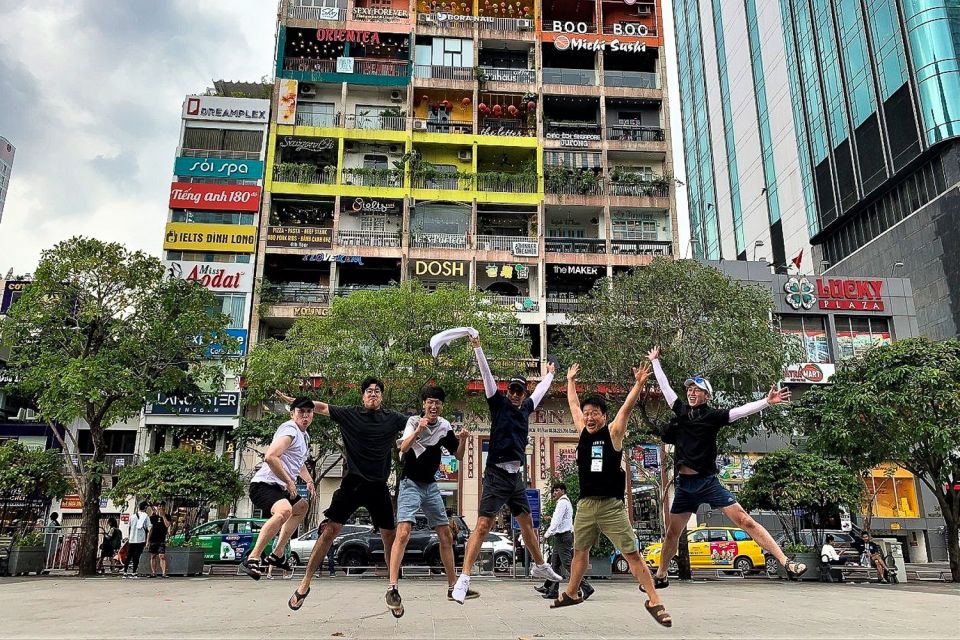
If you’ve only seen Ho Chi Minh City from the sidewalk, you’re missing something big. Saigon is built for movement. This is the kind of tour where you get your bearings fast and start to understand the city’s speed, shortcuts, and street rhythms. Sitting on the back of a scooter makes the contrast hit harder too—you watch how streets change as you turn corners, not as you step out of an air-conditioned bus.
Another reason it works: you aren’t stuck at one “poverty viewpoint.” Instead, you’re passing through different neighborhoods while your guide explains what you’re seeing. Many people love that the guides make it conversational. Guides like Duy or Anna, for example, are praised for sharing history and local context, while still keeping the ride fun and readable.
Your safety setup matters here. You’re provided a helmet and poncho, and the tour includes accident insurance. Reviews also point out that skilled drivers help you feel calm. One person said they were “hands free” by the end of the ride—meaning you stop white-knuckling the traffic after a bit.
You can also read our reviews of more tours and experiences in Ho Chi Minh City.



The Starting Point: From Luxury Districts to the City’s Edges
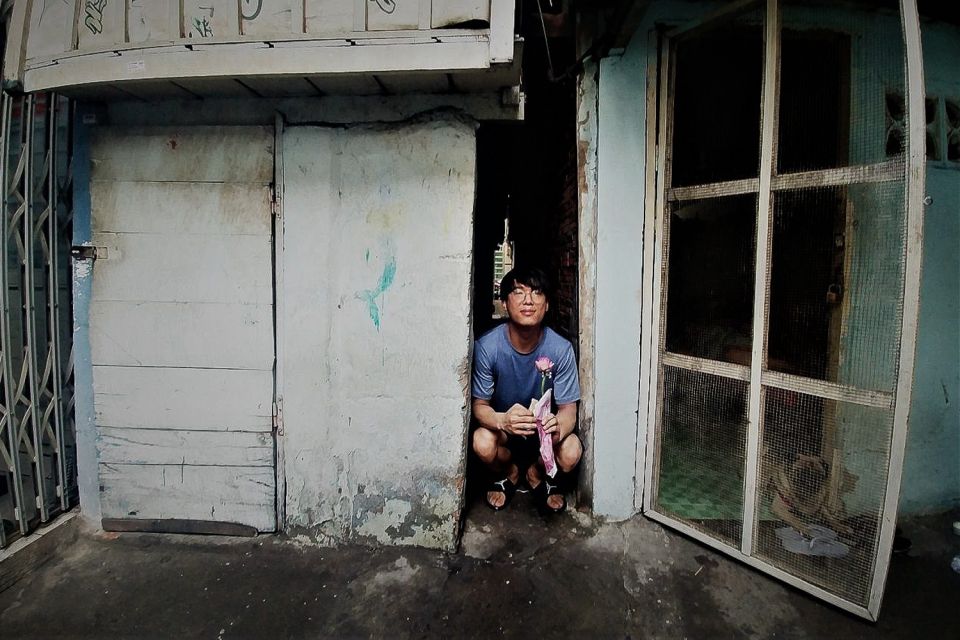
The tour is built around a strong contrast: you start in an area that feels upscale and tourist-friendly, then gradually shift toward neighborhoods most visitors skip. The goal isn’t shock value. It’s perspective. You’ll be comparing what the city looks like from inside the comfortable zones versus what it looks like when you step into communities shaped by limited income and ongoing change.
Pickup is typically at 8:00 AM, and it’s included if you’re staying in Districts 1, 3, or 4. If not, the operator applies a 5 USD per person surcharge on the day. If you’re not in the included districts, it’s worth planning around this so the tour feels smooth rather than rushed.
As you ride out, your guide frames what you’ll see. Expect talk about Saigon’s contrasts—rich and poor, old and new—plus how everyday routines look in different parts of the city. One of the best parts is that the tour is time-efficient: you see a lot, but it still feels guided instead of chaotic.
City Center Slums: Seeing Work and Everyday Life Up Close
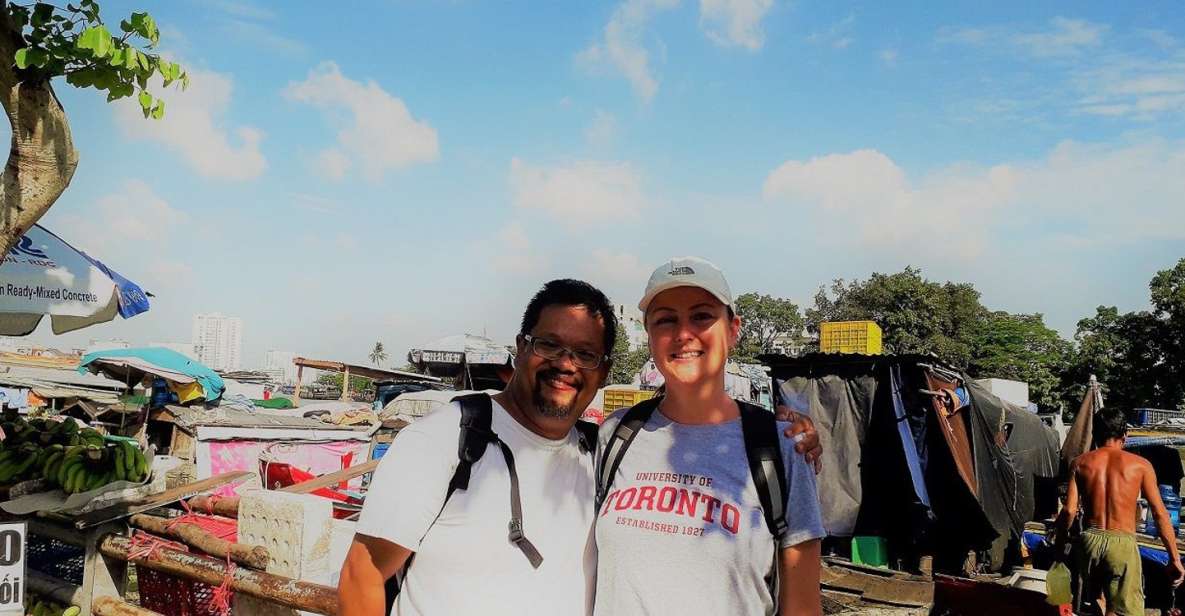
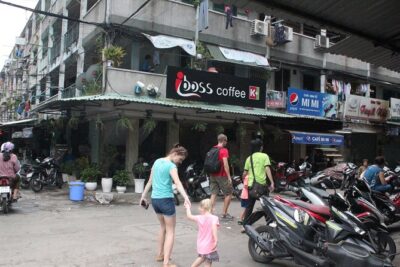
One of the main stops focuses on the slums inside the city center. This is where the differences can feel sharp. You’ll likely notice how daily life is structured around available space: small businesses, home routines, and street-level work that keeps communities running even with fewer resources.
This part is valuable because you’re not just looking at buildings. You’re hearing what people do and how they handle everyday problems. Guides often connect the dots between what you can observe on the street and what that means for families living there—especially around work, access, and community support.
A practical note: this is an area where respectful behavior matters. Keep your questions thoughtful, listen first, and follow your guide’s pacing. Several reviews mention friendly interactions with residents and emphasize that a smile goes a long way.
The Old Mafia-Area Stops: History Through Streets, Not Text
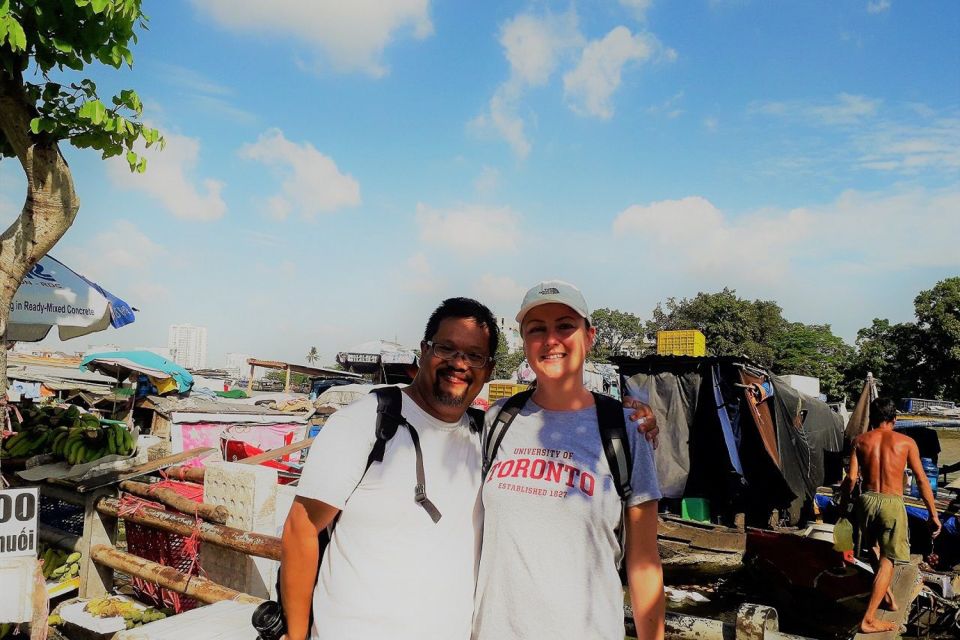
Another slum pocket you may visit is tied to the old mafia-area neighborhood. This sounds dramatic, but the point is usually grounding: how older Saigon developed, how certain districts evolved, and why some communities stayed close to older patterns of survival.
The best guides here don’t throw dates at you. They explain what the street layout suggests, how neighborhoods changed over time, and what that means for the people you’re meeting now. Some reviewers specifically highlight guides who bring strong English and a sense of humor—like Eddie Nguyen, or the pairings mentioned in the reviews—so the learning stays human instead of classroom-like.
You should also expect the guide to offer opinions, not just facts. Part of the tour’s value is the guide’s viewpoint on the relationship between the city’s wealthier areas and the poorer neighborhoods inside the same urban machine.
Districts 5 to 7 by the River: A Different Kind of Life
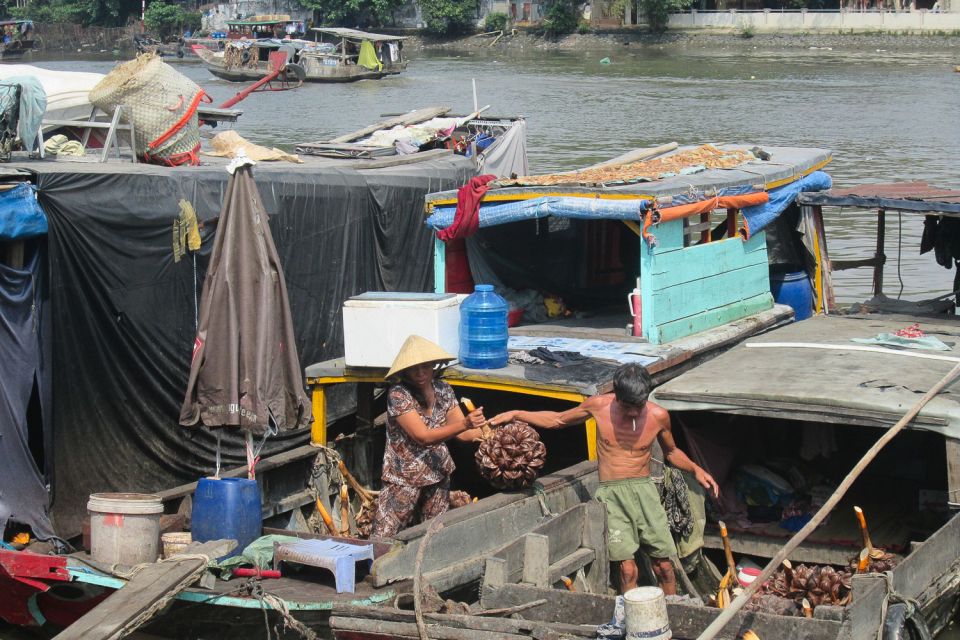
When the route moves into areas along the river, the atmosphere changes. You’re in a different rhythm now, with river-adjacent livelihoods, community patterns shaped by proximity to water, and neighborhoods that can feel more fluid in how people move and use space.
This is one of the most interesting sections for many people because it adds variety. You’re not only comparing “center vs. outside.” You’re seeing how geography changes daily life. Reviews also mention a riverside fruit market experience as part of the overall city loop on similar versions of the tour, which gives you a chance to see everyday commerce alongside the slum areas.
Districts 5 to 7 are where that river connection shows up most. Your guide’s role is key here: they help you understand why the same city can function so differently block by block.



The Floating Market Area: How It Fits the Contrast Story
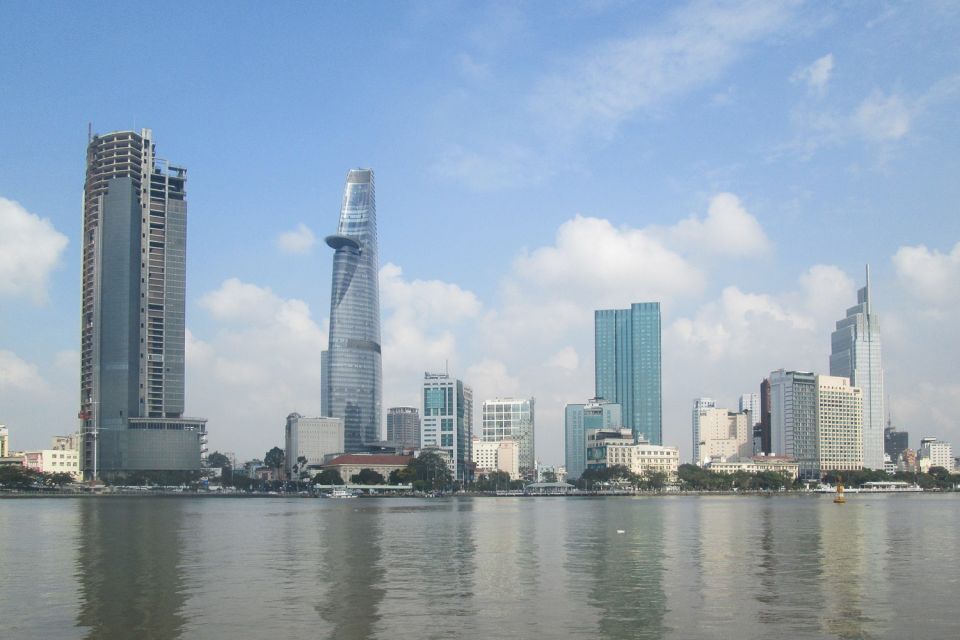
The tour description includes stops that reach the floating market area. In practice, this can add an unexpected layer: you see not only “hardship” but also the local ways people make a living through trade and movement.
This doesn’t turn the tour into a market-food adventure. Instead, it fits the larger theme: Saigon is full of systems that keep people working, and those systems appear in many forms—whether it’s street-level trade or water-linked commerce.
If you’re the type of traveler who likes context, this stop is useful. It helps you connect the dots between the city’s public-facing economy and the less visible, more informal economic world that supports daily life.
Watching Dismantling and Re-Construction Happen
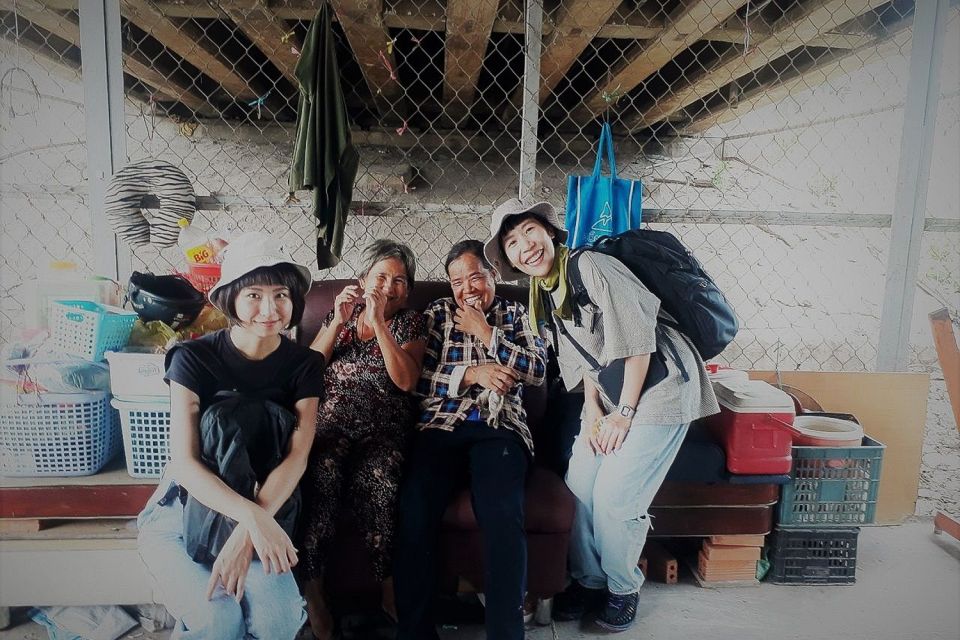
One of the tour’s stated goals is showing slums in the process of dismantling and re-construction. That’s important, because it changes the story from static poverty to an active, shifting reality.
Instead of treating slum areas like museum exhibits, the tour frames them as living communities being reshaped. Your guide may explain how the local system works and how support is provided (as described in the tour overview). Even if you don’t catch every detail, you’ll walk away with a better sense of how change affects families on the ground.
This is also where your expectations should be clear. You’re not going to see a neat “before and after” moment. You’re going to see a city working through change in real time, with uneven results.
Charity Food Stall: The 2,000 VND Rice Meal Stop
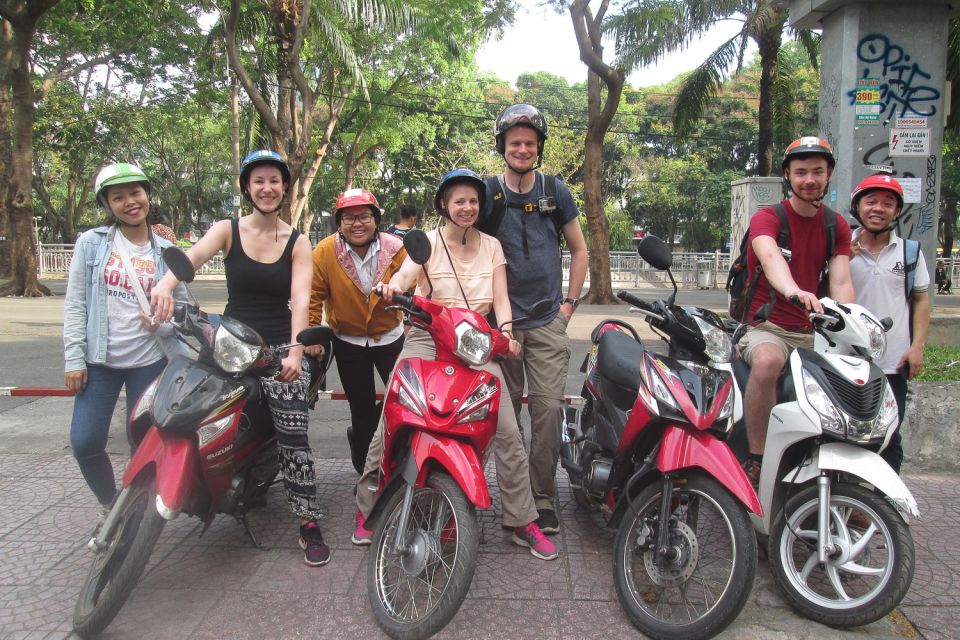
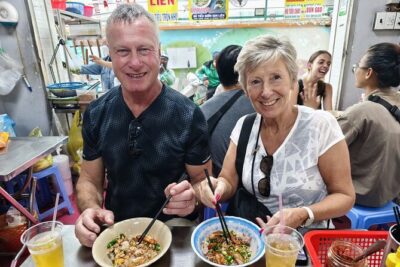
One of the most grounded moments on this tour is the stop at a charity food stall, where a rice meal is sold for 2,000 VND. This isn’t an abstract lesson. It’s a simple, observable system of feeding people who need a meal.
You’ll also get a local drink included—coconut, coffee, or another local option—plus photos are included. These are small things, but they matter because they give you a break during a tour that mixes riding, stops, and sensitive conversations.
Practical tip: bring a bit of patience at the stall stop. It’s not about speed. It’s about letting the moment stay respectful and focused on what it’s doing.
Safety, Comfort, and What to Bring for Scooter Riding
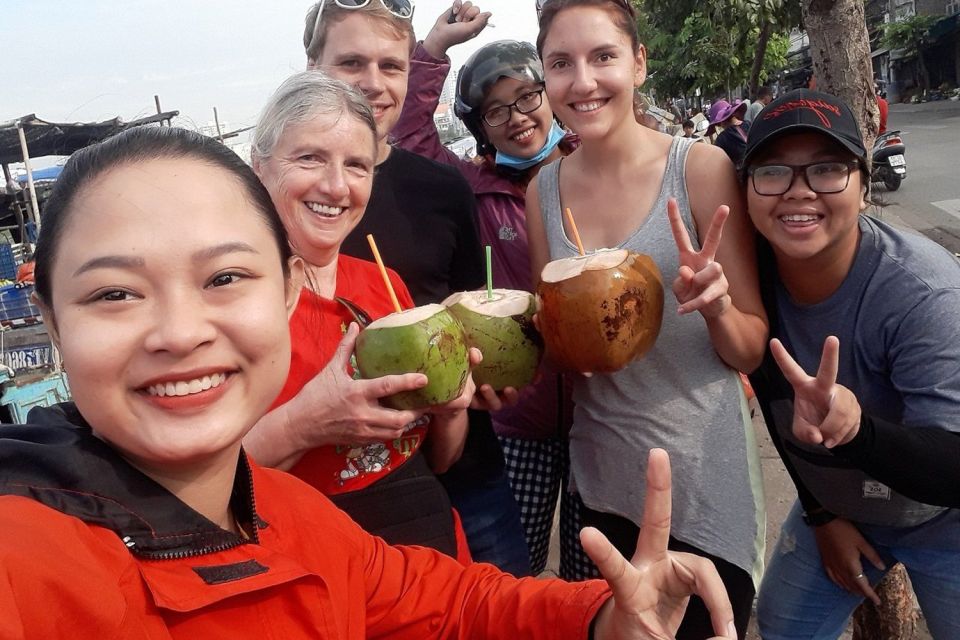
The tour provides helmets and ponchos, and accident insurance is included. That’s the baseline. The bigger comfort factor is how the drivers handle traffic. Reviews repeatedly praise the drivers for safety and skill, even for first-timers. One person shared that they started the tour nervous at around 55 km/h and ended up feeling more confident.
Still, scooter riding is scooter riding. If you’re sensitive to tight spaces, loud traffic, or long rides, you’ll want to plan mentally.
What you should bring is simple: comfortable shoes. Wear something you can walk in during any short stops and alley visits. Also, have a good attitude about photos—your guide may take photos for you as part of the experience.
Transport safety is rated highly. In the tour data, 96% of reviewers gave transport a perfect score, which is a strong signal that the logistics are taken seriously.
Price and Value: What $16 Buys You in Real Terms
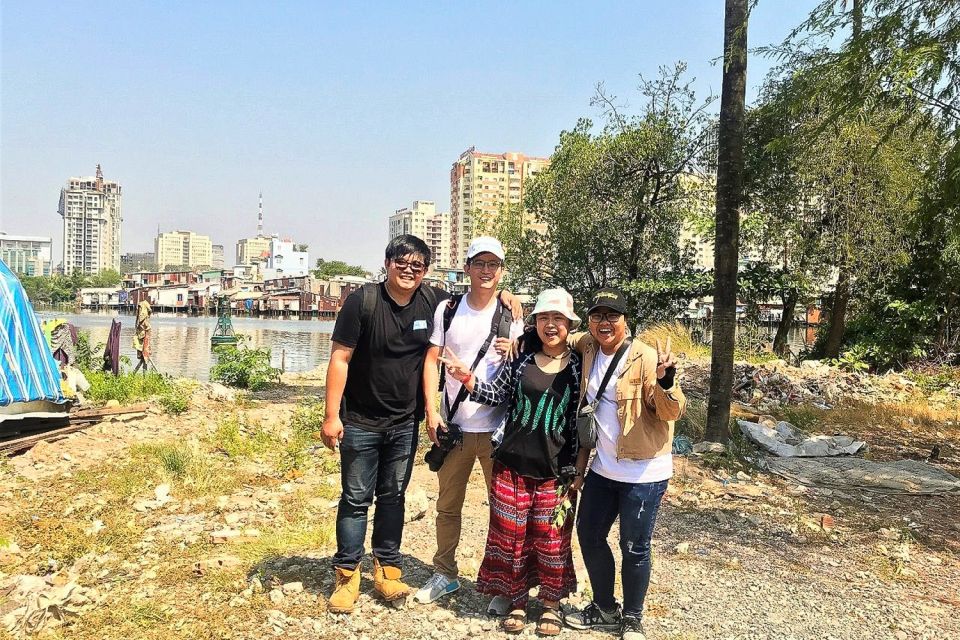
At $16 per person, this tour is priced like a budget city experience, but it includes a lot of real components: hotel pickup and drop-off (within Districts 1, 3, and 4), local guides, motorbikes, helmets, and ponchos, photos, one local drink, and accident insurance.
What you’re paying for isn’t only the ride. You’re paying for access—moving through areas you likely wouldn’t reach on your own, and getting explanations from guides who have a reason to speak about what you’re seeing. If you’re trying to get a first, honest orientation to Ho Chi Minh City, this can be better value than spending that money on a “standard sights” loop that mostly teaches you what you already knew from guidebooks.
If you want a different comfort level, the tour also offers a car option for extra cost:
- 7-seat car: 50 USD surcharge
- 16-seat van: 70 USD surcharge
(These are support options, and should be booked before 24 hours.)
And for style-minded upgrades, the tour notes an Ao Dai rider option for an extra fee, which could be fun if you enjoy dressing up while still seeing real neighborhoods.
Who This Tour Suits Best (And Who Might Skip)
This tour is a strong fit if you want:
- a quick orientation to Ho Chi Minh City in a few hours
- city contrasts explained through neighborhoods, not brochures
- a motorbike day with English-speaking guides who talk history, daily life, and local viewpoints
It’s also a great pick for first-time visitors who feel comfortable asking questions and staying respectful in sensitive spaces.
You might consider skipping if:
- you strongly dislike scooter rides in traffic (even with helmets and skilled drivers)
- you prefer to plan your own route and don’t want guided conversation
- you want a slower pace with lots of time sitting and observing (some time is spent moving)
The reviews often emphasize that the tour works well as a day-2 activity—after you’ve already seen the more typical tourist corners. That timing helps you understand what you’re comparing.
Should You Book This Saigon Slum Tour?
If you’re looking for an introduction to Ho Chi Minh City that goes beyond the postcard version, I’d say this is worth booking. The biggest selling point is the educated contrast: you see luxury areas, then ride into city-center slums, river districts, and the floating-market zone, while guides explain how people live and how support works.
Just be honest with yourself about two things: you’ll be on a scooter in busy traffic, and you’ll be seeing real poverty and ongoing change. If that sounds like the kind of learning you want, then $16 plus the included safety gear, guide time, and charity-meal stop is a very solid value.
FAQ
How long is the Saigon slum tour with motorbike?
The tour is offered in durations from 2 to 4 hours, depending on the option available.
Is there an English-speaking guide?
Yes, the tour includes a live guide who speaks English.
What’s included in the price?
Included items are hotel pickup and drop-off (within District 1, 3, and 4), local guides, motorbikes, helmets and ponchos, photos, one local drink, and accident insurance.
Where does free hotel pickup apply?
Free pickup is included for hotels in Districts 1, 3, and 4. If you stay outside those areas, there is a 5 USD per person surcharge on the day. There is also a meeting point listed at 212 Lê Lai, Phường Phạm Ngũ Lão, Quận 1.
What should I bring?
Comfortable shoes are recommended.
Is cancellation allowed?
Yes. You can cancel up to 24 hours in advance for a full refund.