REVIEW · HO CHI MINH CITY
Saigon: Private Half-Day Car Tour of Ho Chi Minh City
Book on GetYourGuide →Operated by Vn biketour · Bookable on GetYourGuide
Four hours. Big Saigon energy.
I love the comfort of a private, air-conditioned car that keeps you moving between major sights without turning the day into a sweaty sprint. I also love the way your guide ties the stops together with practical context, like the Central Post Office’s design story (including the common Eiffel mix-up and the real name, Alfred Foulhoux). One thing to plan for: you’ll have to choose between the War Remnants Museum and Reunification Palace, so you can’t do both in this half-day.
This tour works especially well as your first taste of Ho Chi Minh City, because it’s built like an orientation walk through the city’s main eras and rhythms. Guides I saw mentioned in bookings—people like Kim, Kate, Ken, Yang, Ngoc, and Elvis—are repeatedly praised for clear explanations and for keeping the schedule realistic, even in peak heat. If you’re tight on time, this is the kind of plan that saves you from bouncing around town on your own.
In This Review
- Key Things To Know Before You Go
- Private Car Comfort in Ho Chi Minh City: Worth Paying for Heat Relief
- Ben Thanh Market: Where to Start and What to Look for
- Notre-Dame Cathedral Basilica of Saigon: The Architecture Stop (With Real Life Around It)
- Saigon Central Post Office: The Eiffel Rumor You’ll Hear
- The Choice Moment: War Remnants Museum or Reunification Palace
- If you pick the War Remnants Museum
- If you pick the Reunification Palace
- How to decide in real life
- Jade Emperor Pagoda: Taoist Worship in Plain Sight
- What the Private Format Actually Changes for You
- Guides and Drivers: The Difference Between Seeing Sights and Understanding Them
- Duration and Pacing: Can You Really See It All in 4 Hours?
- Price and Value: Is $62 Per Person a Fair Deal?
- Should You Book This Saigon Half-Day Car Tour?
- FAQ
- What is the duration of the tour?
- What’s included in the price?
- Is this tour private?
- Do I get to choose between two attractions?
- Which main sights are visited?
- Are food and snacks included?
- Are entrance fees included?
- What languages are available for the guide and audio?
- Is the tour wheelchair accessible?
- Is there a holiday surcharge?
Key Things To Know Before You Go
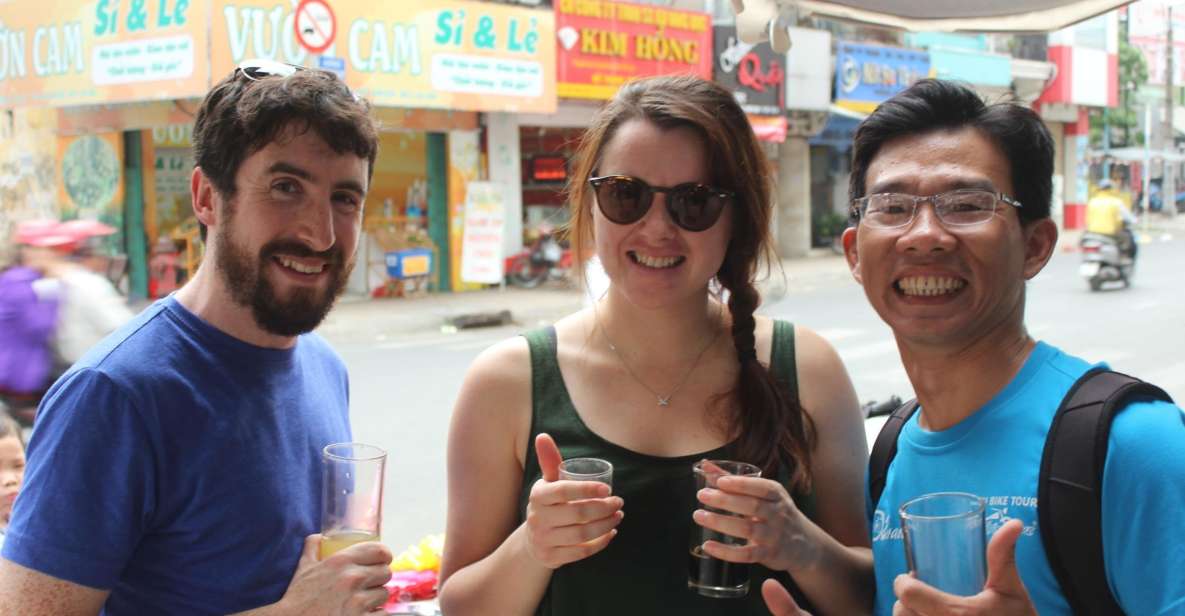
- Hotel pickup, private car, and real comfort: You start and end at your place and you stay cool.
- Ben Thanh Market first: Hit it early in the day while you can still think and shop.
- Notre-Dame Cathedral Basilica photo moment: You’ll see couples doing pre-wedding shoots at the right setting.
- Central Post Office with a quick myth-buster: Learn why people often credit Gustave Eiffel.
- Choose one of two history stops: War Remnants Museum or Reunification Palace.
- Jade Emperor Pagoda for Taoist worship: Expect prayer scenes focused on work, love, and fertility.
Private Car Comfort in Ho Chi Minh City: Worth Paying for Heat Relief
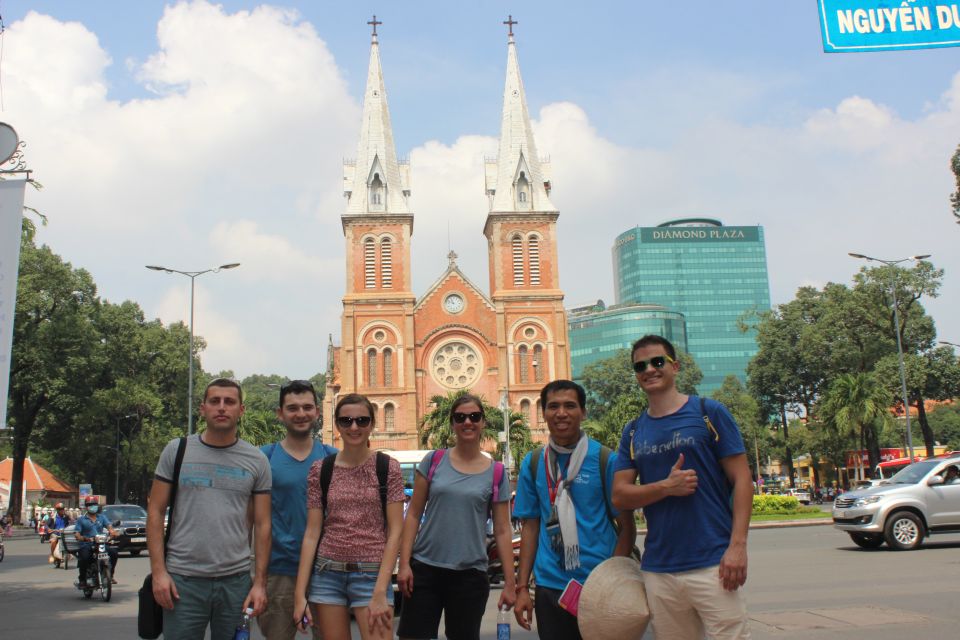
Saigon is hot. Even if the sky looks innocent, the humidity can hit hard. That’s why I think a private, air-conditioned car is more than a “nice to have” here. In four hours, you want your time spent looking, asking questions, and absorbing the city—not bracing for the next walk in the sun.
This tour keeps the pacing efficient: you get picked up at your hotel, you drive between sights, and you return afterward. It’s also structured enough that you’ll see a lot of the big names without needing to figure out transport, tickets, and where to stand for photos. The included bottled water matters too. You don’t want to ration water while you’re trying to enjoy Ben Thanh Market.
One practical note: it’s called a private tour, and the vehicle is described as a quality air-conditioned private car. In at least one booking story, the group size was large enough that a bigger air-conditioned vehicle showed up. So if you’re traveling with more people than you expected, it’s worth confirming your exact vehicle plan, especially for comfort and pickup time.
You can also read our reviews of more city tours in Ho Chi Minh City


Ben Thanh Market: Where to Start and What to Look for
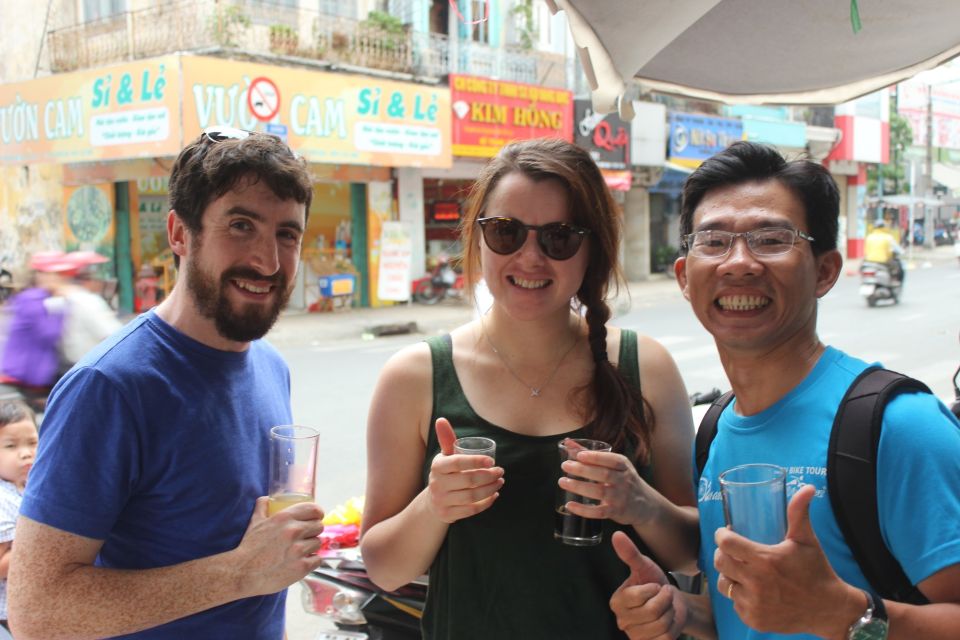
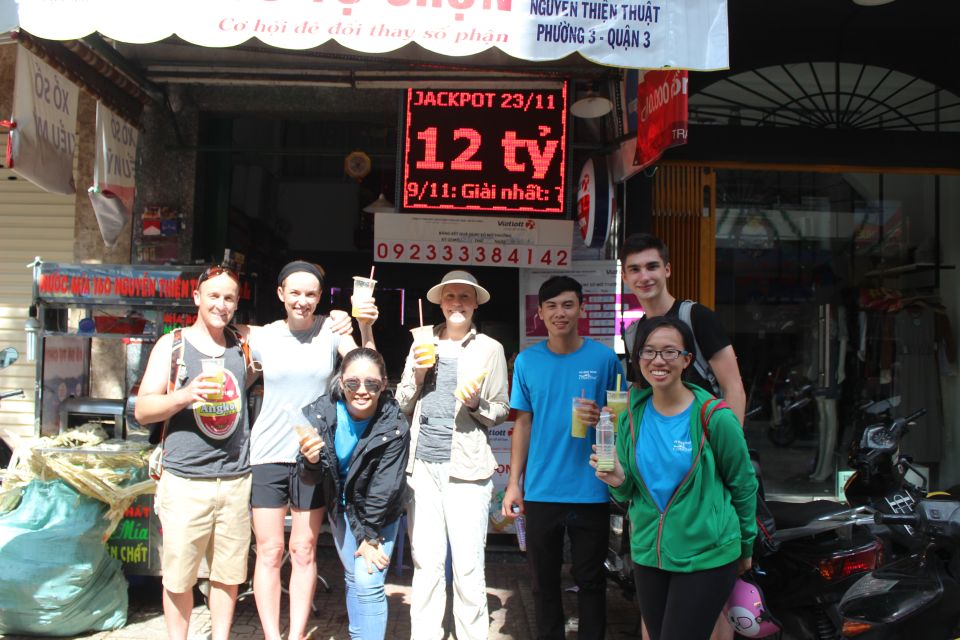
Your first stop is Ben Thanh Market, and I like that they start here. Markets are easier to handle earlier, before your legs are tired and before the afternoon heat makes every aisle feel longer than it is. You’ll have time to walk, look, snap photos, and understand the market’s rhythm.
What makes Ben Thanh worth your attention isn’t only the shopping. It’s the way daily life shows up in plain sight: vendors working, shoppers negotiating, and the constant flow of movement. If you’re the kind of person who likes to see how a city functions instead of only what it looks like in postcards, this is where you’ll feel it.
Your guide can also help you avoid the tourist trap of buying “souvenirs” you don’t actually want. They’ll point out what tends to be worth your attention—like kitchen equipment, garments, fruit, and other snacks or foods sold around the market area. You won’t be stuck; the stop is built to give you options without turning your morning into a shopping marathon.
Also, if you care about photos, this market is good for that too. The scenes are layered—signs, fabrics, stalls, baskets—so you can get shots that feel like real Saigon rather than a single landmark pose.
Notre-Dame Cathedral Basilica of Saigon: The Architecture Stop (With Real Life Around It)
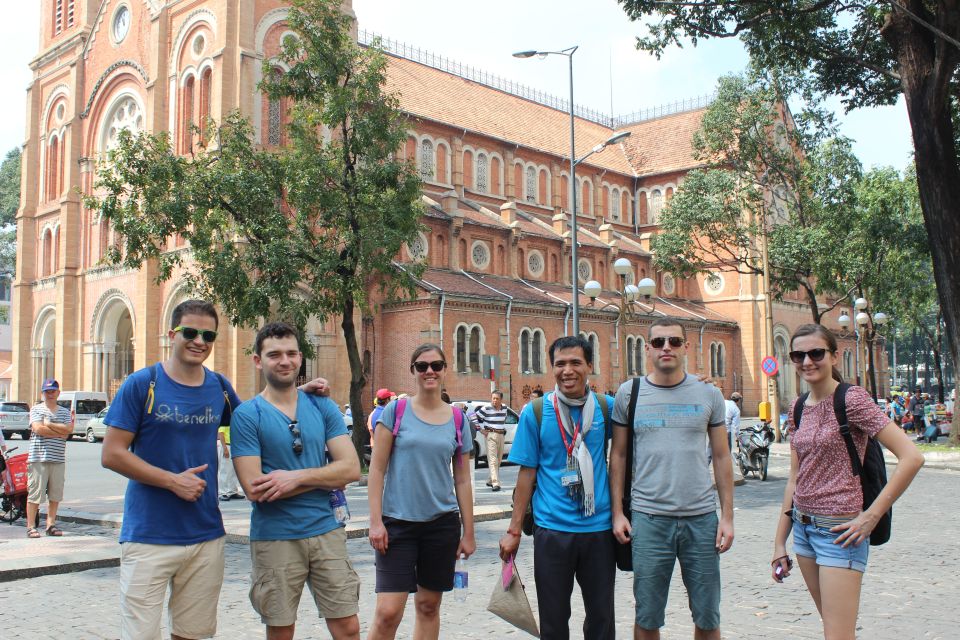
Next up is the Notre-Dame Cathedral Basilica of Saigon, a 19th-century landmark with that neo-Romanesque look people recognize from older European-style churches. This is a great stop for a couple reasons.
First, it’s visually satisfying in a straightforward way. The building holds your attention, especially from the front where you can see the façade clearly. Second, it’s not just empty stone. This is where local life shows up. One detail I find charming: you’ll often notice couples taking pre-wedding photos here, which adds motion and story to the setting.
If you’re trying to understand Saigon’s history in a quick run-through, this church helps. It signals French colonial-era influence without needing a full lecture. And since the cathedral is a major sight, the guide’s job is basically to point out what you’re looking at—why the design looks the way it does, and how it fits into the city’s larger timeline.
This is also a good moment to slow down and reset. You’ve already walked some in Ben Thanh. After the cathedral, you’re headed toward a building that feels more “functional” than “religious”—a shift that keeps your brain awake.
Saigon Central Post Office: The Eiffel Rumor You’ll Hear
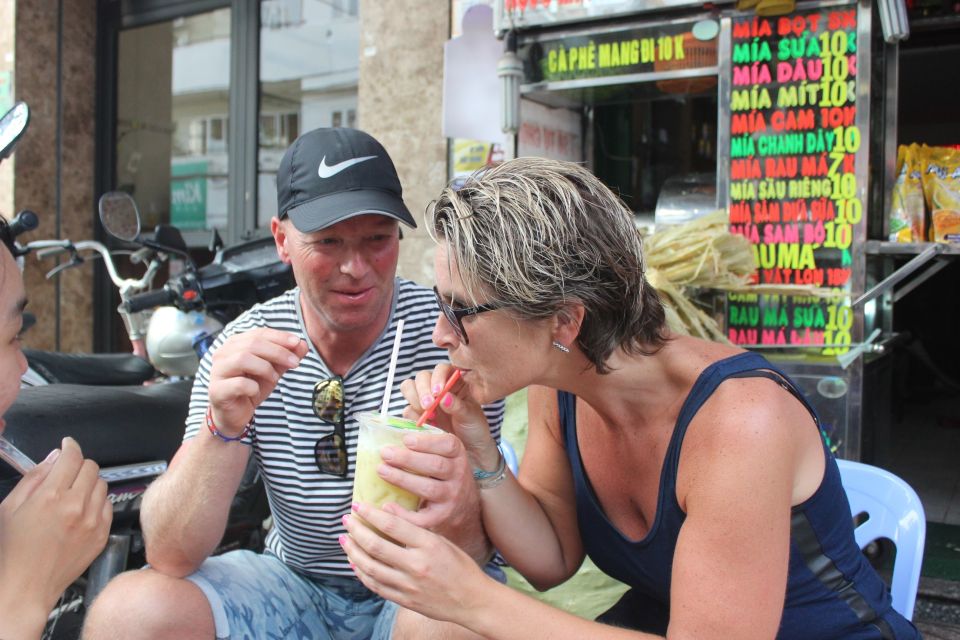
Then you’ll visit the Saigon Central Post Office, and it has a built-in conversation starter. People often mistake its design attribution and link it to Gustave Eiffel. Your guide should correct that with the real detail: it was designed by Alfred Foulhoux.
That quick myth-buster is exactly the kind of small history nugget that makes a guided tour feel worth it. You’re not just looking at a big old building—you’re learning why the story people repeat is wrong, and what that tells you about how history gets simplified.
The post office is also satisfying visually. It’s grand, with a sense of civic importance. Even if you don’t sit down for a long break, you’ll probably want a few photos inside or at the main hall if time allows. The building works as a “thinking stop,” where you can connect the dots between colonial-era planning, infrastructure, and how Saigon grew.
If you’re the sort of traveler who likes architecture but doesn’t want a full museum day, this is a great compromise. You get the key views and the story without needing to commit the whole afternoon.
The Choice Moment: War Remnants Museum or Reunification Palace
One of the best parts of this tour is that you get to choose between two major history sites: the War Remnants Museum or the Reunification Palace (also called the Independence Palace).
You can also read our reviews of more private tours in Ho Chi Minh City





If you pick the War Remnants Museum
You’ll learn more about the American War in Vietnam. This is the heavier option, the one you choose if you want context, records, and the hard side of history presented through exhibits. It can be emotional. It can also be one of the most educational stops in the city if you come with respect for what you’re seeing.
If you pick the Reunification Palace
This is the architecture-and-history option. The palace once served as the home and workplace of the President of South Vietnam during the Vietnam War. It’s a landmark of Saigon history and design, and it can feel easier to manage in a half-day because you can move through rooms and areas without it becoming only “read and look” time.
How to decide in real life
My practical advice: choose based on your mood that day. If you want to learn through exhibits, pick the museum. If you want to walk through political space and see how power was staged, pick the palace. Either way, you’ll get a major chapter of Saigon’s story in a tight timeframe.
Also, having the choice is not just a marketing feature. It’s a way to match the tour to your group. In one booking story, a history-focused person and a less history-focused family member made this decision smoothly, with the guide adjusting time on-site so everyone got what they wanted.
Jade Emperor Pagoda: Taoist Worship in Plain Sight
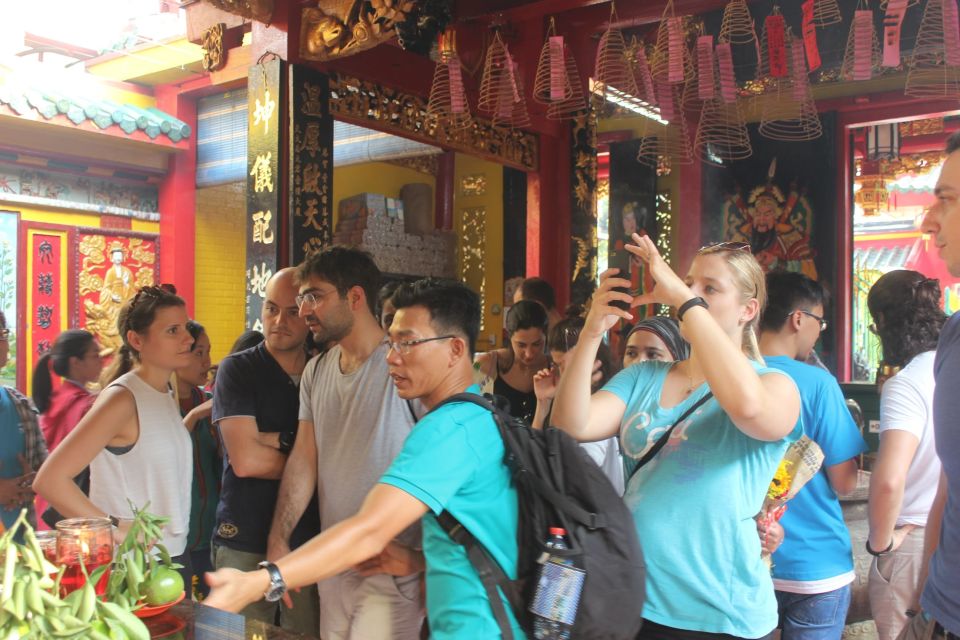
Your final big stop is the Jade Emperor Pagoda, and it’s a nice shift from museums and government-era architecture. Here you’re seeing Taoist worship culture up close.
What to expect: local worshippers praying for things tied to daily hopes—careers, love, and fertility. That focus keeps it human. You’re not watching a performance for tourists. You’re watching people ask for help, guidance, and good fortune in a setting that’s part temple, part active spiritual space.
This stop also tends to land well in a half-day format because you don’t need a long attention span. You can look, observe the rituals, take respectful photos if allowed, and then you’re done without the day running past your comfort level.
It’s a good capstone because it rounds out the picture. Earlier stops show colonial-era influence and wartime transitions. Here you see belief systems that still matter to everyday lives.
What the Private Format Actually Changes for You
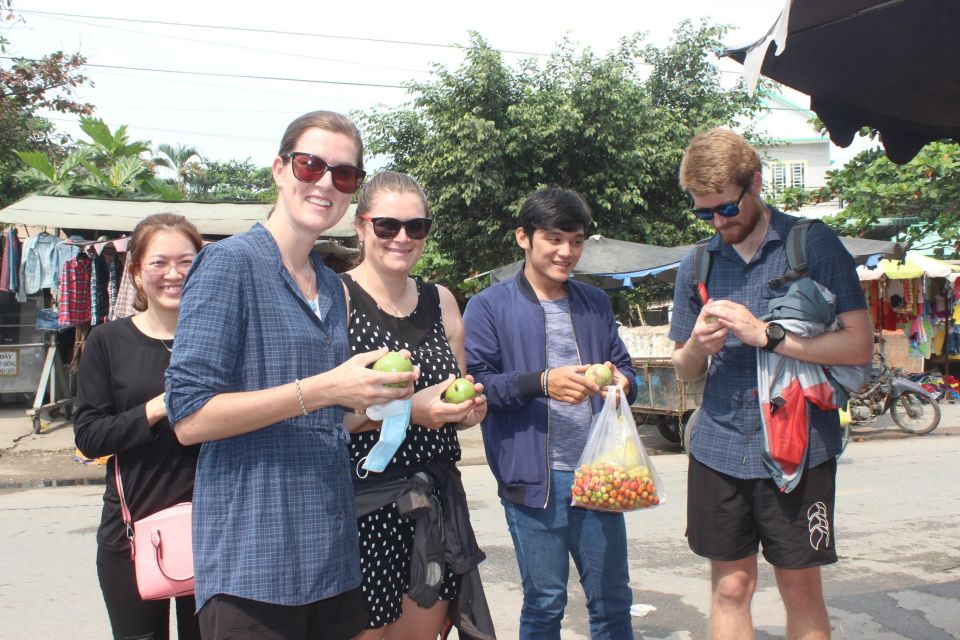
A half-day tour can be rushed—or it can be smart. This one leans toward smart, and that’s largely because it’s private and guided.
Here’s what that means for you, in real-world terms:
- You get hotel pickup and drop-off, so you don’t spend your limited time figuring out rides.
- You have a guide who can adapt the flow when you need a small change. Several booking stories mention flexibility about start time or adding small adjustments.
- You can move at a pace that fits your group. Even when the itinerary is fixed in spirit, guides can often manage timing inside each stop so you’re not stuck in a line with no context.
- You get unlimited bottled water, which helps you keep energy without overpaying at convenience stands.
Also, the tour includes entrance fees. That’s underrated value. In a short schedule, every “pay at the gate” delay is time you lose. Skip-the-ticket-line access helps too, especially around busy sights.
Guides and Drivers: The Difference Between Seeing Sights and Understanding Them
The car is comfortable. That matters. But the guide is what turns “we saw buildings” into “we understood what those buildings mean.”
From the guides named in bookings—Kim, Kate, Ken, Alan, Elvis, Tina, Yang, Martin, Tommy, Ngoc, Helen, Susan, Hunter, and Steve—you see a pattern: people like the way explanations land and the way guides stay organized. Several stories highlight safe driving and the fact that time was given fairly at each stop.
If you’re the kind of traveler who asks lots of questions, this is a good format. You can ask about colonial history, wartime changes, or how people practice faith today, and the guide can tie it directly to what you’re standing in front of.
If you prefer a lighter pace, you can also just listen and take notes mentally. Either way, the structure helps.
Duration and Pacing: Can You Really See It All in 4 Hours?
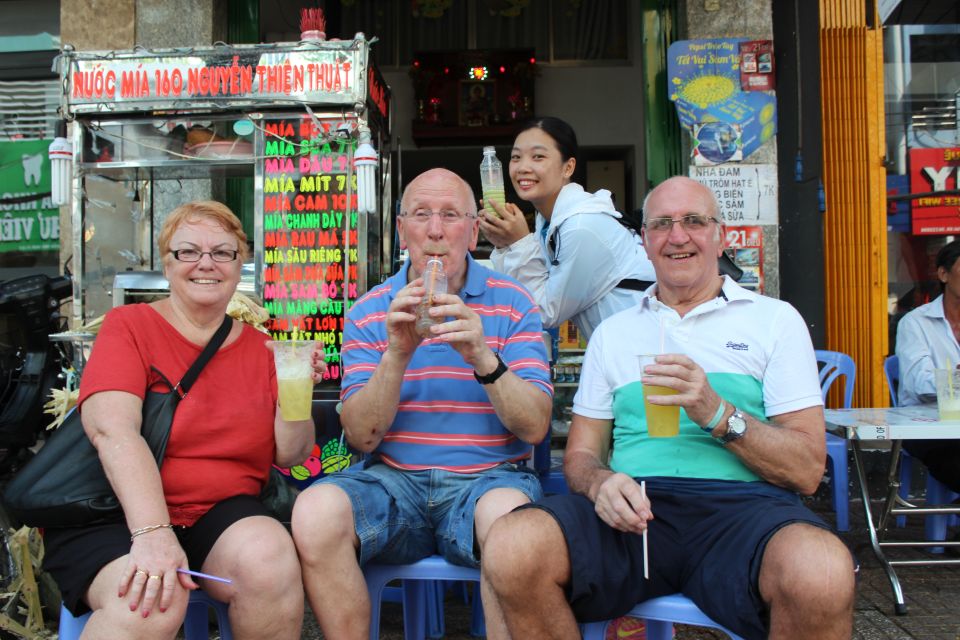
The duration is 4 hours. That’s short enough to feel manageable and long enough to get real value if you go in with the right expectations.
Here’s the pacing logic that makes this itinerary work:
- Early market stop for energy and photo opportunities
- Cathedral and post office as “look and learn” stops
- One major history choice so you get depth without overload
- Pagoda to close with cultural context, not just another monument
What you should understand: you won’t have “all-day” time at every building. This is not a slow wander. It’s a curated orientation tour with enough time to enjoy each place without turning it into homework.
The upside is huge if you’re short on time, traveling with limited mobility, or just trying to build a first-day plan that makes the rest of your trip easier.
Price and Value: Is $62 Per Person a Fair Deal?
At $62 per person for a private, air-conditioned car tour with an English-speaking guide, entrance fees, bottled water, and pickup/drop-off, the value is mostly about what you’re not paying for—and what you’re not doing.
You’re paying for:
- Convenience: pickup/drop-off and transport included
- Ticket logistics: entrance fees included and skip-the-ticket-line access
- Comfort: air-conditioned vehicle plus bottled water
- Interpretation: live guide narration (plus audio support in English, Chinese, and Japanese)
You’re not paying for:
- Food and snacks
- Personal expenses
So the real question is: do you value your comfort and guide time more than you value spending hours figuring out transit on your own? If yes, this price tends to make sense. In hot cities, saved transit time plus included admissions can make a big difference.
If you’re traveling ultra-budget with plenty of time and you enjoy DIY planning, you might feel it’s pricey. But if you want a concentrated and organized taste of Saigon’s top sights, this is the kind of booking that can pay off quickly.
Should You Book This Saigon Half-Day Car Tour?
Yes, if you want a focused, comfortable first pass through Ho Chi Minh City and you like having someone explain what you’re seeing. This is especially good if:
- You’re visiting for a short time and want the big landmarks in one run
- You care about both architecture and history, but you don’t want an all-day schedule
- You appreciate comfort in the heat, plus the sanity of hotel pickup
- Your group has mixed interests, since you can choose War Remnants Museum or Reunification Palace
Skip it if you want slow, deep museum time or if you already have a personal plan for each site. This tour is a smart overview, not a long-form replacement for a full day at either history stop.
If you book, bring comfortable shoes and clothes. Wear something you can handle in humidity, and plan to buy snacks or drinks on your own since food isn’t included.
FAQ
What is the duration of the tour?
The tour lasts 4 hours.
What’s included in the price?
Entrance fees, a professional English-speaking tour guide, a private air-conditioned car, free hotel pickup and drop-off in Saigon/Ho Chi Minh City, unlimited bottled water, travel insurance, and an audio guide (English/Chinese/Japanese).
Is this tour private?
Yes. It’s described as a private, air-conditioned car tour.
Do I get to choose between two attractions?
Yes. You can choose between visiting the War Remnants Museum or the Reunification Palace.
Which main sights are visited?
The tour includes Ben Thanh Market, Notre-Dame Cathedral Basilica of Saigon, the Saigon Central Post Office, and the Jade Emperor Pagoda. Plus one of the two history options (War Remnants Museum or Reunification Palace).
Are food and snacks included?
No. Food and snacks are not included.
Are entrance fees included?
Yes, entrance fees are included.
What languages are available for the guide and audio?
The live tour guide is available in English, Chinese, and Japanese, and the audio guide is also included in English, Chinese, and Japanese.
Is the tour wheelchair accessible?
Yes, the tour is wheelchair accessible.
Is there a holiday surcharge?
There is a 30% surcharge on Lunar New Year holiday (Feb 8–13).