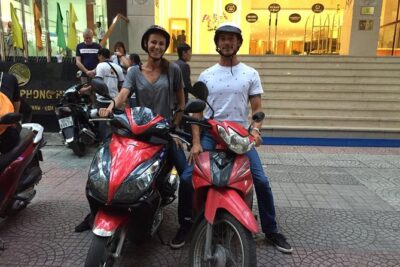
Saigon looks different from a motorbike. This tour is built for that feeling: you get outside views of classic landmarks and then swap the sightseeing box for local markets and food tastings most people never see. My favorite part is how the ride connects what you’re looking at (temples, workshops, market streets) to what you’re tasting and asking about. One thing to consider: the big sights are outside only, so if you want inside access, this won’t be your tour.
I also like the human side. Guides such as Harry, James, and Bao (names you’ll hear on the ride) bring the route to life with explanations you can actually use while you’re standing there. It’s private, so you’re not stuck behind other groups and you can keep the pace practical for photos, food stops, and questions.
Last quick heads-up: plan for good weather since the experience depends on it, and you’ll be on the go for about 3 to 4 hours. The tour starts and ends at the same spot around Ben Thanh in District 1, so it’s easy to build into your day.
In This Review
- Key highlights to know before you go
- Motorbike ride meets food and local streets in Ho Chi Minh City
- District 1 landmarks from the saddle: City Hall, Opera House, and Reunification Palace
- Immolated Monk Monument and Old Apartment areas: history you can’t ignore
- Wholesale flowers and a first taste of local rhythm
- From Cao Dai Temple to the Earthen Oven workshop: culture and craft stops
- Market streets that sell specific things: silk, tobacco, fish, and chicken
- Chinatown, old neighborhoods, and the wholesale flow of goods
- What you eat and drink: street food tastings that can work like dinner
- Price and logistics: private 3 to 4 hours with pickup and a mobile ticket
- Who this motorbike food tour fits best (and who should skip it)
- Should you book the Motorbike Tour Saigon Hidden Gems and Food Tasting?
- FAQ
- Is the tour a private experience?
- How long is the motorbike tour?
- Do we view the landmarks inside or outside?
- What’s included for food and drinks?
- Where is the meeting point?
- What happens if the weather is poor?
Key highlights to know before you go
- Outside-only landmark viewing in the morning flow, then faster movement into local life
- Street food tastings plus local drinks like coffee or sugarcane juice that can work like a meal
- Market streets you can name after the tour: silk, tobacco, flowers, fish, and more
- Workshop stops that show how goods get made, not just sold
- Private group format, so your guide can tailor the ride and stop rhythm
- Guides with real city familiarity (including Harry, James, and Bao) who explain what you’re seeing
Motorbike ride meets food and local streets in Ho Chi Minh City
This is not a check-the-box tour. You’re on a motorbike with an easy rider approach, and the day is designed to help you understand the city through everyday scenes. You’ll still see major District 1 landmarks, but the heart of the experience is what comes after: market streets, craft areas, and food stops where locals actually spend time.
What makes this work well for you is the pacing. Classic sights first help you get your bearings fast. Then you move into narrower roads and specialized streets where Saigon feels like a working city instead of a postcard set. You’re not just looking—you’re also tasting, and that’s the secret sauce.
The route also tends to mix culture and commerce. That means you might go from a religious site to a production workshop, then onto streets known for specific goods. By the end, you’ll have a clearer mental map of how different parts of the city function day to day, not just where the famous buildings are.
You can also read our reviews of more food & drink experiences in Ho Chi Minh City


District 1 landmarks from the saddle: City Hall, Opera House, and Reunification Palace
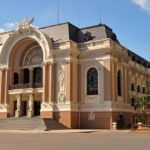
You’ll start with a sweep of big names in central Ho Chi Minh City. From the bike, you’ll view major landmarks from the outside, which makes the intro portion quick and efficient. The stops listed include City Hall, the Opera House, and the Reunification Palace.
Even though you’re not going inside, this part still helps. When you’re later walking around on your own, you’ll recognize how these buildings sit in relation to each other and how the streets funnel traffic around them. It’s the same idea as getting an orientation walk—but faster and more fun.
You’ll also see the Central Post Office and Notre Dame Cathedral from outside. These are famous for a reason, but what you’ll probably remember most is the feeling of seeing them in real traffic conditions. Saigon doesn’t go quiet when the tourist cameras come out, and being on a bike gives you that honest context.
Immolated Monk Monument and Old Apartment areas: history you can’t ignore
After the central landmarks, the route shifts toward places tied to memory and daily urban life. The Immolated Monk Monument is included, and it’s one of those stops where you’re better off taking a few seconds even if you only view it from the outside. It gives weight to the story of the city, and the bike ride format makes it feel connected to the streets around it instead of floating as a standalone monument.
You’ll also pass the Old Apartment area, which matters for a simple reason: it reminds you that this city’s big history is lived in the same neighborhoods people go home to. If you’re the kind of traveler who likes seeing how old buildings still serve real residents, this is a good match.
The best way to get value here: keep your questions ready. Ask your guide what people’s daily routines look like around these sites, or how locals think about the contrast between memorials and ordinary life. That’s where the explanations from guides like Bao or James really pay off.
Wholesale flowers and a first taste of local rhythm
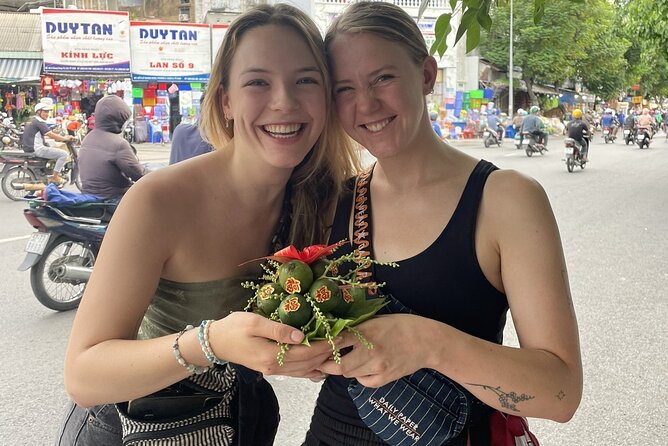
One of the stops called out clearly is the Ho Thi Ky Wholesale Flowers Market. Markets like this show you a different side of Saigon: logistics, timing, and the constant movement of workers and goods.
Why it’s worth your time even if you’re not buying anything: wholesale areas reveal how the city supplies smaller shops and streets. That means you’re not just witnessing a colorful scene. You’re seeing a system.
The tour includes other specialized market streets too, but starting with flowers helps you notice a pattern. You’ll begin to recognize how each area is defined by one type of product and one type of crowd. That’s the kind of understanding that makes your later independent wandering easier.
From Cao Dai Temple to the Earthen Oven workshop: culture and craft stops
The tour’s food and street scenes are the headline, but the route also includes cultural and craft-based visits. One example is Cao Dai Temple. Even if you’re viewing from outside only, this stop is a strong cultural anchor in the day’s flow. It helps you connect the religious side of the city to the markets you’ll see later, where belief, tradition, and daily spending overlap.
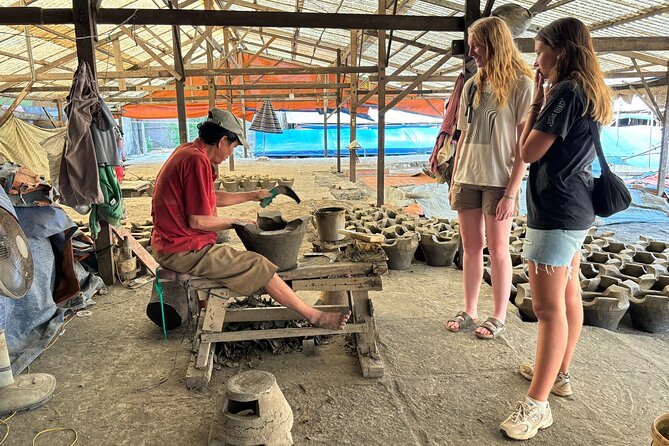
You may also visit an Earthen Oven Handmade Factory. This kind of stop is valuable because you see the effort behind what’s sold. Instead of arriving at a market where everything looks effortless, you learn that many products come from hands-on processes—time, heat, and skill.
Another included stop type is Chinese Traditional Medicine Street. This one tends to be visually memorable, and it also gives you something to ask about beyond food. You’ll likely hear how traditional remedies fit into everyday life and why specific streets became known for certain products.
If you’re worried that the route will feel like a moving photo tour, these craft and culture stops help balance things out. They slow you down just enough to make the city feel real.
You can also read our reviews of more tours and experiences in Ho Chi Minh City


Market streets that sell specific things: silk, tobacco, fish, and chicken
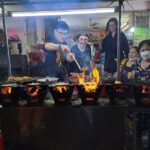
The heart of this experience is where Saigon becomes practical. You’re not rolling past random shops—you’re hitting streets linked to specific trades. Included in the tour’s route are places such as Silk Market, Tobacco Street, and market areas associated with items like aquarium fish and chicken.
What I like about this approach for you: it turns shopping districts into a story. When you know why a street is known for one product, you stop seeing it as clutter and start seeing it as order. Your brain connects locations to function, and that makes the city feel less confusing.
These markets are also excellent for people-watching, but your guide’s explanations matter. When someone points out why certain stalls cluster together or what locals do there, you’ll understand the scene faster than if you just wander without context.
Possible drawback: markets can be busy and crowded in the best way. If you dislike tight foot traffic or strong smells (some food and tobacco-related areas can be intense), it’s smart to wear comfortable shoes and keep your breathing steady. You don’t need to love everything to enjoy the learning.
Chinatown, old neighborhoods, and the wholesale flow of goods
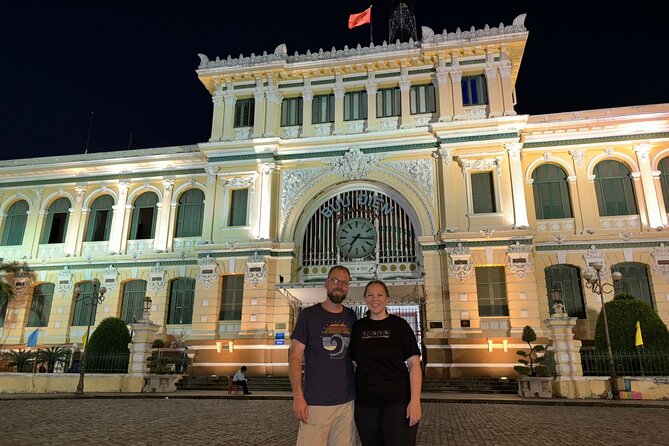
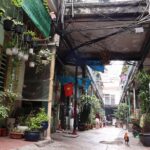
The tour also includes areas grouped under the idea of Chinatown and nearby neighborhood life. Chinatown appears in the route, and you’ll likely notice how food, goods, and community spaces overlap. This is the kind of area that feels lived-in, where signage, vendors, and street routines give you a sharper picture of how people operate.
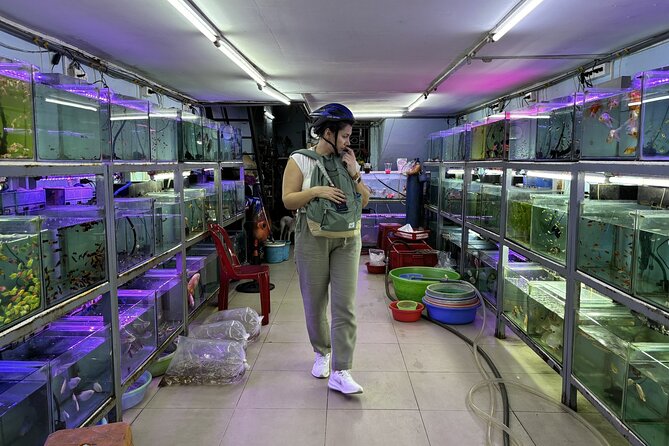
Other added market categories can include Wholesale Flower Market and specialty streets such as Pet Street Market. That last one is definitely a moment that changes your perspective fast. It’s not a stop to treat like a spectacle; it’s there as a snapshot of what the city trades in, daily, in real life.
If you’re the type who likes to keep things respectful and grounded, this route helps because your guide can frame what you’re seeing. The outside-only landmark viewing sets expectations, and the market stops then deliver the real action in a way that feels intentional rather than random.
What you eat and drink: street food tastings that can work like dinner
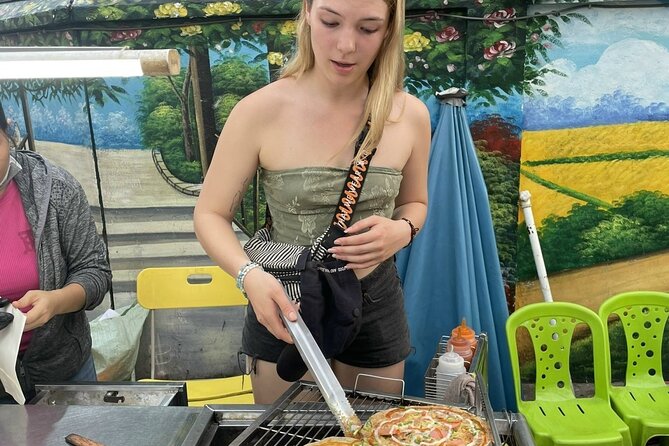
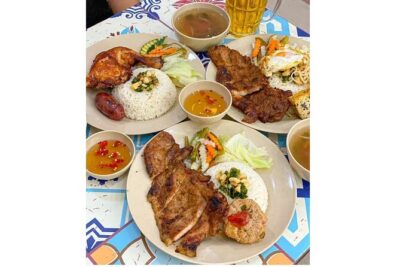
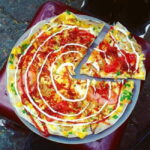
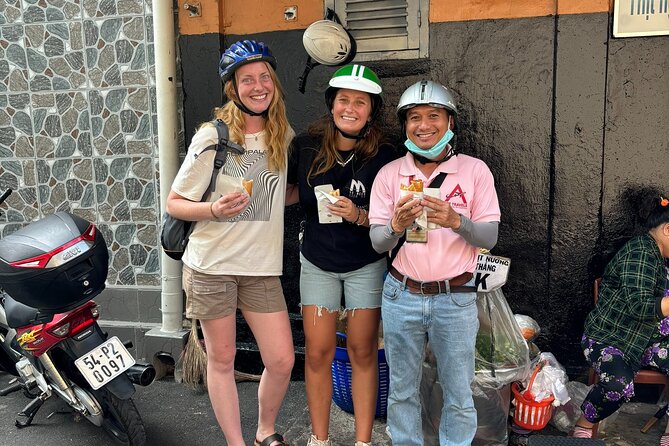
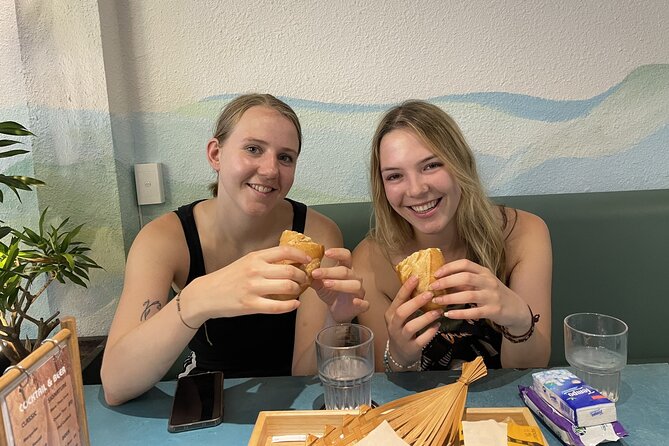
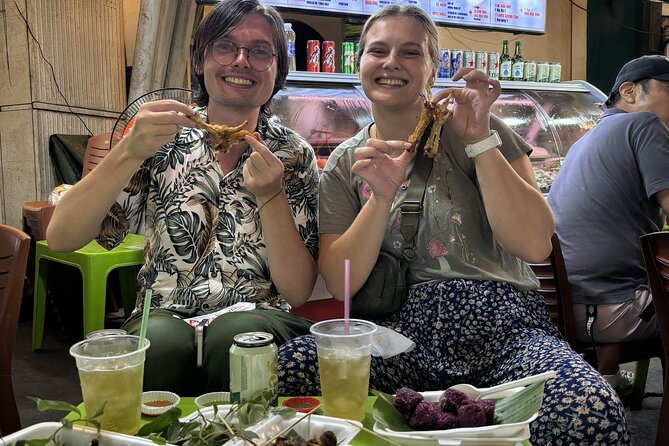
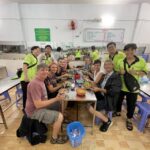
This tour earns its keep through food. You’ll do street food tastings as part of the ride, and local drinks are included too—often coffee or sugarcane juice. The tour description also notes the drinks can be a full meal, which is a big deal if you’re trying to avoid spending extra money on dinner later.
Here’s how I’d think about it when you’re deciding what to order later in your trip. This is a guided sampler, not a buffet. So go into it hungry, but don’t feel forced to eat everything at maximum pace. If you’re full, you can slow down—your guide can usually help you pick what makes the most sense for your tastes.
Food value is also practical here. At a price like $39.30, you’re not just paying for a ride. You’re paying for access to a sequence of places tied to local eating habits, plus drinks that keep you comfortable while you walk and sit and wait for the next bite.
If you’re a picky eater, tell your guide early. The tour is designed to be flexible around the route, and guides like Harry and James have a reputation for keeping explanations clear and food stops enjoyable.
Price and logistics: private 3 to 4 hours with pickup and a mobile ticket
At $39.30 per person for about 3 to 4 hours, this can be good value in Ho Chi Minh City, especially because food and local drinks are included. You’re also getting a private format, which usually means less wasted time and more time at stops that matter to your interests.
Logistics are simple: there’s pickup offered, but you also have a clear start point at 47 Phan Chu Trinh, Phường Bến Thành, Quận 1. The tour ends back at the meeting point, so you’re not forced to reorganize your day around a different drop-off location.
You’ll also get a mobile ticket, which is handy for phone-first travelers. And it’s near public transportation, which matters if you’re staying somewhere else in District 1 and want a backup plan.
One more point: the big landmark viewing is outside only. So the time you’re paying for is mostly about transport, market access, and food stops—not long waits inside buildings. That’s a plus if you want momentum.
Who this motorbike food tour fits best (and who should skip it)
You’ll likely love this if you want a first-day-friendly plan that mixes orientation with reality. If you enjoy street food, don’t mind crowds at markets, and like learning why places are known for certain goods, this tour hits your sweet spot.
It’s also a solid pick for culture-and-food travelers. The route touches temples like Cao Dai, craft and production like the Earthen Oven Handmade Factory, and product streets such as Chinese Traditional Medicine Street. That variety makes it harder for the day to feel repetitive.
Skip it if inside visits are your priority. Because the listed landmarks are viewed from the outside only, you won’t get museum-style stops or guided entry tickets. Also, if you have strong sensitivities to busy market environments, some street areas (food and specialized trades) may feel intense.
If you’re traveling as a group that wants privacy, the private-only setup is a big win. You move as one unit with your guide instead of constantly adjusting to other people’s schedules.
Should you book the Motorbike Tour Saigon Hidden Gems and Food Tasting?
If your main goal is to understand Saigon through food, markets, and everyday neighborhoods, I’d book it. The combination of classic central views plus targeted market streets makes the day feel both grounded and exciting, and the food-and-drink inclusions help you stretch your budget.
I’d especially consider it if it’s your first day in the city. You get a fast orientation to famous places, then you immediately learn how locals live and shop in nearby areas. Guides named Harry, James, and Bao show up in the experience, and the overall vibe from the guidance style is friendly and practical.
Book it with one expectation set: you’re seeing most landmarks from the outside, and the real payoff comes from the street-level stops and tastings. If you’re good with that trade-off, this tour can become the most memorable part of your early Saigon days.
FAQ
Is the tour a private experience?
Yes. It’s a private tour/activity, so only your group participates.
How long is the motorbike tour?
The duration is approximately 3 to 4 hours.
Do we view the landmarks inside or outside?
All of the listed sites are viewed from the outside only.
What’s included for food and drinks?
The tour includes street food tastings and local drinks such as coffee or sugarcane juice.
Where is the meeting point?
You meet at 47 Phan Chu Trinh, Phường Bến Thành, Quận 1, Ho Chi Minh City, and the tour ends back at this meeting point.
What happens if the weather is poor?
The experience requires good weather. If it’s canceled due to poor weather, you’ll be offered a different date or a full refund.