REVIEW · HO CHI MINH CITY
Market to Farm to Table Cooking Class in saigon
Book on Viator →Operated by HCM Cooking Class · Bookable on Viator
Food starts before the stove. This market-to-farm cooking class in Ho Chi Minh City turns a morning wet market walk into a hands-on food day, with guided ingredient shopping and four dishes you cook yourself. I love the close guidance on plant-based flavors, like what to look for and why it matters, and I love that the class caps at 15 people for real help. One possible drawback: it’s a full, early start at 7:30am, so plan on committing the whole morning into lunch time.
A big part of the value is the teaching style. You might meet chefs and guides such as Chef Tan, Chef Daisy, or Alice in different sessions, and the tone stays patient and practical. You also get recipes and a completion certificate, plus coffee and tea with your meal. Drinks aren’t included beyond that, so keep water in mind if you’re a frequent sipper.
Also note what “wet market” really means in Vietnam. You’ll see lots of ingredient variety, and you may encounter alive seafood, plus strong smells that come with fresh produce and seafood. If you’re sensitive to that, bring a little extra patience and keep your focus on learning.
In This Review
- Key highlights to look for
- How this Saigon cooking class works (market to farm to your plate)
- The wet market walk: ingredient spotting in Ho Chi Minh City
- From farm to baskets: choosing produce the hands-on way
- Cooking four Vietnamese dishes: technique, flavor combos, and real help
- Lunch, coffee, and tea: the part where you actually eat your work
- Guides, timing, and logistics that make the day smoother
- Price check: is $70 worth it in Saigon?
- Who should book this market-to-farm cooking class?
- Should you book this Saigon farm cooking class?
Key highlights to look for
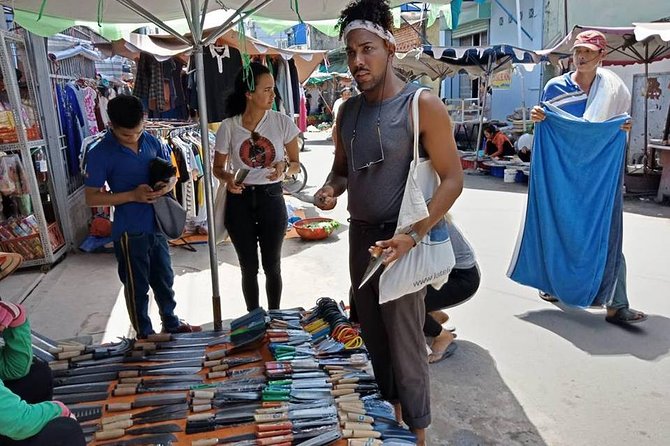
- Wet market ingredient hunt: learn what to buy and how ingredients connect to Vietnamese cooking
- Organic farm produce picking: you choose your own vegetables and herbs for cooking
- 100% hands-on cooking: prepare four Vietnamese dishes, not just watch
- Small group size (max 15): more time with your instructor, fewer standing around moments
- Coffee and tea included after cooking: your meal comes with drinks coverage, but not sodas or alcohol
- Recipes + certificate: take-home notes so you can cook again later
How this Saigon cooking class works (market to farm to your plate)
This is a full-day format built around one idea: learn ingredients first, then cook with context. You start early, get picked up from your hotel, and head straight into the ingredient world. Then you move to a farm setting where you can pick what you’ll cook with.
The class runs about 8 hours and stays limited to 15 travelers. That small size matters because Vietnamese cooking is hands-on and technique-based. If you’re the type who wants to ask questions while your hands are busy chopping, you’ll likely enjoy the pacing.
You’ll also get a structured result at the end: a four-dish cooking experience plus a 4-course lunch. And yes, you’ll eat what you make. The recipe handouts and certificate are a nice bonus if you like to recreate meals later.
You can also read our reviews of more shopping tours in Ho Chi Minh City



The wet market walk: ingredient spotting in Ho Chi Minh City
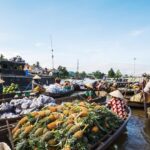
The day begins with a local wet market visit. Expect lots of variety and a sensory experience—good, messy, real. You’ll likely see ingredients across fresh seafood, herbs, vegetables, and the fruits that show up in Vietnamese food and desserts.
The instruction here is practical. Your guide helps you understand what different items are used for and how they connect to flavor. One highlight from the teaching style is learning about how Vietnamese cooking uses plants, herbs, and aromatics as more than garnish.
You’ll also get to try fresh fruits from the market. That matters because Vietnamese fruit often shows up in contrast flavors—sweet, sour, and cooling—so tasting early helps you cook smarter later. If you’re the kind of traveler who likes to learn by doing, this market stop gives you that.
If you’re worried about “market time” turning into tourist time, this one is built for learning. It’s not just wandering. It’s an ingredients-and-purpose lesson, and you come away with ideas you can use when you shop in Vietnam on your own.
From farm to baskets: choosing produce the hands-on way
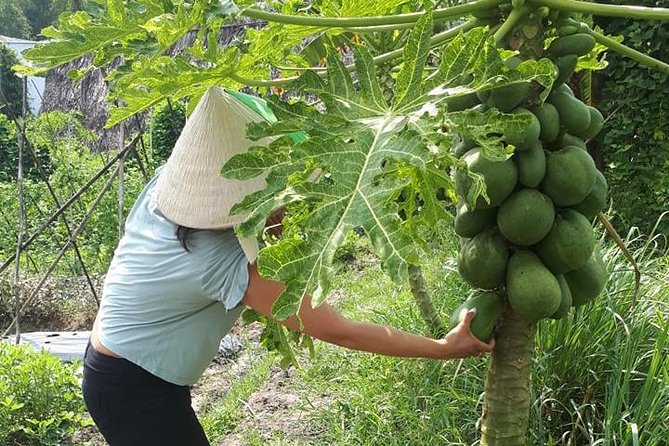
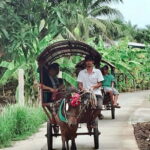
After the market, you head to a farm setting where learning becomes visual. You’ll see the organic growing environment and get pointed at different vegetables and herbs—things like mints, mushrooms, and other seasonal produce. You also get nutrition-related learning tied to plants, which helps you stop thinking of cooking as only taste and start seeing it as ingredients doing specific jobs.
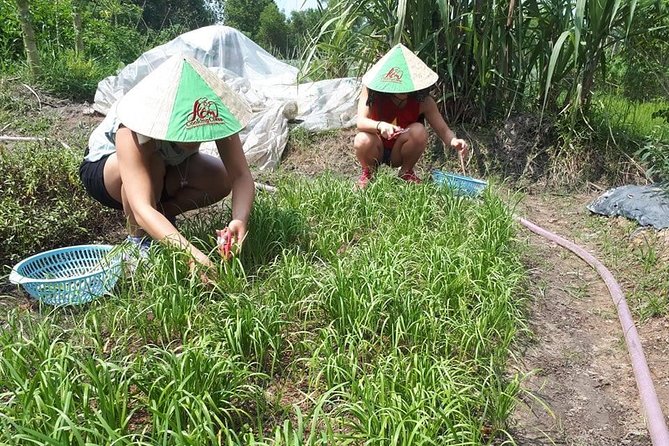
One fun element is the farm welcome. You may be greeted with a traditional hat and basket and encouraged to feel like you’re part of the work. It’s a small touch, but it changes the vibe from visitor to participant.
Then comes the best part if you like food adventures: picking your own ingredients. You choose produce that will go onto your cooking stations. That turns the farm tour into something useful, not just scenic. You’ll probably remember what you picked because it becomes your “ingredient story” when you cook.
There’s also a practical payoff here. When you understand what you picked and how it grows, you’re more likely to recognize quality later—at least the cues you can look for.
Cooking four Vietnamese dishes: technique, flavor combos, and real help
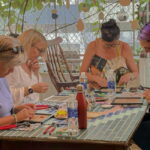
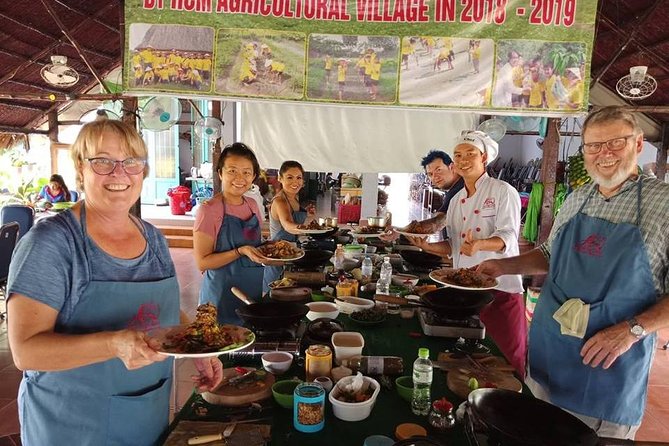
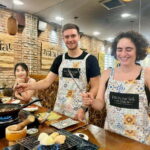
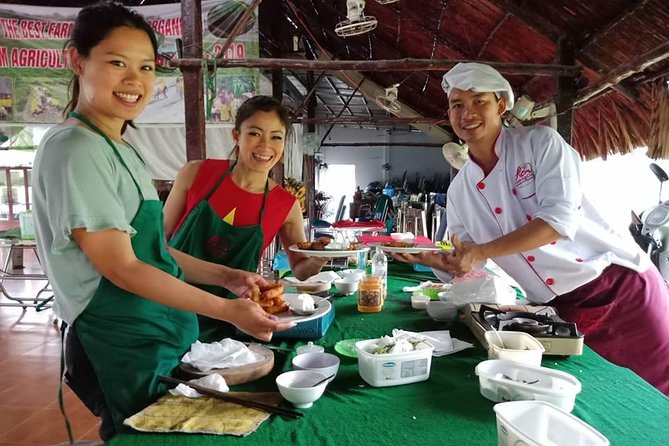
This class is built around 100% hands-on cooking. You’ll prepare four different authentic Vietnamese dishes with guidance from your instructor. The important part isn’t just the number of dishes. It’s that you’re working at the station while someone explains technique and ingredient purpose.
You should expect active learning on flavor combinations. Some dishes rely on balance—sweet, salty, sour, and herbal notes working together. The cooking here aims to teach you why ingredients are added, not only what steps happen in what order.
Dietary needs are taken seriously. A vegetarian option is available, and they ask you to advise dietary requirements at booking. You can even request certain dish preferences you’ve enjoyed during your Vietnam stay, and the chef is set up to accommodate requests when possible. One strong example from the experience is that instructors were happy to adjust the cooking focus for what the students wanted to learn again.
You’ll also see that the class can work for different cooking tracks. If you’re choosing between vegan and meat-focused learning, the format can be similar while still separating the final dish direction. In one case, the structure even felt private enough for two people with different dietary choices. That’s not guaranteed for every group, but it hints at flexibility when the group size stays small.
What you’ll likely appreciate most: with a cap of 15, you get enough attention to avoid the classic cooking class problem—being handed a lesson and left to figure out the seasoning alone.
Lunch, coffee, and tea: the part where you actually eat your work
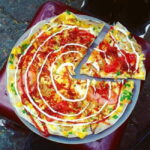
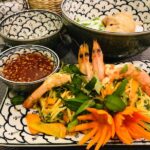
By the time you sit down, you’re not eating a random buffet. You’re enjoying a meal that ties back to what you cooked. Lunch is included, and the plan includes snacks plus a 4-course lunch.
Coffee and tea are included too. That’s a nice touch in Vietnam, where tea breaks often feel like part of the meal rhythm. It also means you won’t be hunting for a drink midway through your long day.
Drinks are listed as not included, so if you want juice, soda, or anything else, you’ll need to pay separately. For most people, bottled water is included, which helps you stay comfortable through cooking and eating.
If you like to learn and eat at the same time, this setup is straightforward. You cook, you taste what you made, and you use the recipes later. That’s a better souvenir than a fridge magnet.
You can also read our reviews of more tours and experiences in Ho Chi Minh City



Guides, timing, and logistics that make the day smoother
The day starts at 7:30am and runs about 8 hours. That means you’ll want a quick breakfast before pickup, unless your schedule already matches the class timing well. The schedule is early for a reason: you’re covering market, farm, cooking, and lunch without rushing.
Hotel pickup and drop-off are included. That’s a big quality-of-life factor in Ho Chi Minh City traffic. You won’t waste energy coordinating transport or figuring out where to meet.
They use a mobile ticket, and confirmation comes at booking time. The class is limited to 15 travelers, which tends to keep the environment calm enough for real conversation.
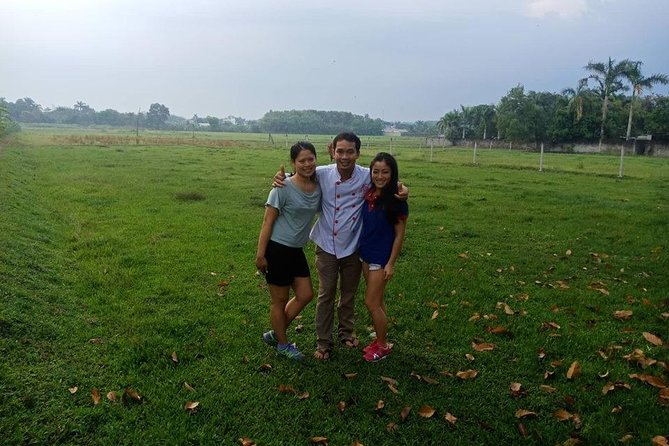
The instructors are friendly and teaching-focused. Names that show up in the experience include Chef Tan, Chef Daisy, and Alice. Across those descriptions, the common thread is patient instruction and a focus on helping you succeed at the cooking steps, even if you’re not a confident home cook.
Price check: is $70 worth it in Saigon?
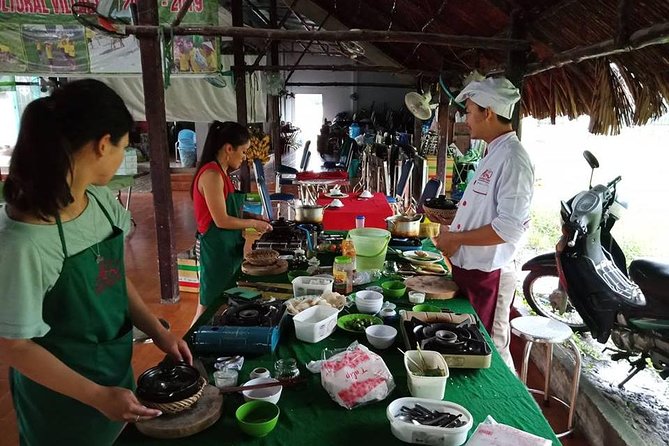
At $70 per person, this isn’t a budget street-food-only activity. But it also isn’t just a cooking show. You’re paying for several things at once: transportation (pickup/drop-off), market and farm instruction, ingredient handling, and a hands-on cooking class with lunch.
Because you get:
- a wet market visit (ingredient education plus fruit tasting),
- an organic farm stop (learning plus ingredient picking),
- four dishes you cook yourself,
- lunch + snacks with a four-course structure,
- coffee and tea,
- recipes and a completion certificate,
…you’re basically buying a full-day food education experience with meals attached. For many visitors, that’s good value compared with paying separately for a market tour, a cooking workshop, and then a sit-down meal later.
If your goal is only to eat, you can find cheaper ways around Saigon. If your goal is to learn how to recreate Vietnamese flavors at home, this pricing makes more sense.
One more angle: small group size reduces the “sit and watch” problem. When you’re paying for instruction time, that cap of 15 is part of the value.
Who should book this market-to-farm cooking class?
Book it if you:
- want Vietnamese cooking with real ingredient context (market and farm first),
- like hands-on workshops where you control the pan and seasoning,
- enjoy herbs, plants, and produce-based learning, not just recipe memorization,
- want a small group class so you can actually ask questions.
You might reconsider if you:
- can’t handle early mornings or prefer to sleep in on vacation,
- feel strongly sensitive to the sights and smells that come with a wet market and seafood.
This works especially well for couples, food-focused solo travelers, and anyone who likes to bring cooking skills home.
Should you book this Saigon farm cooking class?
Yes, if you want more than a standard cooking class. This one earns its keep by linking three parts: market buying, farm picking, and hands-on cooking. The small group size and the fact that you prepare four dishes changes the experience from entertainment to learning you can repeat.
Before you book, think about your timing and dietary needs. Tell them you want vegetarian (or any dietary requirements) when you reserve, and show up ready for a full morning.
If you like the idea of cooking with the ingredients you picked yourself, this is one of the more satisfying ways to spend a day in Ho Chi Minh City.