REVIEW · HO CHI MINH CITY
Ho Chi Minh City: Top Sightseeing Saigon Trip & History Tour
Book on GetYourGuide →Operated by LavylaGroup Travel · Bookable on GetYourGuide
Saigon packs a lot into one day. This guided tour strings together big landmarks, market time, and a serious Vietnam-history stop, especially at the War Remnants Museum and Ben Thanh Market. You get a mix of architecture, street-life shopping, and cultural stops that help the city make sense instead of feeling like random sights.
I also like how the day is structured around walking, browsing, and short rides, not just drive-by photos. The included transport, entrance fees, and scheduled meal keep you moving through the city’s real rhythm without constantly budgeting on the fly. One possible drawback: tour quality can depend on your English-speaking guide, so if you want deeper explanations at the museum or post office, plan to ask questions and confirm timing for meet-ups.
In This Review
- Key Highlights You’ll Actually Feel
- The One-Day Shape of Saigon: How This Tour Moves You
- Pickup in Districts 1, 3, and 4: Private-Group Comfort
- Reunification Palace: Understanding Power Before 1975
- French Saigon Cues: Notre Dame Cathedral and the Old Central Post Office
- War Remnants Museum: A Serious Stop You Should Prepare For
- Lunch With a Local Restaurant: Fuel for the Afternoon
- Cyclo Ride to Ben Thanh Market: Craft Shopping With a Story
- Chinatown and Thien Hau: Where Architecture Meets Belief
- Cha Tam Church and Drug Street: Learning at Street-Level
- Binh Tay Market: Last Market Wandering Before Return
- Price and Value: Is $75 a Smart Deal?
- Who Should Book This Tour (and Who Might Not)
- Should You Book This Saigon History and Shopping Tour?
- FAQ
- How long is the tour?
- When does hotel pick-up happen?
- Where does pick-up happen?
- Is the tour private?
- Is there an English-speaking guide?
- What’s included besides the guide?
- Is lunch included?
- Which major sites are part of the tour?
- Are shopping and personal expenses included?
- Is free cancellation available?
Key Highlights You’ll Actually Feel
- War Remnants Museum: Major American-Vietnamese War exhibits that put modern history in clear context
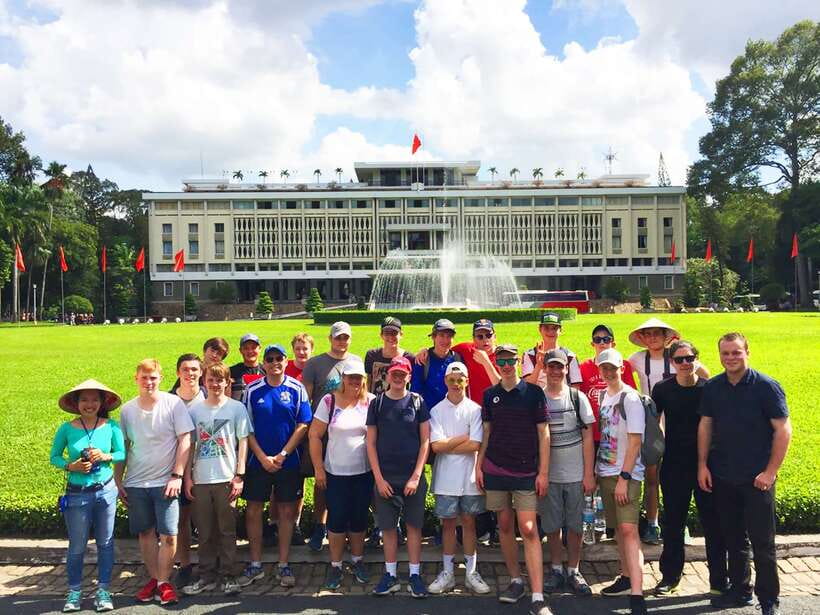
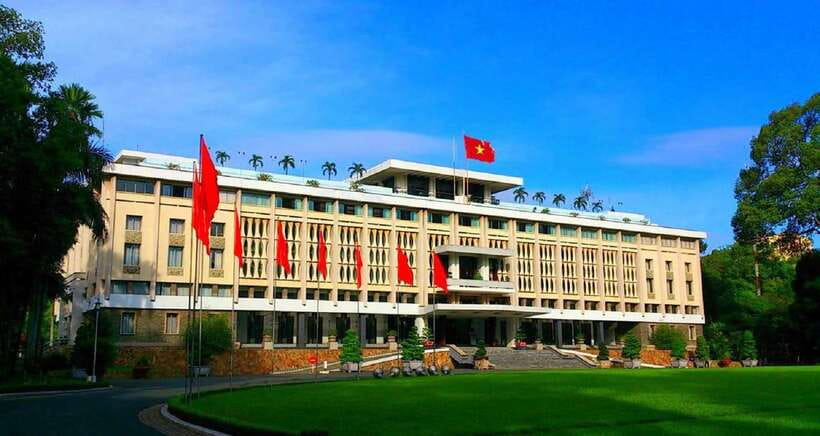
- Reunification Palace: A chance to understand the layout of the South Vietnamese President’s residence before 1975
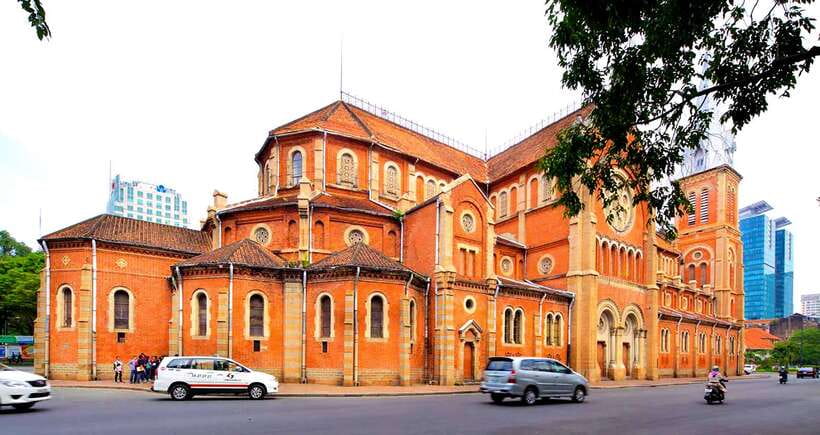
- French Colonial Stops: Notre Dame Cathedral and the Old Central Post Office for a look at Saigon’s European-era shape
- Ben Thanh Market Shopping: Vendor-lined lanes and an up-close look at embroidered craft traditions
- Chinatown + Thien Hau Temple: Intricate architecture and spiritual significance in a religious neighborhood
- Binh Tay Market Finish: More market wandering before your return to the hotel around 5:30 PM
The One-Day Shape of Saigon: How This Tour Moves You

This is the kind of day I like in big cities: a guided loop that hits the headline places, then slows down where it matters—markets, temples, and details you’d miss alone. The itinerary leans history first, then adds shopping and local food, with a clear end point back at your hotel.
The day runs roughly 7 hours, with pickup starting at 08:00 AM (and a stated window of 7:45 AM to 8:00 AM). Your exact pickup time can shift based on traffic, weather, and group timing, so keep your morning flexible and ready. In practice, you’re trading total control for less stress—and that’s usually a good deal in fast-moving Saigon.
You can also read our reviews of more city tours in Ho Chi Minh City

Pickup in Districts 1, 3, and 4: Private-Group Comfort
You’ll start with hotel pick-up by an air-conditioned vehicle, with the tour designed for District 1, 3, and 4. If your hotel is outside those areas, there’s a $5 per person surcharge collected directly by the guide.
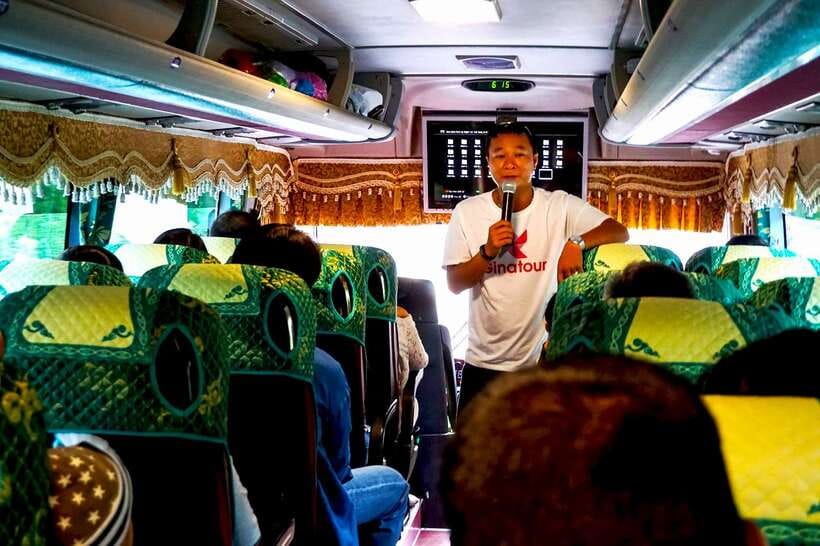
This is a private group, which sounds fancy, and it is—comfort matters when you’re doing palaces, museums, and two market stops in one day. The tradeoff is simple: because it’s private, the experience often rides on your guide’s style. When the guide runs smoothly, it feels effortless. When they fall back into minimal explanations, you’ll have more “taxi between stops” energy than “guided day” energy.
Tip: if you care about real stories (not just facts), start strong—ask what you’re seeing in the first 10 minutes. That sets the tone.
Reunification Palace: Understanding Power Before 1975
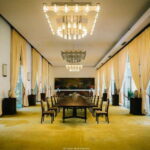
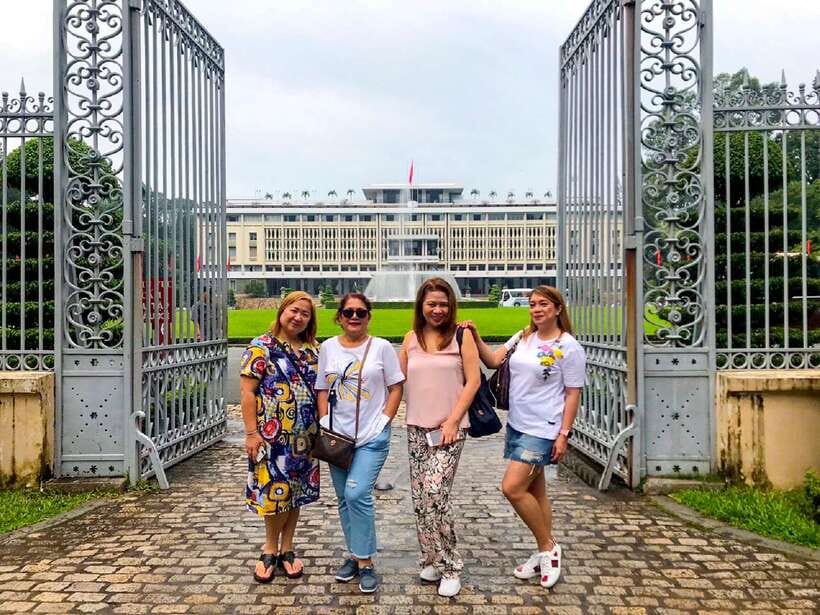
One of the core stops is Reunification Palace, where your guide explains the structure that served as the South Vietnamese President’s residence before the end of the war in 1975. Even if you’ve seen photos, the palace works better with context because you notice the flow of rooms, not just the dramatic exterior.
What makes this stop valuable is that it connects history to physical space. You’re not only learning dates—you’re looking at where leadership decisions were made and how the building itself supported that role. The guide’s job here is crucial: good narration helps you read the place instead of wandering with a confused face.
How long should you plan to spend? Enough time to walk at a steady pace, stop for photos, and listen through the main explanation. If your group likes to move fast, you can; if you prefer slower viewing, you also have room—your itinerary is designed for guided pacing rather than timed-bus speed.
French Saigon Cues: Notre Dame Cathedral and the Old Central Post Office
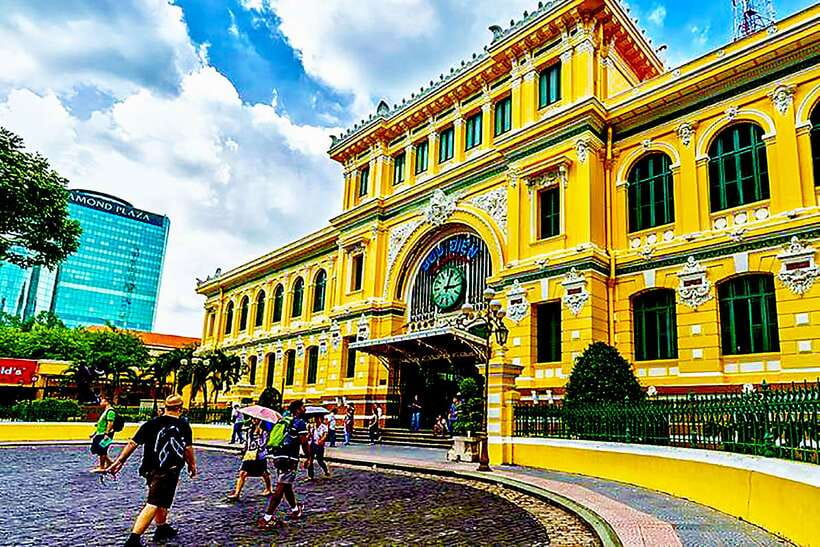
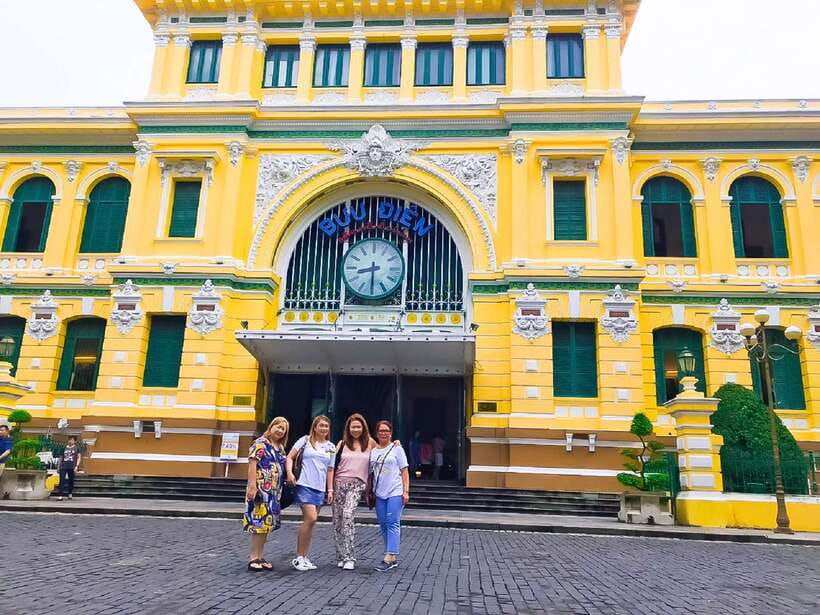
After the palace, you get the city’s French-influence side through Notre Dame Cathedral and the Old Central Post Office. This matters because Saigon’s look isn’t one uniform style—there are layers, and the tour helps you notice them.
The cathedral and post office are especially useful when you pay attention to details: materials, design language, and the way these buildings sit in relation to surrounding streets. Even if you’re not an architecture person, seeing both stops on the same day makes it easier to connect the dots between “European-era planning” and what Vietnam later became.
Practical note: these are popular areas, so expect crowds around viewpoints and photo spots. Comfortable shoes help, because you’ll walk more than you think.
War Remnants Museum: A Serious Stop You Should Prepare For
Next comes the War Remnants Museum, with exhibits focused on the American-Vietnamese War. This is the kind of museum where you should go in with your expectations set. It isn’t light. It’s meant to teach through powerful, painful material.
I recommend treating this as an active learning stop, not a quick photo break. Take a few minutes at the start to decide what you want to understand—how the war affected civilians, how narratives are presented, and what evidence you’re seeing. If your guide provides context, ask questions. If your guide is quieter, still use your time well by reading and slowing down.
One caution from real-world experience: some guides may give brief guidance and then leave you to explore alone. That can still be fine if you’re comfortable reading on your own. But if you’re expecting a deep explanation, speaking up early helps. The museum is too important to rely on chance.
You can also read our reviews of more historical tours in Ho Chi Minh City





Lunch With a Local Restaurant: Fuel for the Afternoon
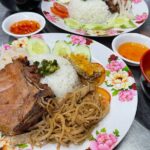
Midday, you’ll stop at a popular local restaurant for an authentic Vietnamese meal with your guide. Lunch is included, but specific dishes aren’t listed here, so treat it as a “Vietnamese set-meal style” moment—expect comfort food, fresh herbs, and flavors that fit the hot Saigon day.
Why this matters: after palace and museum time, you need energy that doesn’t derail the rest of your day. Having lunch scheduled also prevents you from spending market browsing time deciding where to eat. You’ll leave the meal ready to handle markets and temple walking without dragging.
If you have dietary needs, you’ll want to handle that carefully—nothing in the provided info confirms special meal handling. When in doubt, plan simple choices and carry a light snack for backup just in case.
Cyclo Ride to Ben Thanh Market: Craft Shopping With a Story
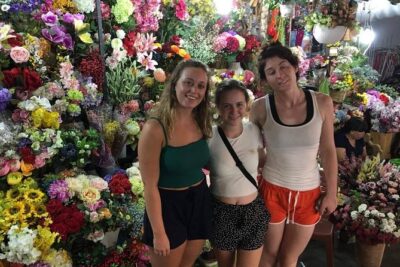
Then comes the move to markets. The itinerary includes a cycle ride as you head to Ben Thanh Market, one of Saigon’s oldest surviving structures. When you arrive, you’ll wander vendor-lined walkways and get a chance to shop for items like local crafts and textiles.
What I like here is the “learn while you browse” idea. Ben Thanh isn’t only for souvenirs. The tour includes learning about the art of making embroidered crafts in Vietnam, which turns shopping into something more meaningful than random trinkets.
Shopping advice that keeps you from feeling rushed:
- Go in with a short list: textiles, small gifts, embroidered items
- Ask prices and compare quickly—don’t fall in love with the first stall
- If you’re buying clothes or textiles, check material and finishing so you’re not surprised later
Also, remember you’ll likely walk in heat. Markets can be crowded, so keep water and shade on your radar.
Chinatown and Thien Hau: Where Architecture Meets Belief
After Ben Thanh, you’ll head toward Chinatown, with time at Thien Hau, plus a look at its intricate architecture and spiritual significance. Thien Hau is the kind of stop that helps you understand Saigon’s religious geography—how communities shape neighborhoods and how temples anchor everyday life.
This part is a good contrast from the war and colonial stops. Instead of focusing on political history or foreign influence, you’re seeing how a community preserves beliefs through built spaces and rituals. Even if you don’t speak Vietnamese, the visual language does the work for you: patterns, design, and the feeling of being inside a living tradition.
Tip: move slowly here. Let your eyes adjust. The details are the point.
Cha Tam Church and Drug Street: Learning at Street-Level

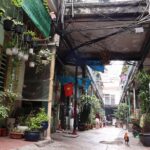
The tour also includes Cha Tam Church and a stop in the Drug street area, where you’ll learn about traditional drugs made by Chinese and Saigonese. This is one of those “less-famous” segments that makes a history tour feel less like a museum checklist.
What to do during this stop: ask your guide to explain what you’re seeing and why it’s part of the area’s identity. Street markets and specialty streets can look confusing if you only know the surface. With a guide, they become a map of how communities trade, practice, and carry knowledge.
Because the tour schedule can shift depending on traffic and timing, these stops might feel tighter than the big landmarks. That’s not bad—just plan to be curious fast.
Binh Tay Market: Last Market Wandering Before Return
As you near the end of the day, you’ll visit Binh Tay Market and wander through its vendor-lined walkways. This is a good final stop because it brings you back to everyday Saigon life: buying, selling, and moving through a place built for local flow.
Then you’ll be transported back to your hotel at approximately 5:30 PM. That timing is helpful if you want a full evening free afterward—dinner plans, a final stroll, or just resting those feet.
Market days add up. If you’re planning to go out again later, keep your purchases light and easy to carry.
Price and Value: Is $75 a Smart Deal?
At $75 per person for an approximately 7-hour day, this tour can represent solid value—mainly because so much is bundled. You’re getting:
- hotel pick-up and drop-off (within District 1, 3, and 4)
- air-conditioned transport
- an English-speaking guide
- entrance fees
- a Vietnamese lunch
- cool towels and mineral water (2 bottles per person)
- travel insurance
In other words, you’re paying for time saved and logistics handled. Saigon isn’t slow, and moving between a palace, museum, colonial landmarks, and two markets takes real planning on your own. If you’d otherwise spend a chunk of your day figuring out transport and entry tickets, this pricing can make sense.
Where value can shrink: if your guide provides minimal explanation and you feel like you’re mostly paying for rides. That’s a real risk in any guided product. The good news is you can reduce it—ask questions, request context, and make your priorities clear early.
Also note: the tour price is not applied on holidays, and the operator can change scheduling times to ensure every listed place is visited.
Who Should Book This Tour (and Who Might Not)
This tour fits best if you want:
- big-picture history without planning every stop yourself
- market time where shopping has a cultural angle (embroidery crafts, textiles)
- a guided day that mixes architecture, religion, and everyday neighborhoods
It may not suit you as well if:
- you want ultra-deep museum scholarship at every stop and don’t want to ask questions
- you strongly prefer fully independent pacing with no meet-up timing
If you’re the type who likes explanations, bring that energy. If you’re happy reading signs and experiencing places on your own, it still works well—especially for the palace, the war museum exhibits, and the markets.
Should You Book This Saigon History and Shopping Tour?
I’d book it if you want a structured day that covers the main historical and cultural anchors of Saigon, with included entry fees, lunch, and transportation. The itinerary’s mix—Reunification Palace, Notre Dame and the Old Central Post Office, War Remnants Museum, plus Ben Thanh and Chinatown—gives you a sense of how Saigon’s past keeps shaping the city you see today.
Skip it or adjust expectations if you need a highly interactive guide at every minute. This kind of day is very dependent on communication style. Your best defense is simple: ask questions early, and don’t be shy about clarifying what you want to learn.
If you’re flexible, comfortable with market wandering, and ready for an emotionally serious museum stop, this is a strong way to spend one day in Ho Chi Minh City.
FAQ
How long is the tour?
The tour duration is listed as 7 hours (starting times vary by availability).
When does hotel pick-up happen?
Pick-up is scheduled for around 08:00 AM, with the operator noting a varied pick-up window from 7:45 AM to 8:00 AM depending on traffic and other factors.
Where does pick-up happen?
Pick-up is included from hotels in District 1, 3, and 4. If you’re outside those districts, there’s a $5 per person surcharge collected by the guide.
Is the tour private?
Yes. It’s a private group experience.
Is there an English-speaking guide?
Yes. The guide is listed as English-speaking.
What’s included besides the guide?
The tour includes modern luxury air-conditioned transportation with hotel pick-up and drop-off (District 1), travel insurance, entrance fees, and meals as mentioned in the itinerary. It also includes cool towels and mineral water (2 bottles per person).
Is lunch included?
Yes. There is a midday stop at a popular local restaurant for an authentic Vietnamese meal with your guide.
Which major sites are part of the tour?
The tour includes Reunification Palace, Notre Dame Cathedral, the Old Central Post Office, War Remnants Museum, Ben Thanh Market, Chinatown with Thien Hau, and it also mentions Cha Tam Church and Drug street. It ends at Binh Tay Market.
Are shopping and personal expenses included?
No. Personal expenses and additional meals or beverages not listed in the program are not included.
Is free cancellation available?
Yes. Free cancellation is available up to 24 hours in advance for a full refund.