REVIEW · HO CHI MINH CITY
Ho Chi Minh City: Ghost, Belief & Culture Tour on Motorbike
Book on GetYourGuide →Operated by CONNECT CULTURE CO.,LTD · Bookable on GetYourGuide
Ghost stories in Saigon are way better with street noise. This tour uses a motorbike ride to tie together belief, local folklore, and real places you can actually see—pagodas, a funeral house, Chinatown, and a major Buddhist monument. Two things I like a lot: the way the guide explains religious beliefs first (not just scares), and the strong English storytelling I heard from guides like Vincent and Danny, who keep it fun while staying respectful.
The route also works because you are not stuck in one creepy building for hours. You get short, meaningful stops—like stepping inside a funeral house to understand customs—and then you move on to Chinatown’s abandoned ghost building tied to Fung Shui stories. One possible consideration: you will be riding a motorbike, so it is not for people with back problems or for anyone over 70.
In This Review
- The Big Idea: Belief, Not Just Spooky Sounds
- Key Highlights Worth Planning For
- Starting at a Pagoda: Belief, Gods, and the Circle of Life
- Funeral House Walk: Customs You’ll See Up Close
- Chinatown and the Ghost Building: Fung Shui Meets Local Fear
- Thich Quang Đức Monument: When the Haunting Turns Real
- The Banh Mì and Drink Break That Makes the Tour Feel Complete
- Motorbike Logistics: How to Ride Smart in District 1, 3, and 4
- Price and Value: What $16 Really Buys You
- Who Should Book This (and Who Should Skip It)
- Should You Book This Ghost, Belief & Culture Tour?
- FAQ
- How long is the tour?
- Where does pickup happen?
- What is included in the price?
- Is the tour always on a motorbike?
- What stops will I see during the tour?
- What food and drinks are included?
- Can I choose a private tour or small groups?
- Do holidays change the price?
- Can I cancel and get a refund?
The Big Idea: Belief, Not Just Spooky Sounds
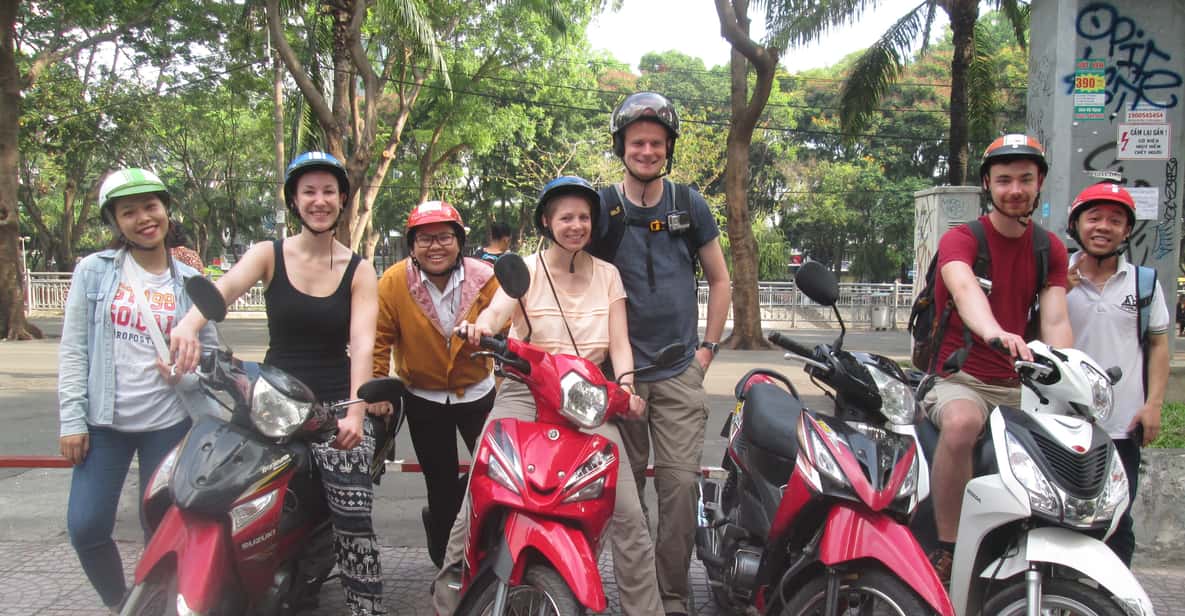
This is one of those tours where the theme is ghosts, but the structure is culture. You start with religion, because in Ho Chi Minh City, belief is not a side topic—it is how many people understand life, death, and why certain places feel powerful. Then you go to spaces where funerals are part of everyday reality, and the guide’s stories connect what you see with what people think.
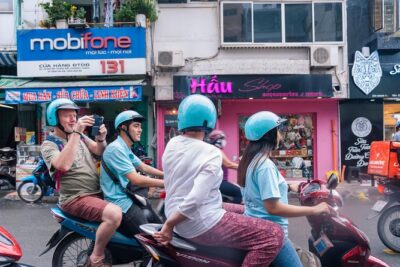
The motorbike part matters more than you might think. Saigon is spread out, and the streets move fast. Being on the back of a motorbike helps you cover key areas in a short window, while also seeing the neighborhoods in the way locals experience them—right now, right here, not as a quiet postcard.
The best value angle: the tour includes a meal snack and drinks, plus insurance, plus helmets and ponchos if you need them. For $16, that is a lot of guided time in the city, not just a photo walk.
Key Highlights Worth Planning For
- Pagoda stop that explains local beliefs before the scary parts
- Funeral house walk with customs and ghost stories woven together
- Chinatown ghost building and a Fung Shui explanation for why it’s avoided
- Banh mi plus a real local drink break (coffee or smoothie/juice)
- Thich Quang Đức monument to connect the spooky theme to history
You can also read our reviews of more city tours in Ho Chi Minh City

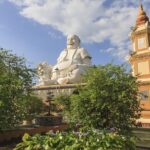
Starting at a Pagoda: Belief, Gods, and the Circle of Life
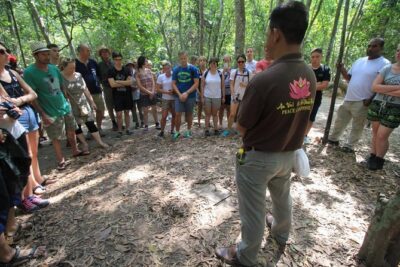
The tour begins at a pagoda, so you do not jump straight into ghost lore. Instead, you get a baseline for what locals think about the world—different kinds of gods, daily worship, and the idea of the circle of life. That matters because the later stops make more sense when you understand why death rituals and sacred sites are treated with such care.
A good guide will also help you notice what you might otherwise miss: the way people move through worship spaces, and the general tone of reverence. You are not being asked to memorize anything. You are being given a mental map, so when the tour shifts into funerals and haunting stories, you understand the cultural logic behind them.
I also like that this first stop frames the day as respectful, not sensational. In a topic like this, that balance is everything.
Funeral House Walk: Customs You’ll See Up Close
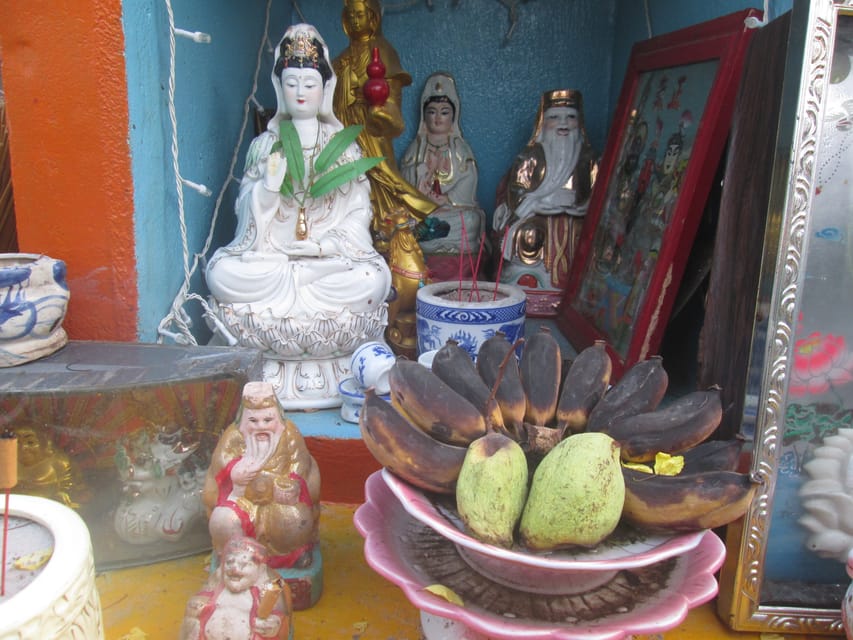
Next comes the funeral house stop. Here, the tour does something smart: you do not just hear ghost tales from outside. You take a walk inside to witness funeral ceremonies, then the guide explains customs and what people believe about the process.
This is where the tour can feel more intense than you might expect. Even if nothing frightening happens on the day, you are stepping into a place where emotions run real, and where the community follows routines that have meaning. The guide’s mix of customs plus ghost stories (and personal experiences) helps tie the cultural world together—why certain behaviors happen, and why people associate particular feelings with certain spaces.
Practical note: you should expect to use your senses here—watch how people move, listen to how the guide describes the sequence of rituals, and keep your tone respectful. If you go looking for jump scares, you might miss the point. The value is in understanding the human side of what you are seeing.
Chinatown and the Ghost Building: Fung Shui Meets Local Fear
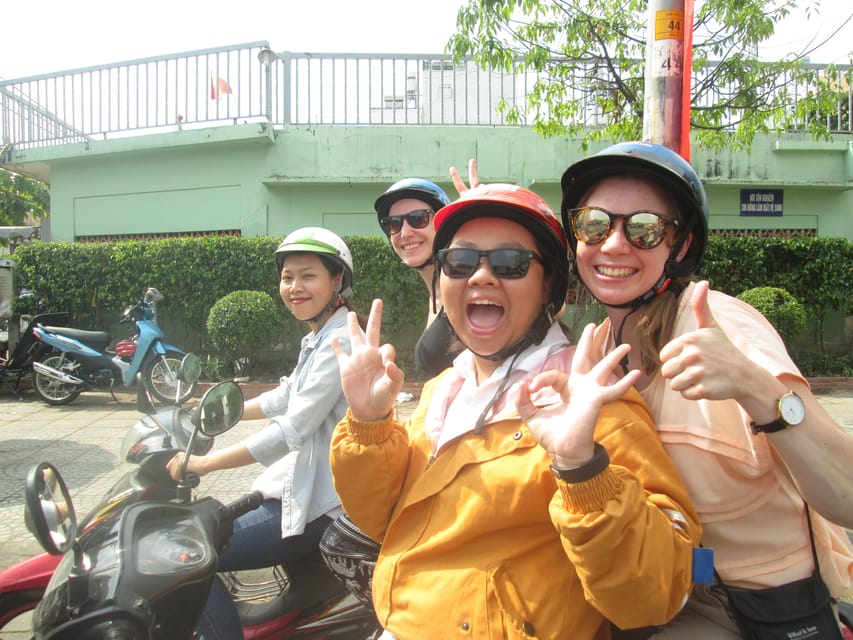
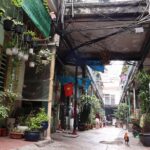
After that, you head toward Chinatown, where the stories shift from death rituals to city legends. The big focus is a stop at the Ghost Building, an abandoned structure in Chinatown tied to Fung Shui.
The tour’s angle here is not that Fung Shui is fact in a scientific sense. It is that the city runs on beliefs, and beliefs shape what people choose to avoid, what stories spread, and how reputations form around specific buildings. An abandoned site with a strong rumor attached can become a magnet for ghost stories, even when the building itself is just sitting there.
What I like about this stop is that it gives you a way to interpret fear without mocking it. You get the cultural explanation, then you look at the location with fresh eyes—why people link the building to misfortune, and why superstition can become a kind of social map.
Thich Quang Đức Monument: When the Haunting Turns Real
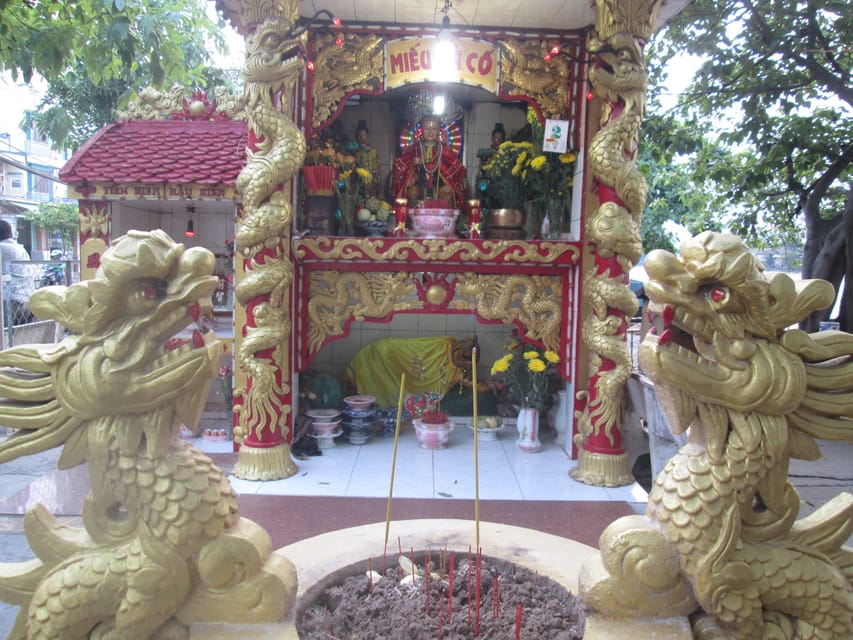
Finally, the tour reaches the Thich Quang Đức monument, tied to the event in 1963 when Thich Quang Đức burned himself to protest persecution of Buddhists.
This is an important tonal shift. The day has been themed around haunting stories, but this stop is not folklore. It is historical, political, and religious. The guide’s explanation anchors the theme of belief in real events that shaped the city and the country.
If you only take one lesson from the whole tour, this is it: in Saigon, “spooky” stories often share roots with suffering, faith, and public protest. That is why the monument stop can feel heavy—in a good way—because it turns urban legends into a gateway for understanding history.
The Banh Mì and Drink Break That Makes the Tour Feel Complete
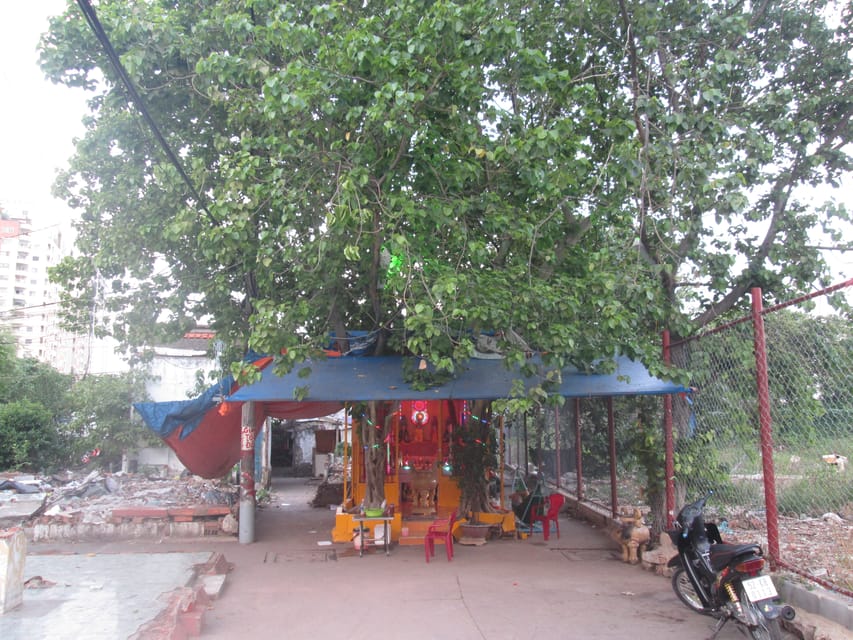
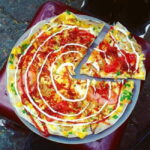
You get a break to eat Vietnamese bánh mì and choose a local drink—coffee, juice, or smoothie—at a local coffee shop.
Why this matters: it keeps the tour from feeling like a nonstop sprint between dramatic stops. You get a real fuel moment, and you also get a glimpse of daily life. Coffee shops in Vietnam are social hubs, and taking a breather there makes the entire day feel more grounded.
Also, it’s easy to underestimate the value of food being included at this price point. Here, you are not just paying for guided storytelling. You’re paying for a full, practical experience that includes a meal component.
Motorbike Logistics: How to Ride Smart in District 1, 3, and 4
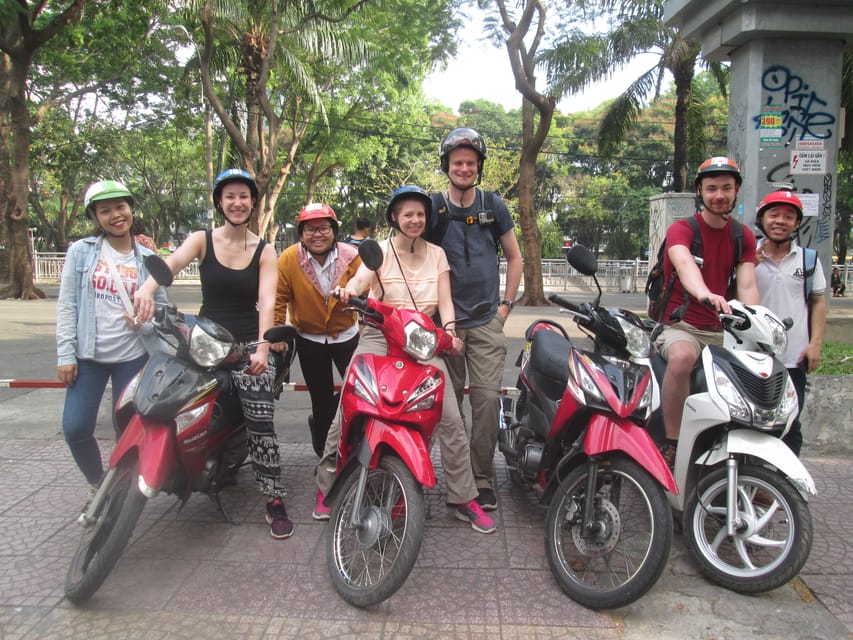
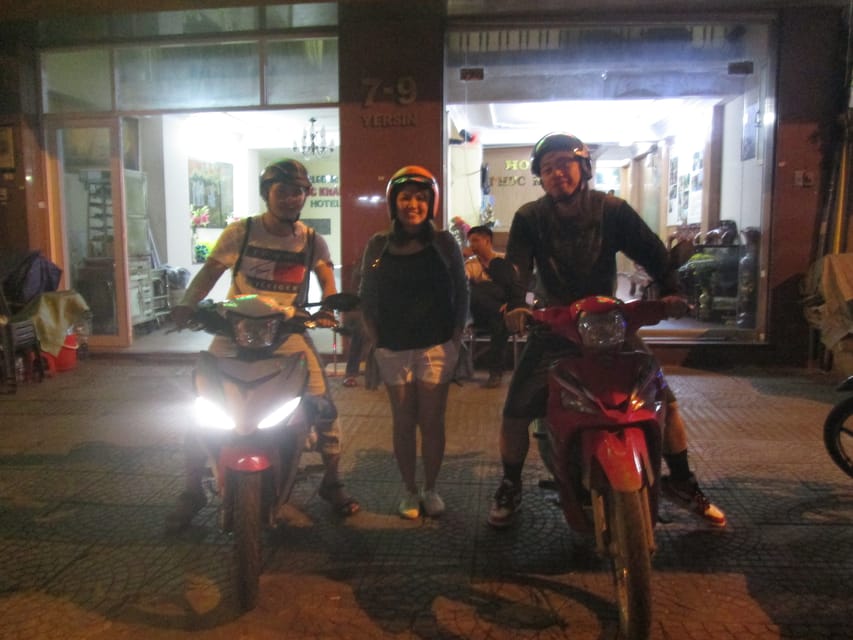
This tour is built around the motorbike. That means helmets are provided, and a poncho is available if required. You will also have an English-speaking professional driver/guide, so you are not left guessing what you are seeing while you try to stay calm in traffic.
So how do you make the ride comfortable?
- Wear clothing you can handle in heat and motion.
- Bring sunglasses if you have them; visibility helps you enjoy the streets.
- Expect short segments of riding between stops, not a long highway-style trek.
- Hold on and relax your grip. You do not need to tense up like you are in a movie scene.
If you dislike the idea of sitting on the back of a motorbike, you should consider the car option (details below). Otherwise, the ride is part of what makes this tour feel like Saigon, not like a haunted museum.
Price and Value: What $16 Really Buys You
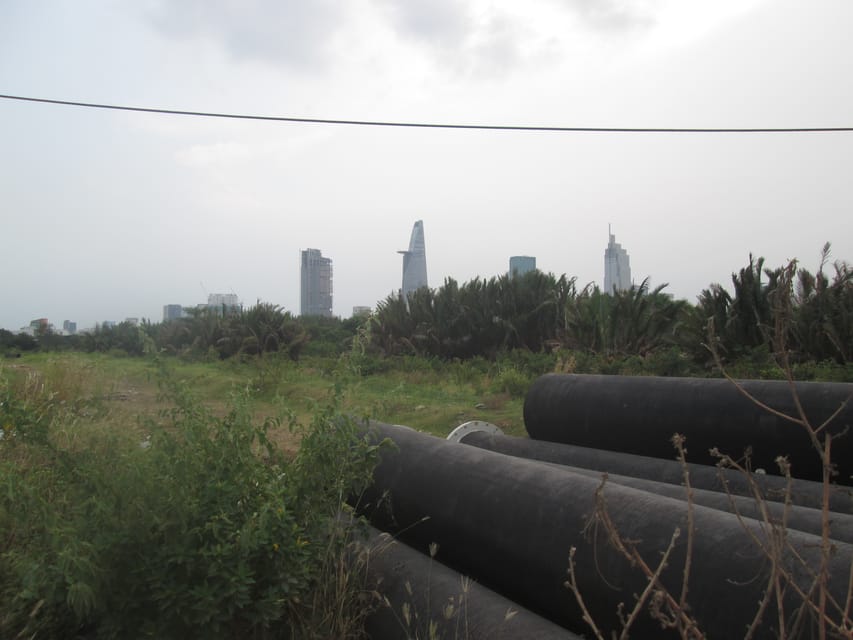
At $16 per person, you are getting a guided experience that includes:
- round-trip transfers (free pickup/drop-off in Districts 1, 3, and 4)
- English-speaking professional driver/guide
- motorbike and fuel, plus helmet and poncho if needed
- insurance
- bánh mì and a coffee/juice/smoothie break
That package matters because most “themed tours” either skip food or skip the logistics cost. Here, they handled the moving part for you, and they included the small meal moment so you are not scrambling for lunch.
Pickup and meeting point: free pickup is offered at hotels in Districts 1, 3, and 4. If you are staying outside that zone, you’ll usually use the meeting point—Saigon Opera House, 07 Quảng Trường Lam Sơn, Quận 1—or pay a $5 per person surcharge if you still want hotel pickup.
Also, if you want a private setup, there is a private-tour surcharge of $5 per person. And if you want a car or van instead of motorbikes, you can add one: $50 for a 7-seat car or $70 for a 16-seat van, booked before 24 hours.
One more money-saver detail: the tour includes insurance, so you are not left thinking about “what if.” That kind of small included safety net can be worth more than a few dollars when you are on the move.
Who Should Book This (and Who Should Skip It)
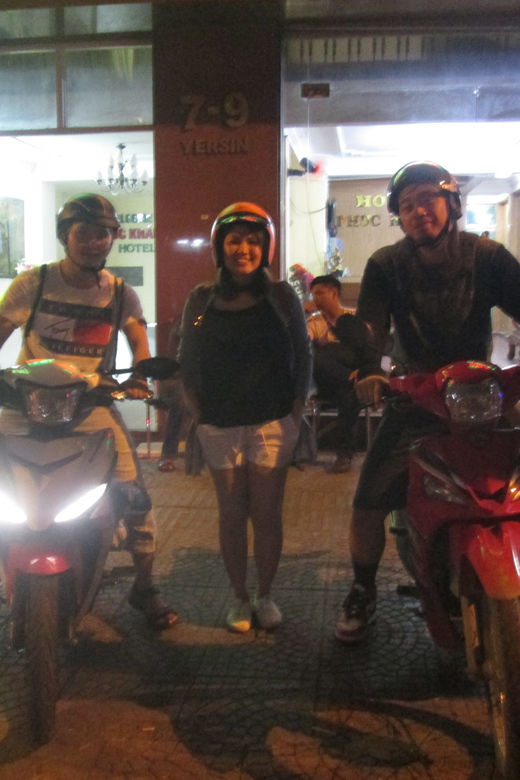
This tour is a great match if you like cities more than sets. You want to understand how locals think, see places that feel real (pagodas, funeral space, Chinatown buildings), and hear stories that connect culture to fear.
You will likely love it if:
- you enjoy short, story-led stops
- you like walking into ordinary places with a guide who can explain meaning
- you are comfortable riding a motorbike
You should probably skip it if:
- you have back problems
- you are over 70
- you strongly prefer not to be on a motorbike
If you fall into the “I want the culture but I don’t want the motorbike” group, the car/van option is worth considering.
Should You Book This Ghost, Belief & Culture Tour?
Yes, if your goal is to understand Ho Chi Minh City through its beliefs and rituals, not just to collect spooky photos. The biggest strength is the order of operations: you get a pagoda primer first, then funerals, then Chinatown folklore, and finally Thich Quang Đức’s real historical weight. That progression makes the whole theme feel coherent.
Book it especially if you care about guides who can explain clearly in English and keep the energy light enough to enjoy the ride. Names like Vincent and Danny show up for a reason: they tend to bring both knowledge and personality.
But if motorbike riding makes you nervous, treat the car/van option as your Plan A, not a backup. The tour concept is inseparable from that street-level perspective.
FAQ
How long is the tour?
The tour runs about 2 to 4 hours, depending on the starting time available.
Where does pickup happen?
Free pickup is available from hotels in District 1, 3, and 4. If you are outside those areas, you can meet at Saigon Opera House (07 Quảng Trường Lam Sơn, Quận 1), or you may be charged a $5 per person surcharge to pick up at your hotel.
What is included in the price?
Round-trip transfers (free pickup/drop-off for District 1, 3, and 4 hotels), an English-speaking professional driver/guide, motorbike and fuel, helmet and a poncho if required, bánh mì, coffee/smoothie/juice, and insurance.
Is the tour always on a motorbike?
This experience is designed as a join-in motorbike tour. There is also a car option (7-seat) or van option (16-seat) for an additional surcharge.
What stops will I see during the tour?
You’ll visit a pagoda to understand local beliefs, the funeral house (with a walk inside), a Chinatown stop including the Ghost Building, and the Thich Quang Đức monument.
What food and drinks are included?
You get bánh mì and one of the following: Vietnamese coffee, juice, or a smoothie.
Can I choose a private tour or small groups?
Yes. Private or small groups are available, and the private tour option has a $5 per person surcharge.
Do holidays change the price?
Yes. On Vietnam public holidays, there are surcharges payable onsite: 100% for a 2-hour tour and 50% for other tours. Specific dates are listed for Lunar New Year, April 7, April 30–May 1, Sep 1–Sep 2, and Dec 31–Jan 1.
Can I cancel and get a refund?
Yes. You can cancel up to 24 hours in advance for a full refund.