REVIEW · HO CHI MINH CITY
Ho Chi Minh: Full-Day Private City Tour
Book on GetYourGuide →Operated by Maika Tours · Bookable on GetYourGuide
Saigon moves fast, but this day tour keeps it organized. You’ll follow a smart route through key districts, mixing market life with major landmarks, with an English-speaking guide and a fully air-conditioned car.
I especially liked the morning rhythm: the stroll through Ho Thi Ky Flower Market and then a short cycling segment that makes street-level Saigon feel real, not staged. I also like the balance between big history stops and food—Phở for lunch, plus time for a famous Vietnamese coffee later.
One possible drawback: it’s a long day, and the War Remnants Museum can be emotionally heavy because the displays include graphic content. If you’re sensitive to war imagery, plan for breaks and pace yourself.
In This Review
- Key highlights you shouldn’t miss
- Ho Thi Ky Flower Market and a Bicycle Hour You’ll Actually Enjoy
- Thien Hau Temple and Chinatown’s Street-to-Skyline Contrast
- War Remnants Museum: Learn the Context, Then Manage Your Emotions
- Phở Lunch and a Coffee Moment That Feels Like a Reset
- Reunification Palace and Independence-Era Sights in One Flow
- CIA Building, Frequent Wind, and a Mini Walking Loop of Saigon Icons
- Ben Thanh Market for Market Culture and Easy Bargaining Practice
- Price and Logistics: Why $95 Can Make This Day Feel Easier
- Who This Private City Tour Is For (and Who Might Want Something Different)
- Should You Book This Tour? My Take
- FAQ
- FAQ
- How long is the Ho Chi Minh: Full-Day Private City Tour?
- What’s included in the price?
- Is hotel pickup included?
- Is this tour wheelchair accessible?
- What should I bring or wear?
- Can I get a full refund if I cancel?
Key highlights you shouldn’t miss
- Ho Thi Ky Flower Market for the biggest flower scene in the city and daily trading life
- Pet Market bicycle hour that turns narrow streets into an easy, fun ride
- Thien Hau Temple in Chinatown—often described as the city’s most beautiful temple
- War Remnants Museum for clear, difficult perspectives on the Vietnam War and its lasting impact
- Independence/Reunification Palace plus French colonial icons like Notre Dame and the Central Post Office
- Ben Thanh Market + Vietnamese coffee to end the day with local-market culture and a caffeine reset
Ho Thi Ky Flower Market and a Bicycle Hour You’ll Actually Enjoy
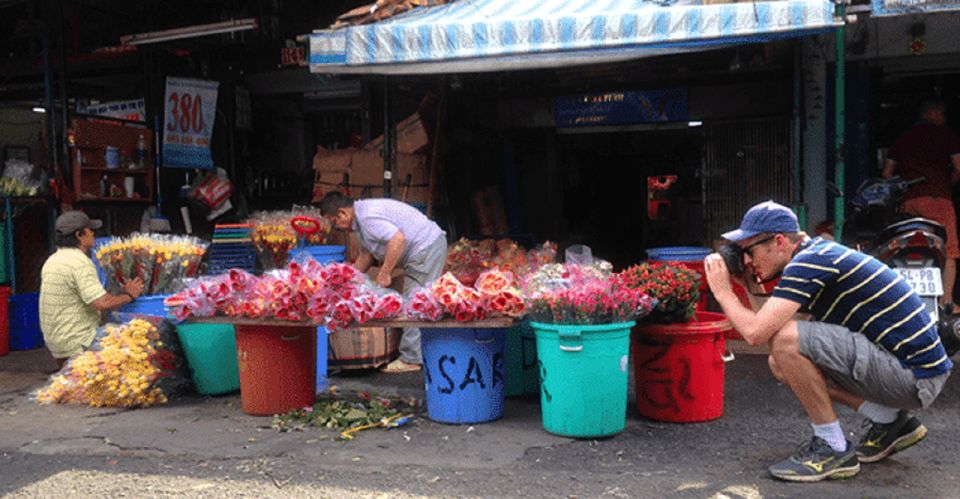
The day starts with a stroll through Ho Thi Ky Flower Market, and it sets the tone right away. The colors hit first—flowers everywhere—but it’s the routine that stays with you. You see how traders work, how they move through tight lanes, and how the market fits into normal daily life.
The best part is that it’s not just a photo stop. Your guide helps you navigate the narrow, winding layout so you can watch the real flow of customers and sellers instead of getting stuck at the entrance like a tourist traffic cone.
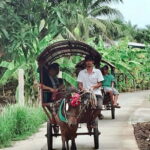
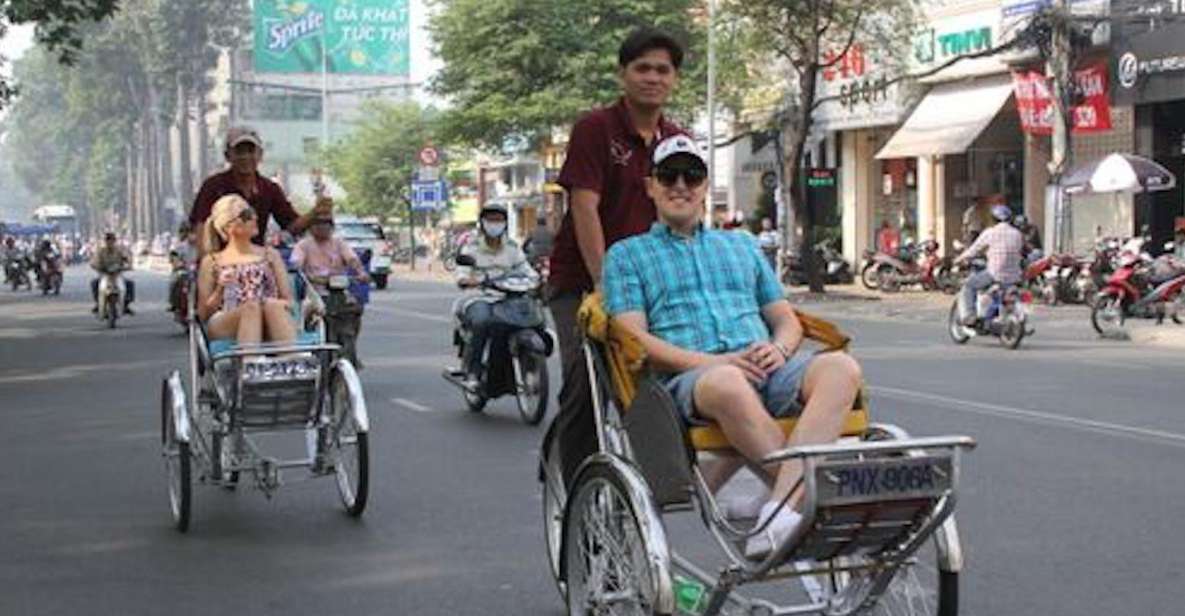
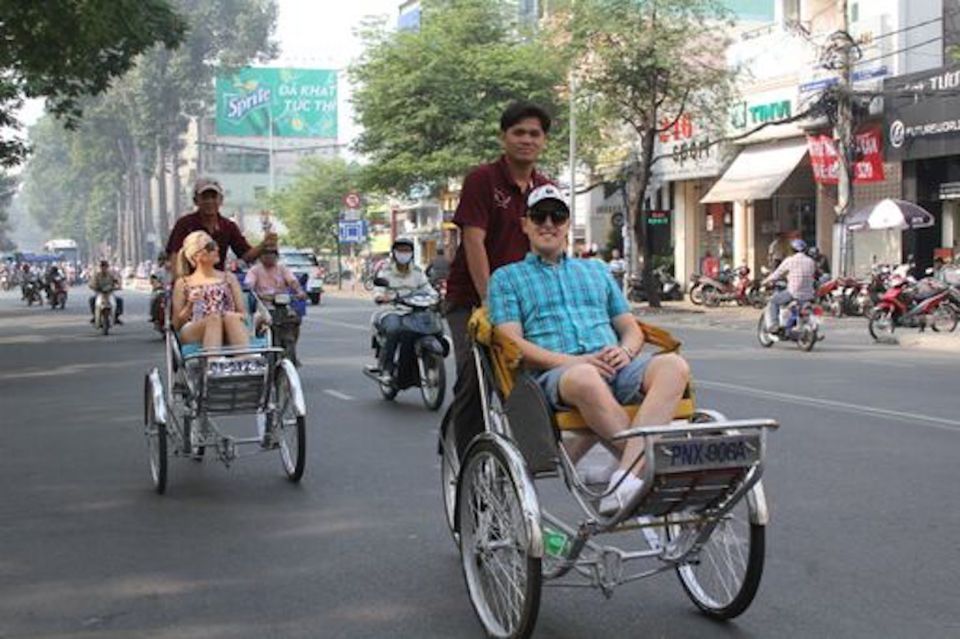
After that, you’ll head toward the Pet Market, where you pick up a bicycle for about an hour. This is a smart choice for two reasons. First, the streets and traffic feel chaotic enough on foot; cycling lets you glide through more quickly without the stress of constantly dodging scooters. Second, it breaks up the day so you’re not just bouncing between museums and monuments.
During the cycling hour, you’ll pass through local food and fruit areas where you’ll get insight into daily Vietnamese life and local cuisine. Then the route turns into a classic Saigon patchwork of specialty markets—think leather, fabric, second-hand items, and Chinese medicine stalls.
It’s not “shopping pressure” like you might fear. The point is observation and context: you’ll see what people buy, what industries matter, and how different parts of town connect.
Your cycling segment ends at Thien Hau Temple, which is a perfect landing spot. You go from busy street trading to a calm temple atmosphere, and it feels like a palate cleanser.
You can also read our reviews of more city tours in Ho Chi Minh City

Thien Hau Temple and Chinatown’s Street-to-Skyline Contrast
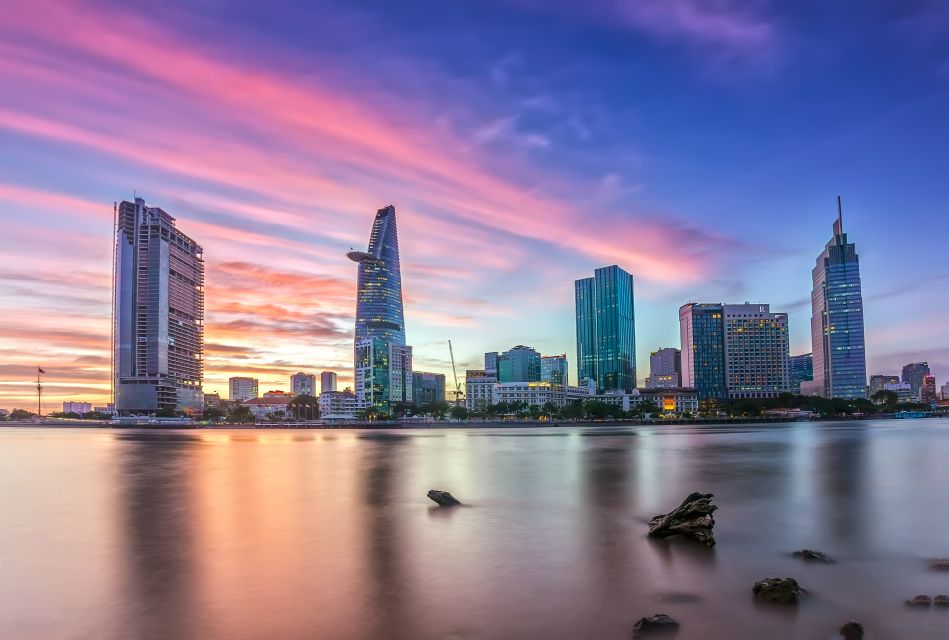
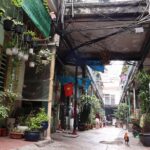
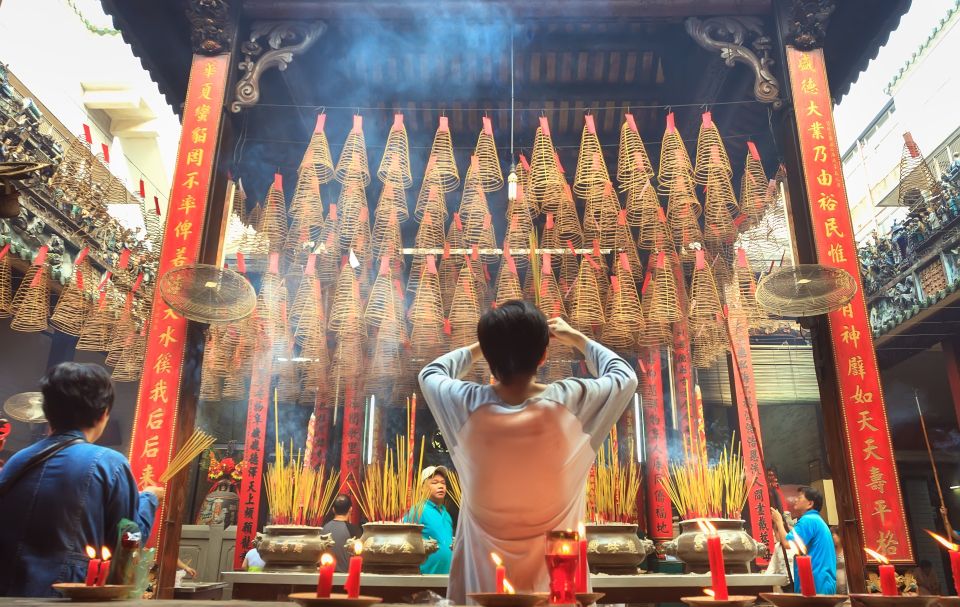
Thien Hau Temple sits in Chinatown, and it’s often held up as one of Ho Chi Minh City’s most beautiful temples. Even if you’re not a hardcore temple person, it’s worth it for the architecture and the way it anchors the neighborhood.
This stop also does something practical: it helps you understand why Chinatown isn’t just a tourist zone. It’s a living community, and the temple is part of that everyday rhythm. You’ll feel the neighborhood’s personality more clearly before you head back into the center for history-heavy stops.
Once you leave the temple, the tour drives along a canal area for a visual contrast. You’ll see poorer stilt houses alongside wealthier sky-high buildings. That’s a quick, hard-to-unsee snapshot of the city’s uneven growth.
It’s also a useful contrast to keep in mind before you visit the War Remnants Museum. The day is building toward understanding—people’s lives, then the war’s impact, then how the city represents power and identity now.
War Remnants Museum: Learn the Context, Then Manage Your Emotions
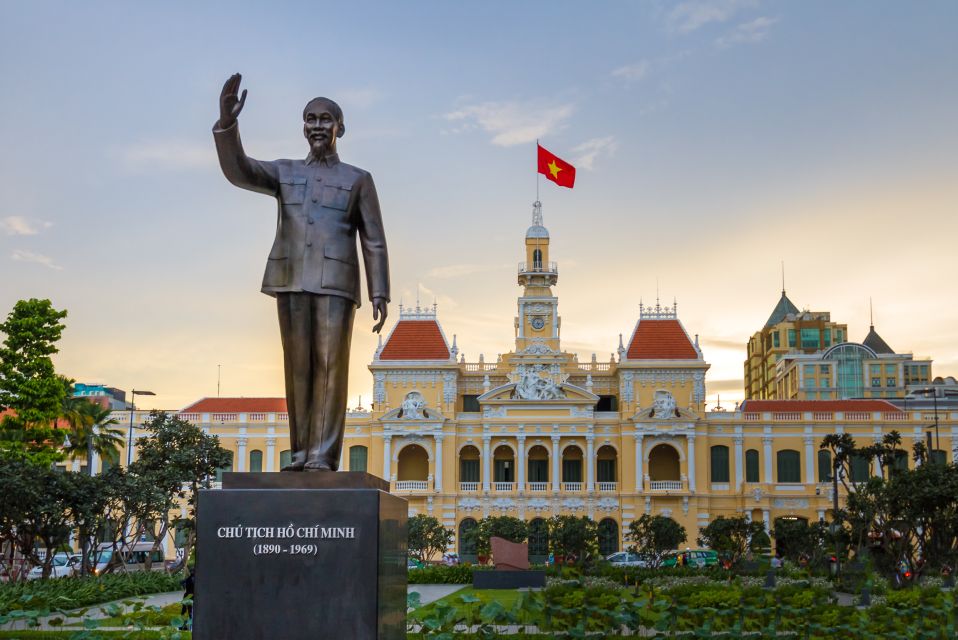
The War Remnants Museum is the moment where the day turns serious. Your guide will take you there after the canal drive, and you should expect something emotionally hard-hitting. The displays include graphic content, so it’s not a light sightseeing stop.
What makes this museum valuable on a guided private route is context. A guide can help you frame what you’re seeing and connect the story to the war’s continuing effects today—without making it feel like a debate club. This is the kind of visit where your takeaway isn’t just dates and names, but the human cost and how memory is preserved.
A practical tip: pace yourself. If you find a section that hits too hard, step back and let your guide point out what you should focus on next. The museum isn’t going anywhere, and you’ll get more from it if you don’t force through on autopilot.
Also, save your energy. You’re still going to eat lunch and tour major landmarks afterward, so it helps to take a breath here and choose to go at a steady pace.
Phở Lunch and a Coffee Moment That Feels Like a Reset
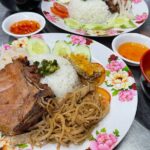
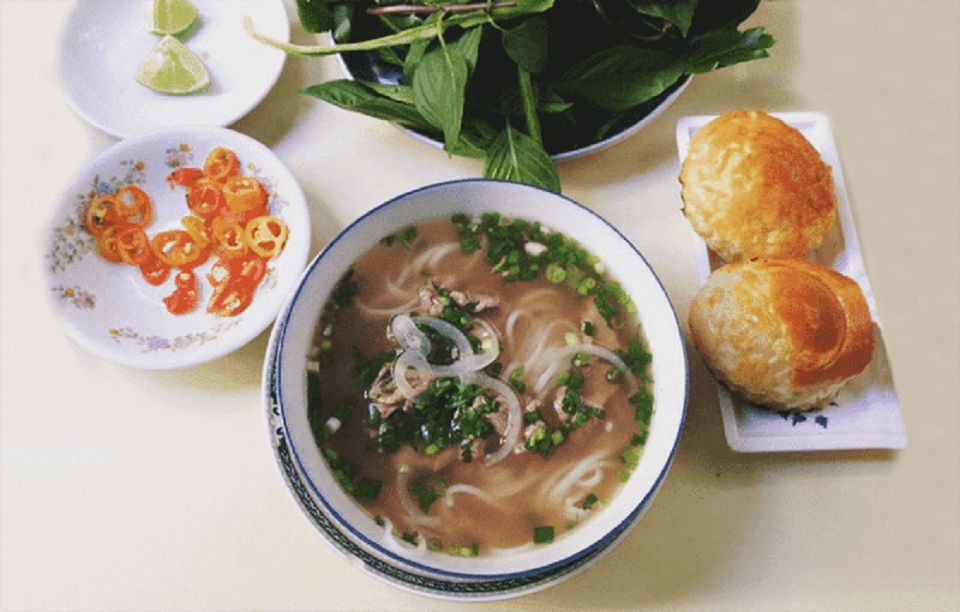
Lunch is a key part of this tour’s value. You’ll try Phở, the most famous Vietnamese dish, and it’s included as a set menu. I like that the tour doesn’t just toss you into a restaurant hunt. You get a planned meal that keeps you from wasting time in lines—or ending up somewhere that’s convenient but not representative.
The best time for Phở is usually right after a heavier emotional stop, and this day handles that. After the museum, you’ll have a chance to get grounded with something warm and comforting, then move forward.
Later, you’ll enjoy a famed Vietnamese coffee before being brought back to your accommodation. This is a smart rhythm for a full-day tour. Coffee gives you a small lift, and it also gives you a chance to slow down and watch the day end.
If you’re sensitive to strong flavors, don’t worry—you’ll have the guide’s support to understand what’s being served. The bigger win is that you’re not scrambling for caffeine on your own while you’re tired.
Reunification Palace and Independence-Era Sights in One Flow
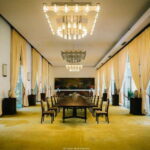
After lunch, you’ll visit the Reunification Palace, also known as the Independence Palace. This is one of the stops that turns history into something you can walk through. Instead of reading about decisions and battles, you see spaces and layouts tied to the time period.
Your guide’s job here is especially important. You’ll learn why the palace mattered and how it fits into Vietnamese history. That guided storytelling makes the building feel like it has purpose, not just walls and rooms.
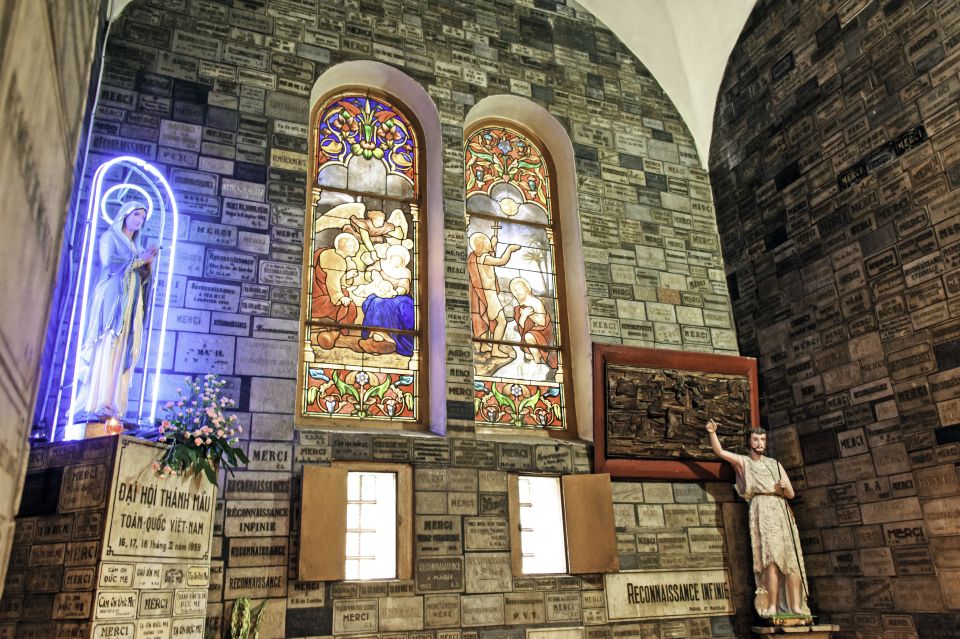
Then the tour moves into the French colonial era highlights. You’ll visit Notre Dame Cathedral and the Central Post Office, two of Ho Chi Minh City’s most famous landmarks. This is one of those moments where the architecture is a headline all by itself, but the guide adds the meaning.
The Cathedral and Post Office are close enough that you can connect the theme: how colonial-era infrastructure left a visual footprint on the city. It also gives your day a change of pace—after the heavy museum, you’re back to walking and looking, with a narrative tying it together.
Dress matters here, too. The tour recommends covering knees and shoulders, and those buildings look best when you’re comfortable in a respectful outfit.
You can also read our reviews of more private tours in Ho Chi Minh City




CIA Building, Frequent Wind, and a Mini Walking Loop of Saigon Icons
Next comes a stop tied directly to the final days of the war: a historic CIA building where the last U.S. helicopter flew out of Saigon in 1975. Your guide will explain the story of the last U.S. operation, Frequent Wind.
This is an important contrast point. You’re seeing the war’s end through a specific lens tied to a specific location—an approach that can help you understand why different narratives exist. If you came to the museum expecting emotional impact, this stop adds the timeline and operational detail.
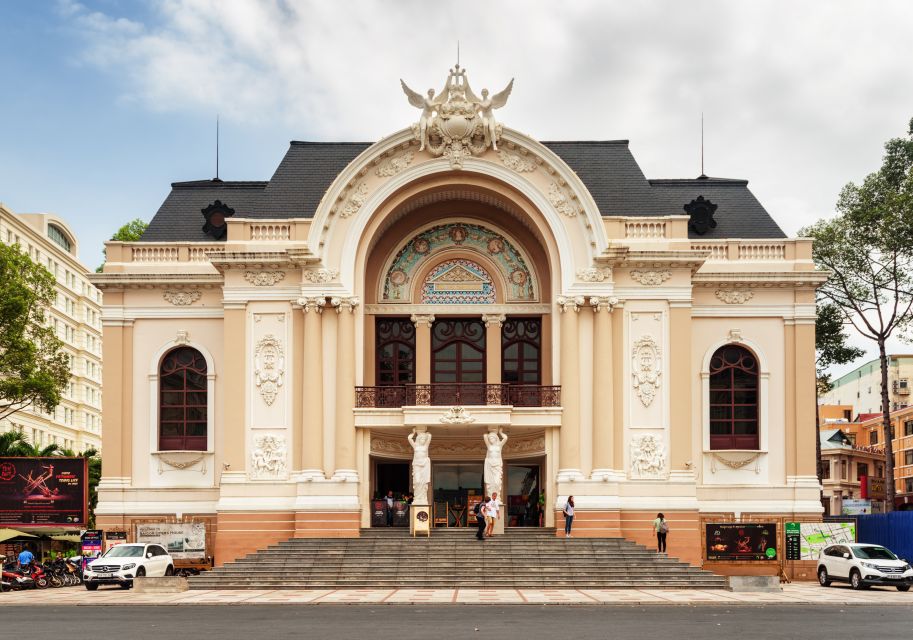
After that, you’ll do a mini walking tour to see classic Ho Chi Minh City highlights, including:
- Opera House
- Hotel Continental
- Nguyen Hue Square
- City Hall
- Rex Hotel
- Bitexco building
This part works well because it’s short, not exhausting. It’s also where you start noticing the city layering styles: older colonial structures beside modern skyline shapes. The route helps you connect what you’ve seen earlier—especially when you remember the canal-area contrast of poorer homes and taller developments.
If it’s hot or humid (and it often is), that’s where the air-conditioned car earlier in the day pays off. You’ll still be walking, but it stays manageable.
Ben Thanh Market for Market Culture and Easy Bargaining Practice
The final stop is Ben Thanh Market, one of the best ways to understand local market culture without needing a full shopping agenda. You’ll have time for window shopping, and it’s also a place where you can practice bargaining if that’s your style.
Ben Thanh is busy in the best way. It gives you a sense of what people actually buy and sell, and it’s the kind of place where your guide can help you make sense of what you’re seeing. If you’re overwhelmed, treat it as a sensory walk—don’t force yourself to purchase.
Also, this is a nice closing move after the museum and palace. After all the serious history, you end with everyday life: snacks, goods, movement, and the social energy of a real market.
You’ll then enjoy Vietnamese coffee and get returned to your hotel within Ho Chi Minh City.
Price and Logistics: Why $95 Can Make This Day Feel Easier
At $95 per person for an 8-hour private tour, the value depends on what you’d otherwise be doing. If you tried to assemble this yourself—guides for history, multiple districts, transport, museum timing, lunch planning—you’d spend money and time in transit and decision-making.
Here’s what the price includes that actually matters on the ground:
- All entrance fees
- Fully air-conditioned vehicle
- English-speaking guide
- Vietnamese set menu lunch
- Two bottles of water
- All taxes
For a full-day schedule, those additions reduce stress. The air-conditioned car isn’t a luxury here—it’s a practical survival tool. You’re going between markets and major sites, and keeping your energy up helps you enjoy the emotional stops instead of just enduring them.
The tour is also a private group, which usually means your pace is less rushed. When the day includes a graphic museum, pacing isn’t a small detail.
So yes, it costs money, but you’re buying structure and time savings more than just transportation.
Who This Private City Tour Is For (and Who Might Want Something Different)
This tour is a strong match for you if:
- You want a first-timer route that hits major landmarks and local markets.
- You like a guide who connects sites with meaning—especially around the Vietnam War narrative.
- You prefer a plan that includes food stops rather than leaving you to figure it out in the heat.
It might not be your perfect choice if:
- You strongly dislike war-related content, since the War Remnants Museum includes graphic displays.
- You get exhausted by long days. This runs about 8 hours, and it’s recommended to start around 8:00AM with a finish around 5:00PM.
On the practical side, you’ll want basic sun protection. The tour recommends a sun hat, sunscreen, a jacket, and insect repellent, plus respectful clothing (cover knees and shoulders).
Good news: it’s wheelchair accessible, and it’s built for a private group experience.
Should You Book This Tour? My Take
If you want one day that gives you both the famous sights and the lived-in city feeling, this is a solid bet. The combination of markets + temples + major history sites, plus included lunch and coffee, makes it easier to see more without constantly organizing the day yourself.
The big decision is emotional stamina. If you’re okay with heavy content at the War Remnants Museum, you’ll get a fuller, more grounded understanding of Ho Chi Minh City—one that goes beyond postcard landmarks.
FAQ
FAQ
How long is the Ho Chi Minh: Full-Day Private City Tour?
The tour duration is 8 hours, and recommended timing is to start around 8:00AM and finish around 5:00PM.
What’s included in the price?
The tour includes all entrance fees, all taxes, a fully air-conditioned vehicle, two bottles of water, an English-speaking guide, and a Vietnamese set menu lunch.
Is hotel pickup included?
Yes. Pickup is included for hotels located within Ho Chi Minh City. You should wait in the hotel lobby 10 minutes before your scheduled pickup time, and your private guide will be holding a sign with your last name.
Is this tour wheelchair accessible?
Yes, the tour is wheelchair accessible.
What should I bring or wear?
Bring a sun hat, sunscreen, a jacket, and insect repellent. Dress respectfully with knees and shoulders covered.
Can I get a full refund if I cancel?
Yes. You can cancel up to 24 hours in advance for a full refund.