REVIEW · HO CHI MINH CITY
Ho Chi Minh: Cu Chi Tunnels and AK-47 Shooting- MAX 11people
Book on GetYourGuide →Operated by TourVietnam · Bookable on GetYourGuide
Cu Chi Tunnels turn history into a crawl. On this 7-hour Cu Chi Tunnels trip, I like the max 11 people group size and the way you get a war-focused story before you go underground. The short documentary and guided explanations also help turn dry facts into something you can actually understand.
The main heads-up is physical and mental. You’ll crawl through very narrow tunnels, and this is not a great match if you get claustrophobic.
In This Review
- Key things to know before you go
- The drive out of Ho Chi Minh City: organized, air-conditioned, and timed right
- Documentary + war context: better than showing up cold
- Crawling the Cu Chi Tunnels: the real wow factor comes with discomfort
- A key consideration: claustrophobia
- Bamboo trap and tunnel survival logic: a lesson in how the site worked
- Vietnam War explanations that stay clear (and sometimes funny)
- Wartime food tasting: boiled tapioca and hot pandanus tea
- Optional AK-47 / MK16 shooting: fun, but read this before you pay
- Price and logistics: why around $26 can still feel like a deal
- Timing reality check
- What to bring (and what can save your sanity)
- Who this tour fits best
- FAQ
- FAQ
- How long is the tour?
- How far is Cu Chi Tunnels from Ho Chi Minh City?
- What group size is this tour?
- Is the shooting experience included?
- How much does the optional shooting cost?
- What languages do you get on the tour?
- Is hotel pickup and drop-off included?
- What will I do at the Cu Chi Tunnels?
- What should I wear and bring?
- Is this tour suitable for claustrophobia?
- Should you book this Cu Chi Tunnels and AK-47 tour?
Key things to know before you go
- Max 11 in the group: easier pacing and more time for questions than big buses
- Tunnel documentary first: you watch a short film about how the passages were built
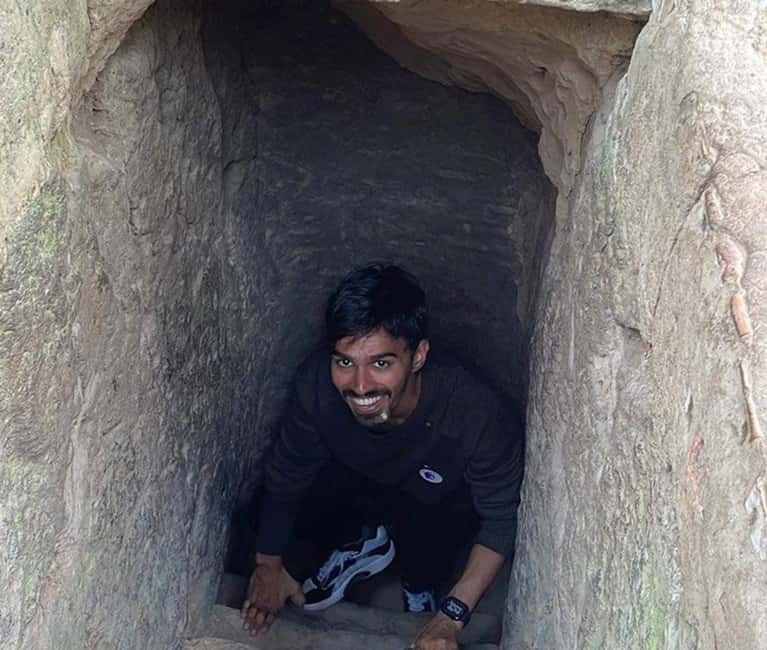
- Selected tunnels to crawl: you’ll experience how cramped, low, and physical it really was
- Bamboo trap display: you see the design that trapped attackers
- Wartime food tasting: boiled tapioca with hot pandanus tea
- Optional AK-47/MK16 shooting: extra cost, extra time at the range
The drive out of Ho Chi Minh City: organized, air-conditioned, and timed right
Most days start with hotel pickup in Ho Chi Minh City. You’ll ride in an air-conditioned vehicle with a small group (up to 11 people), then head about two hours southwest to Cu Chi Tunnels.
Two hours each way is a real chunk of the day, so I appreciate that this tour doesn’t waste that time with chaos. It keeps the focus: history on the road, then the experience at the tunnels, then back to your hotel.
If you’re the type who needs breaks, plan for a longer day than the walking part suggests. The drive adds up, even with regular stops.
You can also read our reviews of more tours and experiences in Ho Chi Minh City.

Documentary + war context: better than showing up cold
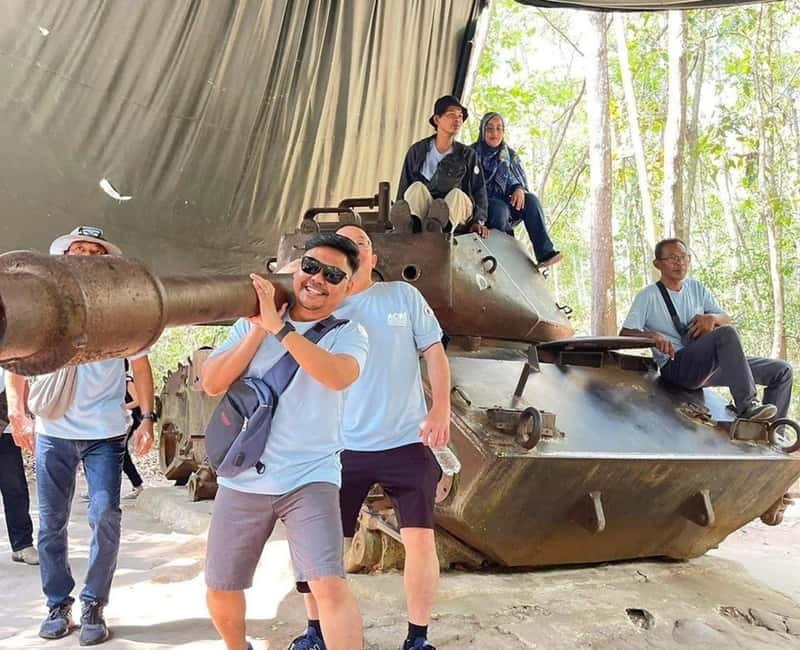
Before you crawl, you watch a short documentary film about how the tunnels were constructed. It also briefly covers the war between Vietnam and the imperialist countries.
This setup matters. If you arrive with zero context, you can end up seeing tunnels as just an extreme curiosity. With the film and guide talk, you start understanding why these passages mattered: movement, hiding, supply, and survival all tied into one underground system.
The documentary is short, so it’s not a full lecture. Still, it gives you enough framing to make the tunnel crawl feel meaningful instead of random.
Crawling the Cu Chi Tunnels: the real wow factor comes with discomfort
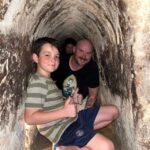
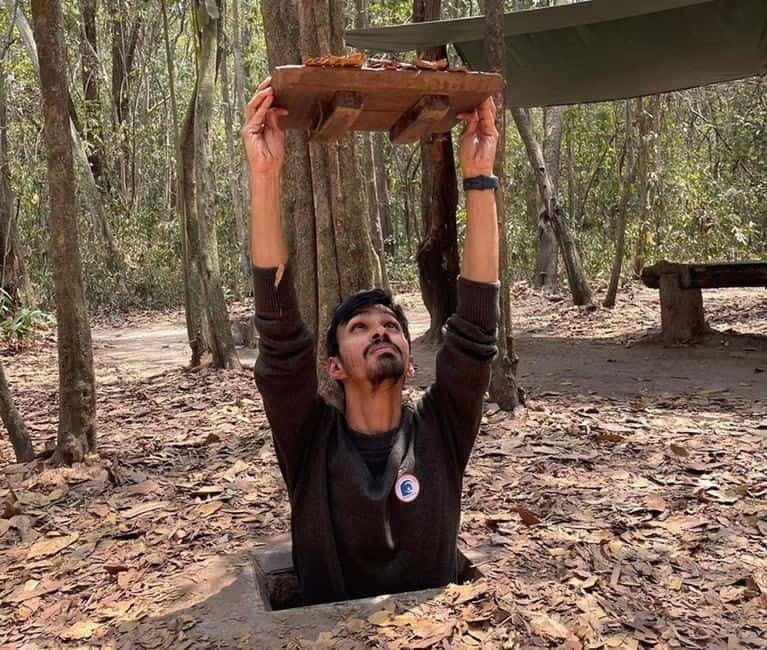
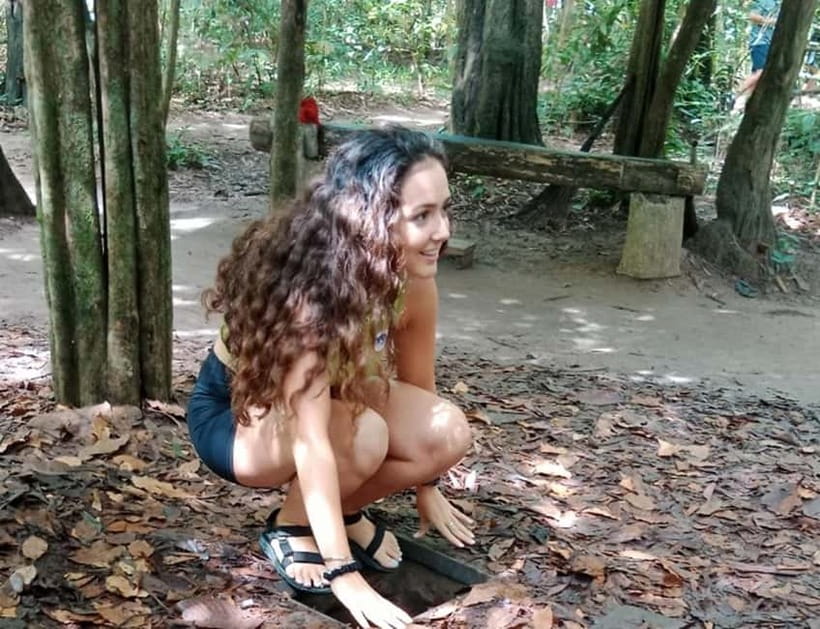
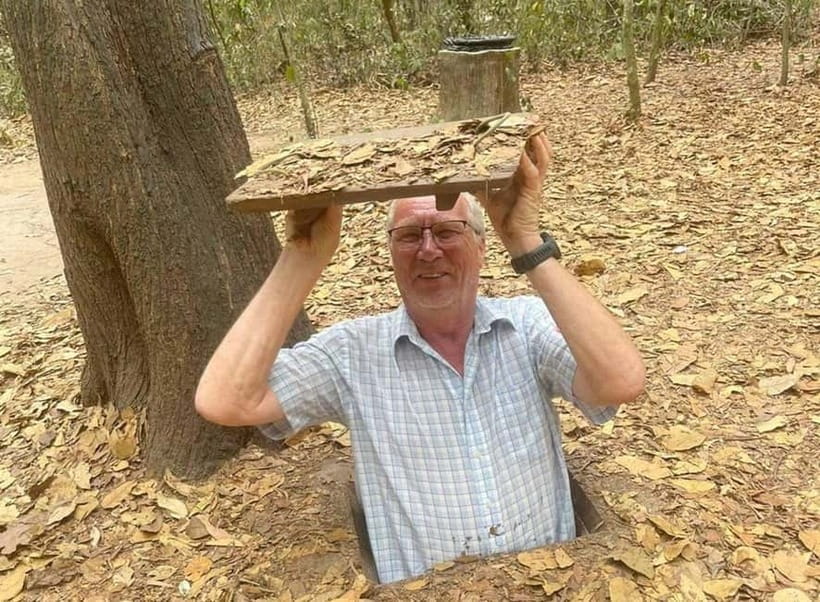
The highlight is the tunnel experience. You’ll discover the secret network of Cu Chi Tunnels and crawl through selected passages that were built by hand during wartime. This is not a walk-through where you stay upright and take photos from a safe distance.
The tunnels are intentionally tight, and you should expect to get low and move carefully. The tour guides typically show you how to handle it, then you crawl as a group. Think of it as an endurance test for your legs, hips, and patience more than a sightseeing stroll.
Also, there’s a big difference between reading about underground life and actually doing it. When you’re in the cramped space, it becomes obvious how much energy it took just to move. That change in perspective is why people talk about this tour for years.
A key consideration: claustrophobia
This tour is not recommended for anyone with claustrophobia. Even if you can tolerate small indoor spaces, these tunnels are narrower than they look from the entrance. If you’re unsure, take it seriously and skip the crawling portion.
Bamboo trap and tunnel survival logic: a lesson in how the site worked
After the crawl, you see a trap made by soldiers. The tour describes bamboo poles pointed upward so the enemy falls into a hole and gets stuck, making it impossible to escape.
This is one of those moments where the tunnel system stops being abstract. You start seeing the site as a layered defense plan, not just hiding space. The tunnels, the cramped movement, and the traps all connect into one idea: control the battlefield by controlling the options of anyone trying to enter.
It can feel intense, but the way it’s presented is tied directly to the survival logic of the tunnels.
Vietnam War explanations that stay clear (and sometimes funny)
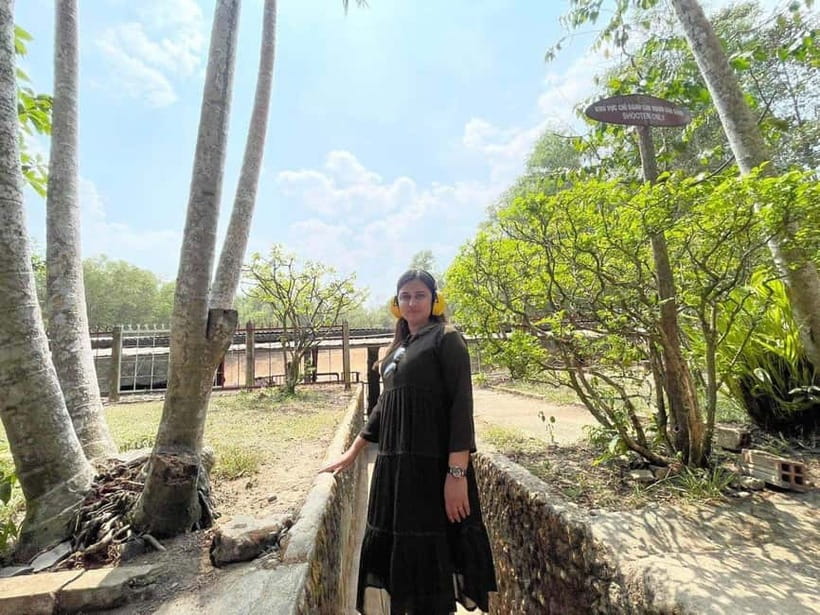
One of the strongest parts of this tour is the guide. You get a live English-speaking tour guide, and the experience is structured so questions are welcomed. The tour also emphasizes that if you have questions about Vietnam, your guide will do their best to clarify and explain.
In practice, guides vary in style. Some are known for being especially clear and entertaining. For example, guides like Jancy are described as explaining history clearly and engagingly, while Mr. Law (Luat) is noted for strong English and enthusiasm, including answering even unrelated questions. Harry is mentioned as funny and informative in an easy-to-understand way.
If you care about context, this is a major reason to pick a guided version instead of doing tunnels on your own. The guide helps you connect details—how tunnels were built, how soldiers lived, and why certain features existed.
Wartime food tasting: boiled tapioca and hot pandanus tea
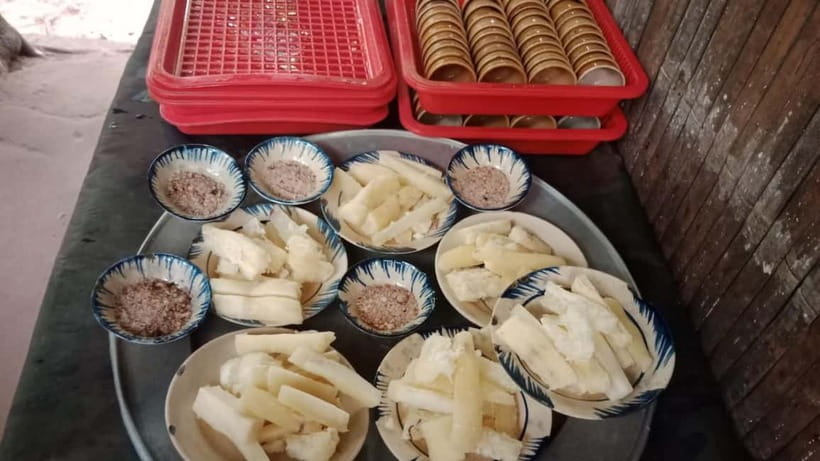
You’ll get a taste of food Vietnamese soldiers ate during the war: boiled tapioca served with hot pandanus tea.
Food tastings on history tours can be hit-or-miss, but this one is grounded in the theme of the day. It’s simple, practical, and very easy to understand as survival food. You don’t need a fancy description to get the point.
It’s also a nice break after the crawl. When you’re done moving through tight spaces, warm tea feels like a reset button.
Optional AK-47 / MK16 shooting: fun, but read this before you pay
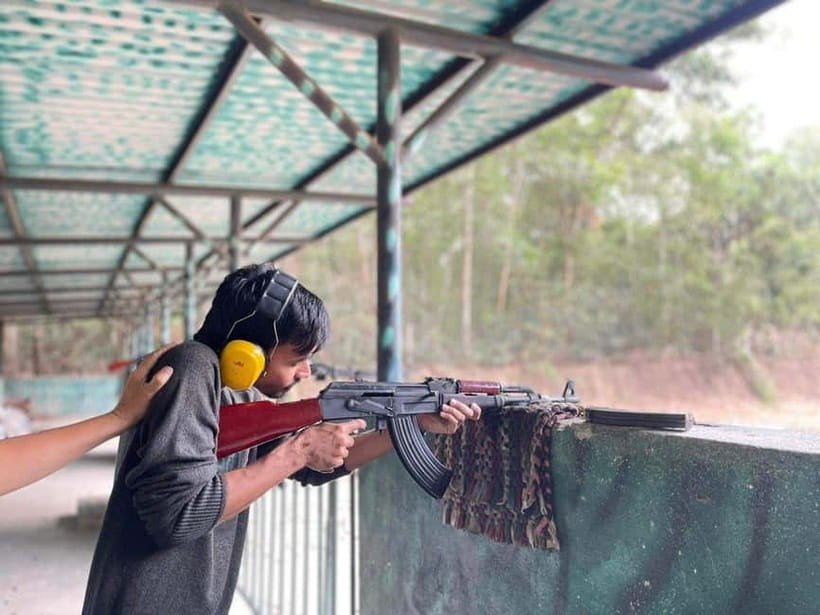
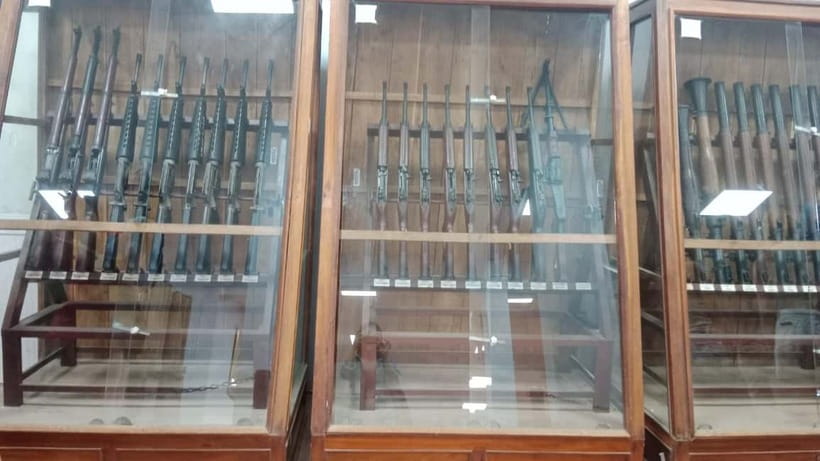
At the end, you can try shooting with AK-47 or MK16 rifles in a well-supervised area. It’s optional, and there’s a surcharge: 650,000 VND for 10 shots.
I think this option is worth considering if you want the “hands-on” factor. You get a structured activity with supervision, and you can decide based on your comfort with the cost and the time.
One real caution: the shooting range can be a bottleneck. Some people mention that instructors at the shooting point don’t speak much English, that you may get rushed due to a big line, and that instructions may not feel detailed enough to match the added price. Others still found the experience enjoyable and said the guide made it work.
So here’s my practical advice: go into it expecting the experience to be more about the act of shooting than a full coaching session.
Price and logistics: why around $26 can still feel like a deal
At about $26 per person for a 7-hour day, this tour has a lot included. You’re paying for:
- Air-conditioned transport and hotel pickup/drop-off
- A short documentary film
- A guided tour of Cu Chi Tunnels
- The chance to crawl through selected tunnels
- Explanations tied to Vietnam history, tradition, and culture
- A wartime food tasting
The optional shooting is extra (650,000 VND for 10 shots), so the base price is more about the tunnels and context than the weapons.
Is it “cheap”? Not exactly. But it’s fairly good value because you’re getting the full package in one day: transport, guidance, and the physical tunnel experience that’s hard to replicate without planning. The small-group limit (max 11) also matters. It tends to make the day feel less crowded and more controlled.
Timing reality check
This is a long day mostly because of the two-hour drive each way. The time underground is part of the day, but the full schedule depends on how quickly your group moves and how busy the site is.
What to bring (and what can save your sanity)
To make the tunnel crawl easier, pack for comfort. The tour advises:
- Comfortable shoes
- Comfortable clothes
- Water
- Camera (if you want personal memories)
Your clothes should handle crawling and getting close to the ground. Avoid anything stiff, heavy, or that restricts movement.
Also, if you’re sensitive to heat or sweat, bring a bottle of water and sip steadily during the day. The tunnels and driving can leave you worn out more than you expect.
Who this tour fits best
This experience is a great match if you want more than a quick stop. You’ll get guided history, a documentary, a physically involved tunnel crawl, and a food tasting that fits the wartime theme.
It’s also a good fit if you enjoy asking questions. Guides are set up to explain Vietnam-related topics, not just recite tunnel facts.
You should reconsider if:
- You have claustrophobia (this is the big one)
- You want a relaxed, photo-only walking tour
- You dislike optional add-ons with a line-based activity like the shooting range
FAQ
FAQ
How long is the tour?
The duration is listed as 7 hours.
How far is Cu Chi Tunnels from Ho Chi Minh City?
The tour notes a 2-hour drive from Ho Chi Minh City.
What group size is this tour?
It’s maximum 11 people.
Is the shooting experience included?
Shooting is optional and comes with an additional surcharge.
How much does the optional shooting cost?
The surcharge is 650,000 VND for 10 shots.
What languages do you get on the tour?
The live tour guide is in English.
Is hotel pickup and drop-off included?
Yes, hotel pickup and drop-off are included.
What will I do at the Cu Chi Tunnels?
You’ll get a guided tour, watch a short documentary film, and crawl through selected tunnels. You’ll also see a bamboo trap design and taste wartime foods.
What should I wear and bring?
Wear comfortable clothes and shoes for walking and crawling, and bring water plus a camera.
Is this tour suitable for claustrophobia?
No. It’s not recommended for people with claustrophobia.
Should you book this Cu Chi Tunnels and AK-47 tour?
If you want the classic Cu Chi experience—documentary context, guided tunnel crawling, and a real “war in your face” feeling—this is a solid pick, especially with the small group size. The food tasting and the bamboo trap stop add texture, so the day isn’t only about the underground crawl.
I would only skip it if tunnels make you anxious. For the shooting option, decide based on your interest in paying extra for an activity that can be affected by line time and instruction quality at the range. If you’re good with that, you’ll likely find the whole day memorable for all the right reasons.