REVIEW · HO CHI MINH CITY
Ho Chi Minh: Cu Chi Tunnels Small-Group Tour & War Veteran
Book on GetYourGuide →Operated by TripGuru Vietnam · Bookable on GetYourGuide
Tiny tunnels, big emotions, and real memories. This Ho Chi Minh City trip to the Cu Chi Tunnels pairs a Vietnam War veteran-led account with a walk through Ben Dinh’s underground world, plus an optional firing-range stop if you want the full (and intense) contrast.
What I like most is the format: a limited small group (up to 9) with air-conditioned pickup, so you’re not fighting crowds just to hear the story. The other big win is that you get a full one-hour war-veteran interaction, with time for questions, before you crawl into the tunnels yourself—though the tunnel experience is physically tight and can be claustrophobic, and the veteran may be unavailable on some days or may not guide the whole tour.
In This Review
- Key highlights you’ll care about
- Cu Chi Tunnels from Ho Chi Minh City: the value in a tight 6 hours
- Pickup and meeting point: how to avoid losing time
- Ben Dinh Tunnel: where the guide turns history into something you can picture
- The tunnel walk itself: survival design, claustrophobia reality, and your options
- The war veteran conversation: the most human part of the day
- When the guide also handles transportation, pacing, and small detours
- Optional rifle firing range: choose your comfort, not your curiosity
- What to bring and what to protect yourself from (it’s practical, not dramatic)
- Who this tour fits best
- Should you book this Cu Chi Tunnels small-group tour?
- FAQ
- How big is the group on this Cu Chi Tunnels tour?
- Does the tour include hotel pickup and drop-off?
- What if I don’t want pickup?
- Is the war veteran part guaranteed?
- Is rifle firing included?
- What costs extra besides the tour price?
Key highlights you’ll care about
- Up to 9 people keeps the day from feeling like a factory line
- Ben Dinh Tunnel replicas (booby traps, sleeping quarters) give context fast
- Underground passage maze time so you understand survival tactics, not just facts
- War veteran or a Napalm Girl family representative may lead the story depending on availability
- Optional M16/AK-47 firing range adds a jarring, hands-on choice at the end
- Early starts help; the site gets busy, and timing matters
Cu Chi Tunnels from Ho Chi Minh City: the value in a tight 6 hours
This is one of those Vietnam War experiences that can eat your whole day if you do it the complicated way. The tour’s 6-hour structure keeps things efficient: pickup, transport out of the city, guided time at the tunnel area, and then a return drop-off so you’re back in Ho Chi Minh City the same day.
At $23 per person, it’s priced like a budget-friendly cultural outing. The real question is what you get for that price. You’re paying for three things that usually cost extra if you piece them together: comfortable round-trip transport, an English-speaking guide, and a dedicated war veteran interaction block that makes the visit feel personal rather than purely museum-like. Also, entrance fees can be included depending on the option you select—so double-check whether your booking includes the Cu Chi Tunnels admission or if you’ll pay separately on the day.
Small-group tours also matter here because the Cu Chi Tunnels site is inherently crowded. Even with good pacing, you’ll still see other visitors. The difference is whether your guide can manage the flow and whether you can hear the story without shouting over busloads of people. With a group limited to 9, I’d expect a noticeably calmer rhythm.
You can also read our reviews of more tours and experiences in Ho Chi Minh City.

Pickup and meeting point: how to avoid losing time
If you choose pickup, you’ll be collected from your accommodation using an air-conditioned vehicle, then driven to the Ben Dinh tunnel entrance. The tour notes pickup is available for many District 1 areas, and only limited District 3 options (in specific wards), so it’s smart to confirm your address falls into the pickup zone.
No pickup? You can meet at Central Market Le Lai. The big practical point: show up at least 10 minutes early. Guides only wait up to 10 minutes before moving on. That’s not meant to be mean—it’s how a group tour stays on schedule when the tunnel entry times and driving route are fixed.
One more detail worth planning around: some tours in this category start earlier to beat the mid-day crush. Reviews mention an early start can help the day feel smoother and sometimes you’re back earlier than expected. In a place that’s popular year-round, starting smart is a big part of the comfort.
Ben Dinh Tunnel: where the guide turns history into something you can picture
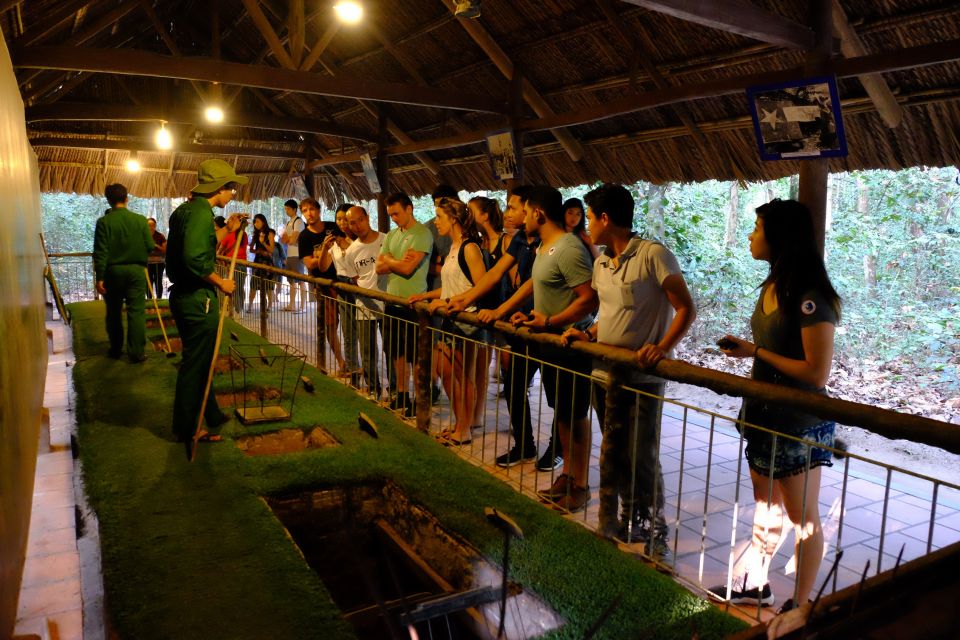
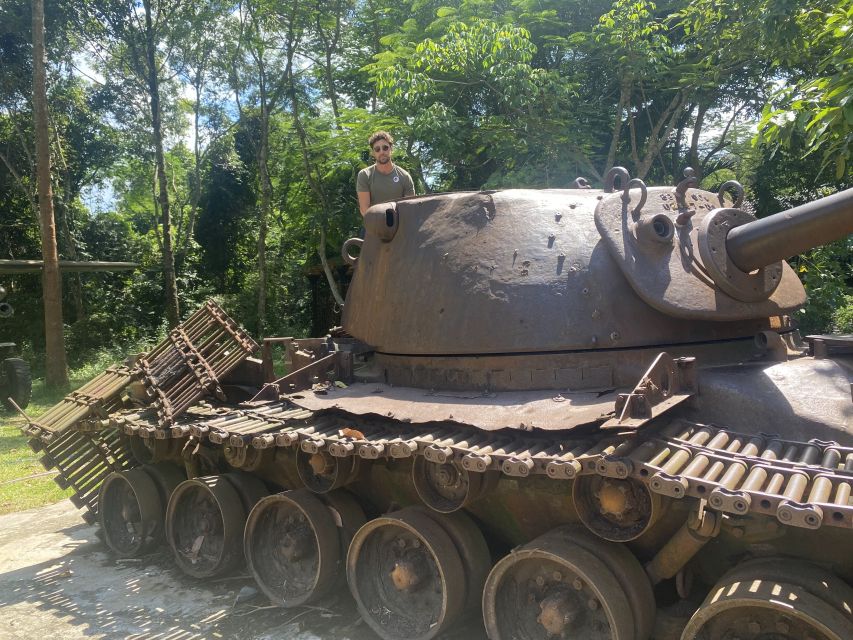
Ben Dinh is the first real “stage” of the day. This is where you get guided time plus sightseeing, around the first 30-minute block at the tunnel entrance area. What makes Ben Dinh useful is that it doesn’t just send you underground with no context. You first get replicas and displays designed to show how the tunnels were used and how people lived and fought under extreme conditions.
You’ll see replicas of booby traps and also sleeping quarters/barracks-style areas. That matters because tunnels are one part engineering and one part daily life. When you look at a replica before you go underground, you’re more likely to understand why the tunnels were built the way they were—small, hidden, and connected for communication and survival.
A key part here is the storytelling approach. The guide is there to connect the dots: what the tunnels were for, what life was like, and how the Viet Cong used underground spaces to resist a stronger, better-equipped opponent. Reviews repeatedly mention that guides like Sunny, Dickies, Travis, Alex, and Hai did more than recite facts—they helped people ask questions and stayed patient while the group’s curiosity ran in different directions.
The tunnel walk itself: survival design, claustrophobia reality, and your options
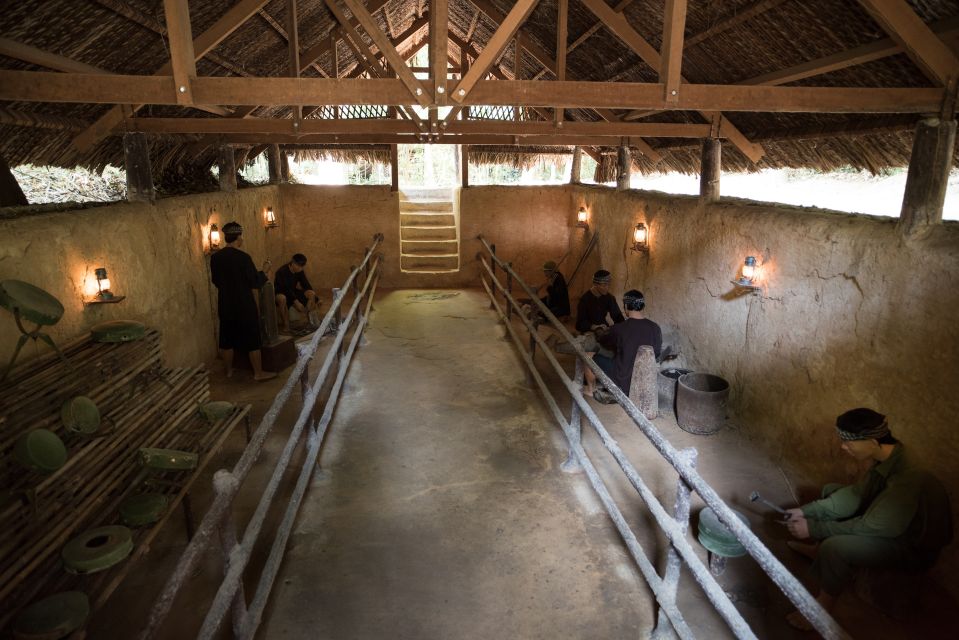
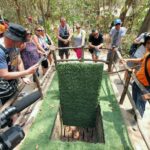
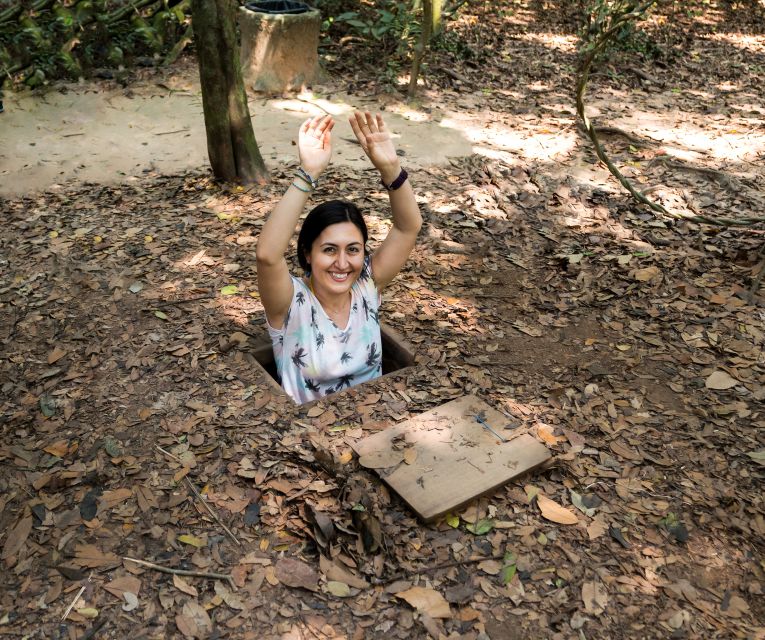
Once you enter the tunnels area, you’re in the heart of the experience. Expect a guided visit around 1 hour total tunnel time, where you’ll wander a labyrinth of underground passages and learn as you move.
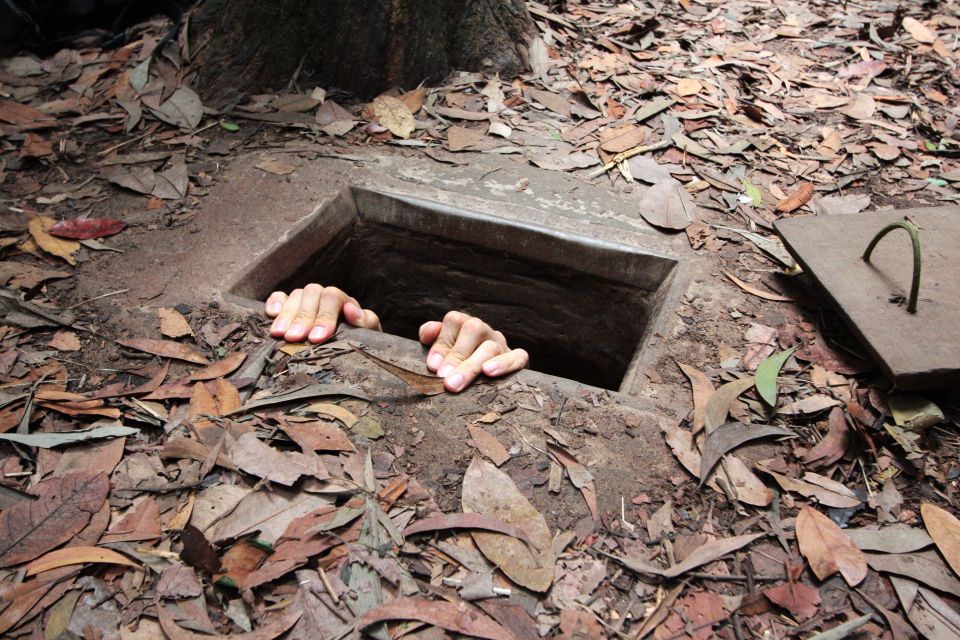
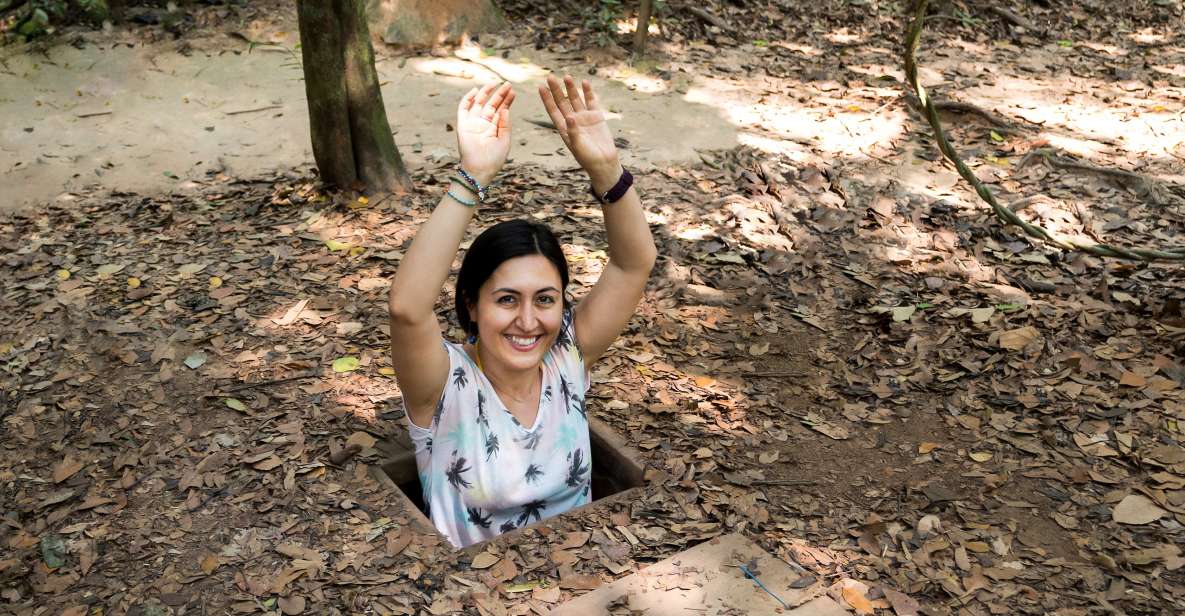
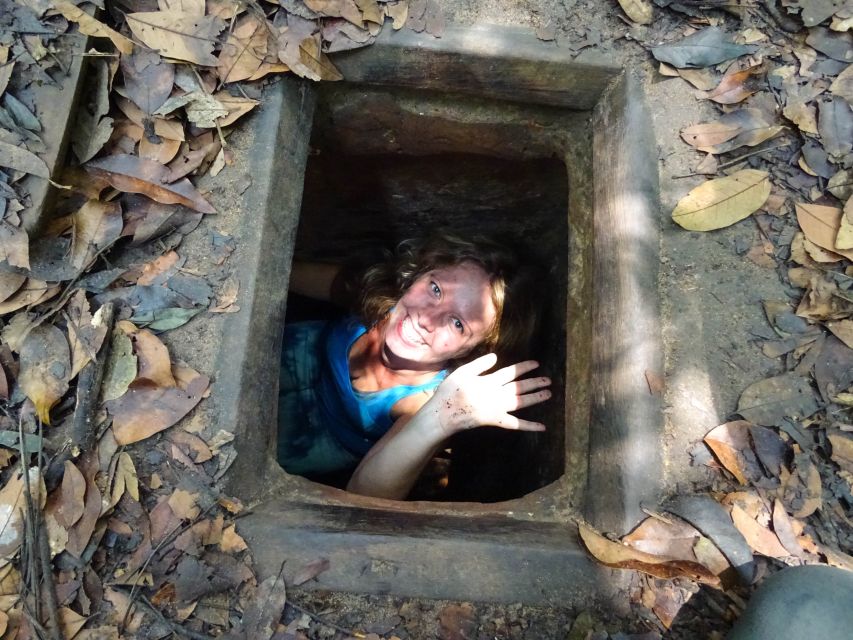
Here’s the honest part: these tunnels are tight. Multiple reviews mention they were tougher than expected and that claustrophobia is a real concern. The good news is that there are exits—people reported there are many exit points—so you’re not forced to keep going the whole way if you feel uncomfortable.
A practical tip: wear shoes you can trust and keep your camera away until you know you’ll be able to navigate safely. The tour includes guidance, but you’re still doing physical movement in a space designed for survival, not for tourists. If you’re taller, broader-shouldered, or anxious in enclosed spaces, plan for the possibility that you might not want to complete every segment.
Also note the “you get to decide” vibe. Reviews mention the tours often avoid pressuring people into going in; if you’re unsure, it’s okay to take a more cautious approach while still absorbing the history from the surface exhibits and guided explanation.
The war veteran conversation: the most human part of the day
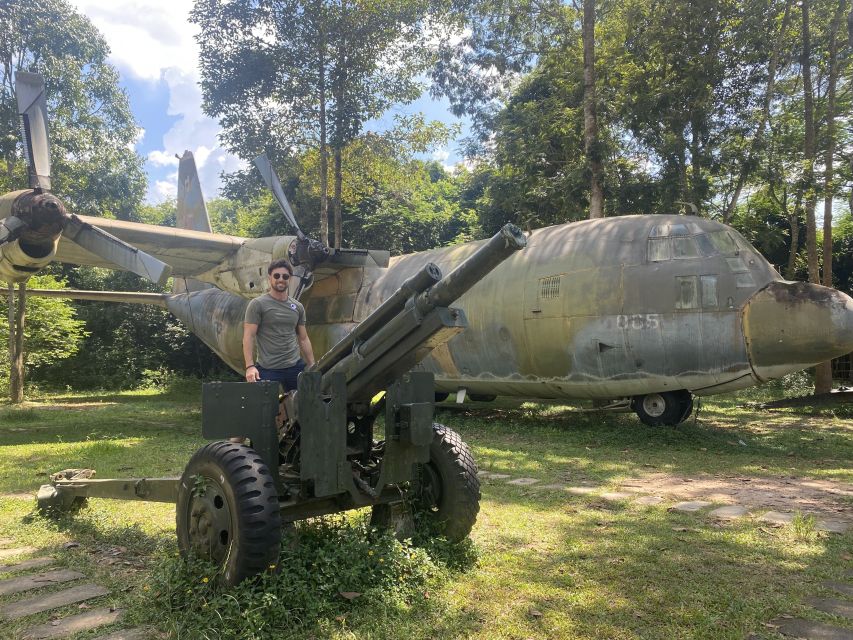
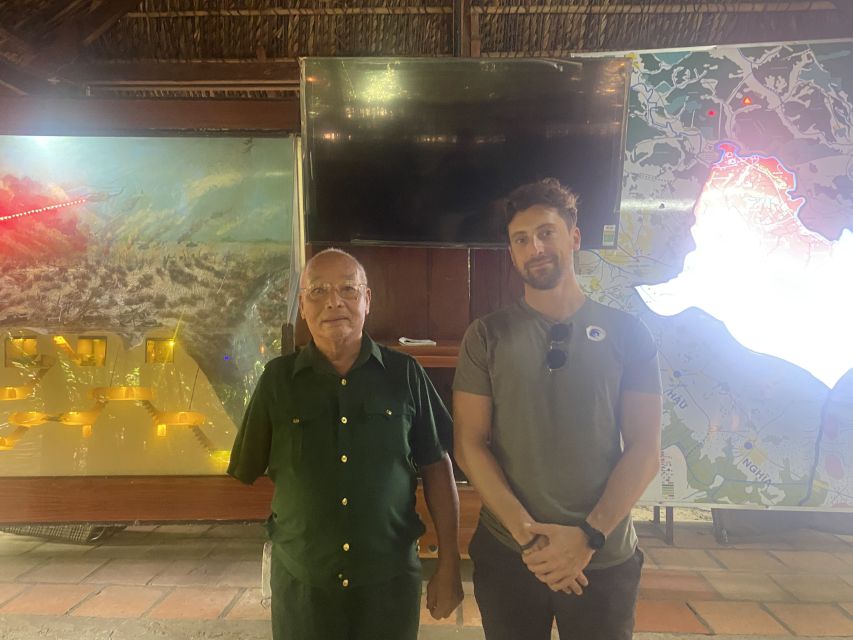
This tour’s emotional weight comes from the one-hour interaction with a Vietnam War veteran. That session is where the history shifts from textbook language into lived detail: what the war felt like day to day, why the tunnels mattered, and what people did to keep moving and communicating under constant threat.
This is also where questions make a difference. Some reviews highlight that the veteran can answer a lot if you’re ready with what you want to know. The time isn’t infinite, so being thoughtful matters.
Now, the important caution: the veteran availability isn’t guaranteed every day. The tour specifically notes the veteran may skip some days due to age and health, and a family member of Phan Thi Kim Phuc (the Napalm Girl) will fill in. That can still give you first-person context, but it may feel different from hearing the veteran directly. Also, at least one review points out that the veteran may speak Vietnamese and interaction might be shorter than you expect. Put simply: this part is the highlight, but it’s also the one element with the most potential for variability.
If you’re flexible, you’ll get value either way. If you’re traveling with very specific expectations about who leads the story, plan to be adaptable.

When the guide also handles transportation, pacing, and small detours
Good guides don’t just talk. They manage the day. Reviews repeatedly credit guides for English clarity, patience, and pacing—especially because Cu Chi is a high-tourist site and crowds can overwhelm your ability to hear explanations.
What you might appreciate is how guides use the long drive time. Several reviews mention guides filled the travel with context about everyday life in Vietnam, not just war details. That helps your brain “load” the setting before you reach Ben Dinh.
There are also occasional added stops on some departures mentioned in reviews, such as a lacquer workshop or a site where people affected by Agent Orange create art and work. The descriptions for your exact day don’t guarantee those stops, but it’s worth knowing they can happen. If you see these options on your schedule, they tend to extend the trip beyond the tunnels and connect the war’s aftermath to real livelihoods today.
Optional rifle firing range: choose your comfort, not your curiosity
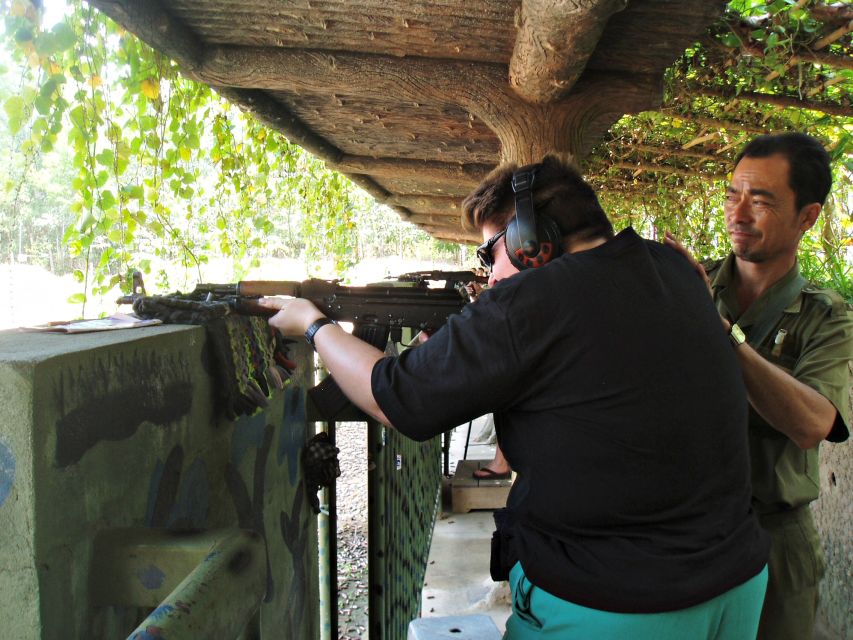
After the tunnel visit, you’ll head to a firing range where you can optionally fire an M16 or AK-47. The rifle firing fee is not included, so if you want this, you’ll plan for extra cost.
I’m not here to moralize. I’m here to help you decide with clear eyes. This part is a sharp contrast to the tunnels: survival design and stealth on one side, then gunfire and modern weapon handling on the other. If you’re already feeling heavy from the war stories, you might prefer to skip the range option and just focus on the history you came for.
If you do fire, keep your expectations realistic. You’re not learning tactics or doing a training course here. You’re choosing an experience that’s loud, physical, and emotionally loaded. Either way, the option is there—and the tour structure makes it an add-on rather than the main event.
What to bring and what to protect yourself from (it’s practical, not dramatic)
You’ll want to arrive prepared for sun, heat, and insects, and also for a place where you may move in enclosed spaces. The tour list is straightforward:
- Comfortable shoes
- Sunglasses and a hat
- Umbrella (useful for sun or sudden rain)
- Camera
- Sunscreen and insect repellent
- Cash (handy for any optional extras)
Hydration helps too. Bottled water is included, but if you’re sensitive to heat, you may still want to plan around sweating and walking.
For people with certain health concerns, it’s best to skip this type of underground experience. The tour says it’s not suitable for children under 7, pregnant women, people with mobility impairments, people with heart problems, or people with respiratory issues. Even if you think you can “push through,” enclosed spaces and physical effort can be the deciding factor.
Who this tour fits best
This is a strong choice if you:
- Want a Vietnam War perspective from a local person with direct connection to the subject
- Like small groups and a smoother day plan than bus-style tours
- Prefer guided context before you walk into the tunnels
- Are comfortable with the physical reality of tight spaces (or at least okay with using exits if you need to stop)
It may feel like the wrong fit if you:
- Have severe claustrophobia or get panicky in enclosed spaces
- Have mobility limitations that make bending, crawling, or stepping carefully hard
- Want a purely light, entertainment-style outing (this isn’t that kind of trip)
If you’re somewhere in the middle—curious but anxious—this tour can still work because the format includes guidance and there’s an exit option. Just don’t treat the tunnels like a casual attraction.
Should you book this Cu Chi Tunnels small-group tour?
I’d book it if you value first-person storytelling and you want the day handled for you. At $23, the combination of transport, English guide support, and a reserved slot for war-veteran conversation is hard to beat—especially if Cu Chi is on your timeline and you don’t want to figure logistics out yourself.
I’d hesitate only if you’re strongly claustrophobic, have health constraints that the tour flags as unsuitable, or you’re specifically counting on a war veteran leading the whole tunnel portion. That part can vary by day, and the interaction may be shorter depending on circumstances.
If you book, go in with two mindsets: bring a question or two for the veteran session, and plan for the tunnels to be physically tougher than the photos suggest.
FAQ
How big is the group on this Cu Chi Tunnels tour?
It’s a small-group experience limited to a maximum of 9 participants.
Does the tour include hotel pickup and drop-off?
Yes. Hotel pickup and drop-off are included, using an air-conditioned vehicle. Pickup is optional and is available in specific parts of District 1 and limited areas of District 3, with details depending on your ward.
What if I don’t want pickup?
You can meet at the Central Market Le Lai meeting point. The meeting guidance says you should arrive at least 10 minutes early because the guides only wait up to 10 minutes.
Is the war veteran part guaranteed?
The tour includes a war veteran interaction, but the veteran may skip some days due to health. On those days, a family member of Phan Thi Kim Phuc (known as Napalm Girl) will fill in.
Is rifle firing included?
No. Firing an M16 or AK-47 is optional, and the rifle firing fee is not included.
What costs extra besides the tour price?
Entrance fees may be included depending on your selected option, but the tour notes Cu Chi Tunnels entrance fees (VND 125K) may apply if your option doesn’t include them. Meals aren’t included, and rifle firing fees are extra if you choose to shoot.