REVIEW · HO CHI MINH CITY
From Ho Chi Minh: 3-Day Mekong Tour&Cai Rang Floating Market
Book on GetYourGuide →Operated by Travel over the world · Bookable on GetYourGuide
Three days on the Mekong makes time feel different. You’ll move by boat and bicycle through orchards, canals, and floating markets, and you’ll finish with temple sights that are way more interesting than the usual tour-photo stops. One heads-up: the days start early and the pace is full, so if you want a slow, lazy getaway, this loop may feel like a sprint.
My favorite part is the way the markets and water-world meet in real time. Cai Rang Floating Market brings you face-to-face with trading boats in the early morning, and Chau Doc’s market gives you the next layer of daily life—food, goods, and a lot of local chatter. The second big win is the nature + culture pairing, from the mangrove rowing at Tra Su to the Khmer temple details and Buddhist sculptures you’ll see at Hang Temple and other stops.
In This Review
- Key Things I’d Put on Your Radar
- Mekong Delta by Boat and Bike: What This 3-Day Loop Really Feels Like
- Day 1: Cai Be’s Orchards, Canals, and Coconut Treats
- Day 2: Cai Rang at Boat Level, Khmer Pagodas, and Tra Su’s Green Tunnel
- Day 3: Floating Villages, Cham Culture, Chau Doc Market, and Cave Temples
- Price and Value: Is $189 Worth It in Southern Vietnam?
- Who This Tour Suits Best (and Who Should Rethink It)
- Should You Book This Mekong Tour?
- FAQ
- What is included in the 3-day tour price?
- What is not included?
- Where does the tour start and end?
- Which stops are included?
- Are there meals included?
- Do I need to book my own hotel?
- Is the tour guided in English?
- Is there any cycling?
- What are the cancellation and payment options?
Key Things I’d Put on Your Radar
Cai Rang Floating Market early-morning timing means you catch the action before it gets crowded and hot.
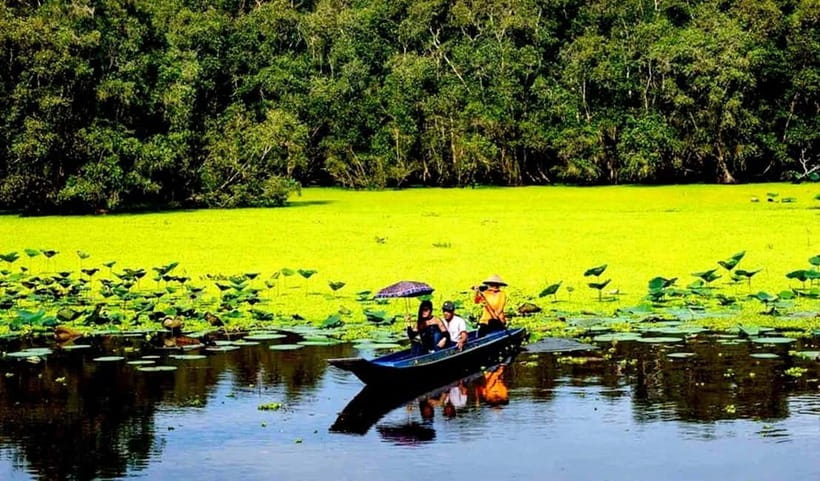
Tra Su Forest by rowing boat is a quieter, greener contrast to the markets.
Khmer temple architecture + Buddhist sculptures add meaning beyond scenery.
A lot of variety in 3 days: boats, canals, biking, a noodle factory walk, fruit gardens, and caves.
English-speaking guides with real personality have been a standout, from Vi and Leo to Lâm and Daisy.
Mekong Delta by Boat and Bike: What This 3-Day Loop Really Feels Like

This tour is built around one idea: the Mekong Delta isn’t just scenery, it’s a working system. You see it from the water (boat rides and floating markets), from the ground (villages, orchards, and markets), and from the cultural side (temples and pagodas). For many people, that mix is the difference between a “pretty day trip” and a trip you actually remember.
The logistics are straightforward: you get transfers, an English-speaking guide, entrance fees, and plenty of boat time. On top of that, you’ll have bicycle rental, which matters more than it sounds. It lets you glide through orchards and local lanes at a human pace, instead of always being stuck looking out a window.
The main trade-off is time. Departures and starts are scheduled early—07:30 on day one, 06:00 day two, and 06:00 day three—and the itinerary stacks multiple stops each day. If you’re the type who likes long breaks, this might not be your ideal fit.
You can also read our reviews of more shopping tours in Ho Chi Minh City

Day 1: Cai Be’s Orchards, Canals, and Coconut Treats
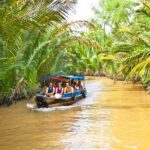
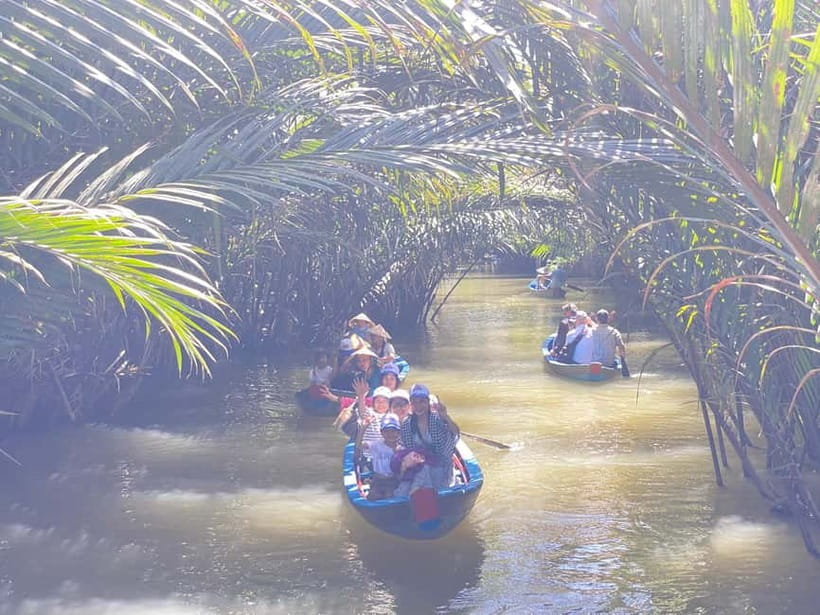
Day one starts in Ho Chi Minh City and heads toward Cai Be, where the Mekong story shifts from “river” to “fruit basket.” When you arrive, you begin with a boat ride on the Tien River and then explore the area’s canals and waterways. It’s a smart opening because it sets the rhythm: you’ll get used to the idea that movement here is often by boat, not road.
What makes Cai Be special on this itinerary is the variety packed into the first day:
- Orchard gardens and villages: You’ll see lush fruit areas and get a sense of everyday life, not just the big sights.
- A family business stop: You’ll taste and learn about coconut fudge and crispy rice popcorn. It’s the kind of food moment that actually tells you something about local production.
- Southern Vietnamese folk music: You may catch music during the garden/lunch portion, which adds texture to the day.
Lunch is planned in a local setting where you’ll have a chance to rest and eat Vietnamese specialties. This is also one of those moments that changes how the tour feels. It’s not only “sit, eat, move on”—you get a little community interaction, and the day’s pace feels more grounded.
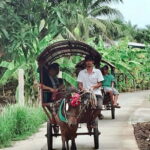
Later, you cycle through orchards and continue interacting with islanders to learn how daily life works here. The highlight for me is how cycling changes your view. Even when you’re surrounded by the same fields and water, being on a bike makes you notice details you’d miss from a boat deck.
Day one ends with a return by boat to Cai Be and then the transfer to Can Tho for an overnight stay. The tour doesn’t include accommodation in the listed price, but recent experiences with the operator’s hotel choices have been described as comfortable with strong breakfasts. Still, you’ll want to confirm what your booking covers so you’re not surprised by the hotel bill.
Day 2: Cai Rang at Boat Level, Khmer Pagodas, and Tra Su’s Green Tunnel
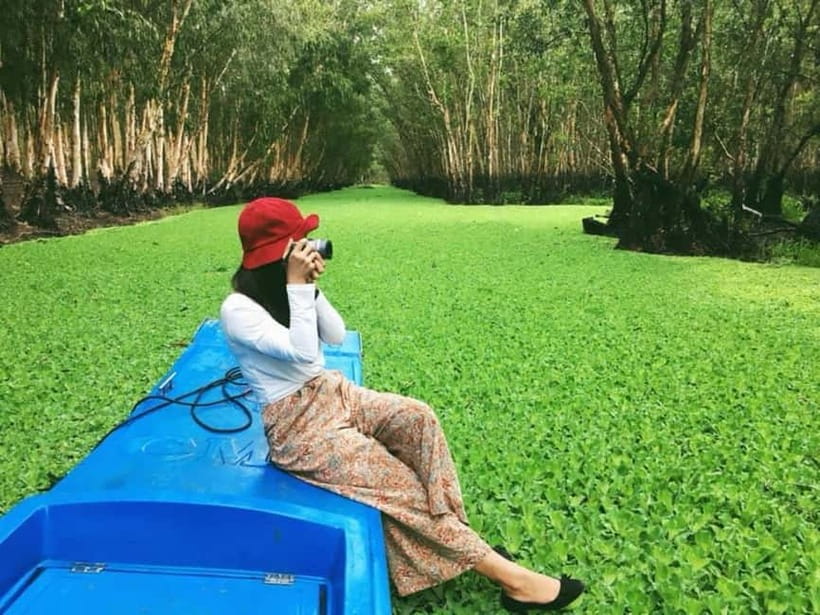
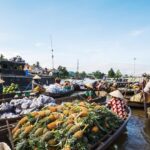
Day two starts early with breakfast at the hotel, then you head out by boat to explore tributaries of the Hau river before going to Cai Rang Floating Market. This is the moment many people wait for, and the timing is a big part of why it works. Early morning is when the market has energy and the boats are easier to observe without fighting heat and glare.
At Cai Rang, you’ll see the market function as a system:
- Boats serving as trading platforms
- Goods and produce moving between vendors and customers
- A constant rhythm of activity that makes it feel like you’re watching commerce happen live
After the market, the tour adds cultural depth so it’s not just photos of boats. You’ll take a walking tour of a local noodle factory and then visit Munir Ansay Pagoda, a well-known Khmer temple. The key point here is architecture and cultural identity. Khmer temple sites in this region aren’t random stops; they connect the Mekong Delta’s history to the people who shaped it.
From there, you go toward a fruit plantation area at Con Son tourist area and sample seasonal fruits. It’s a good counterbalance to the market morning because you shift from trading to growing—same economy, different angle.
Lunch comes next, and then you travel on to Chau Doc. The last major experience of the day is Tra Su Forest in An Giang.
Tra Su is where the tour slows down in the best way. You’ll take a rowing boat through the mangrove forest. Instead of loud market energy, you get a quieter, greener world—still very alive, but calmer. This is also a smart contrast because it prevents day two from turning into nonstop shopping and crowds.
You check in to the hotel, then end with dinner at a local restaurant. In the recent feedback, guides were often praised for keeping the day organized and explaining what you’re seeing in plain terms. Names that came up include Vi and Daisy, both described as especially attentive and helpful during the loop.
One planning consideration: there’s a practical tip worth listening to. If you’re mainly here for markets, you might decide you don’t need every minute of Tra Su and Chau Doc temple time. The itinerary is balanced, but the “3 days” format can feel heavy if nature and Chau Doc aren’t your main priority.
Day 3: Floating Villages, Cham Culture, Chau Doc Market, and Cave Temples
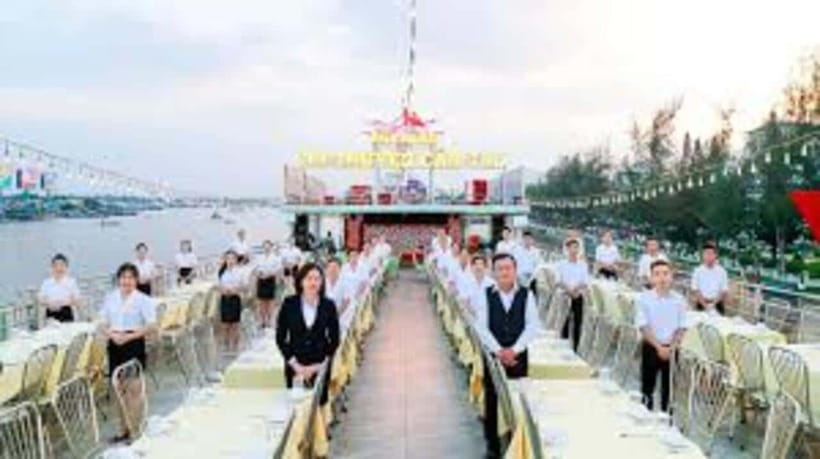
Day three begins with breakfast at the hotel and then a set of cultural stops around Chau Doc. You’ll visit a floating village and the Cham Village, focusing on cultural heritage shared between the Cham people and the Mekong Delta region. This is valuable because it shifts the story again. After the water-trading days, you’re learning how communities have adapted and built identities in a river environment.
Then comes Chau Doc Market. This is a different kind of market than Cai Rang. Cai Rang is boat-to-boat trade; Chau Doc is market streets and stalls where you can smell food, see products up close, and watch the daily flow of locals. You’ll also have time to sample local dishes and see unique items, including Cambodian imports mentioned as part of what you might find.
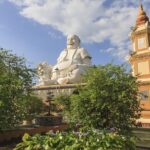
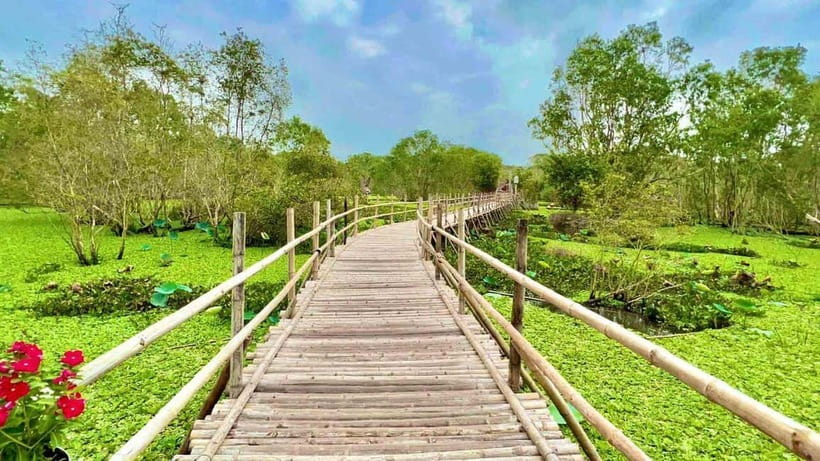
Next, you’ll visit Hang Temple on Sam Mountain. The route involves ascending paths through green scenery and reaching the cave sanctuary. What you’re looking for here isn’t just views. The itinerary highlights intricate Buddhist sculptures, which is why this stop matters. It’s not a quick “walk-by”; it’s a spiritual and artistic moment that changes the tone of the day.
After that, you pay respects at Ba Chua Xu Temple, which locals revere. It’s a straightforward stop, but it helps anchor your day in why people come here, not only what tourists photograph.
You’ll enjoy a leisurely lunch afterward, and then you’ll have time to capture the beauty of lotus fields in full bloom. After lunch, you visit Go Thap, described as a historical site. Ending with a historical stop gives day three a final layer: you’re not only experiencing the present-day economy and culture, but also the region’s longer story.
Price and Value: Is $189 Worth It in Southern Vietnam?
At $189 per person, this tour looks like a mid-range deal for a 3-day Mekong Delta package that includes a lot of motion and guided time. Here’s how I think about value with tours like this:
You’re paying for:
- Transfers between major points
- Multiple boat rides (not just one token trip)
- Bicycle rental
- Entrance fees
- An English-speaking guide
- Lunch and dinner on selected days
What’s not included:
- Accommodation
- A single room supplement of 900,000 VND if you travel alone
So the real question isn’t just the $189. It’s the total you’ll spend once you add your overnight stays. If your booking includes the operator-arranged hotel nights (and your stay meets expectations), then $189 can feel like good value for the time you save and the way the itinerary stitches the region together.
If you already plan to stay independently and you’re comfortable organizing boat rides and admissions on your own, you might find cheaper options. But you’ll likely trade away the smooth scheduling and the cultural context that makes temple and market visits click.
In short: if you want a guided water-and-culture route with a lot packed in, $189 is reasonable. If you hate early starts or you don’t want to add hotel costs, it may feel tight.
You can also read our reviews of more tours and experiences in Ho Chi Minh City

Who This Tour Suits Best (and Who Should Rethink It)
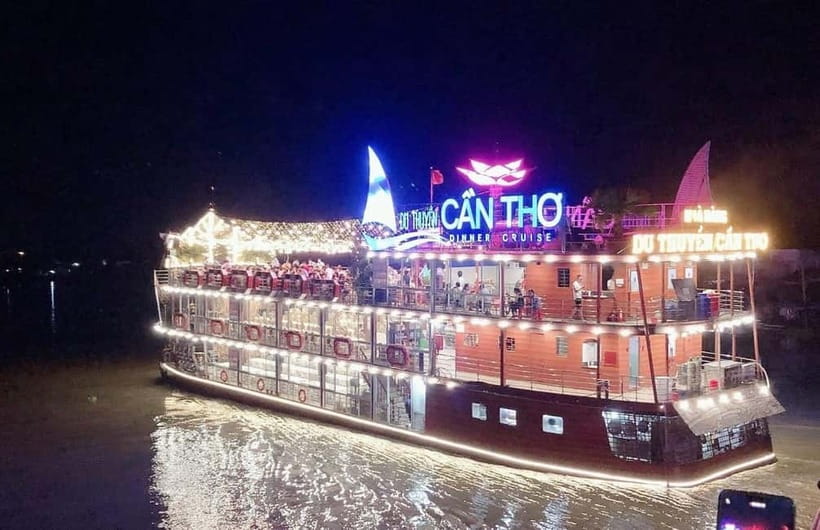
This tour fits you if you’re excited by variety. The itinerary moves from markets to canals to orchards to forests to temples. That’s ideal if you want your Mekong experience to feel like an ecosystem, not one highlight.
You’ll likely be happiest if you:
- Like a mix of nature and culture
- Want boat-level access to Cai Rang rather than a distant viewpoint
- Enjoy practical food stops (like coconut fudge and crispy rice popcorn) and fruit sampling
- Value English guidance that helps you connect what you see to local life
You might want to rethink it if:
- You prefer a relaxed pace with long free time
- You mainly care about just one theme (only markets, for example)
- You’re trying to keep costs very low after adding hotel nights
And one more detail that matters: this route is full of stairs, cave paths, and outdoor time. The day structure doesn’t suggest it’s meant for slow mobility.
Should You Book This Mekong Tour?
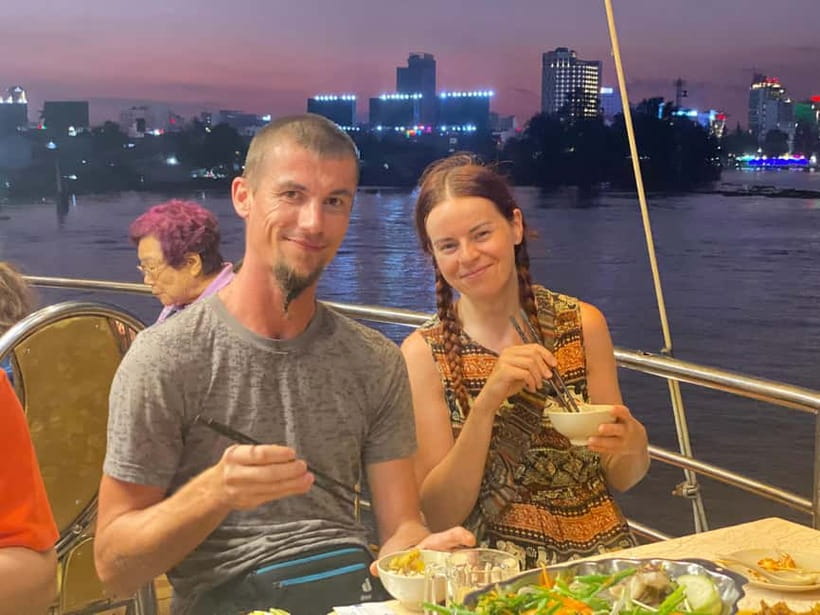
If your dream trip to the Mekong Delta includes Cai Rang Floating Market, a mangrove boat ride at Tra Su Forest, and temple art at Hang Temple, I’d say this is a solid booking. The best part is how the tour connects working river life with cultural landmarks, so you come away with more than just pictures.
My advice for deciding:
- Choose this if you want a guided “greatest hits” route with plenty of boat time and clear scheduling.
- Consider a different approach if you want lots of downtime or you’re focused on only one stop type.
- Budget for accommodation up front, since that’s not included in the base price.
If you do book, go in expecting early mornings and a full day-by-day flow. You’ll be rewarded with a trip that feels like the Mekong is doing its job, not just posing for visitors.
FAQ

What is included in the 3-day tour price?
Transfers, boat rides, bicycle rental, lunch and dinner on selected days, entrance fees to all sites, and an English-speaking guide.
What is not included?
Accommodation, and there is an extra single room cost of 900,000 VND when you travel alone.
Where does the tour start and end?
It starts with hotel pick-up in Ho Chi Minh City. Day 3 ends back in HCMC.
Which stops are included?
Cai Be and the Tien River (Day 1), Cai Rang Floating Market, Tra Su Forest, Chau Doc Market, floating village and Cham Village, Hang Temple, Ba Chua Xu Temple, and Go Thap.
Are there meals included?
Yes. Lunch and dinner are included on selected days. Breakfast is mentioned as being at your hotel at the start of Day 2 and Day 3.
Do I need to book my own hotel?
Accommodation is not included in the listed price, so you will need lodging separately unless your specific booking option covers it.
Is the tour guided in English?
Yes, it includes an English-speaking guide.
Is there any cycling?
Yes. The tour includes bicycle rental and includes cycling through orchards on Day 1.
What are the cancellation and payment options?
You can reserve & pay later. Cancellation is free up to 24 hours in advance for a full refund.