REVIEW · HO CHI MINH CITY
From Ho Chi Minh: 2D Mekong, Floating Market-authentic trip
Book on Viator →Operated by Fabulous Mekong Eco Tours · Bookable on Viator
If you want river life without the mass-tour stamp, this Mekong Delta trip is a solid bet. I like the sunrise boat timing plus the chance to watch how daily trade actually works on the water. I also like the mix of nature and food stops, especially the hands-on rice noodle making and the cacao visit.
There is one catch: you’ll be up early on Day 2, and Day 1 is long once you factor in the HCMC-to-Can Tho transfer. If you’re allergic to schedule pressure, plan for some downtime after dinner in Can Tho.
In This Review
- Key things to know before you go
- From Ho Chi Minh City to Can Tho: the point of this trip
- Day 1 in Hau Giang: Lung Ngọc Hoàng Nature Reserve and rice-field calm
- The Can Tho evening reset: homestay check-in and local-night navigation
- Day 2 sunrise at Ninh Kiều Wharf and Cai Rang’s floating reality
- Phong Điền noodles, tiny canals, village walking, and a chance to slow down
- Muối Cường Cocoa Farm: seeing how cacao becomes chocolate (and tasting it)
- Sơn Islet on the Hau River: fruit picking, cake making, and fish ponds
- Price and value: what you’re paying for (and what you’re not)
- Who this tour fits best (and who should think twice)
- Should you book From Ho Chi Minh: 2D Mekong, Floating Market-authentic trip?
- FAQ
- What time does the tour start in Ho Chi Minh City?
- How does pickup work from Ho Chi Minh City?
- What meals are included during the 2 days?
- Is there an overnight stay?
- What are the main places visited?
- What’s included in the price, and what is not?
Key things to know before you go
- Lung Ngọc Hoàng Nature Reserve boat time for birdlife and quiet forest scenes
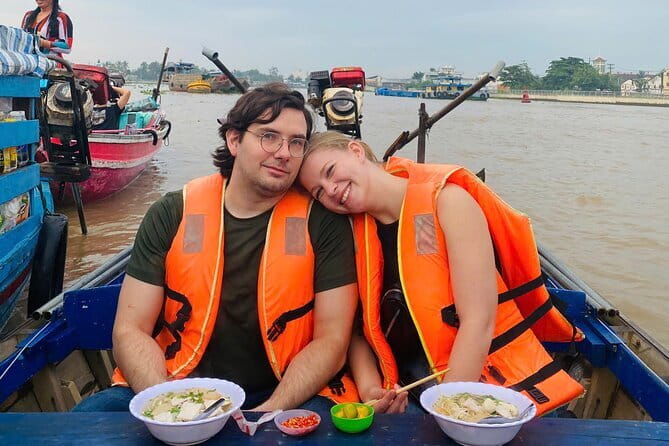
- Cai Rang Floating Market at sunrise with pineapple tasting and breakfast on the water
- Rice noodle house in Phong Điền where you learn colorful noodles by hand
- Muối Cường Cocoa Farm walk-through with chocolate-making explained and cacao milk
- Sơn Islet community experience with fruit picking (seasonal), cake making, and fish ponds
- Small-group feel with a maximum of 15 people and in-person guide support
From Ho Chi Minh City to Can Tho: the point of this trip
This is a 2-day, budget-friendly eco-style circuit built around one big idea: you don’t just watch the Mekong Delta—you see how people work with it. You start in Ho Chi Minh City, then move to Can Tho for a night. From there, the program leans heavily on boats, local food, and small-scale production like rice noodles and cacao.
What makes the logistics feel manageable is that you’re not bouncing between random stops. The route is tightly clustered around Can Tho and the surrounding areas, so most of your travel time is structured: a morning departure from HCMC, then full days centered on the river and nearby countryside.
If you’re coming from the city, you’ll notice the tone shift quickly. The trip moves from traffic and buildings to boats, wetland sounds, and open rice fields. Even before you reach the main attractions, the rhythm is already different.
You can also read our reviews of more shopping tours in Ho Chi Minh City

Day 1 in Hau Giang: Lung Ngọc Hoàng Nature Reserve and rice-field calm
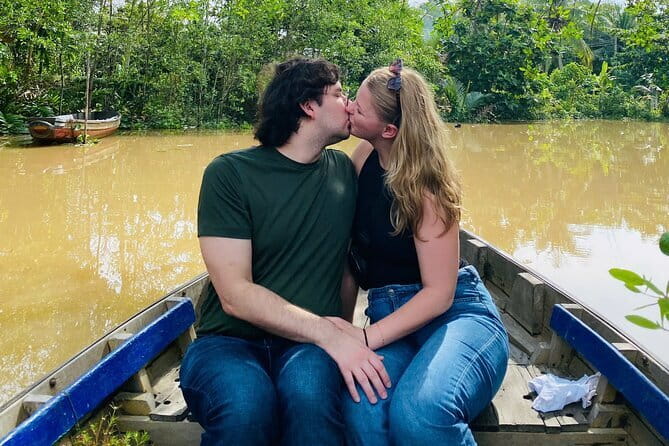
Day 1 starts with a 9:00 AM departure from Ho Chi Minh City toward Can Tho. If you choose the private car option, it can pick up at your hotel; otherwise, you go from the bus station in HCMC and the staff help you along the way. Either way, it’s a practical start: you’re traveling early so you can spend more of the daylight in the reserve zone.
After you arrive in Can Tho around midday, you get a break before the afternoon activity. Then the real eco part begins at Lung Ngọc Hoàng Nature Reserve in Hau Giang, where the emphasis is on wildlife and water-based exploring. The itinerary includes:
- a boat trip through wetlands with birdlife around you,
- birdwatching in the sanctuary,
- a walk or wandering time through the dense forest,
- and additional calm cruising so you can actually hear the place instead of just rushing through it.
This reserve-style day is valuable because it’s not only scenic—it’s instructional. You’re there long enough to notice patterns: where birds feed, how waterways shape movement, and how the forest feels when you’re not right on top of it. It’s also a nice counterbalance to the floating market later, since the Mekong isn’t just commerce—it’s also ecology.
The rice-fields portion is another Day 1 highlight. You’ll spend time exploring the rice fields and get a look at local farming culture, with extra meaning if you travel during harvest season. Even if you’re not there for harvest, rice fields still help you understand why the Delta looks the way it does: water management and seasonal rhythm are the foundation.
Practical consideration: this is an active day. Between the reserve exploration and the transfer back to Can Tho (around 17:00), you’ll likely feel the early start and afternoon walking/standing time. Plan to treat the evening in Can Tho as recovery time.
The Can Tho evening reset: homestay check-in and local-night navigation
After Day 1 ends, you check in to a homestay in Can Tho and have free evening time to explore. The tour sends recommendations from a local expert, which matters more than it sounds. In cities like Can Tho, the “what should I do tonight?” question can eat energy. Having a few sensible options saves you from wandering around hungry and tired.
This free evening is also where the trip becomes more enjoyable for real humans. You can eat on your schedule, browse at a relaxed pace, and re-charge before the early morning boat and market day.
One note: the program doesn’t promise a guided evening. So if you like a structured day-to-night plan, you’ll want to use those recommendations right away.
Day 2 sunrise at Ninh Kiều Wharf and Cai Rang’s floating reality
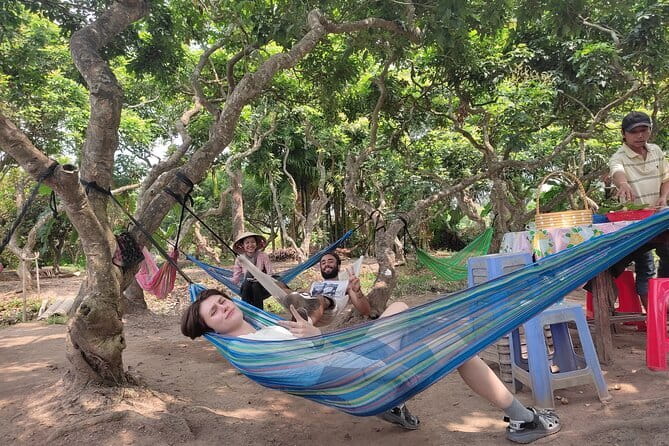
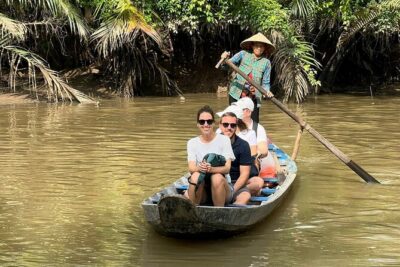
Day 2 starts early with a guide picking you up and heading to Ninh Kiều Wharf for a sunrise boat trip. You’re on the water as the morning light comes in, and you’ll be cruising while the Delta is still waking up. That timing is a big part of why this tour feels more authentic than the standard daytime market sweep.
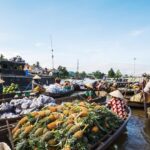
Around 6:15 AM, you arrive at Cai Rang Floating Market, described as Vietnam’s largest floating market and the kind of place where vendors sell produce and goods directly from boats. The experience here isn’t just seeing boats—it’s watching the system. You get a chance to observe traditional water-based trading up close, which is the whole point of visiting a floating market in the first place.
Then come the food-focused stops, which is where you start to understand the market through taste and conversation. There’s:
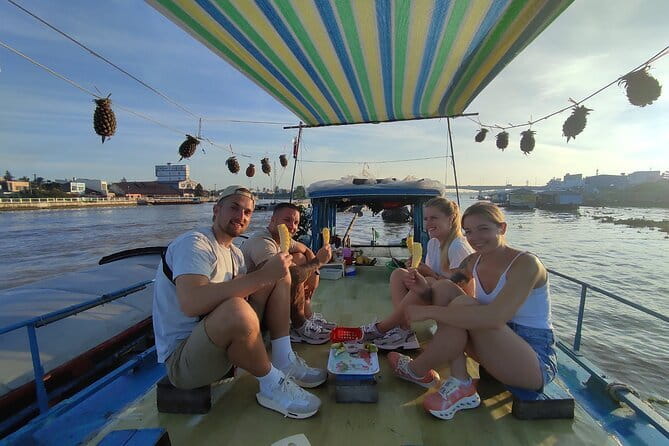
- a Pineapple Boat Stop, where you taste fresh pineapple and chat with local vendors about life on the river,
- and breakfast on the boat, a river-based meal that puts you in the middle of market activity rather than outside it.
This is one of the most praised parts of the experience because the sunrise timing pays off. You see the market in motion and you’re eating as the action builds—so it feels like you’re part of the morning routine rather than a late arrival.
Possible drawback to plan for: floating market mornings can be a sensory event. Boats, movement, and busy sounds come all at once. If you’re sensitive to crowds or noise, it’s still early enough to feel manageable compared to later times, but you should expect “lively.”
Phong Điền noodles, tiny canals, village walking, and a chance to slow down
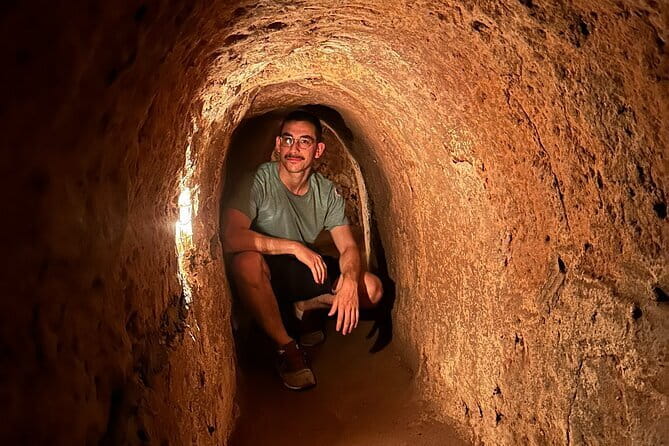
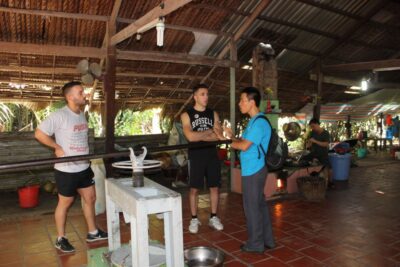
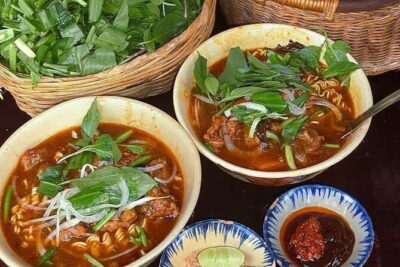
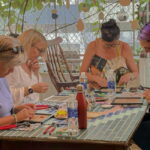
After Cai Rang, you shift from the big market scene to smaller, more intimate work. The itinerary moves to Phong Điền, where you visit a family-owned rice noodle house. Here’s the practical, hands-on part: artisans make colorful noodles by hand, and you can try making your own noodles. It’s the kind of activity that teaches you faster than photos ever will, because you’re doing the motion and seeing how the process changes the result.
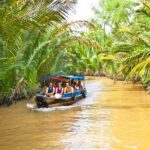
Then you get canal time at Rạch Trường Tiên, a smaller waterway ride guided by a local expert. You’ll cruise past palms, coconut trees, and fruit orchards while hearing the calmer nature sounds that get lost when you only visit the market. This segment is short but effective. It’s where the tour lets your brain switch gears from trade and food to environment and everyday routines.
Next is walking in the village, a short stroll meant to show daily life and traditional homes up close. You get a brief chance to interact with villagers, which helps you connect the food and farming you’ve been learning about to real people living there.
If you prefer experiences that are interactive and local, this middle stretch is where the tour really justifies itself. It’s not only “look.” It’s “see how it’s made” and “watch how life happens.”
You can also read our reviews of more tours and experiences in Ho Chi Minh City

Muối Cường Cocoa Farm: seeing how cacao becomes chocolate (and tasting it)
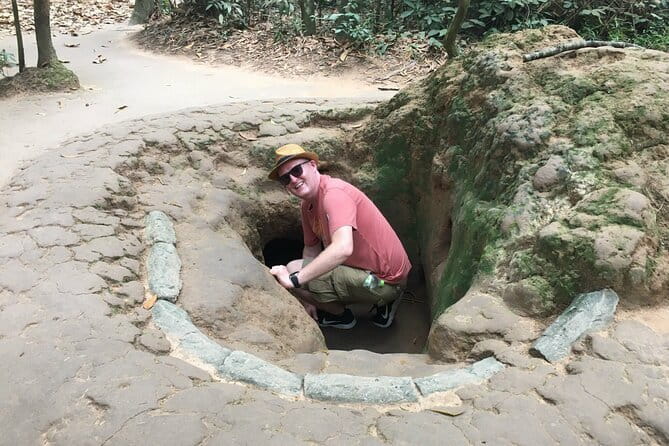
One of the stops that stands out for many people is the Muối Cường Cocoa Farm visit. You take a walk to the cacao plantation and have a local artisan explain the chocolate-making process. The itinerary emphasizes traditional methods passed down through generations, so you’re not only learning what happens—you get the cultural context of why the work is still done this way.
You also get a taste: a refreshing glass of cacao milk is included. That matters because chocolate education can sometimes stay abstract. Here, the drink turns learning into a direct sensory reference point.
Why it’s a good fit in this specific tour: cacao doesn’t belong to the exact same world as floating markets and wetlands, so it broadens the Mekong story. It shows you that the Delta isn’t only rice and water traffic—it’s also agricultural production with its own seasonal cycle and craftsmanship.
Sơn Islet on the Hau River: fruit picking, cake making, and fish ponds
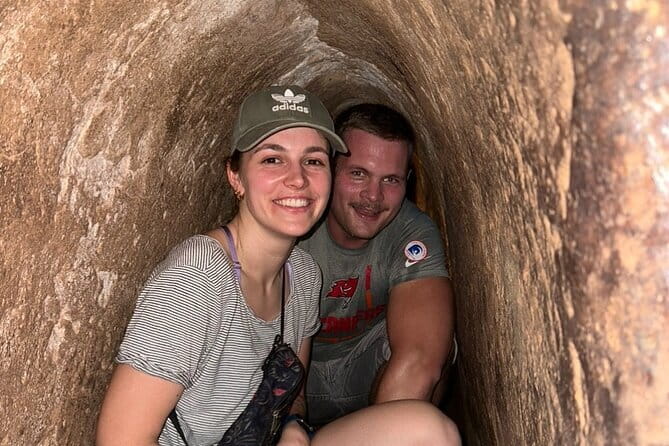
After lunch back in Can Tho, you head toward Cô Bắc boat station and take a boat to Son Islet, the community-based eco spot on the Hau River. This section feels distinct because you’re no longer just visiting a production site. You’re spending time on a working island community where everyday food systems and small-scale farming are visible.
Once you arrive (around early afternoon), the Son Islet portion includes:
- tropical fruit orchards with seasonal picking and tasting directly in organic gardens,
- making local cakes with local chefs,
- walking around the island and visiting fish ponds made by local people,
- and exploring a fish farm plus the Hau River scenery.
The organic fruit and the fact that you can pick and eat right on the spot are the practical reasons this feels memorable. You’re not just handed a sample; you’re experiencing how the food grows and where it fits into the island’s routine.
The cake-making workshop is also a nice break from sitting on boats. Even if your hands aren’t naturally pastry-skilled, the activity gives you a satisfying, simple souvenir in your brain: you understand the steps, not just the final dish.
Only consideration: Son Islet is a few hours long. If you’re the type who gets restless quickly, plan to keep your energy for the walks and orchard time. The payoff is worth it, but it isn’t a quick stop.
Price and value: what you’re paying for (and what you’re not)
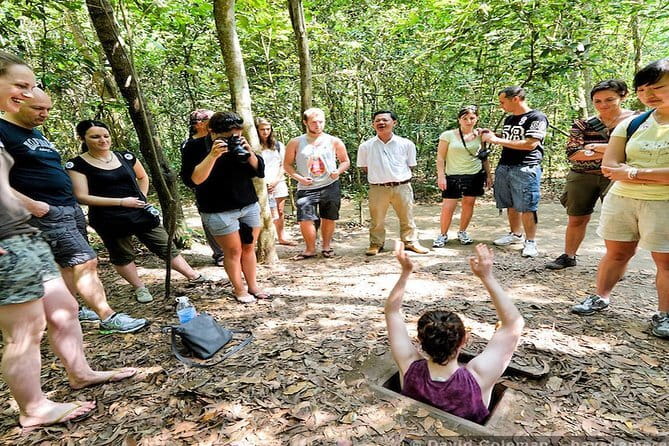
At $218.50 per person for an approx. 2-day trip, the price is easiest to judge by comparing what’s included. You get:
- transportation by car and boat,
- an in-person guide,
- 1 night in Can Tho,
- breakfast (including breakfast on the boat),
- two lunches,
- and landing/facility fees.
On top of that, key activity items like the cocoa farm tasting (cacao milk) and Son Islet experience are included in the itinerary structure you’re shown. And the tour offers a free vegetarian meal, which is a real value-add when many tours only say vegetarian options are possible.
What’s not included is also clear: personal expenses, compulsory insurance, and gratuities. That means your main budgeting beyond the base price is basically your own spending and any required coverage your country or booking setup expects.
Group size is another value factor. With a maximum of 15 travelers, this doesn’t feel like a huge cattle-car tour. It’s still a group, so you’ll move together, but the pacing and guide attention can feel more human than larger operations.
My bottom line on value: this feels priced like an eco-and-culture package built around multiple guided segments, not just a couple of ticketed attractions. If you care about boats, food-making, and community work, you’re using most of your time well.
Who this tour fits best (and who should think twice)
This Mekong Delta trip is a good match if you want:
- river and nature in the same package,
- early morning market time for a calmer experience,
- food and production learning (rice noodles and cacao),
- and a community stop at Son Islet that goes beyond snapping photos.
It might be less ideal if:
- you dislike early starts,
- you want only famous, short sights and no walking/wandering,
- or you prefer a very flexible itinerary with lots of free-choice time. This tour is structured for a reason, and it keeps moving.
Also, if you have strong motion sensitivity, note that the itinerary includes several boat rides, including market-area cruising and smaller canal time. The schedule is planned, but you’ll still be on water.
Should you book From Ho Chi Minh: 2D Mekong, Floating Market-authentic trip?
If you like authentic-feeling experiences that teach you how people live and work in the Delta, I’d say yes. The strongest argument is the pairing: Lung Ngọc Hoàng wildlife on Day 1, then sunrise Cai Rang plus multiple hands-on and food stops on Day 2.
Book it if you want more than a floating-market photo. The noodles, cacao farm, and Son Islet cake-making and fruit orchards give the trip texture. You’ll also get a small-group setup with in-person guiding, which makes the morning market and village segments far easier to enjoy.
Think twice only if early mornings and a fairly packed two-day schedule are a dealbreaker for you.
FAQ
What time does the tour start in Ho Chi Minh City?
The tour starts at 9:00 am in Ho Chi Minh City.
How does pickup work from Ho Chi Minh City?
Pickup is offered. If you choose the private car option, the car comes to pick you up at your hotel. Otherwise, transportation is from the bus station in Ho Chi Minh city, with staff assistance.
What meals are included during the 2 days?
The tour includes breakfast and two lunches. Breakfast is also served on the boat during the Cai Rang floating market portion, and a free vegetarian meal is available.
Is there an overnight stay?
Yes. You stay 1 night in Can Tho (homestay/check-in is included).
What are the main places visited?
You visit the Lung Ngọc Hoàng Nature Reserve, Cai Rang Floating Market, a rice noodle house in Phong Điền, Muối Cường Cocoa Farm, and Son Islet in Can Tho.
What’s included in the price, and what is not?
Included are breakfast, landing and facility fees, boat and car, 1 night in Can Tho, an in-person guide, and lunch (2). Not included are personal expenses, compulsory insurance, and gratuities.