REVIEW · HO CHI MINH CITY
Discover Saigon’s Local Sites and Culture by Motorbike
Book on GetYourGuide →Operated by CONNECT CULTURE CO.,LTD · Bookable on GetYourGuide
Saigon on a motorbike turns the volume up. I like how this tour uses that chaos for good: you zip through small streets and alleyways with an English-speaking guide (like Lucy or Jay), then you stop often enough to actually see what’s going on. Two things I really enjoyed were the mix of neighborhoods (District 3, District 5 Chinatown, and even parts of District 4/7) and the food-and-drink stops that feel like the city eats them, not like a checklist.
The tour is also paced for real understanding, not nonstop riding. That said, there is a downside to know up front: if you don’t handle traffic noise and fast movement well, or if you’re in one of the groups marked as not suitable (like pregnant travelers or wheelchair users), this isn’t the right format for you.
In This Review
- Key points before you go
- Why this motorbike culture tour is the smart way to see Saigon
- Safety and comfort: helmets, ponchos, and calm driving in traffic
- Starting at Thich Quang Duc Monument: a reflective first stop
- District 3’s old apartment life: where daily Vietnam happens
- A coffee break that tastes like Saigon
- The biggest flower market in Saigon: color, smell, and motion
- Chinatown (District 5): from ghost buildings to real markets
- Floating market in Saigon: a mini Mekong moment
- District 4 and 7: seeing the slum and old mafia areas with context
- The special dish and local drink: fuel before the final ride
- District 2 tunnel to District 1 scenes: ending with scale
- Price and value: how $16 turns into a full neighborhood lesson
- Pick-up reality check: where the free ride starts
- Who should book this, and who should skip it
- Should you book this Saigon motorbike culture tour?
- FAQ
- How long is the motorbike tour?
- What’s included in the price?
- Where does free pickup work?
- What if my hotel is outside those areas?
- What should I bring?
- Is alcohol allowed during the tour?
Key points before you go
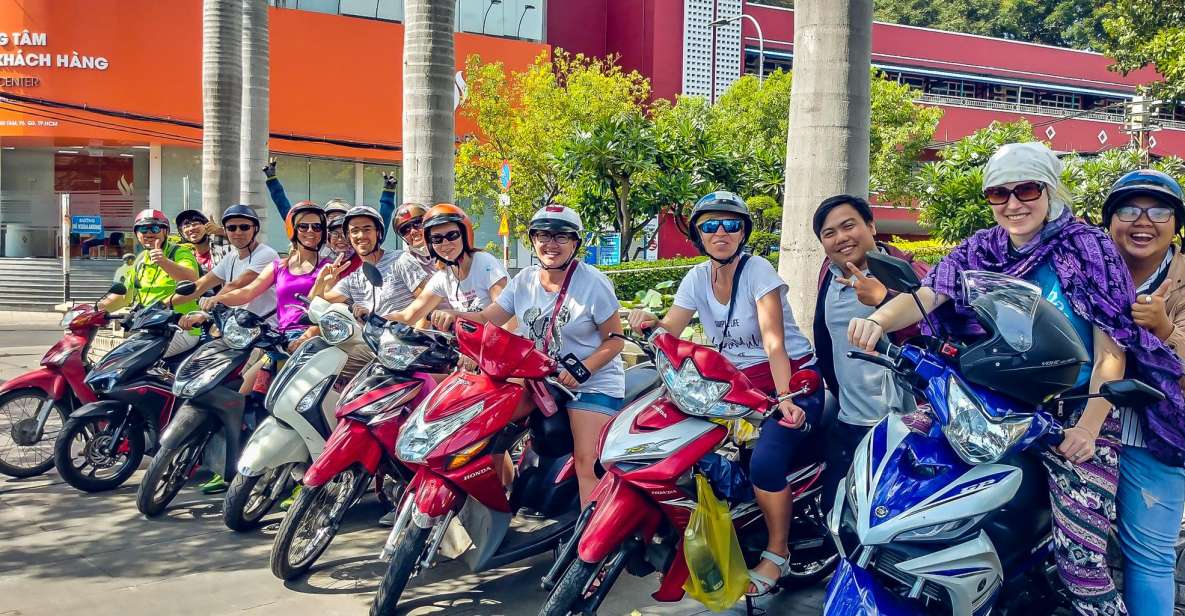
- English-speaking guides who explain what you’re seeing as you hop on and off
- Local route choices through District 3 and Chinatown (District 5), plus a floating market stop
- Photo moments built in, plus helmets and ponchos for practical comfort
- Food and drink included, typically Vietnamese coffee/coconut and a special dish later
- Safety-minded driving—the transport score is very high, with guides described as careful
- Not a sit-and-stare tour: you’ll walk a little, but you’ll also be riding through traffic
Why this motorbike culture tour is the smart way to see Saigon
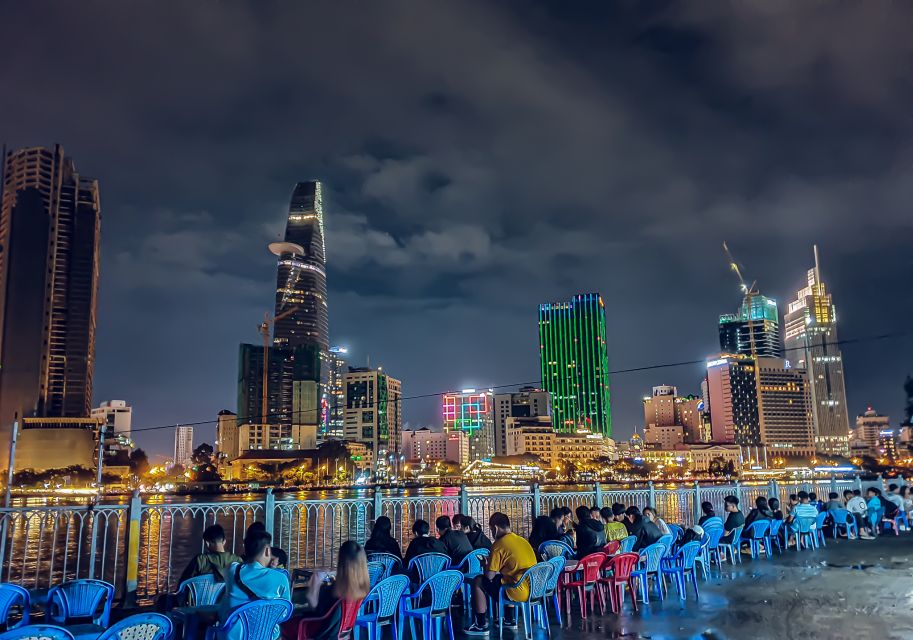
Saigon is not a museum city. It’s a living place with motorcycles, chatter, small shops, and constant motion. This tour works because it meets Saigon where Saigon is strongest: on the street, between landmarks, in the neighborhoods that most people only pass through fast.
I also like that the tour isn’t only about famous sights. You start with a serious cultural stop (Thich Quang Duc Monument), then you move into everyday scenes—an old apartment complex in District 3, local coffee culture, a flower market, and Chinatown markets that cover everything from electronics to Chinese medicine. The result is a sense of the city that feels earned, not staged.
Finally, you’re not stuck in a long ride with nothing to look at. The format includes getting off the bike for short walks and photo opportunities. Multiple guides also get mentioned for keeping the pace relaxed so you have time to listen, not just hold on.
You can also read our reviews of more tours and experiences in Ho Chi Minh City.

Safety and comfort: helmets, ponchos, and calm driving in traffic
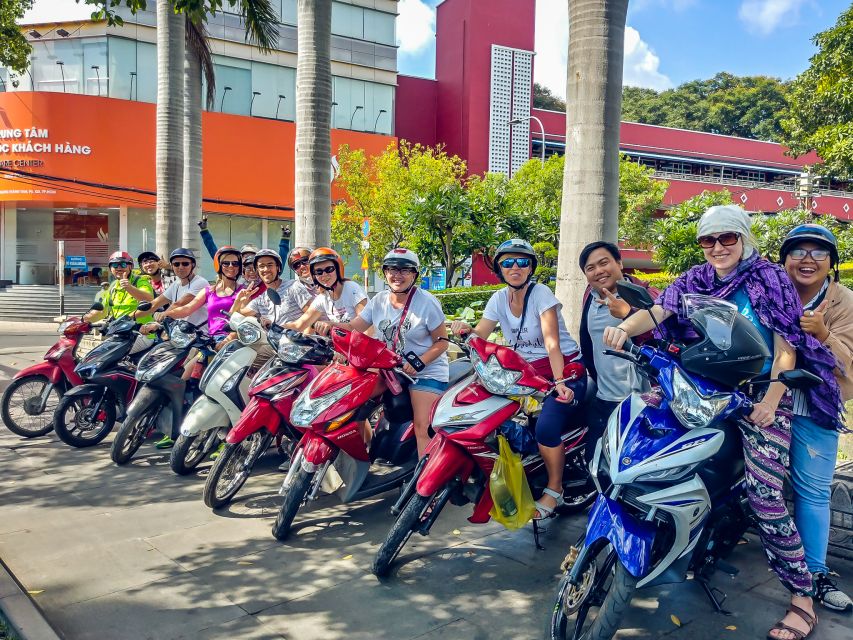
This tour gives you the basics that matter: motorbikes, helmets, and ponchos. In the reviews, one consistent theme is how careful the drivers are, especially when traffic is hectic. People repeatedly mention feeling safe, and that’s the real question with a motorbike tour in a place like Saigon.
You’ll still feel the speed and the road rhythm—this is part of the point. But you’re riding with someone whose job is to thread through lanes, alleyways, and junctions while keeping you steady. Several reviewers specifically called out expert handling and comfortable bikes, and one even mentioned that the tour happened at rush hour without turning chaotic.
Practical tip: wear comfortable shoes. You’ll be stepping on and off the bike and walking small sections. Also bring a camera if you care about night street photos, or simply record small moments you’ll want to remember later.
Starting at Thich Quang Duc Monument: a reflective first stop
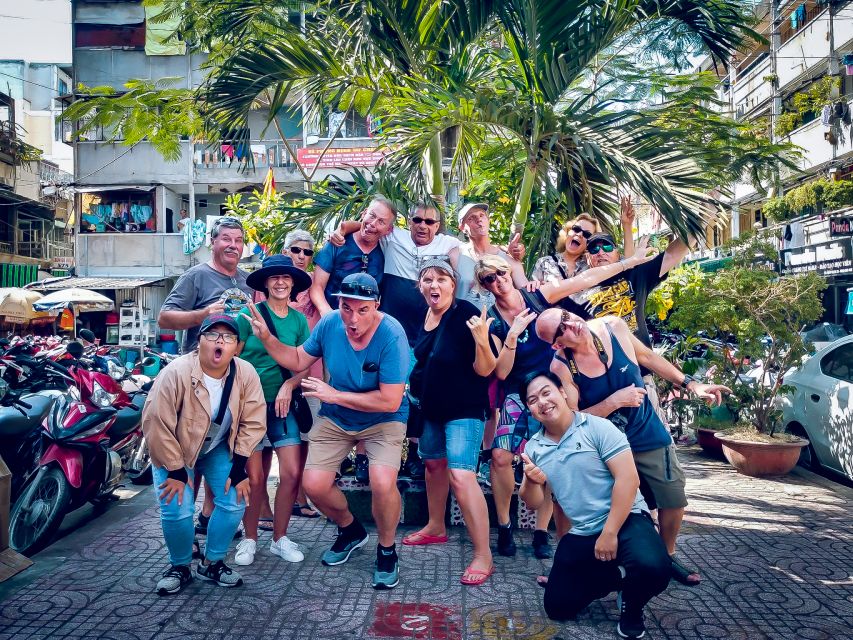
The tour kicks off with a visit to Thich Quang Duc Monument. This is a moment that sets the tone early—Saigon isn’t only about food and photos. It also carries memory, spirituality, and history, and this stop anchors your ride with context before you bounce into busy streets.
It’s a good opening because it helps you understand what kind of city you’re in. You’re about to see markets and everyday life, but you’re also passing through places that shape Vietnam’s modern identity. Starting here makes the rest of the tour feel more connected.
Possible consideration: it’s an early cultural stop, so if you want only lively sights from minute one, you might find it a bit more still than expected at the start. Still, it’s short enough that it doesn’t slow the tour overall.
District 3’s old apartment life: where daily Vietnam happens
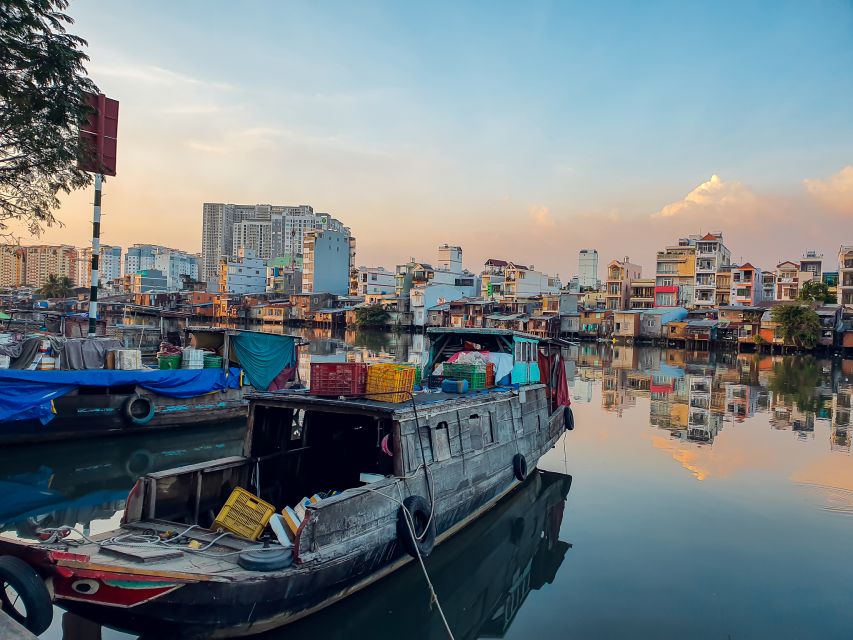
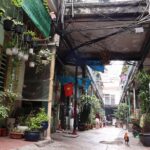
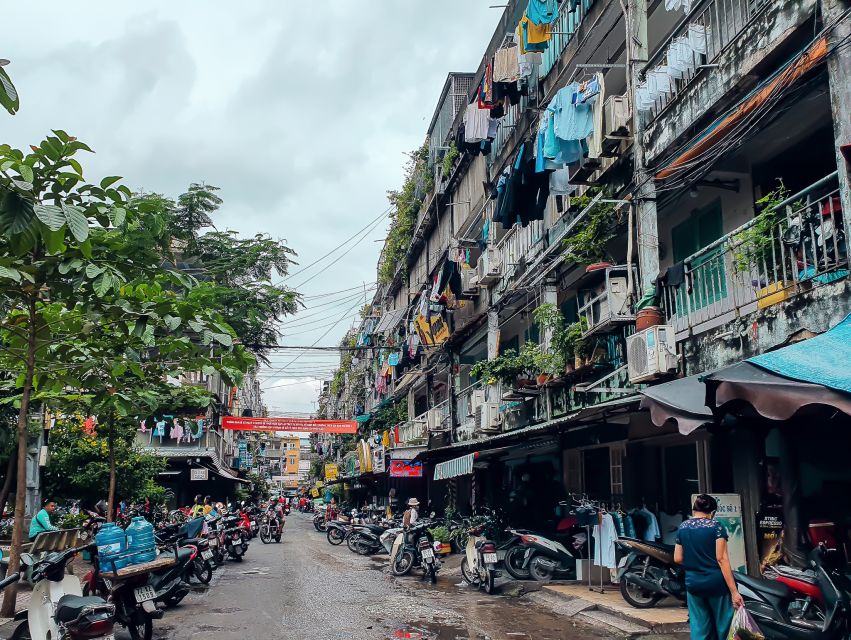
From there, you head to District 3, described as Saigon’s oldest district. The standout here is the visit to an old apartment where you can see local life up close—daily activities, how people move through their routine, and the reality of living in a dense city.
This is valuable because it’s not a staged “look at the set” experience. You’re observing the everyday mechanics of neighborhood life—small details that you won’t catch from a bus window. Even if you only spend a short time there, it changes how you understand what you’re seeing later in markets.
Why this stop matters: Saigon can feel overwhelming from the street. This apartment stop gives you a slower lens. It makes the neighborhoods you ride through feel human and specific instead of generic.
A coffee break that tastes like Saigon
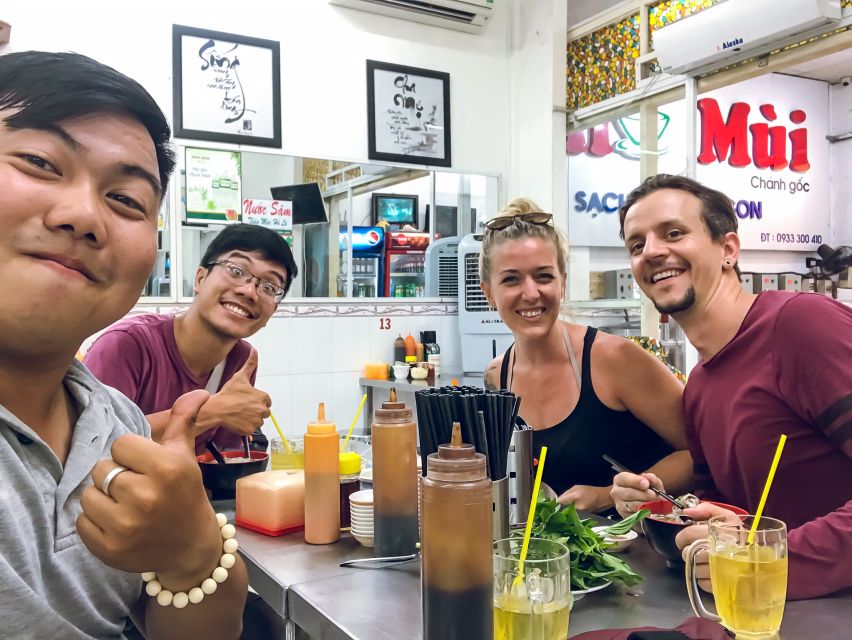
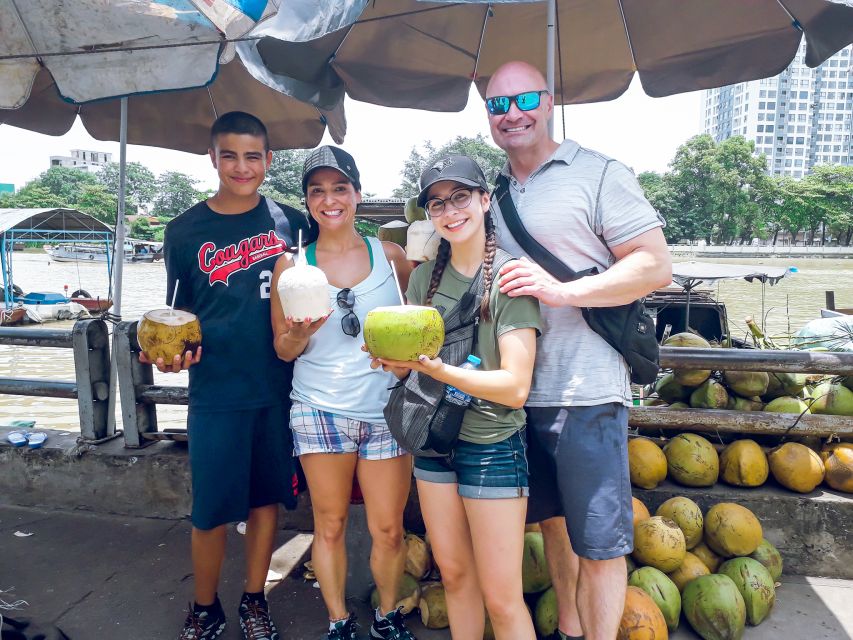
Next comes a local coffee shop stop where you can enjoy typical Vietnamese coffee or coconut. This is one of those simple parts that actually does a lot for the experience: it gives your body a break and gives your senses something real to anchor the ride.
You’re also in a good rhythm by this point. After the monument and the apartment visit, you’re ready for something warm, sweet, and familiar to locals. It’s a small reset before the tour becomes more visually intense with flower stalls and market streets.
If you’re the type who likes to compare food and drink across countries, this is an easy win. And if you’re traveling with a specific diet, note that at least one guide reportedly adjusted meals for needs like vegan. So it’s worth mentioning any dietary requirements at the start.
The biggest flower market in Saigon: color, smell, and motion
Then you head to the biggest flower market in Saigon. Flowers might sound like a “nice photo stop,” but in Saigon this kind of market is a working system. It’s about supply chains, timing, and the everyday economy around celebrations and daily use.
Expect lots of color, lots of movement, and that sensory mix that street markets do best. You’re watching people buy, arrange, and transport goods that will likely end up in homes, shops, and events all over the city.
Practical note: markets are a great place to take photos—but don’t block foot traffic. The motorbike tour team usually knows where you can pause safely, and they’ll guide you.
Chinatown (District 5): from ghost buildings to real markets
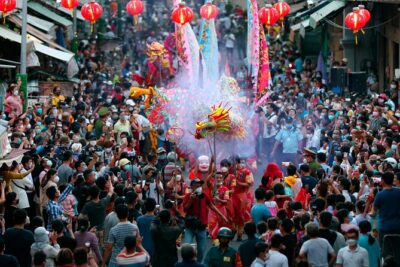
One of the tour’s most interesting stretches is Chinatown in District 5. You’ll ride around ghost buildings, then move into market areas that cover a huge range—a motorbike market, a pet market, an electronic market, and a Chinese medicine market. That’s a lot of variety in a short window, and it’s why this tour feels like a tour of lifestyles, not just landmarks.
What I like here is the “everything has a place” feeling. Chinatown isn’t only temples and food stalls. It’s also trade, repair, buying and selling specialized items, and a commercial ecosystem that feels built for locals.
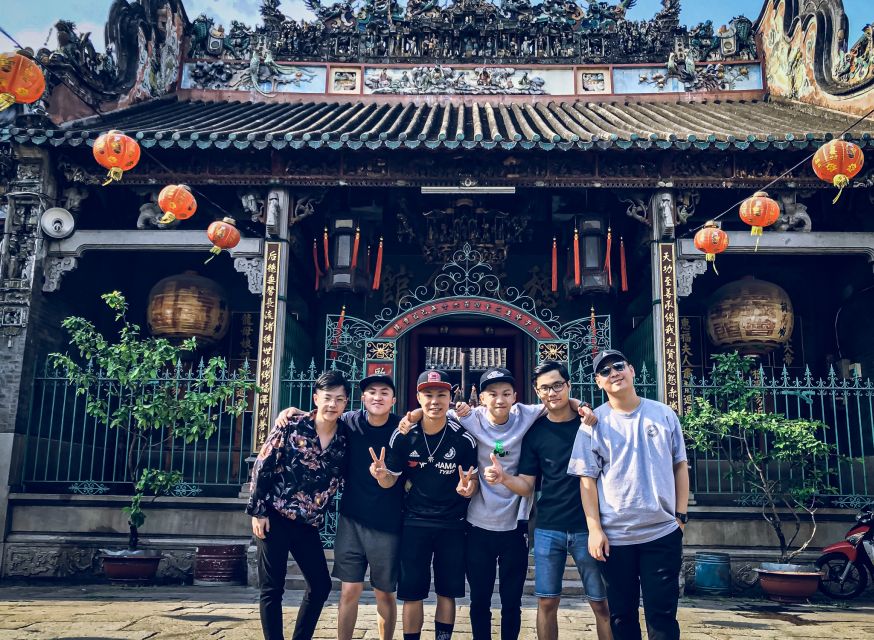
You’ll also visit a typical Chinese temple. It’s a good counterbalance to the shopping noise. Even with traffic and crowds nearby, the temple stop gives you a calmer pause to notice details and reflect for a moment.
Possible drawback: this section can feel visually intense. If you get overstimulated by crowds and constant activity, focus on slow walking pauses with your guide and use your camera wisely.
Floating market in Saigon: a mini Mekong moment
After the Chinatown market circuit, the tour leads you to a floating market, described as a small version of the Mekong Delta in Saigon. This is one of those stops that expands your mental map: Saigon is coastal and river-connected, but many visitors only see the city as it appears on land.
A floating market changes the pace. It’s different angles, different movement, and a more “waterway trade” feel. Even if you don’t spend long here, it’s a memorable contrast to the street markets you’ve been walking through.
If you’re short on time in Saigon, this stop is a smart way to sample river-life without needing a full-day trip outward.
District 4 and 7: seeing the slum and old mafia areas with context
Next is the heavier part of the tour: driving through areas described as slum areas and an old mafia area in Districts 4 and 7. This isn’t just photo time. It’s a chance to understand that Saigon includes hardship and complex history, not only shiny districts and big sights.
I value tours that don’t hide that reality. You get a more honest picture of the city’s layers. And the way your guide frames what you’re seeing matters—good guides connect the street scenes to human stories, so it doesn’t feel like shock tourism.
Consideration: this is the section where your mood can shift. If you don’t want to see poverty or sensitive areas during your vacation, skip this tour. But if you’re the type who wants a full sense of place, it’s part of why the experience feels real.
The special dish and local drink: fuel before the final ride
To keep your energy up, the tour includes a special dish and a local drink. This is timed right after the more emotionally heavy scenes, which makes sense. You get to reset and digest what you just saw.
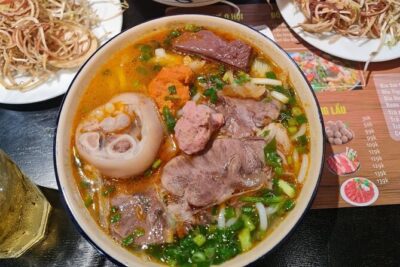
Multiple reviewers mention food as a highlight—especially simple local favorites like pho. One review specifically called out ending with a bowl of pho, which fits the tour’s “local comfort food” theme. If you’re traveling with dietary needs, it’s been mentioned that some guides can adjust, like vegan meal requests.
This is a practical and smart inclusion: on a motorbike tour, you’ll burn energy through both movement and attention. Having food on the program keeps you from hunting for meals later while you’re still mentally “on the road.”
District 2 tunnel to District 1 scenes: ending with scale
For the finale, you drive through the Saigon River Tunnel in District 2, then you move into scenes of District 1, described as the new urban area and offering spectacular scenes. This is a satisfying wrap-up because it puts you back into the city’s bigger picture: modern infrastructure, wider roads, and a sense of how Saigon connects its parts.
The tunnel stop also feels different from the rest of the ride. You’re not only moving through neighborhoods—you’re moving through engineered space. It’s a clean contrast after markets and alleyways.
If you’re doing Saigon for the first time, this ending helps you “locate” the city in your mind. District 1 is where many first-timers spend time; coming there after the local tour makes the contrasts click.
Price and value: how $16 turns into a full neighborhood lesson
At $16 per person for roughly 2 hours (up to 210 minutes), you’re paying for more than transport. You’re paying for access to a route that’s hard to build yourself on a first visit—plus a guide who can explain what you’re seeing while you handle the city’s road complexity.
Also, the included items matter: pickup and drop-off, English-speaking guides, motorbikes, helmets, ponchos, food and drink, and photos. If you were to recreate this day on your own, you’d likely spend more just on transport and then struggle to find the cultural context for places like Thich Quang Duc Monument, the old apartment life in District 3, and the specific Chinatown markets.
Is it cheap? Yes. But it’s also structured. That’s the real value: it’s not just a cheap scooter ride; it’s a guided city literacy session on wheels.
Pick-up reality check: where the free ride starts
Pickup is included, but free pickup is limited to Districts 1, 3, and 4, or at a listed meeting point in Quận 1 (Saigon Opera House area, 212 Lê Lai, Phường Phạm Ngũ Lão). If you’re staying outside those districts, there can be a $5 per person surcharge added by the operator on the day.
That’s not a deal-breaker, but it’s smart to plan for it. If you’re choosing a hotel just for location, being closer to District 1/3/4 can save hassle and money. If you already booked elsewhere, message your pickup needs early so you know what will happen.
Who should book this, and who should skip it
I’d recommend this tour if you want the real Saigon experience: street life, neighborhoods, markets, and food, all in a short window. It also suits solo travelers who want a guided plan without losing freedom. Several guides have also been praised for flexibility, like adjusting the meal when someone had specific needs.
It’s not a match for everyone. The tour is marked as not suitable for pregnant women, wheelchair users, and people over 80. If you have any health limitations that affect riding comfort or safe movement on and off the bike, this format may be a poor fit.
If you’re traveling with kids, one review mentioned a 10-year-old enjoyed it and felt safe. Still, that depends on the child’s comfort with traffic and the specific bike fit, so use your own judgment.
Should you book this Saigon motorbike culture tour?
If you want a fast, authentic sense of Saigon that goes beyond the usual photo spots, I think it’s worth booking. The route hits District 3 daily life, Chinatown market variety, a floating market taste, plus a final sweep through the tunnel and District 1. You also get food and drink included, and the guides are repeatedly described as safe, English-speaking, and careful.
Book it especially if you’re the type who likes to learn while moving—seeing how people actually shop, cook, and live. Skip it if you hate traffic noise, don’t want to see difficult parts of the city, or you fall into one of the not-suitable groups.
FAQ
How long is the motorbike tour?
The tour runs about 2 hours, with a duration listed as 2 hours to 210 minutes. You’ll want to check available start times when you book.
What’s included in the price?
Pickup and drop-off, English-speaking guides, motorbikes, helmets and ponchos, food and drink on the program, and photos are included.
Where does free pickup work?
Free pickup is offered for hotels in Districts 1, 3, and 4, or at the meeting point at 212 Lê Lai Phường Phạm Ngũ Lão, Quận 1.
What if my hotel is outside those areas?
If you stay outside the listed districts, there is a $5 USD per person surcharge added by the operator on the day.
What should I bring?
Bring comfortable shoes, comfortable clothes, a camera, and cash.
Is alcohol allowed during the tour?
No alcohol and no drugs are allowed.