REVIEW · HO CHI MINH CITY
1 Day Mekong Tour: Cai Rang Floating Market & MyTho-Ben Tre
Book on GetYourGuide →Operated by VIET FUN TRAVEL COMPANY LIMITED · Bookable on GetYourGuide
Mekong mornings are pure action. I love how early you’re on the water for Cai Rang floating market, and I love the close-up calm of a hand-rowed sampan drifting under nipa palms. Between boats, workshops, and fruit breaks, this 12-hour loop from Ho Chi Minh City makes the Mekong Delta feel practical, not just scenic.
One thing to watch: the day is packed, with multiple tastings and stops that can tilt into shopping time, plus you may run into tip nudges. Add the hot, humid weather and you’ll be happiest if you dress for comfort and don’t expect long stretches of quiet nature.
In This Review
- Key things I’d focus on
- From Ho Chi Minh City to Cai Rang: how the day really starts
- Cai Rang floating market breakfast: food you can actually remember
- Learning Hu Tieu and pineapple on the river: the hands-on stops
- My Tho to Ben Tre: coconut country and slow travel
- The coconut candy workshop, bee farm, and honey tea with kumquat
- The hand-rowed sampan: what makes it feel different
- Folk music and UNESCO-recognized culture: when it adds value
- Price and value at about $80: where the money goes
- The packed schedule problem: managing shopping time and tip moments
- What to wear and bring for a 12-hour Mekong day
- Who should book this tour, and who should skip it
- Final call: should you book this 1 Day Mekong Tour?
- FAQ
- How long is the Mekong Delta day trip?
- What does the tour cost, and what’s included?
- Where does the tour start, and is pickup included?
- What language is the guide available in?
- Is the tour only for experienced walkers?
- What should I avoid bringing or wearing?
Key things I’d focus on
- Cai Rang early-morning timing for a front-row view of daily river life
- Hand-rowed sampan time, so you feel the water and the paddling rhythm
- Food and drink learning at stops like Hu Tieu and pineapple-handling on the spot
- Ben Tre coconut circuit: candy making, coconut treats, honey tea with kumquat
- My Tho village pace with a horse cart or lambro tricycle ride, plus hammocks/cycling time
- Cultural add-on with traditional folk music and a UNESCO-recognized art form
From Ho Chi Minh City to Cai Rang: how the day really starts
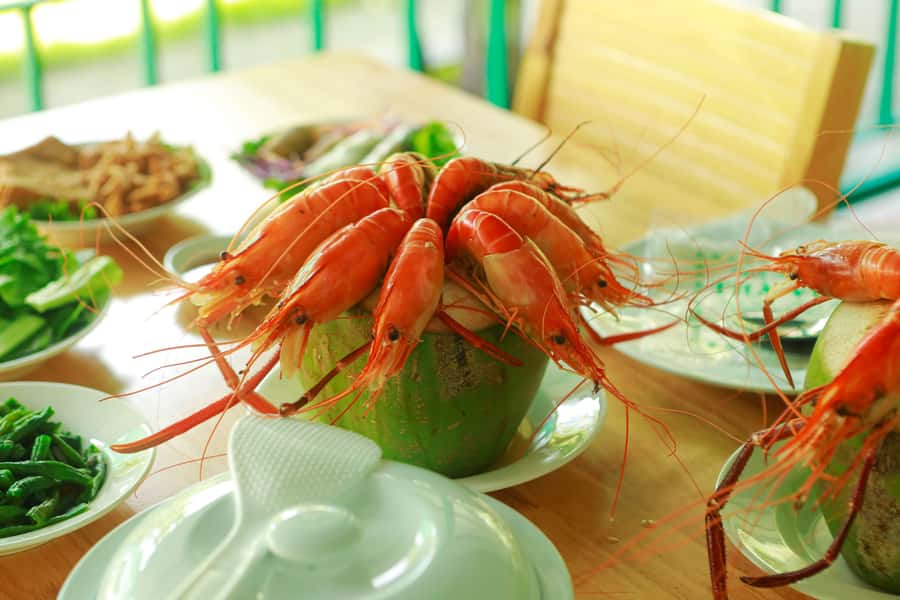
You’re picked up in Ho Chi Minh City and then head out early, with a long drive down into the Mekong Delta. The trip is built like a full-day buffet: lots of movement, lots of stops, and enough meals included that you don’t have to hunt for food.
After about three hours on the road, you reach Can Tho, the southwest hub. Then the tour shifts into water-mode fast. Your first big goal is Cai Rang Floating Market, which is the famous one people talk about when they say “floating market” in Vietnam. If you’ve never seen boats sell and trade right on the river, this is the kind of stop that gives you instant context for how people live there.
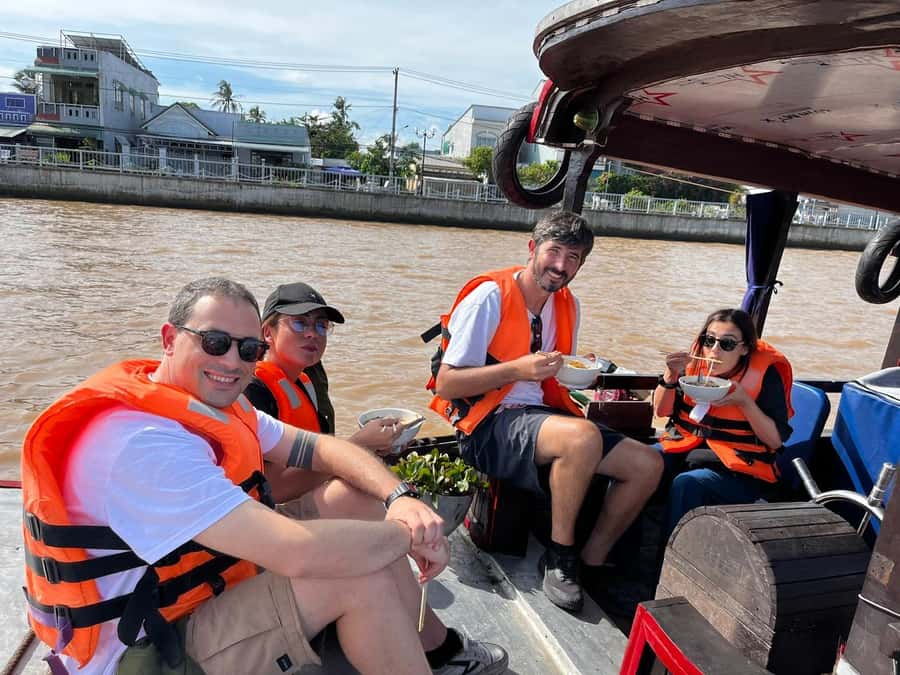
Timing matters here. Starting earlier means you’re more likely to catch the market as part of daily work and not as a late-day show. The experience is also active: you’ll have breakfast, you’ll watch boats moving around you, and you’ll feel the water shift beneath your boat.
You can also read our reviews of more shopping tours in Ho Chi Minh City

Cai Rang floating market breakfast: food you can actually remember
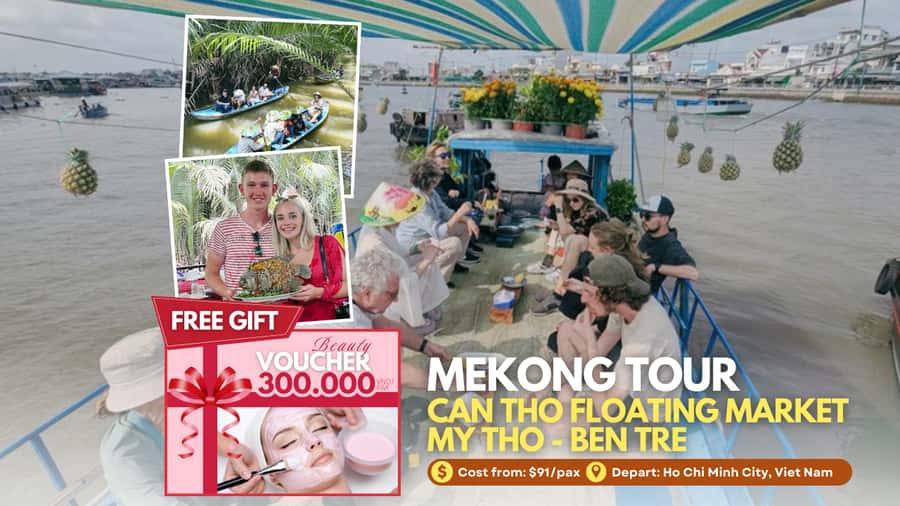
One of the strongest parts of this tour is breakfast on the water. You start with coffee and a cooked meal while you’re still in the floating market area. In some versions, that breakfast is a hot bowl like pho soup. Either way, it’s a smart move because it prevents the common problem on market tours: arriving hungry and then spending the morning searching.
Here’s what I think makes it work for you:
- You’re eating while boats and people are doing their daily routine, so it feels like you’re tagging along with a working scene.
- You get that slightly “whoa, the boat is moving” feeling, which can be fun if you’re expecting it and not trying to fight it.
If you’re the type who loves food details, keep an eye out for the rhythm of what you see. Boats cluster, vendors call out, and the river traffic is constant enough to keep you watching. You don’t need to be a photographer to feel the energy.
Learning Hu Tieu and pineapple on the river: the hands-on stops
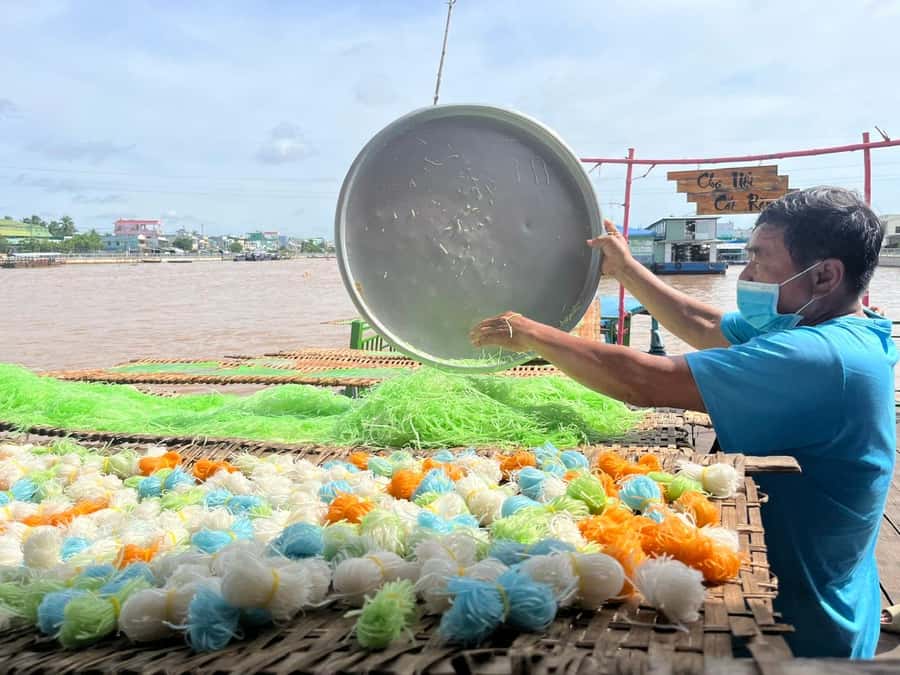
After your floating market time, the tour doesn’t rush you back to the road empty-handed. You switch from watching boats to watching people make things.
A highlight here is a workshop where you learn how locals make Hu Tieu (rice vermicelli). It’s not just a demo where someone points at machinery. You’re meant to understand how the texture becomes what you’ll eat later—soft, flat, and slippery, with a slightly chewy feel. Even if you don’t remember every step, you’ll walk away with a better sense of why the dish is so good in the Mekong: it’s local process turned into daily comfort food.
Then comes the pineapple moment. You’re taken to enjoy fresh pineapple, and the seller peels it right there so you can eat on the spot. Pineapple is called the queen of fruits in the Mekong area for a reason, and the tour leans into that by making it immediate. This is the kind of stop that breaks up the day and keeps you from feeling like you’re only “touring.”
My Tho to Ben Tre: coconut country and slow travel
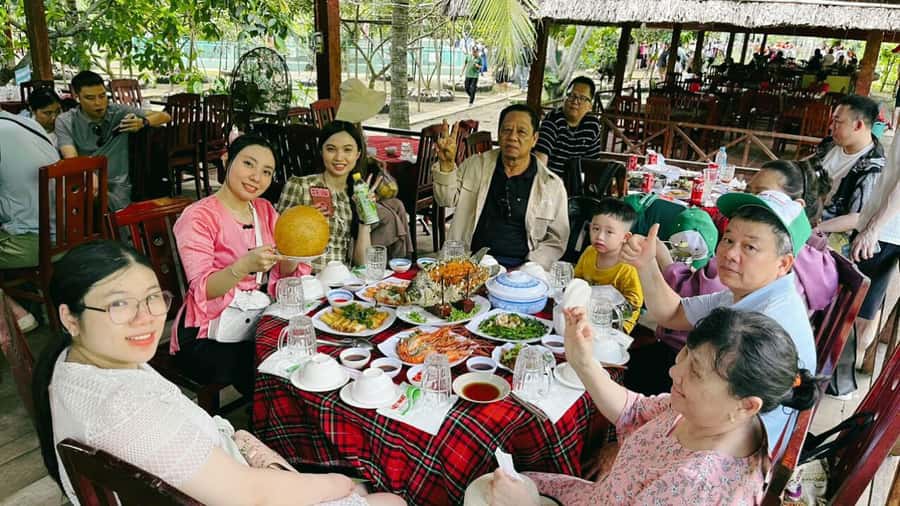
Once you check out of the floating market area, the tour swings toward My Tho and then Ben Tre—often described as coconut country. The feel changes. Instead of boats packed close around you, you get more open river cruising and village pacing.
You transfer by motor boat to cruise on the Mekong toward Ben Tre. Then you switch to smaller, more local-style transportation with a ride by horse cart or a lambro motor-tricycle. This is one of those practical-tour details you’ll appreciate: it’s not just for show. It helps you see village life in a way that a bus window can’t.
In the village, you can enjoy lunch and then add some light downtime. The plan includes relaxing on hammocks or cycling around the area. That matters because the day is already active. A short break like this helps you avoid the “everything blurs together” problem that hits long tours.
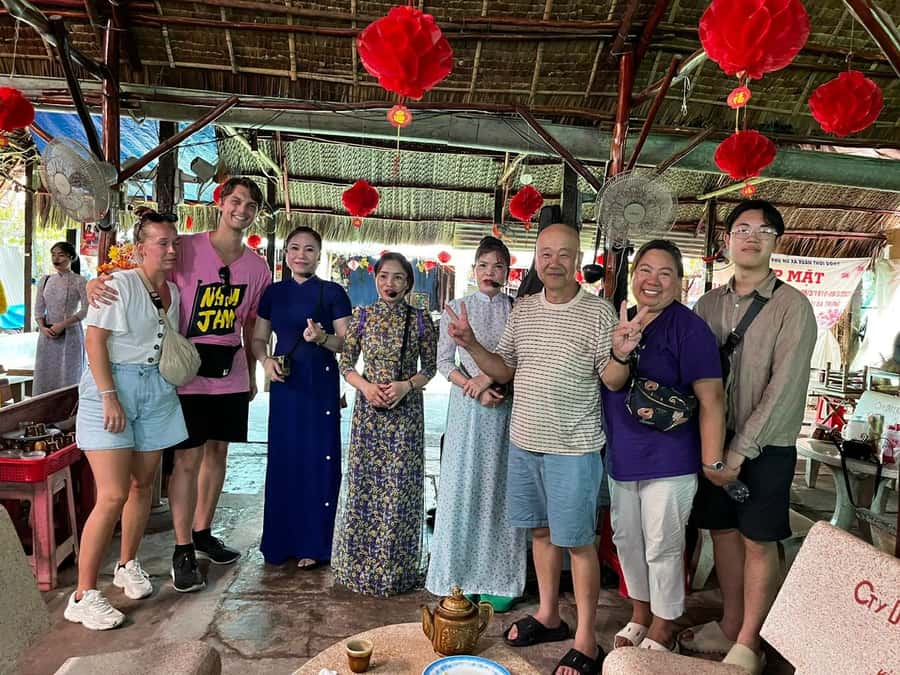
Lunch is a set menu at a local restaurant, with dishes described like deep fried elephant ear fish, sticky rice ball, and hot pot. If you like fish, you’re probably in the right place. If you don’t, ask about vegetarian options ahead of time when you book—vegetarian was described as being okay, but your best odds come from confirming what’s available for your group.
The coconut candy workshop, bee farm, and honey tea with kumquat

Ben Tre is known for coconut products, and this tour builds around that theme with multiple sweet stops. After your lunch, you head to a coconut candy workshop where you learn how they make coconut candies and you can try them.
Then you move to a bee farm. The payoff is a cup of honey tea with kumquat, served with the idea that the bees collect honey from longan flowers. Even if you don’t obsess over the botany, it’s a nice sensory break—warm tea, fruit brightness, and a direct connection to why the honey taste differs in different seasons.
You also get more tropical fruit tastings later, which keeps the day from feeling like only sugar. The tour plan uses fruit and drinks as “energy resets” between boat segments and workshops.
You can also read our reviews of more tours and experiences in Ho Chi Minh City


The hand-rowed sampan: what makes it feel different
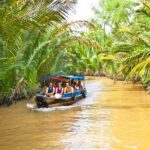
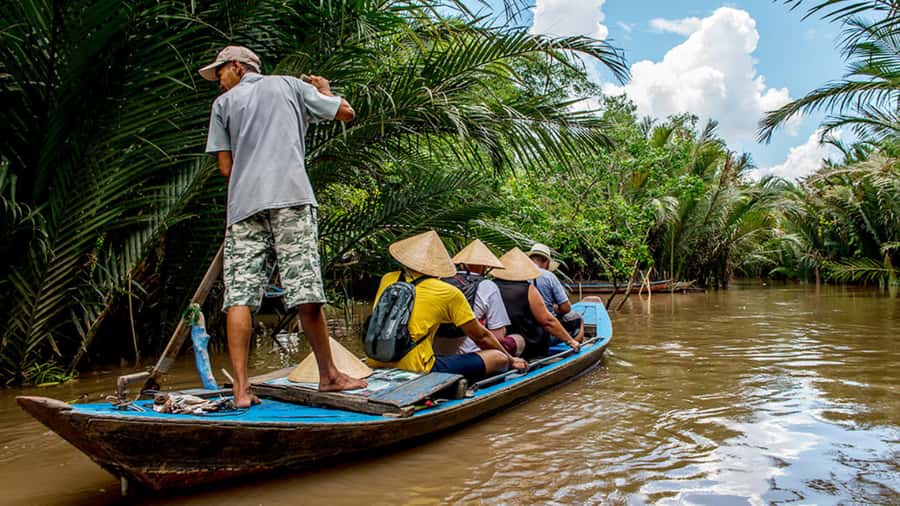
This is the moment many people remember when they talk about this tour: a rowing experience in a sampan, with you being hand-rowed under shady nipa/water-coconut trees and through narrow canal-like areas.
Why you’ll probably like this part:
- It’s slower than the motor boat sections, so you can look around instead of just bracing for movement.
- The setting is cooler in feel because of the shade.
- The boat motion comes from a person pulling the paddle rhythm, so it feels personal and close.
What to do for yourself: wear comfortable shoes you don’t mind getting slightly dusty or wet. The tour also lists no high-heeled shoes, and that’s good advice—hand-rowed canal travel punishes bad footwear quickly.
Also, expect some sitting time. Bring a hat, because the hot weather is real, and a sunscreen habit will save you later.
Folk music and UNESCO-recognized culture: when it adds value
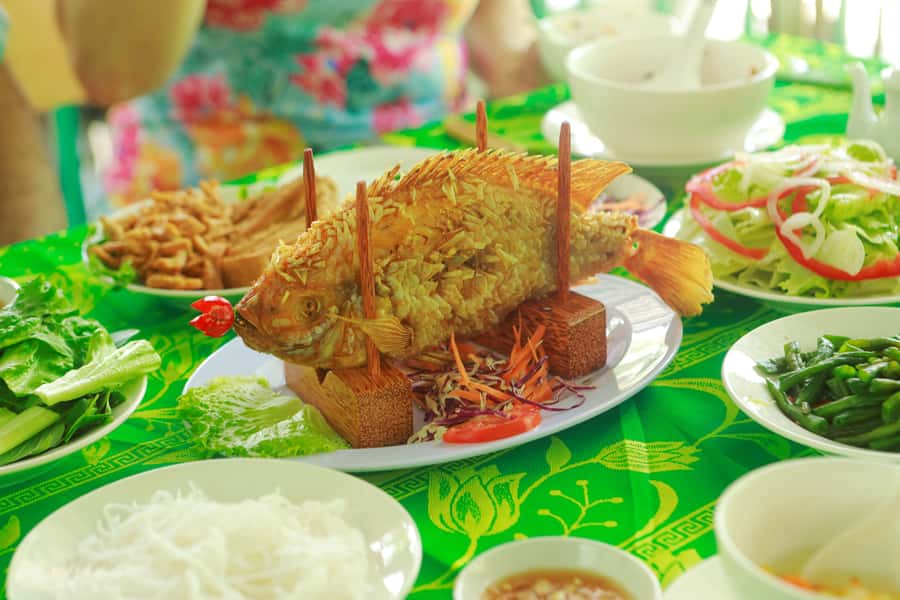
Mid to late in the day, the tour adds a traditional folk music moment. The content is described as part of everyday spiritual and cultural life in the Mekong Delta, and it’s noted as officially recognized by UNESCO as Intangible Cultural Heritage of Humanity.
Even if you’re not a music-nerd, this stop can work because it gives your brain a cultural “anchor” after hours of food and boats. It shifts your focus from hands-on production to performance and community identity.
One thing to keep realistic: it’s usually a short stop, not a deep museum visit. You’re not going to leave with a full academic understanding. You’ll leave with a sense of the sound and setting.
Price and value at about $80: where the money goes
At around $80 per person, this tour is selling a lot of included items in one day:
- AC transfer and guide
- Motor boat and rowing boat segments
- Entrance fees for the included stops
- Breakfast and coffee, plus lunch
- Snacks like fruits, candies, coconut juice, and pineapple
- Domestic travel insurance
- A bottle of drinking water
If you compare that to cobbling together a private day—transport alone costs enough—you can see why this format has value. You’re paying for convenience and a schedule that strings together the major Mekong Delta “musts” in one shot.
Where value can slip is if you’re the kind of traveler who hates tasting-and-selling loops. This tour includes multiple workshops and tasting stages, and some portions may feel more like a marketplace day than a pure sightseeing day. If you’re okay with that structure, the price feels fair for what you get.
The packed schedule problem: managing shopping time and tip moments
Let me be plain about the risk: this kind of Mekong Delta day tour can turn into a series of quick stops that end with a product pitch. The tour includes workshops and tastings at places like coconut candy and a bee farm. That’s normal and can be educational.
But you should go in with the right mindset. Don’t treat every workshop stop like a museum lesson. Treat it like living production with a retail side attached. If you want to shop, you’ll have chances. If you don’t want to shop, decide in your head how you’ll handle it before you arrive.
Also watch for tip requests. The tour experience can include moments where a guide or performer expects extra thanks. You’ll get the best day if you set a small personal rule: either you tip thoughtfully and move on, or you skip that part completely and accept you might feel awkward for a minute.
Finally, the “nature” expectation should stay flexible. Some canal segments might be short and practical rather than wild-jungle travel. Still, it can be worth it for the shade, the boat time, and the hands-on rowing.
What to wear and bring for a 12-hour Mekong day
This is a warm-weather outing with moderate walking and plenty of sitting. You’ll get more comfort from simple choices.
- Wear comfortable walking shoes (no high heels).
- Bring a hat and sunscreen.
- Expect heat and humidity, so pack water habits even though the tour includes a bottle.
- Keep your phone secure for boat trips. The water and your movement will test weak cases.
Also, there are basic safety rules: no weapons or sharp objects, and no explosive substances. It’s rare to worry about this, but it’s good to know they’re serious about it.
Who should book this tour, and who should skip it
You should book if:
- You want an easy first Mekong Delta day with both floating market and coconut-village experiences.
- You like food learning, like how Hu Tieu is made and how pineapple and coconut products are handled.
- You’re okay with a full-day schedule, lots of short stops, and occasional sales energy.
You might skip if:
- You want quiet, long nature time with minimal retail stops.
- You’re sensitive to tip requests or shopping pressure.
- You hate early starts. This one is built for morning action.
Best fit: couples, solo travelers, and families who want variety in one day and like being on the water.
Final call: should you book this 1 Day Mekong Tour?
If your goal is a structured Mekong Delta sampler—Cai Rang floating market, rowing boat time, coconut crafts in Ben Tre, plus village cruising in My Tho—this tour fits the bill. The included boats, meals, and tastings are the core value, and the hand-rowed sampan is the kind of memory that sticks.
Just don’t book with the expectation that every stop will feel like untouched nature. Go with open eyes, wear the right shoes, bring sunscreen, and decide your shopping/tipping comfort level before the day starts. If you do that, the day feels like a well-fed, well-driven introduction to the Mekong’s daily rhythm.
FAQ
How long is the Mekong Delta day trip?
It runs for about 12 hours, with specific starting times depending on availability.
What does the tour cost, and what’s included?
The price is listed as $80 per person. Included items cover an AC transfer and tour guide, motor and rowing boat trips, admissions, breakfast and coffee, lunch, snacks like fruits and candies, coconut juice and pineapple, drinking water, and domestic travel insurance.
Where does the tour start, and is pickup included?
The tour includes pickup in Ho Chi Minh City. You should wait at the lobby about 10 minutes before your scheduled pickup time.
What language is the guide available in?
The live tour guide is available in English and Vietnamese.
Is the tour only for experienced walkers?
No, but there is a moderate amount of walking. Comfortable walking shoes are recommended.
What should I avoid bringing or wearing?
High-heeled shoes aren’t allowed. You also should not bring weapons or sharp objects, and explosive substances are not allowed.