REVIEW · HO CHI MINH CITY
Private Long Tan Tour and Nui Dat Battle Field
Book on Viator →Operated by Bravo Indochina Tours · Bookable on Viator
A Vietnam War day with a real local storyteller. This private tour lets you visit key battle and base sites with a historian-guide and share lunch talk at a local restaurant. I like that you can choose between two routes—Long Tan and Nui Dat or Bien Hoa and Long Binh Junction—and tailor the order to your interests. The main drawback is simple: it’s a full day, so expect plenty of time in the car.
Hotel pickup and drop-off in an air-conditioned private vehicle makes the day feel civilized from minute one. I also like the reflection angle: at Long Tan, the focus is on respect and understanding, not just ticking boxes. One thing to consider is that some locations have limited remains, so your guide’s context matters a lot if you want the visit to really land.
In This Review
- Key things that make this tour worth your time
- A private Vietnam War day trip with real Vietnam War context
- Price and logistics: what $119 buys you (and what it doesn’t)
- Picking your route: Long Tan and Nui Dat, or Bien Hoa and Long Binh Junction
- Option 1: Long Tan and Nui Dat Task Force Base (Australia and NZ focus)
- Option 2: Bien Hoa Air Base and Long Binh Junction (U.S. focus)
- Lunch talk with a historian-guide: where the day really starts
- Stop-by-stop: how the Long Tan and Nui Dat route plays out
- The Battle of Long Tan site
- Nui Dat Task Force Base area
- Stop-by-stop: what you’ll focus on with Bien Hoa and Long Binh Junction
- Bien Hoa Air Base
- Long Binh Junction
- The reality check: time in traffic and what to do with that
- Who this private tour fits best
- Should you book the Private Long Tan Tour and Nui Dat Battle Field?
- FAQ
- How long is the Private Long Tan Tour and Nui Dat Battle Field?
- What options are available for the route?
- What time does the tour start?
- Is lunch included?
- Is this tour private?
- Does the price include admissions or tickets?
- What is the cancellation policy?
Key things that make this tour worth your time
- Historian-guide lunch conversation: you get the story in plain language before the sites start clicking into place.
- Two battlefield routes to choose from: Australian and New Zealand focus (Long Tan/Nui Dat) or U.S. base focus (Bien Hoa/Long Binh Junction).
- Private pacing: you set the tempo, and the day stays focused on your group.
- Long Tan reflection time: the meaning of the memorial comes through in how the visit is handled.
- Comfort and simplicity: hotel pickup, bottled water, and a private car reduce the hassle in Ho Chi Minh City traffic.
A private Vietnam War day trip with real Vietnam War context
This tour runs about 8 hours from Ho Chi Minh City, with hotel pickup and drop-off by air-conditioned private vehicle. At $119 per person, the value is less about seeing “more stuff” and more about getting help making sense of the stuff you do see. Sites tied to the Vietnam War can feel confusing if you only rely on signs or a museum’s big-picture overview.
The private format is a practical win. You’re not stuck listening to a one-size-fits-all script while your group bounces between stops on autopilot. The day is built around a professional guide and an itinerary you can steer based on your interests. If you’re the type who likes asking why something mattered, this structure fits your brain.
Also, this is an admission-included experience. That matters because it reduces the “wait, what do we pay for next?” moment that can chew up time on half-day sightseeing.
You can also read our reviews of more private tours in Ho Chi Minh City



Price and logistics: what $119 buys you (and what it doesn’t)
You’re paying for convenience and interpretation. Included basics are transport, lunch, bottled water, and a professional guide. You’re also getting a private setting, which usually means less time negotiating with a schedule and more time learning.
What it doesn’t promise is a huge number of surviving artifacts in every stop. Some battle-era sites are now memorials, former base grounds, or locations where only fragments remain. That’s why this tour leans hard on the guide’s explanations and the chance to ask questions while you’re there.
One more realistic point: the day is long, and the driving is part of the experience. If you hate being in a car for hours, you’ll want to plan for breaks and water, and you’ll want a guide who doesn’t rush you.
Picking your route: Long Tan and Nui Dat, or Bien Hoa and Long Binh Junction
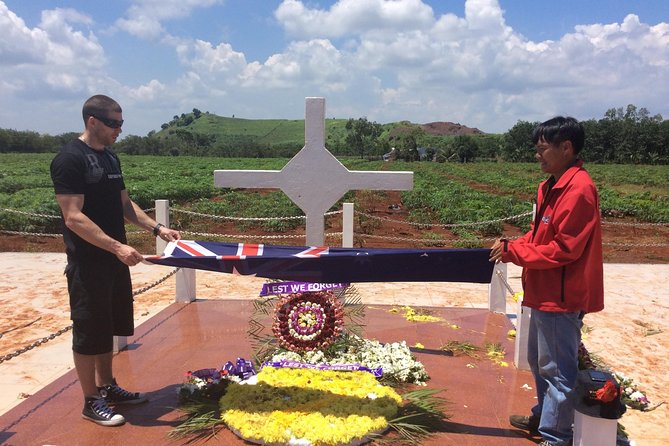
The tour gives you a real choice, and that choice shapes what your day feels like.
Option 1: Long Tan and Nui Dat Task Force Base (Australia and NZ focus)
This route centers on sites associated with Australian and New Zealand Army Corps involvement, with the day anchored around the Battle of Long Tan and the former Nui Dat Task Force Base area. If you connect most with ANZAC history, this is the thread that ties the day together.
The emotional tone here tends to be very direct. Long Tan is remembered for sacrifice, and the visit is handled with respect and space to reflect. If you’re going because you want to honor those who were lost—and understand what happened on the ground—this is the route that tends to land hardest.
Option 2: Bien Hoa Air Base and Long Binh Junction (U.S. focus)
This alternative route shifts the spotlight to major U.S. military locations, including Bien Hoa Air Base and Long Binh Junction. It’s a different kind of Vietnam War experience. Instead of centering the ANZAC story, the day helps you connect how large operations and logistics affected day-to-day reality in the region.
If you’re more interested in how U.S. bases functioned and how those hubs influenced surrounding areas, this option gives you a clearer line between the places and the broader war story.


Lunch talk with a historian-guide: where the day really starts
The tour’s standout feature isn’t a single site. It’s the human part: you chat with your historian-guide over lunch at a local restaurant. That timing matters. You get context before you reach the memorials and base remains, so you’re not just staring at geography—you’re reading it.
I like that the guide role here isn’t just “facts on demand.” In the accounts of past participants, guides have been tied closely to military history and have shared personal experience in a way that helps the past feel specific. In particular, names like Tony and Toni show up in guides linked to Australian forces and interpretation work. When a guide can connect what you’re seeing to how people lived through it, the day becomes more than sightseeing.
Practical tip: bring a couple of questions. Something like: What would a soldier have noticed first here? Or what was the purpose of this base and how did it shape events nearby? Your lunch conversation is the time to ask, not the time to scramble later.
Stop-by-stop: how the Long Tan and Nui Dat route plays out
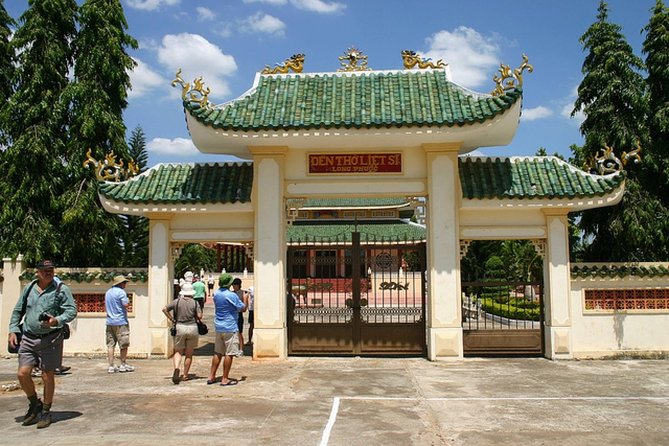
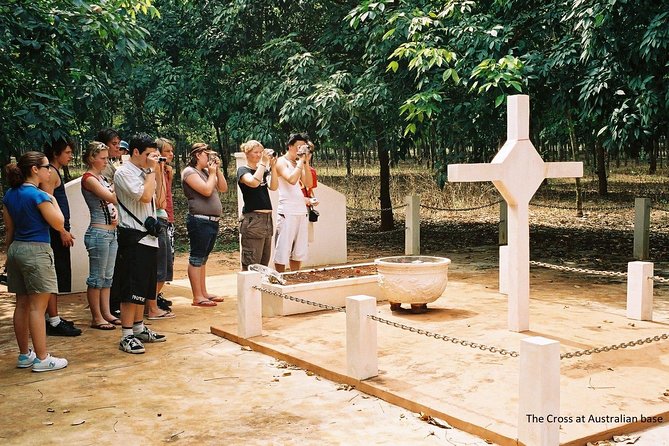
This is the route most people choose when they’re looking for a strong ANZAC connection. The day begins with hotel pickup, then you head out and start weaving the broader war story into the specific places.
The Battle of Long Tan site
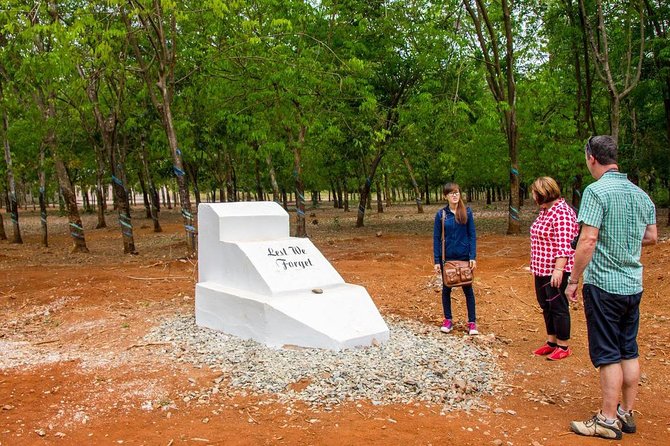
Long Tan is the emotional core. Even if physical remains are limited, the memorial meaning does the heavy lifting. You’re visiting a place set up to remember, and that changes the atmosphere. The best tours don’t rush this stop. They give you room to understand the context, then room to feel the weight of it.
If you’re a history buff, you’ll still get the mechanics: what Long Tan represented in the larger campaign, and how it fits into the Australian/NZ Army experience in Vietnam. If you’re going for remembrance, the guide’s tone and pacing matter just as much as the facts.
Nui Dat Task Force Base area
From there, the focus shifts from one battle to the wider system that made battles possible. Nui Dat is tied to the logistics and operational footprint of the Australian effort. This is where you start seeing how bases functioned: not just as “places troops were,” but as hubs that shaped movement, security, and daily choices.
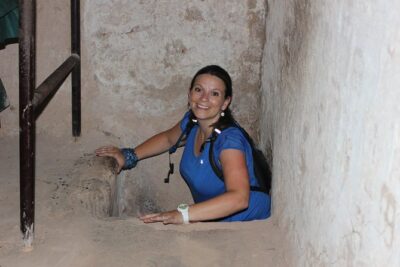
A detail that shows up in positive feedback is that some itineraries include additional nearby points of interest, such as the Long Phouc Tunnels. If that’s on your version of the day, it can be a powerful contrast: memorial space paired with the wartime reality of underground movement and survival.
Stop-by-stop: what you’ll focus on with Bien Hoa and Long Binh Junction
If you choose the U.S.-focused route, your day aims for a different kind of understanding. This route tends to be about bases as living machines—huge infrastructure with the war running through it.
Bien Hoa Air Base
You’ll connect the role of airpower and the base’s operational significance to the way the war unfolded around it. Even when there aren’t dramatic remains to photograph, the point is to place the base in context. Your guide’s job is to help you visualize what the space enabled.
Long Binh Junction
Long Binh Junction is about connectivity—how traffic of personnel, supplies, and routes turned these locations into essential parts of the war machine. The story you take away is less about a single dramatic moment and more about sustained impact: how logistics and movement influence what’s possible on both sides.
If you want a day that feels more structural—where the war becomes a map of infrastructure—this is the better match.
The reality check: time in traffic and what to do with that
This is a full-day tour, and that means the schedule includes road time. Some participants have pointed out that the day can include longer driving segments and story-heavy explanations about military organization. That’s not automatically a bad thing—frameworks help you interpret what you see—but it can feel slow if you expected more frequent stops or lots of visible ruins.
So I recommend a mindset shift: treat this as a guided interpretation day, not a “see a dozen relics” day. If your goal is deep context and thoughtful pacing, the format works. If your goal is maximum physical remains per hour, manage expectations before you book.
Practical move: wear comfortable shoes, and keep your energy for the key moments—the memorial stop(s) and any sites your guide highlights as especially meaningful for your route.
Who this private tour fits best
This tour is ideal for you if you fall into one (or more) of these buckets:
- You’re a Vietnam War history buff who wants human context, not just dates.
- You’re tracing family or national military connections, especially ANZAC ties for Long Tan/Nui Dat.
- You want a guide who can connect geography to decisions and consequences, with time for questions.
- You prefer private pacing and don’t want to compete for attention in a larger group.
It’s less ideal if you’re looking for a fast “walk-and-photo” day with lots of remaining structures to explore independently. Also note the tour asks for moderate physical fitness. That doesn’t mean strenuous hiking, but it does mean you should be comfortable with a full day out and about.
Should you book the Private Long Tan Tour and Nui Dat Battle Field?
I’d book it if you want a guided, respectful, interpretive day tied to Long Tan/Nui Dat (or the Bien Hoa/Long Binh alternative) and you value lunch conversation with a historian-guide. The private format is a big part of the value, and the strongest parts of the experience tend to come from how the guide shapes your understanding and gives you time to reflect.
I would skip it if you’re only interested in lots of surviving battlefield remnants or you dislike spending the day in a vehicle. In that case, you might get more out of a museum visit plus self-guided walking later.
If you do book, bring questions for your guide at lunch, and tell them what you care about most. Because this tour can be tailored, your day becomes far more satisfying when you’re clear about your priorities from the start.
FAQ
How long is the Private Long Tan Tour and Nui Dat Battle Field?
It runs for about 8 hours.
What options are available for the route?
You can choose between a Long Tan and Nui Dat Task Force Base route (Australian and New Zealand focus) or a Bien Hoa Air Base and Long Binh Junction route (U.S. focus).
What time does the tour start?
The start time is listed as 8:00 am, with hotel pickup arranged for you.
Is lunch included?
Yes. Lunch is included, and bottled water is also provided.
Is this tour private?
Yes. It’s a private tour/activity, and only your group participates.
Does the price include admissions or tickets?
Admission tickets are included.
What is the cancellation policy?
You can cancel for a full refund up to 24 hours in advance of the experience’s start time, with free cancellation offered.