REVIEW · HO CHI MINH CITY
Images of Vietnam In 11 Days – Departure from Ho Chi Minh City
Book on Viator →Operated by Realistic Asia · Bookable on Viator
One good reason to go: you move fast. In 11 days you’ll see Vietnam from Hanoi to Ho Chi Minh City, with boat days in Tam Coc and Halong Bay and heritage stops in Hue and Hoi An. I like that it runs as a small group (max 15), so you’re not stuck in a huge cattle-car.
What I also like is how the route is stitched together with door-to-door pick-ups and the two internal flights that save you a day of long overland travel. The one drawback to think about is the pace: several days are framed as full-day blocks (and some are 12-hour days), so plan to accept a little “on-the-go” fatigue.
In This Review
- Key things worth knowing before you book
- A straight-shot route: Vietnam’s highlights from south to north
- Day 1 in Ho Chi Minh City: private driver and an easy landing
- Day 2: Cu Chi Tunnels and the Vietnam War story you can walk through
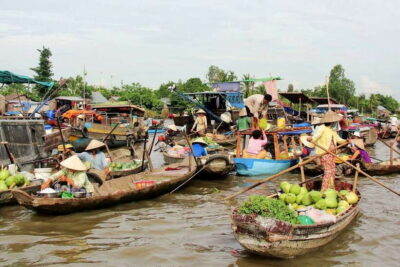
- Day 3: Mekong Delta from My Tho—pagoda calm and sampan water time
- Day 4: Fly to Hue—then settle in on arrival
- Day 5: Hue by dragon boat and imperial sights
- Day 6: Hoi An by bicycle—fields, shrimp farms, and Tra Que area time
- Day 7: Flight to Hanoi plus a street food tour at 18:00
- Day 8: Hoa Lu’s old capital area and Tam Coc by bamboo boat
- Day 9: Halong Bay day with UNESCO-level scenery
- Day 10: Halong sunrise, breakfast onboard, then back to Hanoi
- Day 11: Hanoi farewell—markets, then transfer to Noi Bai
- Value check: what you’re paying for at $1,302 per person
- What the small-group size really changes
- Practical tips so this trip feels smooth (not chaotic)
- Who this 11-day Vietnam plan suits best
- Should you book Images of Vietnam In 11 Days?
- FAQ
- Where does the tour start and what time?
- Where does the tour end?
- Are internal flights included?
- What boat rides are included?
- Does the price include meals?
- Are entrance fees covered?
- What room setup is included?
- Do I need to arrange an e-visa?
- What are typical hotel check-in and check-out times?
- If the weather is bad, what happens?
Key things worth knowing before you book
- Max 15 travelers: small enough for smoother logistics and quicker guide attention.
- Boat rides that actually matter: Tam Coc bamboo boat and a Halong Bay overnight cruise.
- Two domestic flights included: Ho Chi Minh City → Hue, then Da Nang → Hanoi, with 20 kg luggage allowance.
- Private driver transfers: airport and city transfers are part of the plan, not a guessing game.
- Food built into the schedule: Hanoi street food tour at dusk, plus multiple breakfasts and included meals.
- Weather-dependent Halong: the experience requires good conditions, with a date change or full refund if weather cancels it.
A straight-shot route: Vietnam’s highlights from south to north
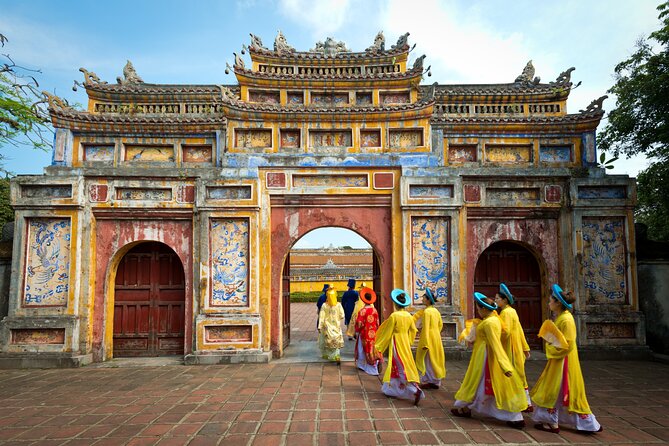
This is a classic “best of” Vietnam route, but with fewer headaches than DIY travel. You start in Ho Chi Minh City, work your way to the center (Hue and Hoi An), then head north for Hanoi and the limestone scenery around Ninh Binh, before finishing with Halong Bay and your last day in Hanoi.
The value here isn’t just seeing big-ticket sights. It’s the way the tour handles the travel glue: airport transfers, overland transport between regions, and the two flights that cut down the slow parts. If you want Vietnam’s variety—history, rivers, rice fields, coastal drama—without spending hours researching schedules, this style fits.
That said, you’re traveling every couple of days. If you love deep, unhurried time in one city, you’ll feel the momentum of the itinerary.
You can also read our reviews of more city tours in Ho Chi Minh City


Day 1 in Ho Chi Minh City: private driver and an easy landing
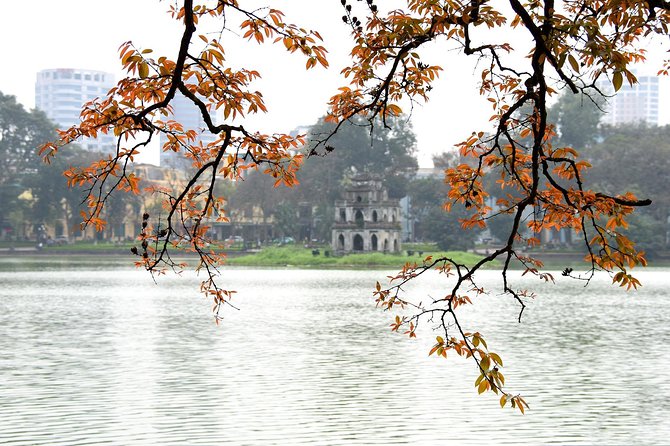
Day 1 is designed to take the stress out of arrival. You meet a private driver at Tan Son Nhat International Airport, they hold a sign with your name, and you’re escorted right to your accommodation in the city.
This “get your bearings fast” start matters more than it sounds. Ho Chi Minh City can be loud and busy on day one. Having a driver meet you reduces the chance you’ll lose time to confusion over taxis, timing, or where your hotel sits.
You also get your first evening to settle in—no compulsory sightseeing described for this day in the outline, so you can recover from the flight and plan your next day calmly.
Day 2: Cu Chi Tunnels and the Vietnam War story you can walk through
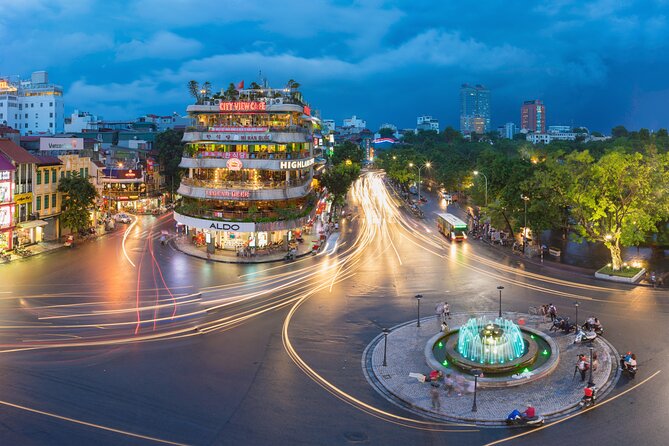
On Day 2 you head to Cu Chi Tunnels, with a schedule running roughly 8:00 AM to 2:30 PM. This is one of Vietnam’s most well-known war-related sites: an underground system reported to stretch over 220 km.
The big draw is that it’s not just a museum stop. You’re looking at the idea of survival in a harsh environment—tunnels, underground movement, and the way the tunnels shaped daily life during the war. If you like history that you can picture, this makes the story feel real.
Consideration: it’s a full half-day that can feel intense. Wear comfortable shoes and keep hydration in mind. The tour includes water on the coach, which helps.
Day 3: Mekong Delta from My Tho—pagoda calm and sampan water time
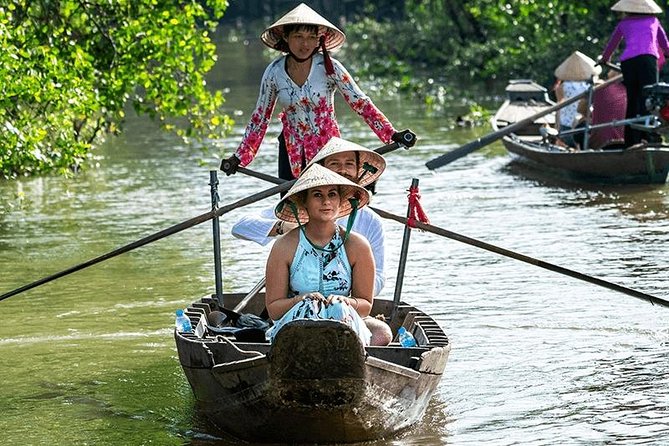
Day 3 shifts you into river Vietnam. You leave Ho Chi Minh City and travel toward My Tho, on the left side of the Mekong River. The itinerary highlights a visit to Vinh Trang pagoda (late 19th century), then a sampan boat cruise around the waterways.
This day works well because it balances structure and flow: a cultural stop, then a slower rhythm on the water. The Mekong Delta can be overwhelming if you do it by yourself in a single day. Here, you get a guided route that tries to hit the essentials without turning the trip into nonstop logistics.
Admission tickets are shown as included or free depending on the exact stop, but the key point is that you’re not left scrambling to figure out what to pay for or how long things take.
Day 4: Fly to Hue—then settle in on arrival
Day 4 includes a flight from Ho Chi Minh City to Hue. After landing, you’re picked up by a driver and transferred to your accommodation in Hue.
For most people, flying is a sanity saver. Driving long distances in Vietnam is doable, but it can eat your day. This flight keeps your itinerary tight enough to reach the next heritage-heavy days without losing the schedule you paid for.
The day is shown as a long block, but it’s the kind of long you can tolerate because the hard parts are handled for you: airport transfer on arrival, and getting you into Hue smoothly.


Day 5: Hue by dragon boat and imperial sights
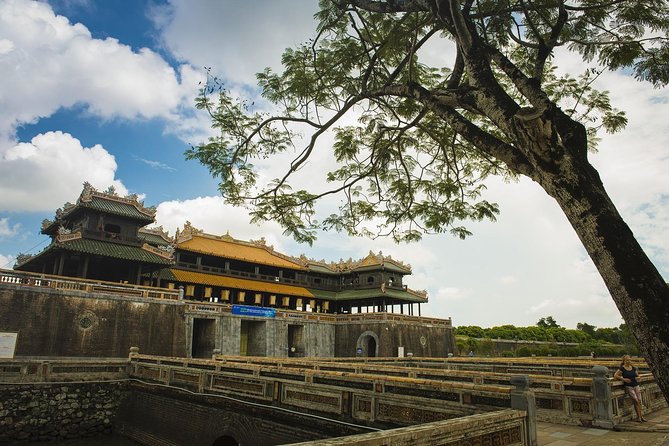
Day 5 is one of the more “core Vietnam” heritage days. You start with a Hue city pickup between 8:00 and 8:30. Then you take a dragon boat on the Perfume River to visit Thien Mu Pagoda, described as the oldest pagoda in Hue.
After that, you explore the Hue Imperial Citadel, home of the Nguyen dynasty. This is where Hue feels like Hue—palaces, ceremonial spaces, and a sense of past rule that you don’t get in the modern cities.
Then you move on. The plan transfers you from Hue to Hoi An, with check-in and rest on arrival.
Potential drawback: this is a lot to pack into one day—boat time, pagoda, citadel, plus the transfer to Hoi An afterward. I’d treat this day like a cardio session for your brain. Plan on an early night.
Day 6: Hoi An by bicycle—fields, shrimp farms, and Tra Que area time
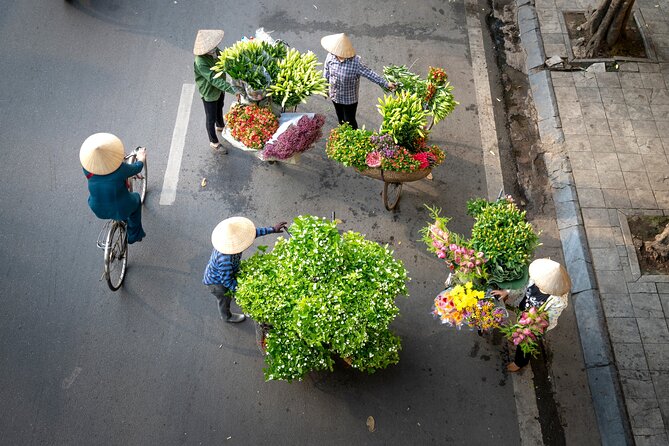
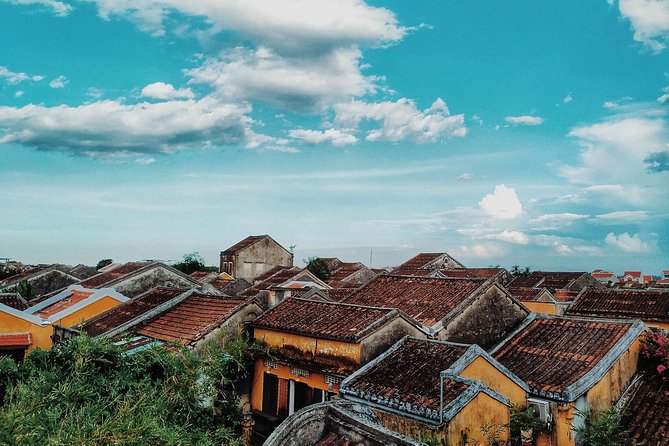
Day 6 keeps Hoi An from being only lantern streets and shop browsing. You depart around 8:00–8:30 and get a bicycle from the guide. The outline specifically mentions cycling through paddle fields and shrimp farms, then visiting the Tra Que area.
This is one of the best-value ideas in the entire program because it adds something real you can see and smell: agricultural life just outside town. Hoi An’s center is pretty, but the countryside lets you understand how the region feeds itself—and it’s a very different kind of Vietnamese scenery than big-city traffic.
The day runs to about 13:30. That timing helps: you can still enjoy Hoi An in the afternoon and evening without feeling fully cooked.
Day 7: Flight to Hanoi plus a street food tour at 18:00
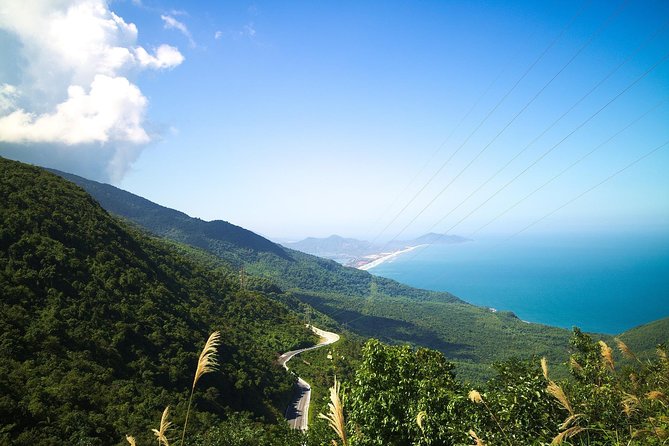
Day 7 moves you north. You’re taken from Hoi An to the Da Nang airport, then fly to Hanoi, with a driver meeting you on arrival and transferring you to your accommodation.
In the evening, you get a 3-hour Hanoi street food tour, meeting at your hotel/stay around 18:00–18:15. The plan frames it as a walking tour focused on Hanoi’s culture and history through street food vendors—exactly the kind of activity that’s hard to plan well on your own when you’re jet-lagged.
This is also smart placement in the itinerary. After a travel day, the evening is active but not tiring in a logistics sense. You just follow the guide, taste what’s offered, and get your bearings for the city.
Day 8: Hoa Lu’s old capital area and Tam Coc by bamboo boat
Day 8 starts with a trip toward Ninh Binh Province (about 120 km from Hanoi). You pick up around 7:30–8:30, have a short break around 9:30, then continue toward the first destination in the Hoa Lu District.
After that, the highlight of the day is Tam Cốc – Bích Động. Around 13:00 you visit Tam Coc by a 1.5-hour bamboo boat ride. The itinerary description leans poetic—paddy fields, river, sky, and cave scenery—but the practical point is this: the boat gives you views you can’t get from land.
Consideration: boats and caves mean you’ll be exposed to sun and possibly humidity depending on the season. Bring a hat and sunblock as suggested, and plan for comfortable shoes because you’ll likely walk between viewpoints and boarding areas.
Day 9: Halong Bay day with UNESCO-level scenery
On Day 9 you head to Hạ Long Bay. The outline shows a 12-hour block, and it’s framed as a natural wonder of the world, a UNESCO World Heritage site.
This day is about the big visual payoff. If you’ve seen Halong Bay photos, you know the look—but seeing it from the water (and with the route built around it) is the point. The overnight cruise is listed for Halong Bay across the program, and Day 9 is when the machinery starts moving: you get into the bay and build anticipation for the next day’s sunrise and return.
Practical tip: bring a light layer. Even on warm days, morning and night on the water can feel cooler than you expect.
Day 10: Halong sunrise, breakfast onboard, then back to Hanoi
Day 10 is when Halong Bay earns its hype. The plan calls out sunrise on Halong, breakfast served while the vessel cruises slowly toward the port, and an early lunch before disembarking.
Then you’re transferred back to Hanoi, check in, and get an overnight stay.
This is a good example of the tour’s value: it doesn’t just drop you in for a quick photo. You get the pacing that makes the place feel different at different times of day—sunrise light one day, then back to city life the next.
Day 11: Hanoi farewell—markets, then transfer to Noi Bai
Your final day begins with breakfast. After you complete hotel check-out formalities (the tour lists check-out at 12:00 noon), you have time to visit local markets for souvenirs.
Later, you’ll be transferred to Noi Bai International Airport for your flight home. The schedule notes the need to plan your inbound flights accordingly.
This final day is usually where tours either feel rushed or respectful. Here, the inclusion of market time helps you leave with small gifts that feel tied to your trip—not just generic store-bought souvenirs.
Value check: what you’re paying for at $1,302 per person
At $1,302 per person, you’re paying for a package that bundles: multi-city transport, flights inside Vietnam, entry fees, guides, and a set of experiences that are hard to string together smoothly.
A few value drivers stand out:
- Internal flights are included (Ho Chi Minh City → Hue, and Da Nang → Hanoi), each with a 20 kg luggage allowance. If you priced those separately while also booking transfers, you’d likely spend a chunk of the tour cost right away.
- Boat experiences are included—Tam Coc’s bamboo boat and the Halong Bay cruise/overnight structure. These aren’t cheap to organize well.
- Door-to-door transfers remove the friction of arriving in new places.
- Meals are partly included: breakfast is listed as 9 times, lunch 6 times, dinner 2 times. That matters because it reduces decision fatigue.
Where the price can feel less like a bargain is if you’re the type who wants to do everything you see at your own speed. This route is built for momentum, so it will feel like a good deal when you like that style, and less so if you don’t.
What the small-group size really changes
This isn’t a huge tour. The max is 15 travelers, and that affects the experience in the real world:
- fewer delays at pickup points
- more control over where the group sits and how long stops take
- guides can answer questions without shouting over a crowd
You also get a quieter travel rhythm. In the feedback I’ve seen associated with this operator, people highlight smooth coordination and a real sense of being supported by named staff members like Chris and Lucy Do, plus additional support roles such as Shadow, Rosie, and Irina Hatcher. You don’t need those names on your itinerary, but they’re a signal: communication and problem-solving are part of the service, not an afterthought.
Practical tips so this trip feels smooth (not chaotic)
You’ll get the best experience if you travel like the itinerary expects.
- Pack for heat and sun: the tour specifically suggests a hat and sunblock, and comfortable shoes.
- Accept long days: some blocks are described as 12 hours, usually because of transfers and moving between cities.
- Use the included water/tissues on coach days to cut down on small purchases.
- Plan your flight timing: your last day includes an airport transfer to Noi Bai, so keep your departure times realistic.
Room basics also matter. Your accommodation is shared (double/twin/triple), with check-in at 14:00 and check-out at 12:00 noon (unless otherwise mentioned).
Also note: the tour is listed as requiring good weather. If Halong Bay is canceled due to poor conditions, the plan says you’ll be offered a different date or a full refund.
Who this 11-day Vietnam plan suits best
This tour is a strong fit if you want:
- a north-to-south Vietnam summary with the big icons
- real guided structure for places like Cu Chi, Hue, Halong, and Tam Coc
- a schedule that handles the “how do I get there” problem for you
- boat time plus city time, not just one or the other
You might want to look elsewhere if you prefer slow travel, deep stays in one place, or you hate tight connections between flights and hotel moves.
Should you book Images of Vietnam In 11 Days?
If your goal is to see a lot of Vietnam without juggling a pile of bookings, I’d lean toward yes. The included flights, boat rides, private transfers, and entrance fees are exactly the stuff that turns DIY trips from fun to stressful.
Book it if you like the idea of pairing Hanoi’s street food energy with Hue’s river-and-imperial sites, then cooling off on Halong Bay water time. If you’re sensitive to packed schedules, build a little extra patience into your mindset.
In short: this is a well-organized highlight reel with enough variety to keep you interested, and enough support to keep you sane.
FAQ
Where does the tour start and what time?
It starts at Tan Son Nhat International Airport in Ho Chi Minh City. The listed start time is 8:00 am.
Where does the tour end?
The tour ends at Noi Bai International Airport in Hanoi, with a transfer on the last day.
Are internal flights included?
Yes. Flights from Ho Chi Minh City to Hue and from Da Nang to Hanoi are included, operated by Vietjet Air or similar, with 20 kg luggage allowance.
What boat rides are included?
You have a bamboo boat ride at Tam Coc (listed as 1.5 hours) and an overnight boat cruise in Halong Bay.
Does the price include meals?
Breakfast is listed 9 times, lunch 6 times, and dinner 2 times as included.
Are entrance fees covered?
Yes, all excursions and entrance fees as per the itinerary are included.
What room setup is included?
Accommodation is shared in double/twin/triple rooms.
Do I need to arrange an e-visa?
E-visa is not included. The tour notes you can apply online.
What are typical hotel check-in and check-out times?
Check-in is at 14:00 and check-out is at 12:00 noon (unless early check-in or late check-out is mentioned).
If the weather is bad, what happens?
The experience requires good weather. If it is canceled due to poor weather, you are offered a different date or a full refund.