REVIEW · HO CHI MINH CITY
Ho Chi Minh: Discover Cu Chi Tunnels Half-Day Tour
Book on GetYourGuide →Operated by Sky Travel · Bookable on GetYourGuide
The underground route makes Vietnam War history feel real. This Cu Chi Tunnels tour is a guided walk through a zigzag network of tunnels over 200 km long, where you see how people lived, hid, and fought underground. I especially like the focus on inventive daily-life details—kitchens, hospitals, and armories—and the way the guide connects what you’re seeing to the broader Vietnam War story.
The one thing to weigh first is the physical side: this is not a sit-and-watch museum day. You’ll be walking through tight spaces and uneven underground areas, so comfortable shoes matter, and it’s not suitable for wheelchair users or people with mobility impairments.
From Ho Chi Minh City it’s about 60 km out, so you get a real change of scenery, not just a quick drive across town. And the best part is the variety: tunnel sections, hidden rooms, remnants of artillery units, plus an optional shooting range experience.
In This Review
- Key highlights you can’t miss
- Why the Cu Chi Tunnels tour hits differently than a typical history stop
- Getting out of Ho Chi Minh City: timing, transfers, and what to wear
- Entering the tunnel system: zigzag passages, hidden rooms, and survival design
- The hiding spots and booby traps: what you’re really meant to notice
- Underground wartime life: kitchens, armories, and hospitals (not just tunnels)
- The shooting range option: AK-47 / MK-16 and how to plan for it
- Rice-paper and rice-wine: a quiet cultural detour that makes sense
- War Remnant Museum on the way back: where it can fit in your day
- Price and value: what $22 really gets you (and what doesn’t)
- Who this Cu Chi tour is best for (and who should skip it)
- A note on the tour flow and communication
- Should you book the Cu Chi Tunnels half-day tour?
- FAQ
- How long is the Cu Chi Tunnels tour?
- Where do I meet the tour?
- What’s included in the $22 price?
- Is lunch included?
- Can I shoot an AK-47 or MK-16?
- What should I bring?
- Is the tour suitable for wheelchair users?
Key highlights you can’t miss
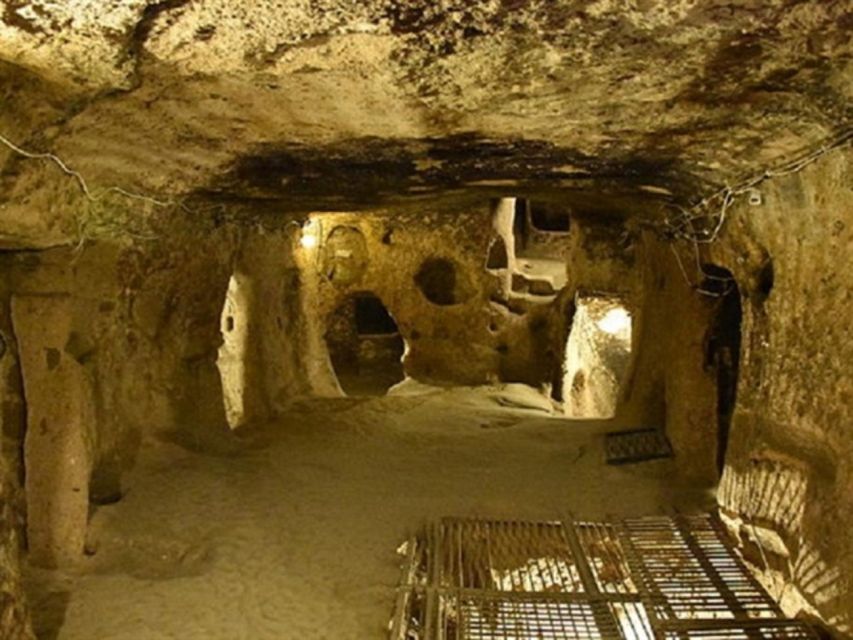
- A 200 km tunnel system: zigzag passages and hidden layouts meant for survival and stealth
- Secret underground rooms: kitchens, living areas, armories, and hospital spaces
- Hiding spots + booby traps: practical wartime design you can actually observe
- Weapon range option: AK-47 or MK-16 shooting at the designated range (extra fee)
- Rice-making demonstrations: rice-paper and rice-wine know-how along the way
Why the Cu Chi Tunnels tour hits differently than a typical history stop

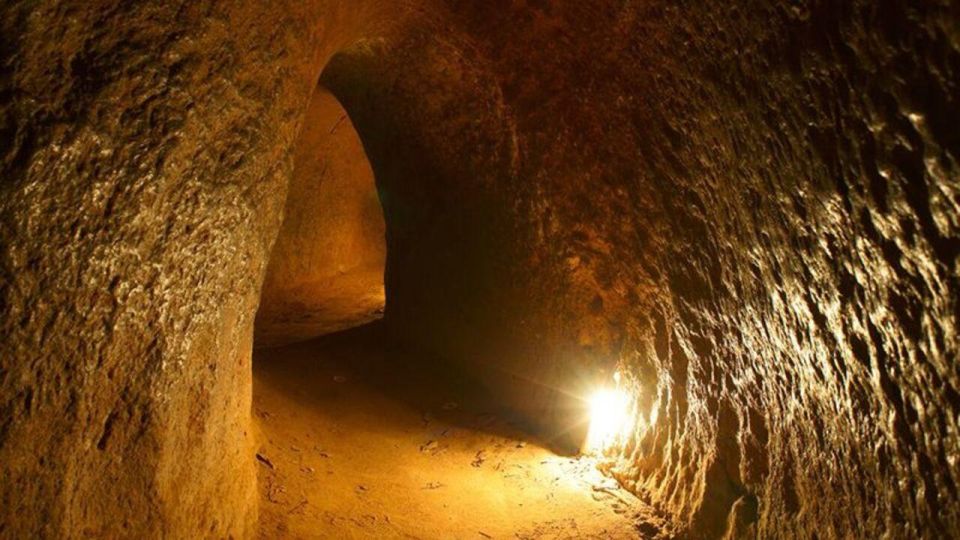
If you’ve done Vietnam War sites before, you might expect a lot of reading and pretty displays. This tour works differently. You’re moving through the same kind of environment the guerrilla soldiers relied on: narrow, winding passages built for cover, speed, and secrecy. It turns history into something your body understands—how you’d squeeze, how you’d navigate, and why certain spaces mattered.
I also like the balance of “hard” war details with “human” survival details. You’re not only shown hiding spots and defensive tricks; you also get a sense of routine—living areas, kitchens, and hospital spaces built into the underground world. That mix helps you connect the tunnel system to Vietnamese creativity under pressure.
One more good detail: the tour is run with an English/Vietnamese-speaking guide. Even if your Vietnamese is limited, you’re not left to guess what you’re seeing.
You can also read our reviews of more tours and experiences in Ho Chi Minh City


Getting out of Ho Chi Minh City: timing, transfers, and what to wear

The tour includes round-trip transfers from the meeting point in central Ho Chi Minh City (165 Pham Ngu Lao St, Dist 1). That matters because Cu Chi is about 60 km from Saigon, and having transport handled saves you from hunting buses, estimating drive times, and building your own schedule.
Departure times are listed as:
- 7:45am, returning around 3:00pm
- 12:45pm, returning around 7:00pm
So yes, it may be marketed as half-day, but you should plan for a full chunk of time in your day. In practice, that’s actually a plus. You’re not rushing through tunnels like a drive-by; you have time to walk the underground sections and still fit in the extra stops.
Wear comfortable shoes. You’re on your feet during the underground exploration, and the terrain can be uneven or cramped. If your shoes are all style and no grip, you’ll regret it halfway through.
Entering the tunnel system: zigzag passages, hidden rooms, and survival design

Cu Chi is described as an underground zigzag network of over 200 km. On the ground, you’ll notice the zigzag approach right away. It isn’t just architecture for architecture’s sake. The layout was built to slow down intruders, reduce damage, and make escape and movement possible even under threat.
As you wander through the system, you’ll see what the tour focuses on most:
- Secret rooms and living areas
- Kitchens and armories
- Hospitals used by soldiers underground
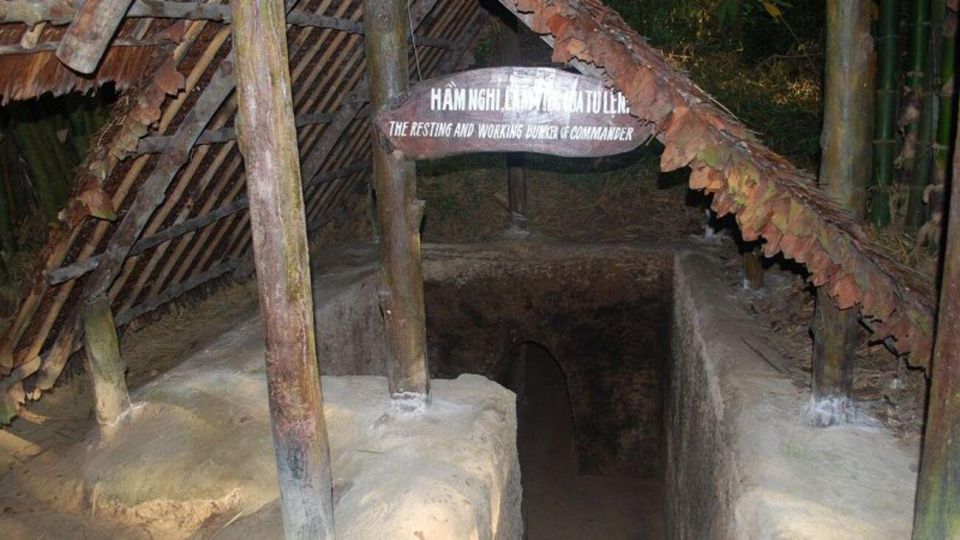
- Remnants of artillery units used during the conflict
What makes this valuable is that it changes the way you picture the war. Instead of only thinking of big battles and surface life, you’re looking at how soldiers handled food, medical care, and equipment deep underground.
And because you’re walking through a “variety of elaborate labyrinths,” you get a better feel for navigation. It’s easier to understand why hiding spots and trap placement mattered when you’re mentally tracking routes like you’re inside the system.
The hiding spots and booby traps: what you’re really meant to notice
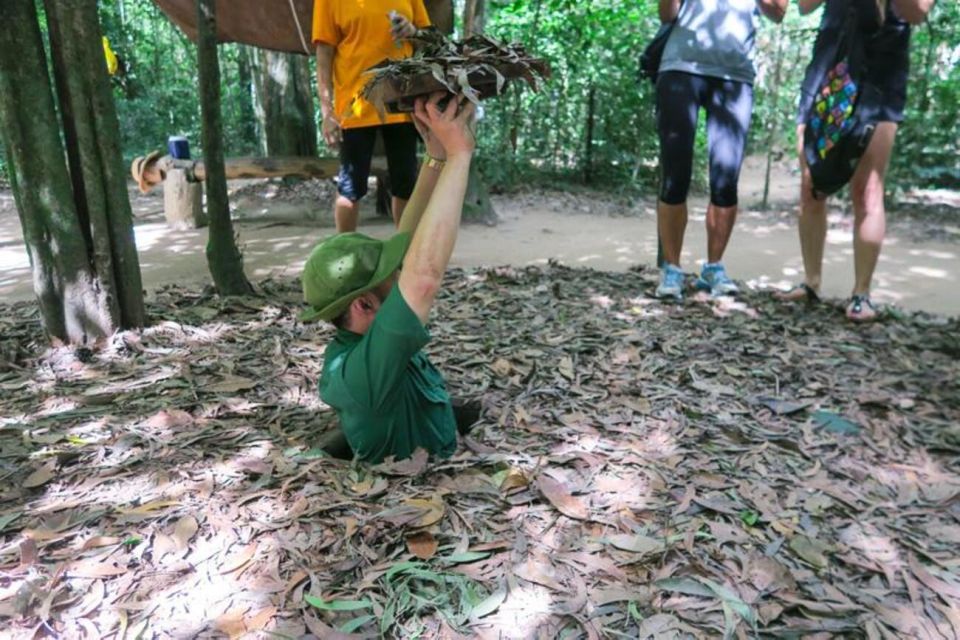
This is one of the most intense parts of the Cu Chi experience, and it’s also one of the most informative. The tour explains that you can see hiding spots used by guerrilla soldiers to gain advantage in the war, plus booby traps created to protect the area.
Even if you’re not into military history, here’s the key thing to notice: these were defensive choices shaped by constraints. The soldiers didn’t have the luxury of open-field control every day. They needed protection in tight spaces, and they needed tactics that didn’t depend on large troop movements.
It helps you understand why the tunnels were more than shelters. They were a system—movement routes, concealed spaces, and threat-response design working together.
If you’re sensitive to graphic themes, keep in mind this tour includes wartime remnants and trap explanations. It stays educational, but the subject is still war.
Underground wartime life: kitchens, armories, and hospitals (not just tunnels)
The tour doesn’t treat Cu Chi as only a set of passages. It guides you through the everyday logic of underground life—how soldiers could store gear, manage food, and keep going with limited space.
You’ll spend time seeing:
- Kitchens and food-related spaces
- Living areas tucked into the underground layout
- Armories for equipment
- Hospitals for medical needs
Why this is so worth your attention: it makes the tunnel system feel like a functioning community, not a single-use bunker. The tunnels supported long stretches of living and working, which is a big part of why Cu Chi is described as a symbol of will and creativity.
If you like history that connects to real daily habits, this part is where the tour earns its time.



The shooting range option: AK-47 / MK-16 and how to plan for it
One of the most talked-about add-ons is the shooting range experience. The tour gives you the chance to fire an AK-47 or MK-16 rifle at the designated shooting range.
Important planning note: the shooting gun fee is not included in the tour price. So you’ll want to budget extra if that’s something you want to do.
Also, decide your comfort level ahead of time. If you’re there mainly for Vietnam War history and architecture, you can treat the range as optional. If you do want it, bring a calm, practical mindset: follow the staff instructions closely, and don’t assume the process is identical to other countries’ ranges.
Rice-paper and rice-wine: a quiet cultural detour that makes sense
Between the tunnel sections, you may also learn how locals make rice-paper and rice-wine. This isn’t random entertainment. It’s a reminder that tunnel life didn’t exist in a vacuum—people still depended on food production knowledge and local processing traditions.
And if you’re the type of traveler who likes turning history into context, this part helps. You walk from a wartime underground world into the practical craft knowledge of daily life.
War Remnant Museum on the way back: where it can fit in your day
On the return trip, you can pass by the War Remnant Museum. This is a smart pairing because it gives you a second viewpoint: first, the underground system itself; then a museum space with broader interpretation and artifacts.
If you have energy left, this can deepen your understanding quickly. If you’re tired after the tunnel walk (totally normal), you might treat it as a bonus photo stop and not force it.
Either way, having the option on the return is convenient.
Price and value: what $22 really gets you (and what doesn’t)
The price listed is $22 per person, which is a solid deal for a guided trip with transport. What’s included:
- Admission to attractions
- English/Vietnamese-speaking guide
- Bottled drinking water
- Hot tea and steamed tapioca
- Round-trip transfers from the meeting point in central Ho Chi Minh City
What’s not included:
- Meals and beverages
- Other personal expenses
- Shooting gun fee
Here’s how I’d judge value: you’re paying for guiding + transport + on-site access, plus small comfort touches like water, hot tea, and steamed tapioca. That means less hassle for you and fewer unknowns on the day.
If you add the optional shooting range, your total cost will rise, but it’s still easy to control since it’s separate.
One more small cost consideration: on public holidays, there’s a cash surcharge of 100,000 VND per person for booking on public holiday. If you’re traveling around holidays, plan for that extra payment.
Who this Cu Chi tour is best for (and who should skip it)
This tour is a good match if you:
- Want a guided, story-led look at Cu Chi
- Enjoy history with real spatial context (walking the passages)
- Like hands-on cultural details, like rice-paper and rice-wine making
It’s not suitable for:
- People with mobility impairments
- Wheelchair users
If you’re generally mobile but worry about cramped spaces, wear shoes with good grip and be ready for tight sections. The underground environment is the point—so you’ll want to be comfortable with that reality.
Also: pets are not allowed (assistance dogs are allowed).
A note on the tour flow and communication
You’ll be asked to provide a social account (WhatsApp/Wechat, etc.) when you make a reservation. That’s practical: it reduces missed updates the day of your trip.
And since you’re starting from central Ho Chi Minh City at a specific meeting point, get there with buffer time. If you show up late, you lose the smooth start.
Should you book the Cu Chi Tunnels half-day tour?
Book it if you want a guided look at Cu Chi that balances underground design, wartime tactics, and daily-life details—and you’d rather have transport and entry handled than build the day yourself.
Skip or rethink it if you’re limited on mobility, hate cramped spaces, or you’re mostly looking for a quick, relaxed sightseeing stop. This tour is physical and focused, not casual.
If your goal is to understand how the tunnel network worked—how people survived, hid, and organized life below ground—this is one of the most direct ways to do it from Ho Chi Minh City.
FAQ
How long is the Cu Chi Tunnels tour?
The tour duration is listed as 7 hours. There are also two departure options, 7:45am to about 3:00pm and 12:45pm to about 7:00pm.
Where do I meet the tour?
The meeting point is 165 Pham Ngu Lao St, Dist 1, Ho Chi Minh City.
What’s included in the $22 price?
Admission to attractions, an English/Vietnamese-speaking guide, bottled drinking water, hot tea and steamed tapioca, and round-trip transfers from the meeting point.
Is lunch included?
Meals and beverages are not included.
Can I shoot an AK-47 or MK-16?
Yes, you can try shooting at the designated range. The shooting gun fee is not included in the tour price.
What should I bring?
Bring comfortable shoes. The tour involves walking, including underground areas.
Is the tour suitable for wheelchair users?
No. It is not suitable for people with mobility impairments or wheelchair users.