Saigon’s real rhythms start in Xom Cai. On this 3-hour walk, I love the Ha Cao dumplings and the calm break at Van Phat Pagoda, far from the usual crowds. Just know it’s a shoe-on adventure through narrow alleys, and rain can make the route feel slower and slick.
The tour’s best trick is how it turns apartment blocks, snacks, and side streets into a story you can follow. I especially like how your guide explains what daily apartment life looks like, not just what it looks like from the sidewalk, and you’ll see Hoa Binh Market as locals use it—shopping, grazing, and chatting.
It’s priced at $30 for 3 hours, with a live English guide and snack tastings included. One thing to remember: transportation to and from the meeting point is on you, so plan a little time getting there.
In This Review
- Key highlights worth your attention
- Xom Cai in Ho Chi Minh City: why this area feels “real”
- Meeting at Nhà hát Thành phố Hồ Chí Minh and your first hour on foot
- Step inside apartment life: the “how people live here” moment
- Ha Cao dumplings, passion fruit juice, and the Chinese influence in Saigon
- Hoa Binh Market: shopping rhythm, street snack culture, and what you’ll notice
- Van Phat Pagoda at the end: a quiet pause with a local spiritual angle
- Price and value: is $30 worth a 3-hour Xom Cai walk?
- Weather, walking comfort, and how to make the day easier
- Should you book the Xom Cai Hidden Local Life Walking Tour?
- FAQ
- What is the duration of the Xom Cai Hidden Local Life Walking Tour?
- How much does the tour cost?
- Where does the tour start?
- What language is the guide?
- What’s included in the price?
- What food and drinks are part of the experience?
- Do I need to pay for transportation to the meeting point?
- Is the tour mostly walking?
- Can I book a private group?
- What if my plans change?
Key highlights worth your attention

- A neighborhood walk that prioritizes daily life over big-photo stops
- Ha Cao dumpling snack plus local drink options like passion fruit juice
- Hoa Binh Market time that’s about seeing how people shop, not just snapping photos
- Van Phat Pagoda as a quiet spiritual counterpoint to the streets
- English-speaking guides who keep the mood friendly and practical
- Private group available if you want less waiting and more conversation
Xom Cai in Ho Chi Minh City: why this area feels “real”
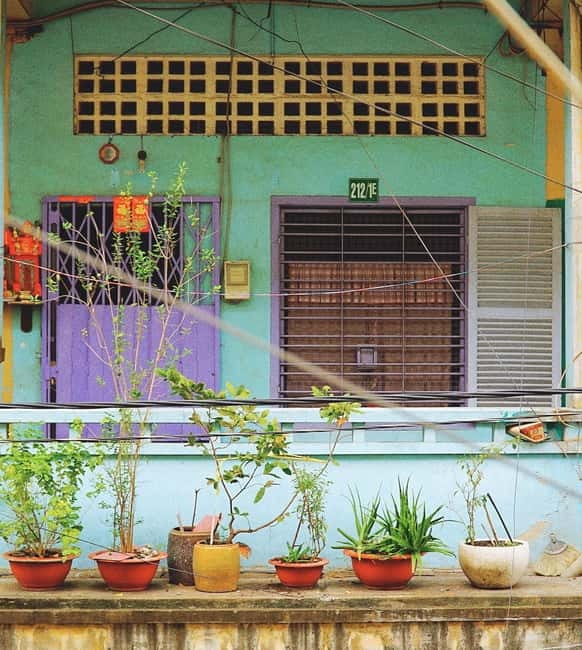
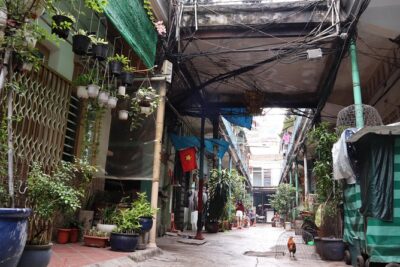
If Ho Chi Minh City already feels like a blur of motorbikes and big landmarks, Xom Cai is the place where your brain gets a breather. This tour focuses on the residential side of Saigon—the narrow lanes, the older apartment blocks, and the routine stuff locals do every day. That’s the value: you’re not collecting sights. You’re getting context.
I like how the tour nudges you to slow down. Instead of racing through photos, you’ll walk through the kind of streets where daily life spills onto the edge of the sidewalk—conversations, quick errands, and small food stops. It’s the kind of place where you can look up and actually understand how the neighborhood works.
The big payoff is the contrast. You’ll start in the thick of everyday movement, then you’ll end at Van Phat Pagoda, a calmer Buddhist space that feels worlds away from the traffic noise outside.
You can also read our reviews of more walking tours in Ho Chi Minh City



Meeting at Nhà hát Thành phố Hồ Chí Minh and your first hour on foot

The tour begins at Nhà hát Thành phố Hồ Chí Minh (City Theater). It’s a convenient landmark to orient around, especially if you’re already using the city center as your base.
During the first hour, expect a “get your bearings” period: photo stops, sightseeing, and walking through the smaller lanes that most visitors never bother to enter. This part matters more than it sounds. If you rush past the alley system at the start, the rest of the neighborhood won’t make sense. But with time to move slowly, you start noticing patterns—where foot traffic naturally gathers, how apartments sit along lane edges, and where people pause.
Practical note: the route includes narrow alleys, so you’ll want comfortable shoes. If you’re carrying a bag that swings or a camera strap that tangles easily, tame it early. You’ll move through tight space where quick stops happen.
Step inside apartment life: the “how people live here” moment
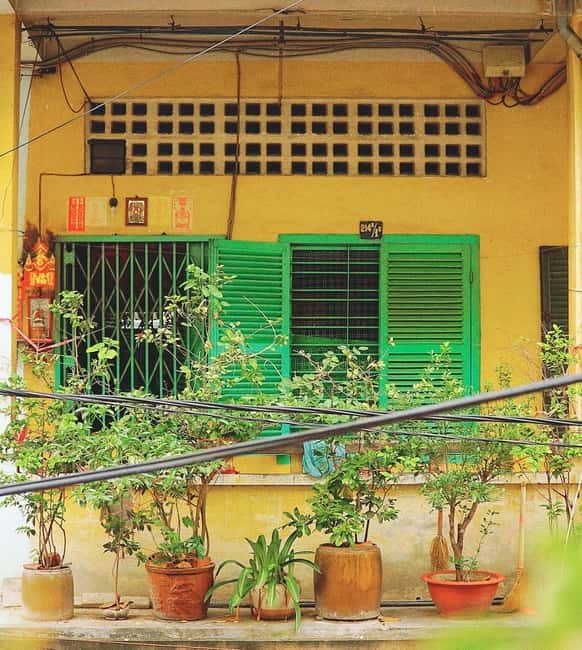
A major reason this tour feels different is that you don’t just look at buildings—you’re guided into the living rhythm of the neighborhood. You’ll visit an authentic local apartment building where multiple generations live side by side. Your guide will point out shared spaces and explain how day-to-day urban life functions beyond the modern high-rises that dominate the skyline.
This is where the tour becomes more than walking. It turns into orientation. You’ll start to understand why certain streets work as community connectors and why the apartment blocks feel like social units, not just housing.
I also like that the guide uses everyday examples to explain routines and shared areas. That’s what makes it easier to picture a place you’re only seeing for a short time. You’ll leave with clearer mental maps—what’s private, what’s shared, and where neighbors naturally cross paths.
Ha Cao dumplings, passion fruit juice, and the Chinese influence in Saigon
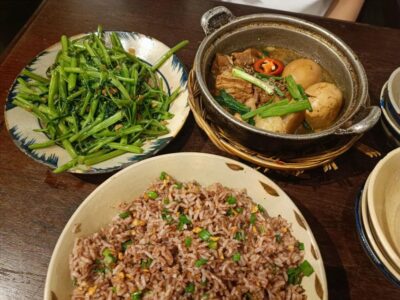
Food is a big part of why Xom Cai works as a tour theme. You’ll stop at a family-run spot for Ha Cao, the Chinese-style dumplings that locals in this area love.
Why I think this matters: it connects culture to something you can taste. Your guide talks about Chinese heritage’s influence on Saigon’s food culture, and why these simple dishes stay popular. You’re not just munching. You’re learning the reason people keep ordering and sharing them.
In at least one guide experience, the snack stop included not only dumplings but also passion fruit juice—exactly the kind of local pairing that feels normal here. If you’re the type who likes food history but doesn’t want lectures, this stop hits the sweet spot: it’s small, friendly, and directly tied to the neighborhood you’re walking through.
Pro tip for enjoying this part: go in ready to try. The tour gives you tastings, so you shouldn’t treat each bite like a full meal plan. This is for sampling and learning the flavors locals actually rely on during day-to-day life.
Hoa Binh Market: shopping rhythm, street snack culture, and what you’ll notice
After the snack moment, the tour continues to Hoa Binh Market, one of Saigon’s most authentic local markets. This isn’t presented as a showroom. It’s a working market where locals shop for fresh food, household goods, and street snacks.
Here’s what you should watch for: the pace. Markets like this move in layers—quick purchases, short conversations, and repeat routines. You’ll notice how people come in with a plan and also react to what looks best in the moment.
Your guide will help you read the scene: what people are choosing, what areas feel more for food versus household needs, and how street snacks fit into the shopping flow. Even if you don’t buy anything, you’ll get a clearer sense of how a daily market keeps a neighborhood supplied.
One thing to consider: if you’re easily overwhelmed by crowds, market time may feel intense. The tour is designed to keep you moving and guided, but it’s still a real market with real energy. If you’re sensitive to noise or very tight spaces, prepare yourself and focus on the guided moments rather than trying to wander on your own.
You can also read our reviews of more city tours in Ho Chi Minh City





Van Phat Pagoda at the end: a quiet pause with a local spiritual angle
The tour’s finish at Van Phat Pagoda is a smart design choice. After alleys, apartment blocks, and market noise, you get a peaceful Buddhist temple that contrasts cleanly with the busy streets outside.
This stop is about more than seeing a building. You’ll learn about local religious practices and how spirituality remains part of everyday life in the city. That’s the key difference from the typical “temple photo” stop. Here, the guide frames the temple as part of routine—something locals return to, not just a one-time attraction.
I think this ending works especially well because it gives your walk emotional closure. You’re not rushing toward the next thing. You’re slowing down, reflecting, and understanding the neighborhood from another angle: the spiritual one.
When you visit, keep your voice low and your camera use respectful. Even if the crowds feel lighter here, it’s still a place of worship—act like you’re part of the neighborhood, not just watching it.
Price and value: is $30 worth a 3-hour Xom Cai walk?
At $30 per person for 3 hours, this tour is priced like a serious local-guided experience rather than a quick marketing loop. You’re paying for a live English guide, time in residential spaces, a market visit, and snack tastings built into the route.
Value comes from the structure:
- You get multiple stops tied to one theme: local life, not random sights.
- You’re not left to interpret everything alone—the guide helps you understand what you’re seeing.
- Snack tastings reduce the need to plan extra food stops during your walk.
It’s not an all-day tour, so it won’t replace larger landmark days. But for people who want something different from the main tourist circuit, it’s a solid “Saigon but human” option. If you like guided walking tours that teach you how a place functions in real life, this price feels fair.
Private group availability also matters. If you’re traveling with friends or prefer more conversation time (instead of waiting for a group to shuffle), a private setup can make the same 3-hour route feel more relaxed.
Weather, walking comfort, and how to make the day easier
The tour is built on walking through narrow alleys, so your comfort setup affects everything. Bring comfortable shoes first—no debate. Also pack a hat and sunscreen for sun protection. Even in a shorter tour, that kind of heat adds up.
Rain is the wildcard. One guide situation included getting taxis when it was pouring, which tells you the operators pay attention to keeping the experience workable when weather changes. Still, you should assume the route involves outdoors time and narrow lanes, so be ready with a rain layer and a plan for slippery surfaces.
Another comfort tip: travel light. You’ll move at street speed. If you bring a huge bag, it becomes a hassle during turns, photo stops, and inside-building moments.
Should you book the Xom Cai Hidden Local Life Walking Tour?

I’d book it if you want Ho Chi Minh City from the inside—apartment life, a real market, and a temple that feels calm instead of commercial. This is a great fit for food lovers who like learning the “why” behind snacks, and for travelers who don’t want every day to revolve around the same big landmarks.
Skip it if you’re looking for a high-speed checklist of famous monuments, or if walking in tight alleyways would be uncomfortable for you. Also, if you hate markets, even guided ones, you might find the market portion too intense.
If your goal is a short but meaningful local slice of Saigon, this tour checks the boxes. You’ll come away with a more human understanding of the city—not just photos.
FAQ
What is the duration of the Xom Cai Hidden Local Life Walking Tour?
The tour lasts 3 hours.
How much does the tour cost?
It costs $30 per person.
Where does the tour start?
The meeting point is Nhà hát Thành phố Hồ Chí Minh.
What language is the guide?
The live tour guide speaks English.
What’s included in the price?
The tour includes a local guide, a walking tour, and tastings of local snacks.
What food and drinks are part of the experience?
The tour includes tastings of local snacks, including Ha Cao (Chinese-style dumplings). Passion fruit juice was mentioned in one guide experience.
Do I need to pay for transportation to the meeting point?
Transportation to and from the meeting point is not included.
Is the tour mostly walking?
Yes. The tour involves walking through narrow alleys, so comfortable shoes are important.
Can I book a private group?
Yes, a private group is available.
What if my plans change?
Free cancellation is available up to 24 hours in advance for a full refund, and you can reserve now and pay later.