REVIEW · HO CHI MINH CITY
Ho Chi Minh City: Vietnamese Specialty Coffee Journey
Book on GetYourGuide →Operated by iO Coffee · Bookable on GetYourGuide
Coffee here is hands-on, not just sipped. I love that you get practical with green bean processing and then roast/taste through different levels, so you leave understanding flavors, not just memorizing steps. I also love the payoff: you brew Vietnamese Phin coffee yourself. The main catch is the format is active—expect to get involved and move at a steady pace for a 2-hour session.
This class follows the SCA Introduction to Coffee approach, but it stays very practical. You’ll work through real processes like separating good from defective green beans, then compare outcomes through cupping and a guided tasting with roast differences.
One more note: if your idea of coffee time is slow sipping with zero involvement, this workshop-style session may feel a bit structured.
In This Review
- Key takeaways before you go
- From Green Cherries to Your Cup: What the SCA Program Really Covers
- Welcome Drink to Final Cup: How the Timing Works in 2 Hours
- The Processing Workshop: Cherry Structure, Three Methods, and Bean Selection
- Roasting Lab: Hands-On Roasting and Comparing 3 Levels
- Cupping and Tasting: Train Your Senses Across Roast Differences
- Vietnamese Phin Brewing: The Technique and History Behind the Cup
- What Makes This Experience Worth It in HCMC
- Practical Notes for iO Coffee Phu My Hung (A 205, M7 Midtown)
- Who Should Book This Coffee Journey
- Should You Book? My Straight Advice
- FAQ
- How long is the Vietnamese Specialty Coffee Journey?
- Where is the meeting point?
- How much does it cost?
- What drinks are included?
- Is the class hands-on?
- Can I brew Vietnamese Phin coffee myself?
- Do we taste different roast levels?
- What languages are available for the instructor?
- Is free cancellation available?
- Is there a reserve and pay later option?
Key takeaways before you go
- SCA Introduction to Coffee structure that connects farm steps to what shows up in your cup
- Green bean processing practice, including spotting low-quality beans and selecting green beans yourself
- Hands-on roasting with 3 roasting levels so you can taste how roast changes flavor
- Cupping + tasting that trains your senses to notice differences across roasts
- Vietnamese Phin brewing practice, including the history behind the method and brewing a cup yourself
From Green Cherries to Your Cup: What the SCA Program Really Covers
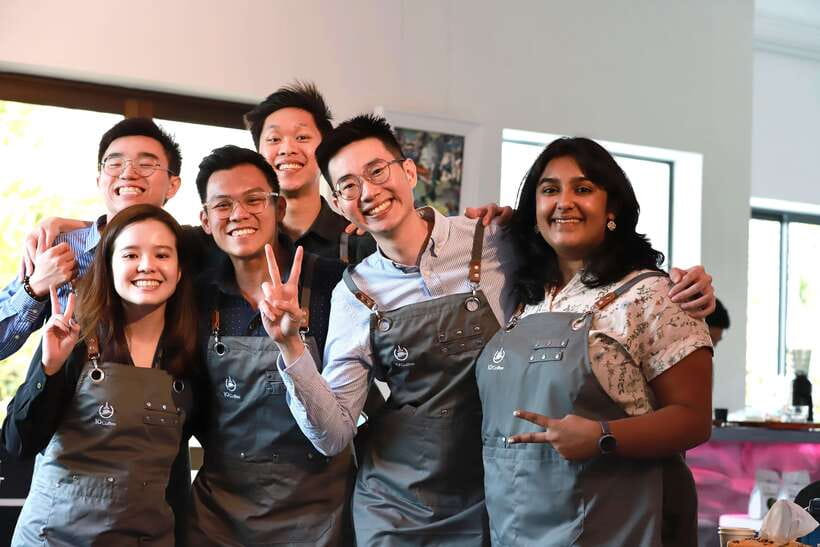
If you’re curious about Vietnamese specialty coffee, this is a smart way to get answers fast. Instead of only tasting, you’ll learn the chain of decisions that affects flavor: bean quality, processing method, roast level, and extraction.
This is the SCA Introduction to Coffee program style of learning. That means you’re not just watching someone else do everything. You’ll handle steps yourself, and the tasting sessions are built to make the cause-and-effect obvious. You start with coffee’s raw material and work forward until you’re brewing Vietnamese Phin at the end.
You’ll also focus on Vietnamese coffee culture through the lens of actual technique—especially robusta, since the program ties the final cup to Vietnam’s Fine Robusta coffee beans. Even if you’ve had Vietnamese coffee before, that’s a useful shift from habit to understanding.
You can also read our reviews of more city tours in Ho Chi Minh City

Welcome Drink to Final Cup: How the Timing Works in 2 Hours
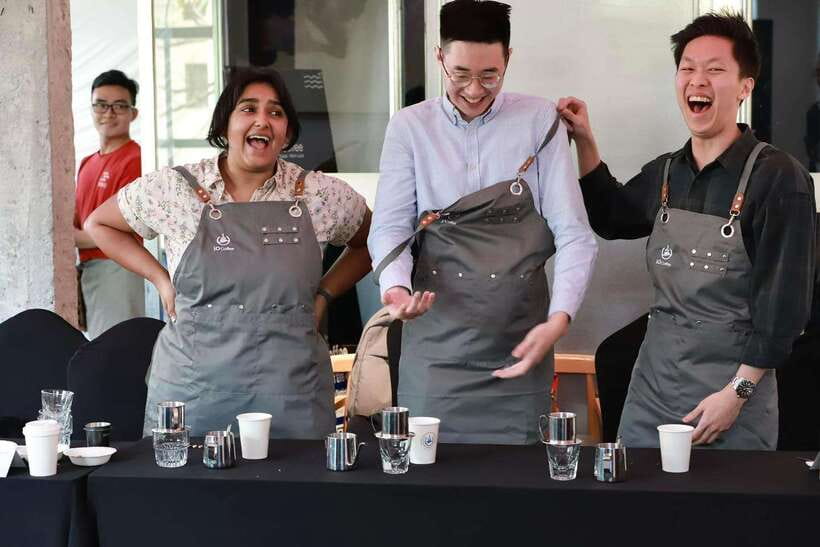
You’re in class for 2 hours, and the schedule is designed so you don’t spend all your time standing still. Expect a rhythm of short teaching moments, then hands-on tasks, then sensory testing.
The experience includes two beverages: a welcome drink first, then a Vietnamese Phin coffee at the end—plus multiple tasting moments during cupping. That pacing matters. Coffee learning sticks when you can taste right after each step.
English and Vietnamese instruction are available, so you can ask questions at the speed you need. If you’re the type who likes to clarify small details on the spot, this format tends to work well.
The Processing Workshop: Cherry Structure, Three Methods, and Bean Selection
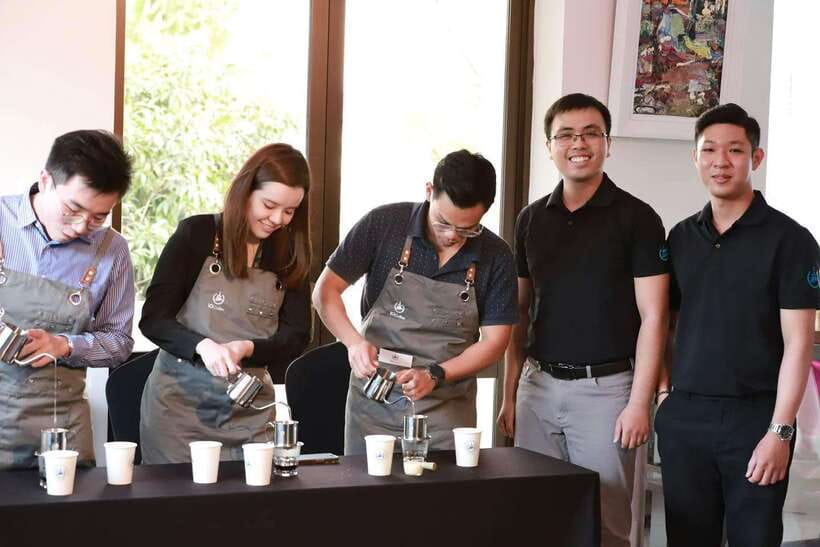
The most interesting part for me is that you start at the “before roasting” stage, where a lot of coffee flavor groundwork gets laid. You’ll get hands-on experience in coffee processing, including farming-related basics like harvesting and cherry selection.
Here’s what you can expect in the processing section:
- You’ll learn how ripe coffee cherries are chosen, and you’ll get to explore the structure of ripe cherries.
- There’s a small-scale demonstration of three different coffee processing methods, which helps you see why the same coffee plant can taste different depending on how it’s handled afterward.
- You’ll distinguish low-quality coffee and then select green beans yourself, removing defective ones.
That last bit is surprisingly satisfying. It’s also a real-world skill. In everyday coffee, we often skip the “quality control” stage and jump straight to brewing. This workshop makes you practice the stage that can ruin a cup even if your brewing method is great.
One practical consideration: if you dislike hands-on work, this section will feel like doing chores. But if you like learning by doing, this is where the class earns its price.
Roasting Lab: Hands-On Roasting and Comparing 3 Levels
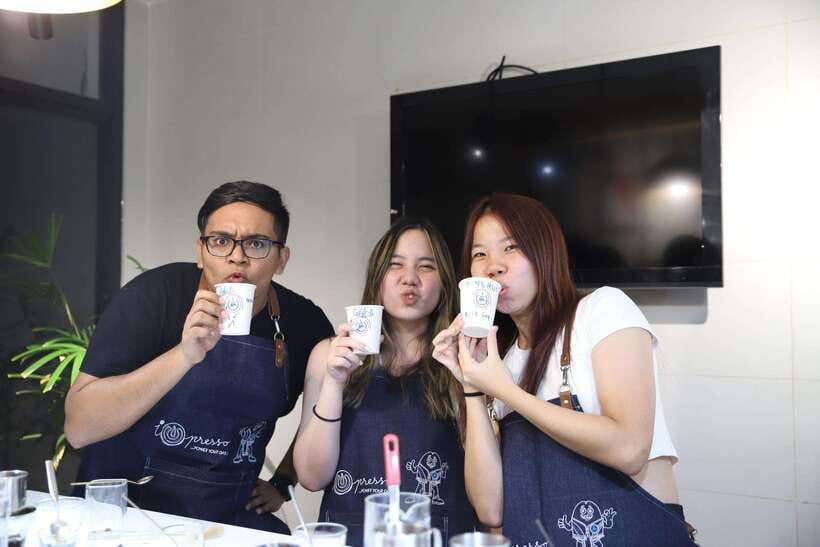
After processing, you move into roasting, where you can finally connect what you’re tasting with the choices behind it. You’ll experience hands-on coffee roasting and explore 3 roasting levels.
What makes this useful isn’t the roast label itself. It’s the way you can compare flavor outcomes across levels during tasting. You learn what changes when roast goes lighter versus darker, and you’ll start to recognize how roast can shift acidity, sweetness, and body (even if you’re not using lab jargon).
This part also trains your instincts. By the time you hit cupping, you’re not only tasting—you’re comparing. That’s how you build personal preferences without guessing.
If you’re hoping for deep technical roasting theory, you might find the session more practical than academic. Still, you’ll leave knowing how to think about roasting as a tool, not a mystery.
Cupping and Tasting: Train Your Senses Across Roast Differences
Cupping is where the class turns from active work into a real tasting skill. You’ll engage your senses in a multi-sensory tasting experience and taste coffee with different roast levels.
This matters because cupping isn’t about finding a single “best” cup. It’s about developing a mental map of what roast and processing differences taste like. Once your brain starts recognizing patterns, you’ll enjoy other coffee tastings more, even outside this class.
You’ll also taste flavors directly linked to the roast comparisons done during the roasting session. In other words, you don’t just get taught terms—you get guided tasting practice.
If you’ve ever had trouble describing why two coffees taste different, cupping sessions like this help you stop relying on vague impressions. Even if you don’t become a coffee judge overnight, you’ll walk away with better language and better instincts.
You can also read our reviews of more tours and experiences in Ho Chi Minh City


Vietnamese Phin Brewing: The Technique and History Behind the Cup
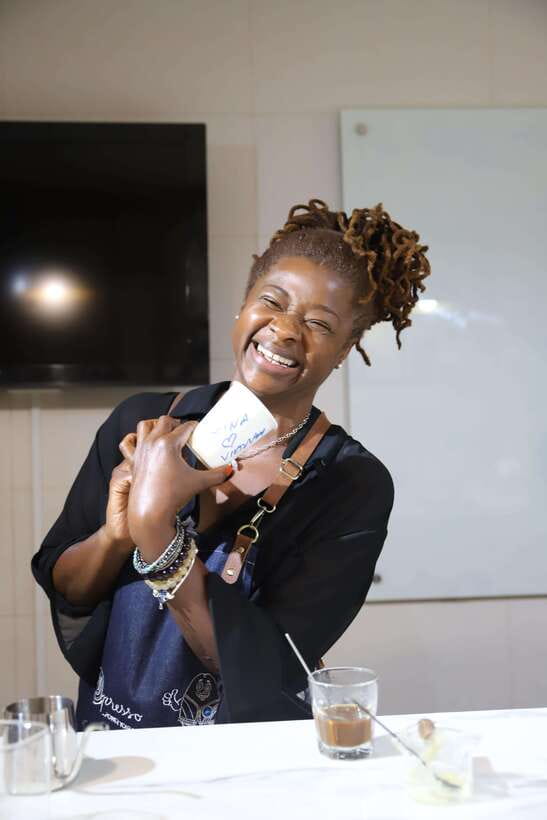
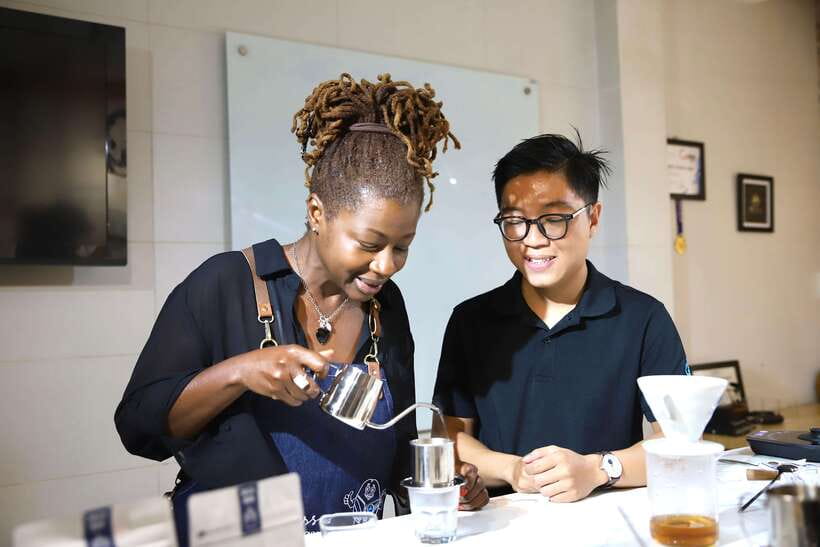
The finale is Vietnamese Phin coffee brewing, and it’s the part most people remember because it’s practical and repeatable at home.
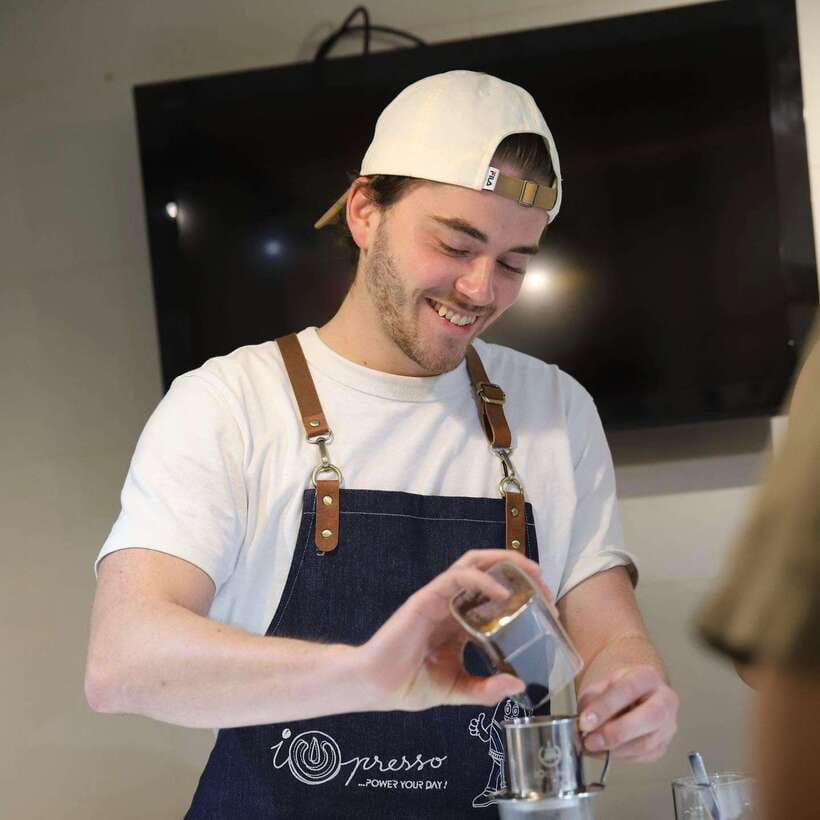
You’ll learn the history of traditional Vietnamese Phin coffee, then you’ll brew an authentic cup yourself. You’re working through technique, extraction, and timing—exactly the steps that make the Phin method taste distinct from other brewing styles.
A Phin isn’t complicated in the “anyone can do it” way. It’s complicated in the “small technique choices change the cup” way. That’s why having guided instruction is valuable. You can absolutely mess it up. You can also learn how to brew it well enough that it tastes like the Vietnamese coffee you’ve been looking for.
The program also connects the final cup to Vietnam’s Fine Robusta, which helps you understand why Vietnamese coffee has its own signature character. If you’ve only experienced Vietnamese coffee as a sweet treat, the end of this class is a good reality check: the bean and extraction technique matter.
What Makes This Experience Worth It in HCMC
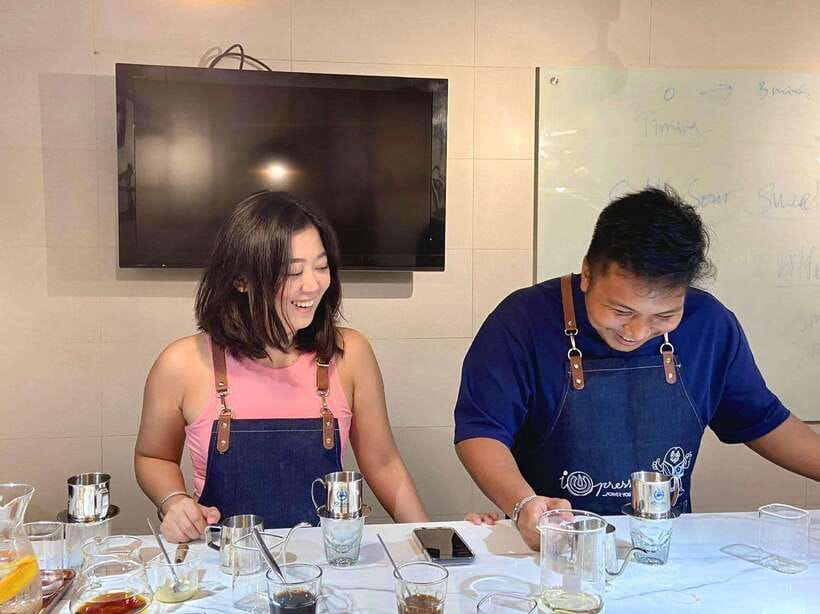
At $20 per person for a 2-hour specialty coffee journey, the value comes from how much you actually do. You’re not just tasting one drink. You’re involved in multiple stages: processing, roasting, and brewing. Plus, the experience includes a welcome drink and your final Phin cup.
This isn’t the kind of activity where you pay for a seat and watch someone else work. You pay for hands-on practice plus guided tasting so your work turns into learning, not just noise.
It also feels like you’re getting a focused “from farm to cup” path without needing a full-day trip. If your schedule in Ho Chi Minh City is tight, that matters.
For a different type of coffee experience—say, a casual café hang where you only drink—you might spend less. But you won’t get the same sense of why the cup tastes like it does.
Practical Notes for iO Coffee Phu My Hung (A 205, M7 Midtown)
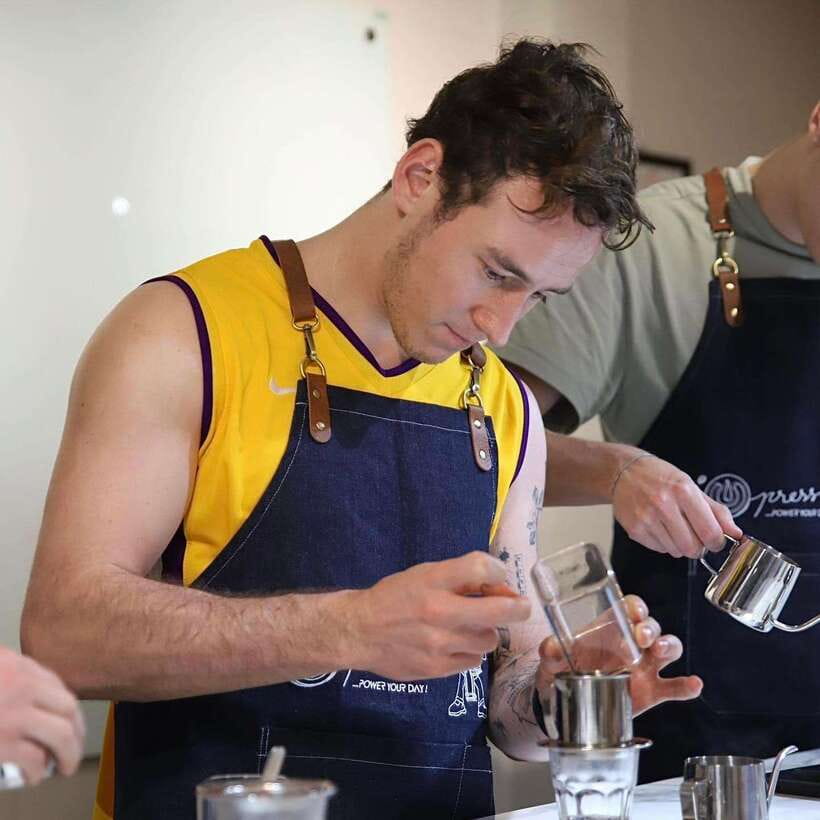
Your meeting point is iO Coffee Phu My Hung: A 205, M7 Midtown. Aim to arrive a bit early so you can settle in and start on time.
Also plan your expectations around the workshop format:
- Wear clothes you don’t mind getting coffee-related aromas on.
- Bring a curious attitude. You’ll be asked to participate in selection and process steps.
- If you only speak one language, don’t panic. The instructor supports both English and Vietnamese, so you can follow along and ask questions.
Because the class includes active processing tasks, it’s not the best choice if you’re trying to dress up for another event right afterward.
Who Should Book This Coffee Journey
I’d recommend this class if you fall into one of these groups:
- You love specialty coffee and want to connect brewing to earlier steps.
- You’re interested in Vietnamese coffee culture, especially Phin coffee and robusta flavors.
- You learn best through hands-on practice and tasting comparisons.
- You want a short, structured experience in Ho Chi Minh City that teaches practical skills.
I’d think twice if:
- You want a mostly passive experience with zero participation.
- You’re looking for a long, full-day farm-style tour. This is a workshop that teaches the chain of steps, not an all-day rural excursion.
Should You Book? My Straight Advice
Book it if you want real coffee literacy. This is one of those experiences where the final cup isn’t a souvenir—it’s a skill you can repeat.
The price works because you’re doing multiple parts of the specialty coffee process inside one session: processing, roasting, cupping, and brewing Phin coffee. And the learning tone tends to be friendly and high-energy, which matters when you’re doing sensory tasting and hand-on tasks.
If you’re on the fence, ask yourself a quick question: do you want to understand coffee, or just drink coffee? If you want to understand, this class is a strong yes.
FAQ
How long is the Vietnamese Specialty Coffee Journey?
The experience lasts 2 hours.
Where is the meeting point?
Meet at iO Coffee Phu My Hung: A 205, M7 Midtown.
How much does it cost?
The price is $20 per person.
What drinks are included?
You get a welcome drink and you brew and drink Vietnamese Phin coffee.
Is the class hands-on?
Yes. You’ll do hands-on activities related to green bean processing, roasting, and the brewing/extraction process for Phin coffee.
Can I brew Vietnamese Phin coffee myself?
Yes. The experience includes the opportunity for you to brew a cup of Phin coffee.
Do we taste different roast levels?
Yes. You’ll taste coffee across 3 roasting levels during the tasting/cupping sessions.
What languages are available for the instructor?
The instructor teaches in English and Vietnamese.
Is free cancellation available?
Yes. You can cancel up to 24 hours in advance for a full refund.
Is there a reserve and pay later option?
Yes. You can reserve now & pay later and book your spot without paying today.