REVIEW · HO CHI MINH CITY
Ho Chi Minh City Sightseeing Private Tour By U.S Army Jeep
Book on Viator →Operated by Vietnam - Ho Chi Minh City Package Tours · Bookable on Viator
A Jeep tour cuts through Saigon fast. This private Ho Chi Minh City ride uses a classic U.S. Army Jeep feel, paired with an English-speaking local guide and a flexible route that can be tuned to your interests. You’re not just checking boxes; you’re getting quick context as you move through neighborhoods that still feel very much like daily life.
Two big things I like about this experience are the comfort and speed of the jeep in heavy traffic, and the way the itinerary mixes “must-see” landmarks with smaller, story-driven stops. For example, you can pair museum time with viewpoints, temples, and local markets without it turning into a slow slog.
One consideration: several top sights have separate entrance fees (and the War Remnants Museum and Independence Palace cost extra). So if you want to keep spending tight, plan for those add-ons and budget a little for them.
In This Review
- Key Things To Know Before You Go
- A Classic U.S. Army Jeep, Built for Saigon Traffic
- Price and Value: What You’re Really Paying For
- Your Half-Day Route: What Each Stop Gives You
- War Remnants Museum: Powerful, Focused, and Worth the Time
- Thich Quang Duc Monument: A Quiet Pause With Meaning
- Independence Palace: The Landmark That Changed the Story
- Secret Weapons Cellar: Under a Café, Inside a Wartime Story
- Nguyen Thien Thuat Apartment Buildings: Architecture With a Past
- Saigon Central Post Office: A Photo Stop With Real Utility
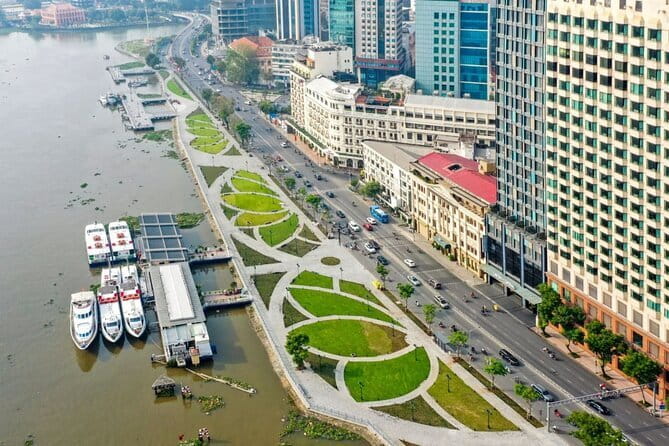
- Cau Ba Son: A Skyline View Without the Big Detour
- Ho Thi Ky Flower Market: Color, Smells, and Optional Street Food
- Bùi Viện Street (Evening Tours): Night Energy and Street Scenes
- Saigon Opera House Area: French Colonial Architecture in the City Center
- Ban Co Market: Everyday Life in Motion
- Chua Van Phat (Temple of Ten Thousand Buddhas): Chinatown Details and Quiet Focus
- How the Jeep Tour Feel Changes the Whole Day
- What to Do If You Want This Tour to Fit You
- Should You Book This Jeep Tour?
- FAQ
- How long is the Ho Chi Minh City sightseeing private tour?
- Is this tour private or shared with other people?
- Do I get hotel pickup and drop-off?
- What’s included in the price?
- Which entrance fees are not included?
- Is there an evening option?
- Is the itinerary flexible?
- Do I need to bring tickets or can I use my phone?
- Is free cancellation available?
Key Things To Know Before You Go

- Classic U.S. Army Jeep transport: Great for short, frequent hops across town.
- Private, flexible itinerary: Your route can be adjusted to what you care about.
- English-speaking local guide: Useful for understanding what you’re seeing, fast.
- Balance of heavy history and everyday Saigon: Museums plus markets and streets.
- Evening option for Bùi Viện: Party street energy and street-food stops when timed right.
- Separate tickets for key attractions: The War museum and Independence Palace aren’t included.
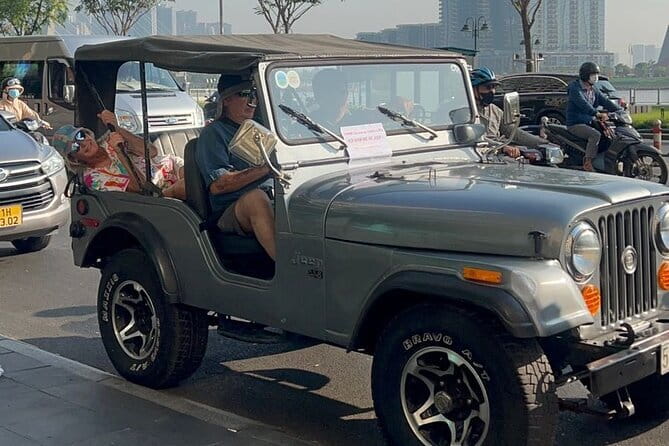
A Classic U.S. Army Jeep, Built for Saigon Traffic
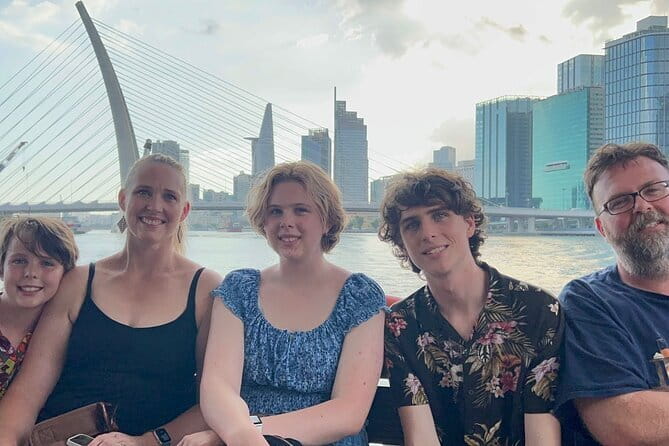
Ho Chi Minh City can be chaotic in the best way, but it still wears you out. This tour’s main advantage is simple: you’re traveling by private jeep, not weaving between multiple public-transport legs or waiting around for a small-group scramble.
The jeep also changes how you experience the city. Instead of stopping, walking, stopping, you get a rhythm of short drives paired with focused viewing. That matters when your total time is about 4 hours. In that window, you want enough movement to see many areas, but not so much that you’re exhausted before the best parts.
You’ll also appreciate the private setup. Only your group goes with the guide and driver, and hotel pickup/drop-off is handled for districts 1, 3, and 4. That keeps the day from turning into a scavenger hunt at meeting points.
You can also read our reviews of more city tours in Ho Chi Minh City

Price and Value: What You’re Really Paying For
At $98.74 per person, this isn’t a “budget bus tour.” But value comes from what’s bundled: private jeep with driver, an English-speaking local guide, pickup and drop-off in central districts, and government tax. You’re paying to save time and get context, not just transportation.
Two cost items sit outside the base price. Entrance tickets for the War Remnants Museum and Independence Palace are extra, and a water bus ride—if added to your route—has its own fee. Tips and any New Year holiday surcharge are also extra.
So the smart way to judge value is this: if you’re interested in the war-history anchors plus a mix of neighborhoods, this tour’s set-up tends to work out better than paying for separate taxis plus trying to coordinate museum hours on your own. If you’d skip most paid sites and only want street scenes, a cheaper option might make more sense.
Your Half-Day Route: What Each Stop Gives You
This itinerary is designed like a fast education. You’ll see major landmarks, but also moments that explain what life looked like before, during, and after the war—plus glimpses of today’s city.
Below is what each stop tends to offer, how long you have, and how to get the most out of it.
War Remnants Museum: Powerful, Focused, and Worth the Time
The day often starts with the War Remnants Museum for a reason: it sets the frame for everything else you’ll see. Expect powerful exhibits with photographs and artifacts that connect the war’s impact to real people and real consequences.
Time on this stop is about 30 minutes, and admission isn’t included. That’s a tight window for such a heavy site. If you’re the type who likes to read every caption, you may feel rushed. If you’re comfortable skimming key panels and focusing on the sections your guide points out, you’ll still leave with a clear understanding.
Practical move: wear shoes you can stand in and keep your phone charged. If you want photos, pick a few areas to prioritize rather than trying to capture everything.
Thich Quang Duc Monument: A Quiet Pause With Meaning
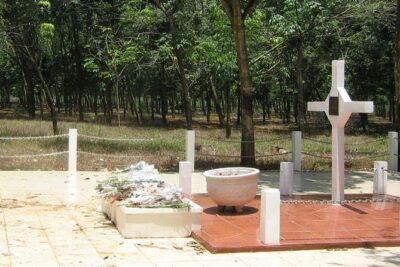
Next is the Venerable Thich Quang Duc Monument. It’s brief—about 15 minutes—and admission is free. The stop is peaceful and designed as a reflective counterpoint after the museum’s intensity.
This is the moment where the tour’s tone shifts from battlefield history to human conviction and religious identity. Even if you don’t know his story yet, the guide’s explanations can turn a quick stop into something you remember later when you see other historical landmarks.
You can also read our reviews of more private tours in Ho Chi Minh City






Independence Palace: The Landmark That Changed the Story
The Independence Palace (also known as the Reunification Convention Hall) is one of the biggest “anchor stops” in central Ho Chi Minh City. Admission isn’t included, and you’ll want to factor that into your total spend.
This stop works best when you take your time with the layout. The guide can help you connect what you’re seeing—rooms, design, and purpose—to the historical turning point the building represents. Because your overall tour time is limited, plan to look for what makes it distinct rather than trying to absorb every room like a full-day visit.
Secret Weapons Cellar: Under a Café, Inside a Wartime Story
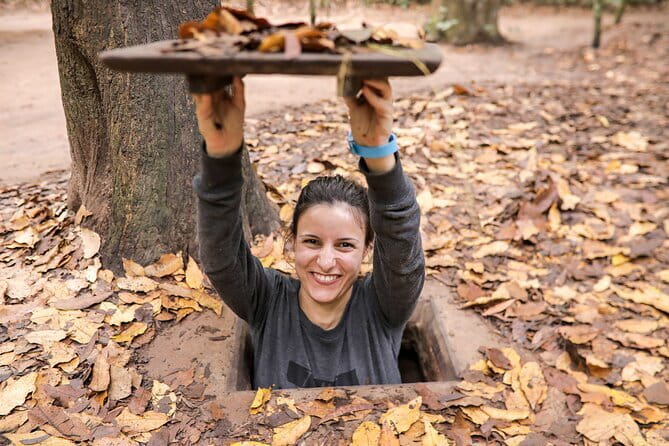
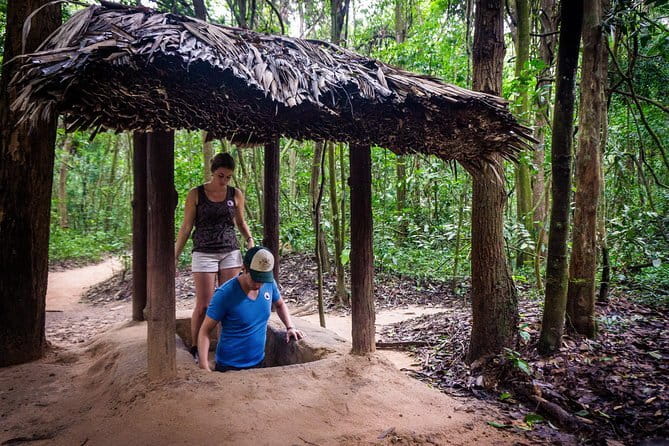
The Secret Weapons Cellar is a short stop (about 15 minutes) with free entry. The idea is simple and very memorable: beneath a small café in downtown, there’s a hidden bunker space that was used to conceal a large quantity of Vietcong weapons tied to the 1968 Tet Offensive.
What makes this stop valuable is how it changes your mental map. You stop thinking of history as far-away monuments. Instead, you see it literally under street life. It’s also a good “break” from long museum reading—more visual, more direct, and easier to digest in a half day.
Nguyen Thien Thuat Apartment Buildings: Architecture With a Past
About 15 minutes brings you to the Nguyen Thien Thuat apartment buildings in District 3. Entry is free.
These are historic American-built apartment complexes, and that fact alone makes the stop interesting. It’s a way to see how the city was shaped by outside influence and how that influence lingers in physical form. If you like architecture or want to understand the urban layer behind the headline history, this one is worth your attention.
Tip: take a few minutes to look at the overall layout before focusing on details. From a quick roadside view, it can be hard to appreciate what you’re looking at unless you get the big picture first.
Saigon Central Post Office: A Photo Stop With Real Utility
Next is the Saigon Central Post Office. The stop is about 15 minutes and free. It’s located downtown near the Saigon Notre-Dame Basilica.
This is a classic mix of old-world design and practical purpose. Even if you don’t need to mail anything, the building gives you a sense of how the city was connected to administration and communication. It also serves as a great pause during the day—easy to step in, admire details, and then keep rolling.
If you’re the kind of traveler who likes to send a postcard, this is one of those places where it feels appropriate.
Cau Ba Son: A Skyline View Without the Big Detour
Then you get Cầu Ba Son, described as a new bridge with skyline views. The time here is around 15 minutes, free.
This is a “reset” stop. After history and indoor spaces, the view helps you remember you’re still in a living city. It’s also good for perspective photos—especially if you’re curious how the city’s modern shape sits on top of older layers.
If it’s crowded or bright, you may want sunglasses ready and a quick plan for shots so you don’t waste your short time.
Ho Thi Ky Flower Market: Color, Smells, and Optional Street Food
The Ho Thi Ky Flower Market is about 30 minutes, free entry. It’s a flower and food market. If your tour timing lands in the evening, you can also taste street food here.
This is your “sensory” break in the best sense: colors, activity, and everyday commerce. It’s not a museum lesson; it’s what the city looks like when it’s buying and selling on its own terms.
If you’re sensitive to strong smells, go with patience—markets are intense by nature. Also, bring small cash or a simple plan for any snacks.
Bùi Viện Street (Evening Tours): Night Energy and Street Scenes
For evening tours, Bùi Viện Walking Street is part of the plan (about 15 minutes), free. It’s described as a party street with clubs and bars lining both sides, plus plenty of street activity.
If you want nightlife without committing to a long bar crawl, this is a smart taste. Just know that it’s loud and busy compared to the museum stops. The goal here isn’t to linger; it’s to experience the vibe, walk a short stretch, and move on.
A practical approach: decide in advance how far you want to go on foot so you don’t accidentally lose the rest of your schedule.
Saigon Opera House Area: French Colonial Architecture in the City Center
Your route also includes the Municipal Theatre of Ho Chi Minh City, also known as the Saigon Opera House. This stop is included in the itinerary, and it highlights French Colonial architecture.
Even if you don’t go inside, the exterior and setting are a strong contrast against the war-focused stops earlier. It’s one of those places where the city’s colonial-era layers show up clearly in design and scale.
If you like photography, this is a strong stop for street-level views and architecture shots in a short time.
Ban Co Market: Everyday Life in Motion
Ban Co Market is about 15 minutes, free. This one’s all about walking through a bustling local market to see fresh produce, street food, and daily commerce.
It’s a great counterbalance to the more solemn stops. Instead of thinking about what happened in history, you see how people eat, shop, and live now.
For the best experience, keep your expectations realistic. Markets are busy. You’ll move with the crowds more than you’ll browse like a calm shopping street.
Chua Van Phat (Temple of Ten Thousand Buddhas): Chinatown Details and Quiet Focus
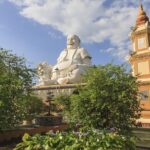
Finally, you’ll visit Chua Van Phat, the Temple of Ten Thousand Buddhas, where the tour moves into Chinatown atmosphere. This stop is about 15 minutes and free.
It’s a chance to see Chinese heritage reflected in traditional shops, temples, and local eateries. Even within a short visit, the temple area can feel like a pocket of calm compared to surrounding streets.
Practical note: temples are respectful spaces. Keep your voice down, move carefully, and follow your guide’s cues for where to stand and look.
How the Jeep Tour Feel Changes the Whole Day
The jeep format isn’t just transportation. It affects your energy, your schedule, and even what you notice.
- Short drive, short stop works well for a half day. You’re less likely to get bored, and you spend more time where the guide says the most is happening.
- Traffic becomes part of the tour, not a problem. The reviews-like feedback around the experience points to a lot of driving through real traffic conditions, which is honest. You’re seeing the city the way it actually functions.
- Comfort helps with focus. When you’re not constantly switching modes, you retain more of the story from stop to stop.
On top of that, this kind of private setup tends to make it easier for your guide to adjust pacing—speeding up when you’re eager, slowing down when you want more time at a landmark.
What to Do If You Want This Tour to Fit You
Because the itinerary is private and flexible, you’ll get the best results if you go in with a tiny game plan. Here are a few simple ways to tailor it using what’s already on the route:
- If you care most about history: prioritize War Remnants Museum and Independence Palace, and treat the shorter stops as supporting scenes.
- If you love city texture: spend extra attention on markets (Ho Thi Ky and Ban Co) and Chinatown (Chua Van Phat).
- If you’re into modern views: don’t rush Cầu Ba Son—use that short window for skyline photos and a breather.
- If you want nightlife: choose an evening timing so Bùi Viện is part of your schedule, not something you add later.
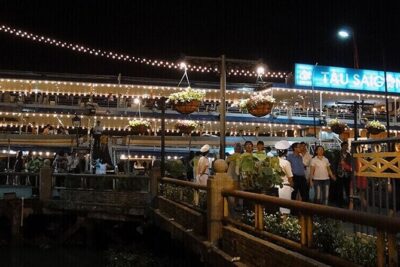
Also, if water bus rides are offered in your chosen timing, it can be a nice way to change your perspective of the Saigon River areas without adding a huge time cost (it does have a separate fee).
Should You Book This Jeep Tour?
Book it if you want a time-efficient way to see central Ho Chi Minh City with context, and you like the idea of getting around by private jeep instead of piecing together taxis and museum tickets yourself. This route makes sense as a first or second half-day, especially if you’re also visiting other major sites on your trip.
Skip or consider a different option if:
- You don’t plan to visit the paid attractions (War Remnants Museum and Independence Palace), since the added entry costs may not match your priorities.
- You prefer slower, deeper museum time. The schedule is designed for a fast overview, not a linger-all-day experience.
If your goal is smart highlights plus a few story-driven surprises in one afternoon, this is a solid pick.
FAQ
How long is the Ho Chi Minh City sightseeing private tour?
It runs about 4 hours.
Is this tour private or shared with other people?
It’s a private tour/activity, so only your group participates.
Do I get hotel pickup and drop-off?
Yes. Pickup and drop-off are offered for hotels in Districts 1, 3, and 4.
What’s included in the price?
Included are a private jeep with driver, an English-speaking local guide, hotel pickup and drop-off (Districts 1, 3, 4), a private flexible itinerary, and government tax.
Which entrance fees are not included?
War Remnants Museum (2 USD), Independence Palace (2 USD), and a water bus ride (1 USD) are not included. Tips are also not included.
Is there an evening option?
Yes. Evening tours can include Bùi Viện Walking Street for lively nightlife and street-food atmosphere.
Is the itinerary flexible?
Yes. The itinerary is private and flexible, so you can adjust it to your interests.
Do I need to bring tickets or can I use my phone?
You’ll receive a mobile ticket.
Is free cancellation available?
Yes. You can cancel for a full refund up to 24 hours in advance. Cancellation within 24 hours doesn’t get refunded.