REVIEW · HO CHI MINH CITY
Ho Chi Minh City: Can Gio – Monkey island by Motorbike
Book on GetYourGuide →Operated by VIETNAM STREET FOODS TOUR · Bookable on GetYourGuide
Mangroves, monkeys, and motorbikes in one day. What makes this Can Gio outing stand out is the long ride through Vietnam’s biggest mangrove forest and the chance to visit Monkey Island in a place tied to war-time hiding routes.
I especially like how the day mixes nature and local life: a real local-style breakfast on the way out, then the Can Gio market and beach before you head back for grilled pork vermicelli with spring rolls. One consideration: the tour runs rain or shine, and the monkeys are curious—keep your stuff zipped and secure.
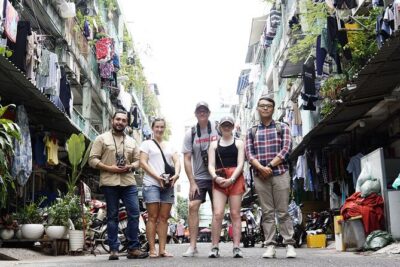
If you want a small-group day (max 10) that feels more like a private ride than a bus tour, this fits. English-speaking guides can make the route and the history click, and I saw names like Ben, Tyron, Tin, Minh, Chow, Hai, Cuong, Bao, and Long pop up in past groups—so you’re likely to get a thoughtful explanation, not just a checklist.
In This Review
- Key highlights worth your attention
- Leaving Ho Chi Minh City on a mangrove-lined motorbike road
- The ferry to Can Gio: where the day stops feeling like a commute
- Local-style breakfast on the way: small stop, big mood
- Monkey Island: monkeys, safety habits, and guerrilla history
- Can Gio market: seafood variety without overthinking it
- Can Gio beach: the payoff after the forest and the ferry
- Guerrilla base in the deep forest: a quieter kind of adventure
- Lunch or dinner on the way back: grilled pork vermicelli with spring rolls
- Price and value: why $65 can make sense here
- Who should book this Can Gio motorbike day
- Should you book this Can Gio Monkey Island motorbike tour?
- FAQ
- What time do you get picked up in Ho Chi Minh City?
- How long is the Can Gio – Monkey Island tour?
- Is there an English-speaking guide?
- What’s included in the price?
- What should I bring for the day?
- Does the tour run in bad weather?
- Is it suitable for everyone?
Key highlights worth your attention
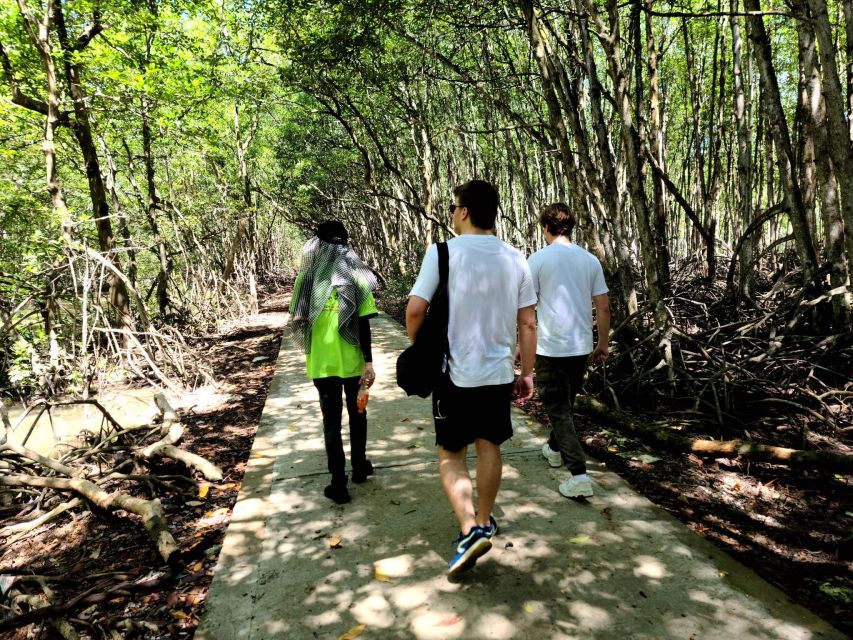
- The mangrove road out of Saigon: a rare feel-good drive where forests line both sides, not city streets.
- Monkey Island with war-time context: hundreds of monkeys, plus stories about guerrilla fighters hiding in the area.
- Local breakfast and a proper seafood market stop: you’re not just sightseeing—you’re eating and looking like a local.
- Can Gio sea and beach time: the day slows down after the ride and feels like a real coastal reset.
- Small group energy (max 10): easier pacing, fewer lost-helmet moments, more room to ask questions.
- Safety-first tour habits: open-faced helmets, an accident insurance inclusion, and guide reminders about keeping belongings away from monkeys.
Leaving Ho Chi Minh City on a mangrove-lined motorbike road
The best part starts before you even reach Can Gio. Pickup is at your hotel in Districts 1, 3, 4, or 5 around 7:30 AM, and then you roll out of Ho Chi Minh City on a motorbike with your guide.
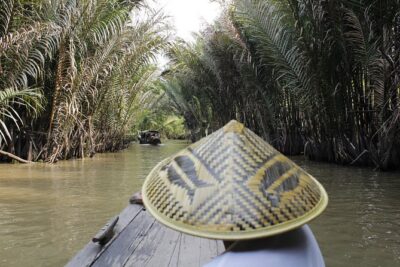
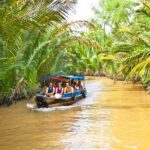
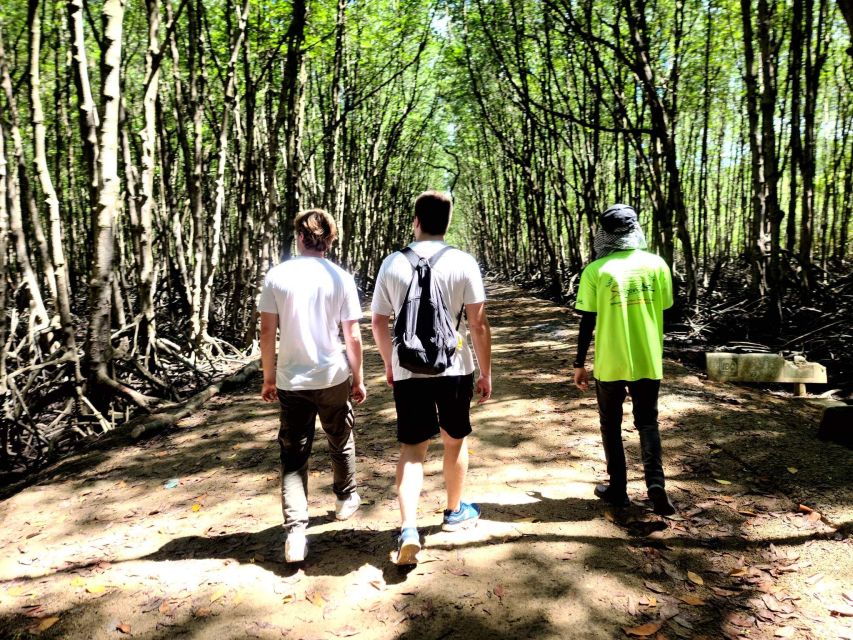
This isn’t a “ride around town” detour. You’re heading toward the edge of the city where the character changes fast. Roads start to narrow and the air shifts. The big draw here is the mangrove scenery—forests stretching along the road like you’ve stepped into a different ecosystem, not just a different neighborhood.
Motorbike travel also changes how you notice things. You feel the rhythm of the route, you can look around continuously, and you’re not stuck staring out a bus window that’s doing its best impression of tinted glass. If you’re comfortable on two wheels, this becomes a memorable day instead of a rushed transfer.
You can also read our reviews of more city tours in Ho Chi Minh City
The ferry to Can Gio: where the day stops feeling like a commute
Even if you’ve done ferries before in Vietnam, this one adds texture. You’ll travel from Saigon to Can Gio province by ferry, which is part of what makes the trip feel like an actual excursion.
Why it matters: it breaks the day into “city mode” and “mangrove mode.” When you reach Can Gio, you’re not just arriving—you’re already set into the pace. You’re mentally ready for the forest, animals, salt air, and seafood smells that come next.
If you tend to get carsick, consider that this is still generally handled by the tour’s transportation plan. The key is wearing comfortable clothes and keeping your posture relaxed on the bike once you’re back on the road.
Local-style breakfast on the way: small stop, big mood
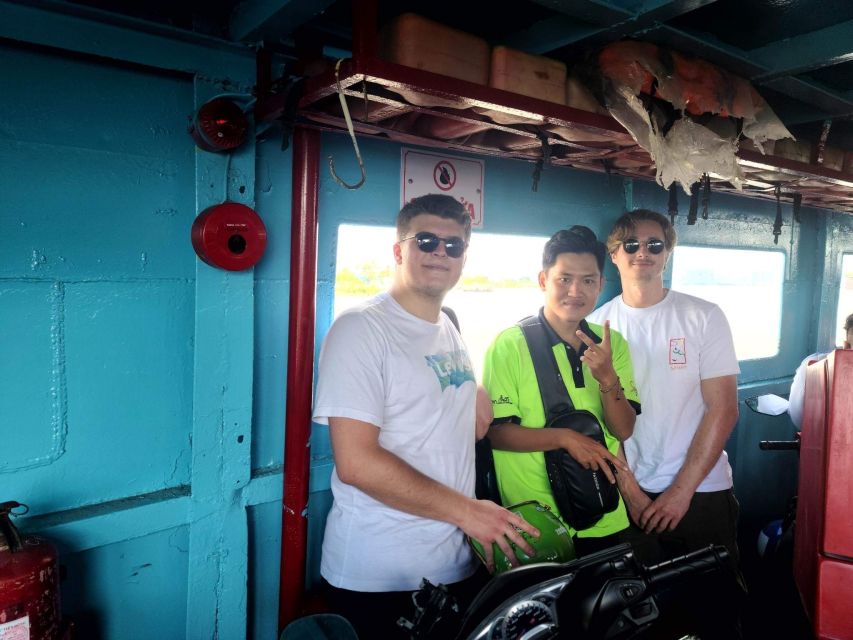
Breakfast is included and served in a local-style way on the route to Can Gio. This is one of those quietly smart inclusions. In a day trip, it’s easy to waste time or spend extra money grabbing something generic right before a big nature stop.
Getting breakfast early keeps you steady for the ride, and it also helps the day feel grounded. You’re not treating Can Gio like a theme park; you’re treating it like a real place with daily routines, markets, and coastal food culture.
Tip for your comfort: bring shoes you can walk in easily. Even if the day isn’t a hardcore trekking day, you’ll step on and off transportation and move around during stops.
Monkey Island: monkeys, safety habits, and guerrilla history
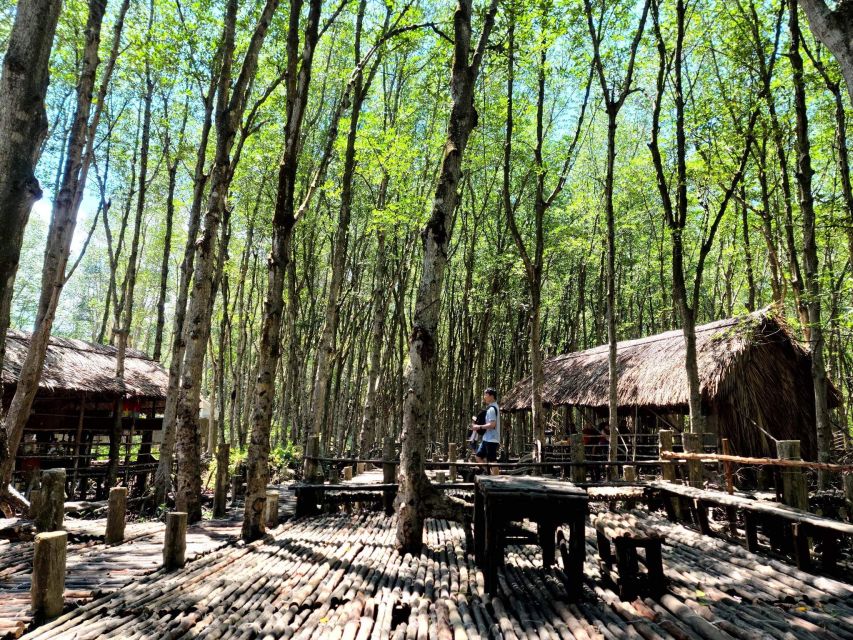
Monkey Island is the headline, but what you do there matters. The mangrove setting is naturally interesting, yet the tour adds meaning with the Vietnam War connection—this island and surrounding areas were linked to guerrilla fighters hiding in the deep forest.
So yes, you’ll see hundreds of monkeys. Expect them to be active and close enough that you feel the excitement—and also the need to be sensible. A strong point from past groups is the way guides talk about not losing your belongings. That’s not fear-mongering; it’s practical monkey logic. Secure bags, keep valuables close, and avoid handling anything right out in the open.
One review detail that’s worth taking seriously: some people bring fruit or nuts because feeding can be part of the experience. If you do that, be respectful and follow the guide’s cues. Also note that the setup for monkey feeding may be limited depending on what’s sold on-site, so plan as if the main goal is observing rather than expecting a full buffet.
What I like about the way this stop is framed: it’s not only cute animals. It’s also the human layer—how people used these mangroves as protection during the war. That mix turns a quick photo stop into something you remember.
Can Gio market: seafood variety without overthinking it
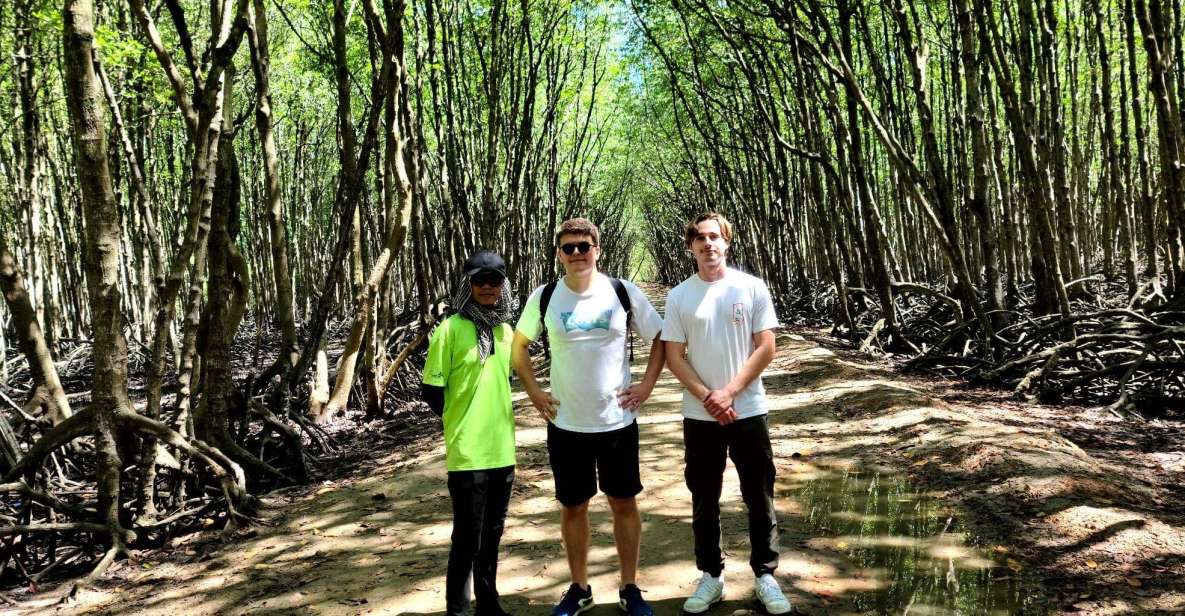
After the monkey part, the day shifts into local daily life at the Can Gio market. This is where you can browse hundreds of types of local seafood sold every day.
Market time is useful on a tour like this for a simple reason: it gives context. Mangroves create a specific coastal ecosystem, and the seafood reflects that. You’ll learn quickly why crabs and other mangrove-connected creatures are part of the local identity.
You don’t need to become a seafood expert to enjoy the stop. Even if you just walk, look, and ask questions, it helps you connect the scenery with the food you’ll eat later. This is also a calmer moment to regroup after the energy of the island.
If you’re the type who loves browsing but hates getting rushed, you’ll likely appreciate the small-group format. It’s easier to pause, ask, and move at a human pace.
Can Gio beach: the payoff after the forest and the ferry
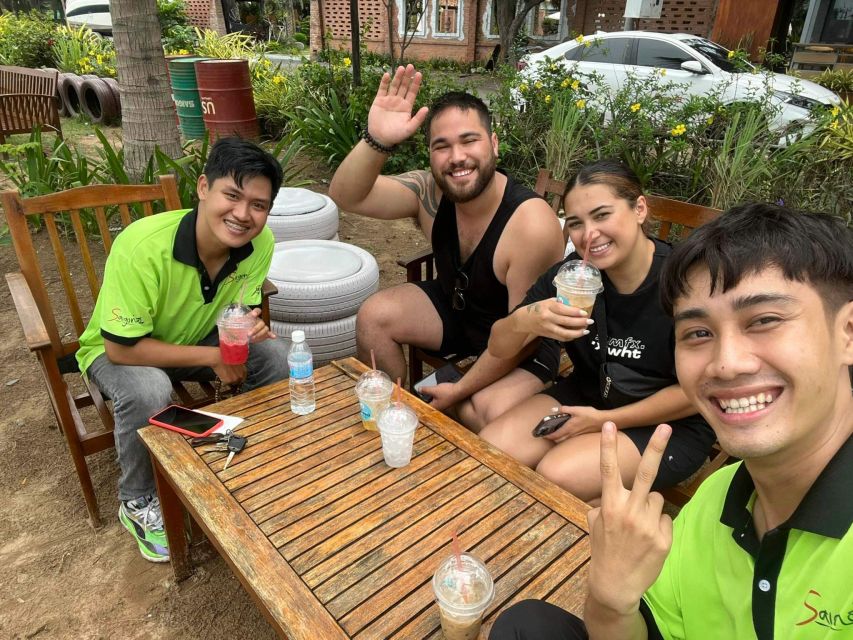
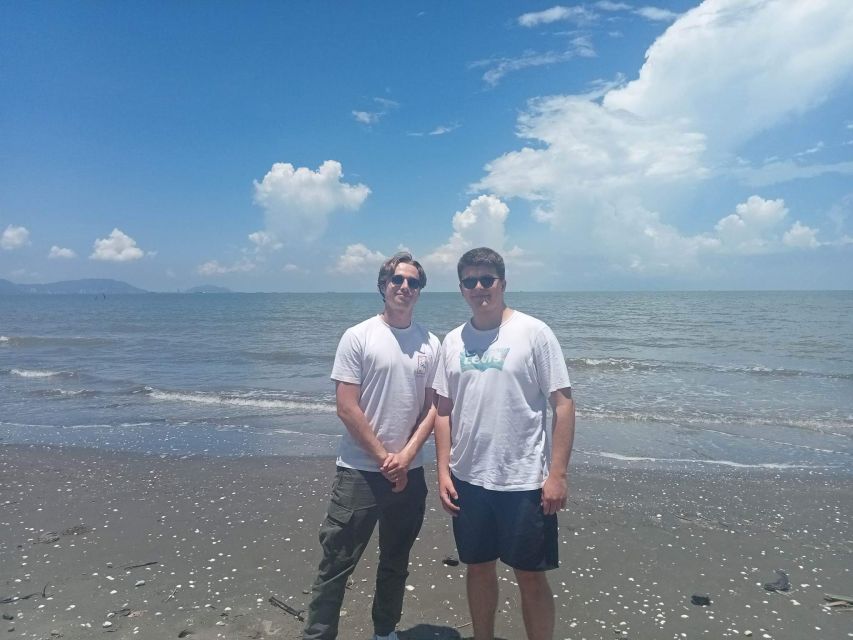
Once you’ve handled monkeys and market browsing, you go to Can Gio beach. This is where the day breathes.
After motorbike time, ferry time, and walking around in mangrove areas, the beach gives you open space and a slower rhythm. Even if you only take a short break, it changes the feel of the trip from “activity-packed” to “adventure with room to reset.”
And yes, this is also where the coastal vibe becomes real. You’re in a place known for mangrove ecosystems, wild animals, and sea-connected food. Beach time makes that connection physical instead of theoretical.
Bring sun protection if you run hot, and keep your phone secure. Wind off the water can make small items feel like they’ve become experimental kites.
Guerrilla base in the deep forest: a quieter kind of adventure
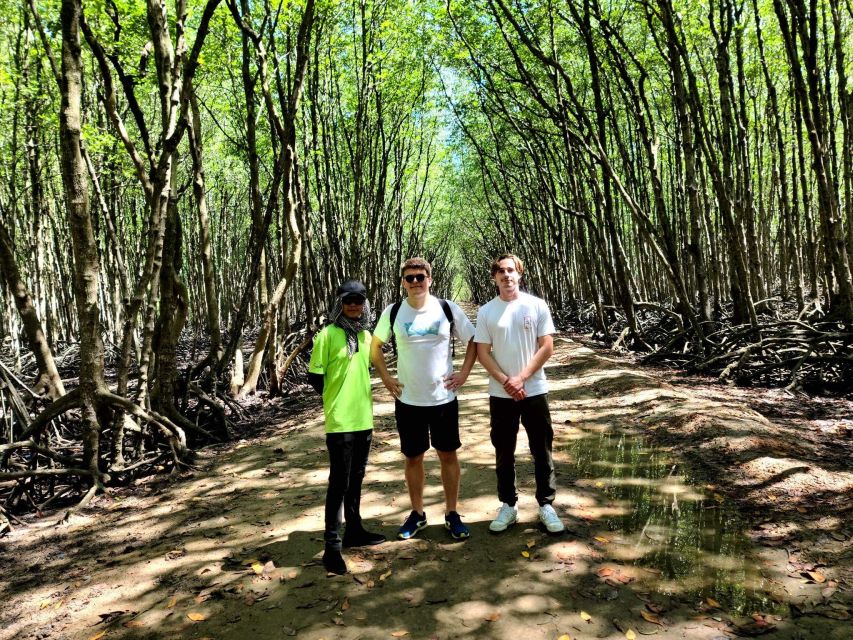
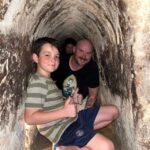
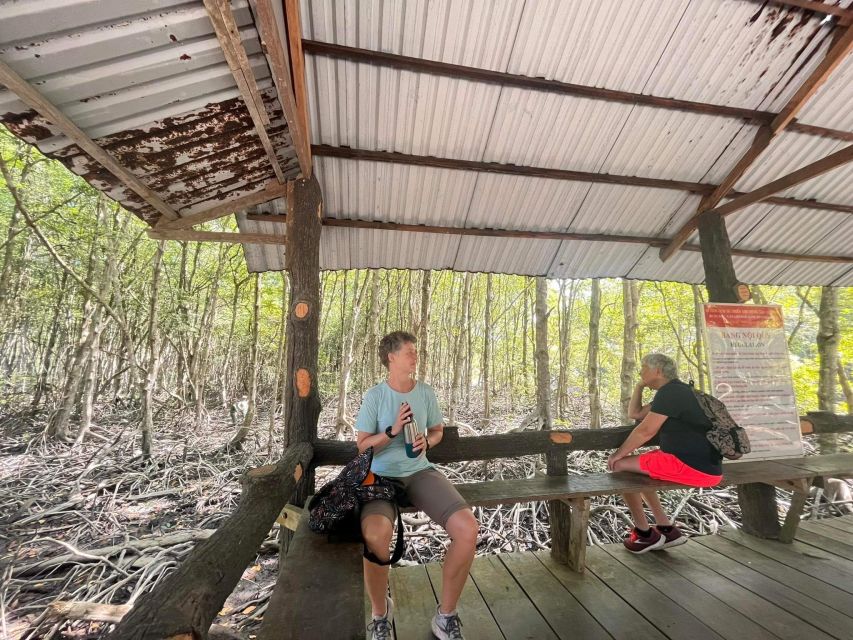
The tour also includes time to explore a guerrilla base in the deep forest. This part is different from Monkey Island. It’s less about animals right in front of you and more about the setting—how dense forest and mangrove terrain could help people hide, move, and survive.
What makes this valuable is the way it turns geography into understanding. You look at the forest and it makes more sense why it mattered. Without this kind of context, mangroves can feel like scenery. With it, they become part of the story of the region.
Practical note: the forest portion can be uneven depending on where you walk. Comfortable shoes matter here more than you’d think for a day trip.
Lunch or dinner on the way back: grilled pork vermicelli with spring rolls
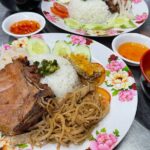
When it’s time to head back to Ho Chi Minh City, you get a meal that’s built for the group day: grilled pork vermicelli with spring rolls.
This is a good “end-of-excursion” kind of meal. It’s filling without being heavy, and the spring rolls balance the plate. You also get a nice reset before your motorbike return and hotel drop-off.
If you’re vegetarian, the tour data specifically says it includes food and drinks, and one past group mentioned vegetarian accommodations happening through guide attentiveness. Still, vegetarian travelers should message ahead so you’re not stuck improvising when ordering.
Price and value: why $65 can make sense here
At $65 per person for about 7 hours, the math only works if the experience is doing more than transport. Luckily, it is.
You’re getting:
- Hotel pickup and drop-off (Districts 1, 3, 4, 5)
- Motorbike transportation
- Open-faced high-quality helmet
- All food and drinks
- A rain poncho
- English-speaking professional guiding
- Accident insurance
- A full day’s worth of stops that are not just photos (market, beach, island, forest history)
On paper, a day trip might look pricey compared with self-guided options. But here, you’re paying for route navigation, safety habits, interpretation, and the convenience of having meals and timing handled. If you value not dealing with ferry schedules, getting lost on back roads, and guessing where the best stops are, the price is easier to justify.
Also, small group size matters. Max 10 people keeps the day from feeling like crowd control.
Who should book this Can Gio motorbike day
This tour is a great fit if you:
- Enjoy motorbike travel and want a route you can’t easily recreate on your own
- Want mangrove scenery plus an animal encounter and a history stop in one day
- Prefer a small group pace with an English guide who can explain what you’re seeing
- Like eating local food as part of the outing, not as an afterthought
You might want to skip it if you:
- Are pregnant or have mobility impairments (the tour is listed as not suitable for these needs)
- Use a wheelchair (the tour is not suited for wheelchair users)
- Can’t handle rain-day plans, even with a poncho provided
Should you book this Can Gio Monkey Island motorbike tour?
I’d book it if you want one of the more authentic day experiences around Ho Chi Minh City. The mangrove ride is the hook, but the real value is how the day links nature to local food and war-era history—so you leave with more than just photos of monkeys.
I’d think twice if you’re worried about weather or you don’t like being around active animals. Go prepared, keep belongings secure, and you’ll turn a potentially chaotic animal moment into a fun, safe memory.
If your goal is a memorable day outside the city with good guidance and solid included meals, this one delivers for the money.
FAQ
What time do you get picked up in Ho Chi Minh City?
Pickup starts at about 7:30 AM from Districts 1, 3, 4, and 5.
How long is the Can Gio – Monkey Island tour?
The tour lasts about 7 hours.
Is there an English-speaking guide?
Yes, the tour includes a live tour guide in English.
What’s included in the price?
The price includes hotel pickup and drop-off (for Districts 1, 3, 4, and 5), motorbike transportation, an open-faced helmet, all food and drinks, rain ponchos, professional guides, and accident insurance.
What should I bring for the day?
Wear comfortable clothes and comfortable shoes. That’s the main thing the tour asks for.
Does the tour run in bad weather?
Yes. The tour takes place rain or shine.
Is it suitable for everyone?
The tour is not suitable for pregnant women and it’s not suitable for people with mobility impairments or wheelchair users.