REVIEW · HO CHI MINH CITY
Cu Chi Tunnels Experience – Daily Tours with Multiple Options
Book on Viator →Operated by Saigon Foody Tour · Bookable on Viator
Cu Chi tunnels are not an easy afternoon on paper. They are, however, one of those tours where the story comes alive fast, starting with the countryside ride and ending with Cu Chi tunnels you can actually crawl through. I also like that you get an English-speaking guide who keeps the facts understandable, so you’re not just watching darkness and hoping for context.
One thing to consider: there can be last-minute bus seating issues, including a call about space. Keep your phone handy on tour day and be ready to communicate quickly if you feel reassigned.
In This Review
- Key highlights at a glance
- War goes underground: what makes this Cu Chi outing work
- Getting there from Ho Chi Minh City: timing and comfort that matter
- Saigon Opera House: a quick palate cleanser before the tunnel story
- Sơn Mài Lâm Phát handicrafts: lacquer art plus a meaningful break
- The countryside ride to Cu Chi: rubber, rice, and the “why” behind tactics
- Inside the tunnels: crawling, jungle walk, and practical realities of underground life
- Cassava and tactics: the taste of survival and the reality of restraint
- The guide experience: what you should look for (and how to get it)
- Price and logistics: is $15.30 good value?
- Who this tour fits best—and who should rethink it
- Should you book Cu Chi Tunnels with this operator?
- FAQ
- How long is the Cu Chi Tunnels experience?
- Is hotel pickup offered?
- Where does the tour start?
- What stops are included?
- Are admission tickets included?
- Can I shoot weapons on the tour?
- Is there free cancellation?
Key highlights at a glance
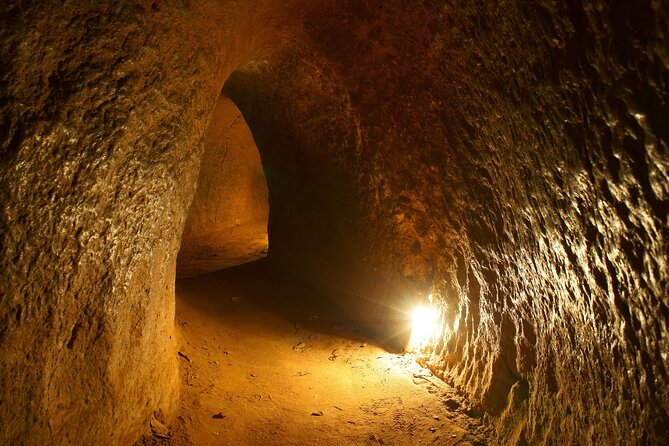
- Crawl inside original Cu Chi tunnel sections to feel the scale and pressure of underground life
- Guided history through villages, rubber plantations, and rice paddies, not just a quick highway transfer
- Jungle walk in the tunnel area, giving you a sense of how the terrain shaped guerrilla movement
- Lacquer and handicraft stop at Sơn Mài Lâm Phát (admission included) for a quieter cultural break
- Cassava/tapioca tasting, with context for what sustained fighters for years
- Weapon-shooting option is extra and 18+ only for rifles, so younger travelers can still join
War goes underground: what makes this Cu Chi outing work
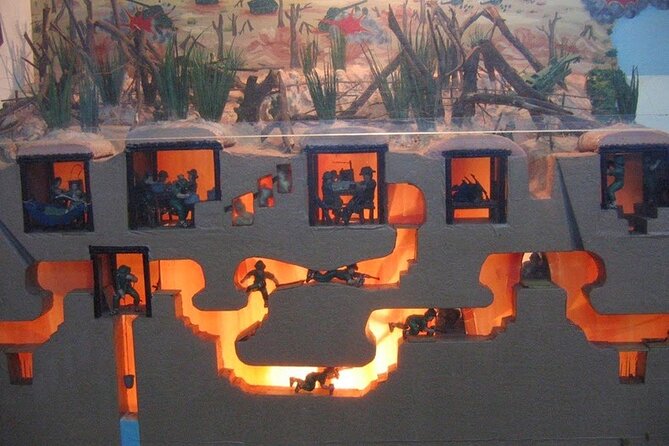
This tour hits you on two levels. First, you learn the war story the way local guides tend to explain it: through places, daily life, and choices that made survival possible. Second, you get a physical sense of what “underground warfare” means when you go low and narrow, then you move at tunnel pace instead of tourist pace.
That mix is the difference between a standard history outing and something you’ll remember later. The tunnel crawling and jungle walk help you connect the dots between terrain and tactics. And while it’s still a guided experience, the hands-on parts make it feel real rather than like a slideshow.
Also, the day is built around comfort up front. You start in a clean air-conditioned vehicle, then you step toward heat, dust, and confined spaces. It’s a good structure for a half-day trip.
You can also read our reviews of more tours and experiences in Ho Chi Minh City.

Getting there from Ho Chi Minh City: timing and comfort that matter
The tour runs about 5 hours 30 minutes. The schedule gives you roughly 1 hour 45 minutes at the Cu Chi tunnels and about 30 minutes at the handicraft stop, with the remaining time typically eaten by travel.
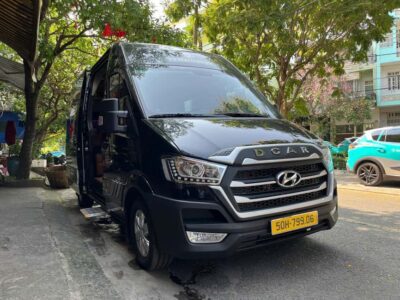
You’ll ride in an air-conditioned vehicle, and the tour includes bottled water. That sounds basic, but it’s a big deal when you’re going from city weather to rural heat and then into underground conditions where you’ll feel every bit of humidity.
Pickup is offered within District 1 in Ho Chi Minh City. If you’re not picked up, the start point is the Saigon Opera House area (07 Công trường Lam Sơn, Bến Nghé, Quận 1). At the end, you’ll be transferred back to your hotel or dropped at Ben Thanh Market, and the activity also indicates returning to the meeting point—so either way, you’re not stuck figuring out transport alone.
One more practical note: this is listed as a private tour/activity, meaning it’s arranged for your group rather than random mixing. For many people, that alone is worth it, because it keeps the pacing more predictable.
Saigon Opera House: a quick palate cleanser before the tunnel story
You start at the Saigon Opera House area, one of those architectural landmarks that makes Ho Chi Minh City feel layered—French colonial design meeting Vietnam’s modern energy. Even if you’re not there for a full performance, the setting matters. It frames your day with something elevated before you go into something brutally low and tight.
If your time feels short, that’s normal. This stop is more of a cultural reset than a deep dive. It gives you a clear beginning point, too—especially useful if you’re picked up later or you’re meeting the group at the start.
And honestly, it’s a good mental shift. You’ll go from ornate facades and grand shapes to a day defined by narrow passages.
Sơn Mài Lâm Phát handicrafts: lacquer art plus a meaningful break

Before Cu Chi tunnels, you stop at Sơn Mài Lâm Phát – Handicapped & Handicraft, with admission included for about 30 minutes.
Why this stop is more than a “gift shop break”:
- You learn the role of lacquer from Vietnamese lacquer trees, including how lacquer art developed quickly due to the quality of the resin.
- You see decorated items made with that material—things like statues, panels, boxes, and trays (the sort of objects that show skill up close).
- It’s a slower moment during a day that otherwise gets intense quickly. Tunnels are physically and emotionally demanding; this is a breather.
The drawback: if you’re the type who wants maximum time at the tunnels, 30 minutes can feel like a detour. Still, I think it’s worth it as a contrast—because the war story you’ll hear later is tied to people, not just places.
The countryside ride to Cu Chi: rubber, rice, and the “why” behind tactics

On the way to the tunnels, you travel through rural areas and hear the war story through what you’re seeing. You get glimpses of villages, rubber plantations, and rice paddies, plus you move by local transport (the exact vehicles aren’t specified, but the point is that it’s not just highway driving).
This is one of the smartest parts of the day. Terrain changes everything in guerrilla warfare. When you can see how wet fields, plantation lines, and jungle patches break up movement, the explanation feels less abstract. It’s the difference between memorizing dates and understanding constraints.
If you’re prone to motion sickness, this countryside stretch can still be bumpy depending on the vehicle. The good news is the tour does include an air-conditioned vehicle, which can help with ride comfort even on rougher roads.

Inside the tunnels: crawling, jungle walk, and practical realities of underground life

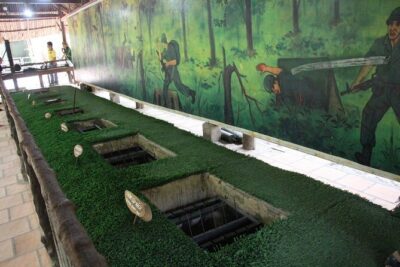
This is the core of the experience. At the Cu Chi tunnels, you spend about 1 hour 45 minutes with a guide who explains conditions people lived through and the ingenuity behind the system.
What you should expect:
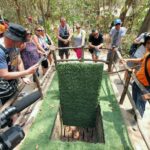
- A guided walk through the tunnel area with a jungle walk component, helping you connect the forest terrain to how guerrillas moved.
- Explanations of the underground world of guerrilla warfare, including how living and fighting overlapped underground.
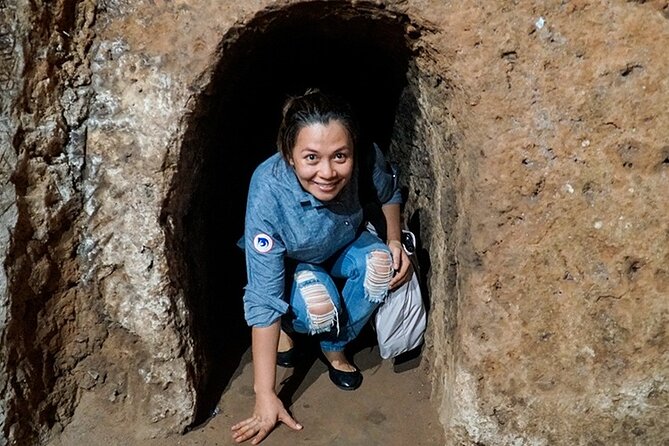
- A chance to experience the tunnels firsthand by crawling inside original sections.
The tunnels are not designed for tourist comfort. It’s cramped, and you’re going low—physically and mentally. You’ll probably feel your shoulders and knees working harder than you expected, especially if you have stiffness or limited mobility. The tour does say “everyone can join,” but that doesn’t erase the reality that crawling is part of what makes this tour powerful.
One reason the guide’s role matters: good storytelling keeps the experience from turning into only claustrophobia. When you understand what the system was built to do, the tight spaces feel purposeful rather than just unpleasant.
Cassava and tactics: the taste of survival and the reality of restraint
You’ll also have the opportunity to try tapioca or cassava root, presented as food that sustained Viet Cong fighters for years. Food might sound like a side detail, but it’s actually a strong teaching tool. It makes the war story grounded in everyday survival—what people could grow, store, and depend on.
This kind of tasting works best when you pay attention to context. You’re not sampling cassava for fun alone; you’re connecting the plant to the conditions below and around the tunnels.
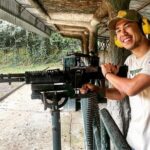
The tour also includes an optional weapon-shooting experience at your own expense. You may be able to shoot models including AK47, M16, M30, M60, Garand M1, and Carbine. There’s an important limit: rifles are only for adults 18+. That means the tour itself can still be a fit for younger people, but shooting is not for them.
The guide experience: what you should look for (and how to get it)
The day depends a lot on the guide’s energy and clarity. A strong guide keeps the stories organized: city → workshop → countryside → tunnels, with enough context to make each stop meaningful.
One guide name that stands out in the experience is Rambo, noted for being very informative and entertaining with stories throughout the day. If you get a guide with that kind of rhythm, you’ll probably find the time passes faster, even when you’re dealing with the slower pace of tunnels.
Also, since you’re in a private-group setup, you have a better chance to ask basic questions without feeling rushed. If anything feels confusing—like dates, tactics, or why certain tunnel features mattered—this is where it helps to ask on the spot.
Price and logistics: is $15.30 good value?
At $15.30 per person, this is priced like a budget-friendly day trip, not a luxury tour. For that money, you get real value points that add up:
- Air-conditioned vehicle
- Bottled water
- English-speaking tour guide
- Hotel pickup/drop-off within District 1
- Admission tickets included for the handicraft stop and the Cu Chi tunnels stop
- A mobile ticket option, which usually makes check-in easier
Then there are extras where you can decide your own spending:
- Tipping isn’t included (so you’ll decide what feels fair).
- Weapon shooting is at your own expense.
- Personal expenses are not included.
So the value equation is pretty straightforward. If you want transportation + guide + admissions bundled for a low price, this is strong. If you’re trying to maximize comfort and want no optional extras, you can still keep your spending under control by skipping the shooting.
Who this tour fits best—and who should rethink it
This tour is ideal if you want:
- A hands-on Cu Chi tunnels experience, not just photos from a bus window
- Guided context in English, with a pace that moves through several meaningful stops
- A half-day format that doesn’t swallow your entire day in transit
You might think twice if:
- You dislike enclosed spaces or crawling (even though the tour is described as suitable for everyone, the crawling portion is real)
- You’re very sensitive to last-minute changes. There’s at least one known issue: if bus space changes, you might get a call about it the day of.
If you’re traveling with kids or teens, this can still work because the tour says everyone can join, but remember the rifle-shooting limit is 18+.
Should you book Cu Chi Tunnels with this operator?
I’d book it if you want a value-packed half-day that combines guided history, countryside context, and a real tunnel crawl—without paying a big-city tour premium. The big plus is that your time isn’t wasted in vague stops. You get included admissions, comfort on the ride, and time inside the tunnels.
Book it with realistic expectations: this isn’t a soft, museum-style experience. It’s a war-site tour with physical elements and emotional weight. If you go in prepared for crawling and tight spaces, you’ll likely come away with a clearer understanding of how people lived and fought there.
FAQ
How long is the Cu Chi Tunnels experience?
It lasts about 5 hours 30 minutes (approx.), with additional time for travel.
Is hotel pickup offered?
Yes. Pickup/drop-off is included for hotels within District 1 in Ho Chi Minh City.
Where does the tour start?
The tour start point is the Saigon Opera House area at 07 Công trường Lam Sơn, Bến Nghé, Quận 1, Hồ Chí Minh 710212, Vietnam.
What stops are included?
You’ll visit the Saigon Opera House area, Sơn Mài Lâm Phát – Handicapped & Handicraft, Cu Chi tunnels, and then return to your hotel or drop-off at Ben Thanh Market.
Are admission tickets included?
Yes. Admission tickets are included for Sơn Mài Lâm Phát and for the Cu Chi tunnels stop.
Can I shoot weapons on the tour?
You can have a weapon-shooting option at your own expense, but rifle use is only applicable to people over 18 years old.
Is there free cancellation?
Yes. You can cancel for a full refund up to 24 hours in advance of the experience’s start time.