REVIEW · HO CHI MINH CITY
Private Tour to Long Tan – Former Australian Military Base
Book on Viator →Operated by Saigon Cyclo Tours - Vietnam Adventure Tours · Bookable on Viator
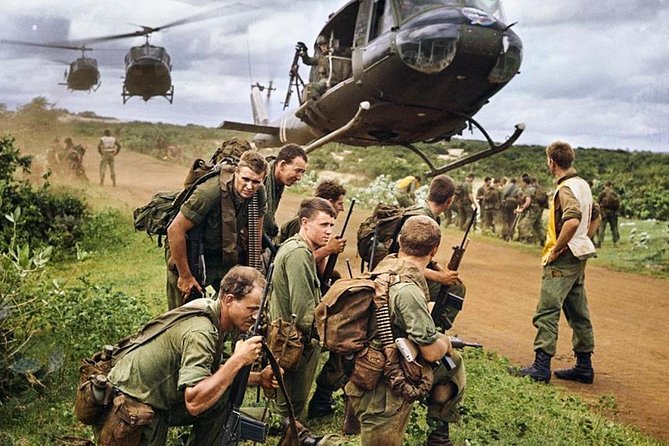
Long Tan hits you fast. This private full-day trip from Ho Chi Minh City walks you through one of Australia’s most remembered Vietnam War battles, with stops at the Long Tan Cross and the former base area around Nui Dat.
I love how the day is organized around the actual ground: you’re not just reading dates, you’re seeing places where events unfolded.
My other favorite part is the guide storytelling, especially when the guide is Tuan, sharing his first-hand perspective as an ex serviceman. Just know this is emotionally heavy territory, and it’s a long day in the countryside—plan for heat and a slower pace at memorial sites.
In This Review
- Key Highlights You’ll Actually Feel
- Long Tan From Ho Chi Minh City: The Drive Sets the Tone
- Long Tan Cross: A Memorial That’s More Than a Photo Stop
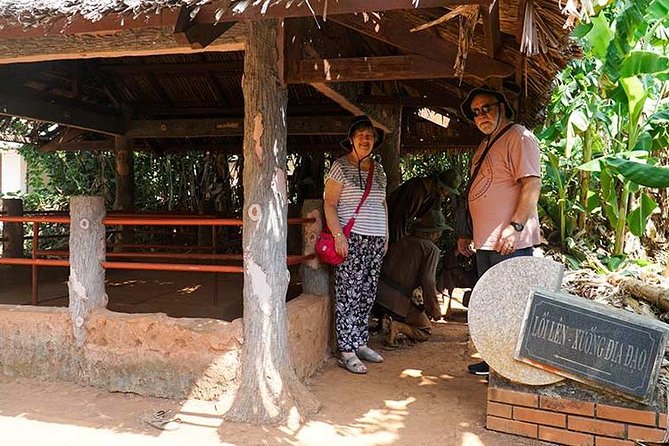
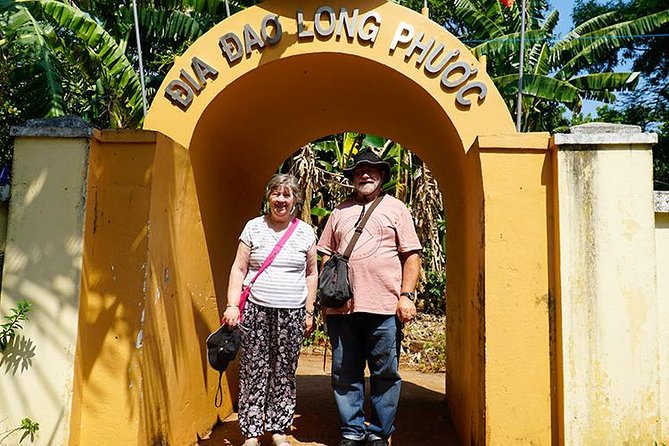
- Long Phuoc Tunnels and Horseshoe FSB: Understanding the Battle’s Real Space
- Nui Dat (SAS Hill): Where the Wider Context Clicks Into Place
- Lunch and the Private-Guide Advantage: Comfort Helps You Stay Focused
- Price and Value: What $98.10 Buys You (and Why It’s Not Just a Ticket)
- Who Should Book This Long Tan and Nui Dat Tour
- Practical Tips So You Get More Out of the Day
- Should You Book This Private Tour?
- FAQ
- What time does pickup start?
- How long is the tour?
- Is this a private tour?
- What sites are included during the day?
- Is lunch included?
- Are entrance fees included?
- What transportation is provided?
- Can I cancel for free?
Key Highlights You’ll Actually Feel
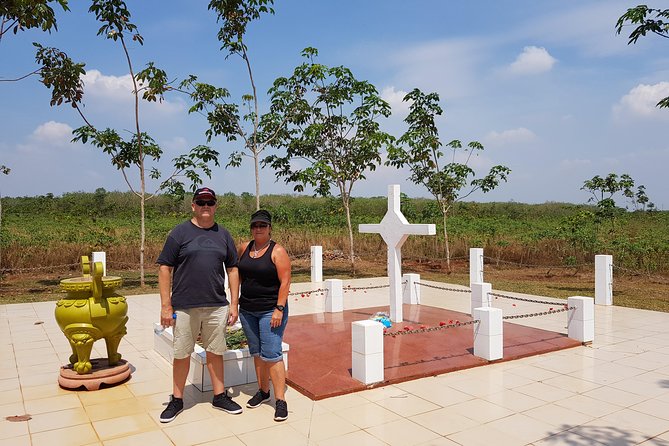
- Long Tan Cross Memorial and the battlefield area, with time to take it in without being rushed
- Long Phuoc tunnels and Horseshoe FSB stops that help you picture how fighting played out
- Nui Dat (SAS hill) viewpoints that connect the battle sites to the wider Australian role
- Hotel pickup and drop-off plus an air-conditioned car/van that keeps your day manageable
- A guide like Tuan who can turn the story from history text into lived experience
Long Tan From Ho Chi Minh City: The Drive Sets the Tone
Leaving Ho Chi Minh City early, you ride out to Long Tan in a private, air-conditioned vehicle. The distance is roughly 90 km one way (around 56 miles), and the route can stretch to about 110 km (68 miles) depending on stops and the route taken. Either way, it’s far enough to feel like a true day trip, not a quick outing.
Along the way, your guide points out what you’re passing through—rice fields, small villages, and the rural texture of the area. That matters more than you’d think. When you later stand at a memorial or walk the battlefield area, you’ll understand why this kind of terrain mattered. The countryside doesn’t explain everything, but it gives you context so the stories don’t float in your head as abstract facts.
The tour also builds in a practical rhythm. You stop in the Ba Ria Vung Tau area to pick up needed permits for visiting the famous battle sites and memorials. That’s a small detail that makes the day smoother. It means you spend less time hunting paperwork and more time at the places that earned the remembrance.
You can also read our reviews of more private tours in Ho Chi Minh City



Long Tan Cross: A Memorial That’s More Than a Photo Stop
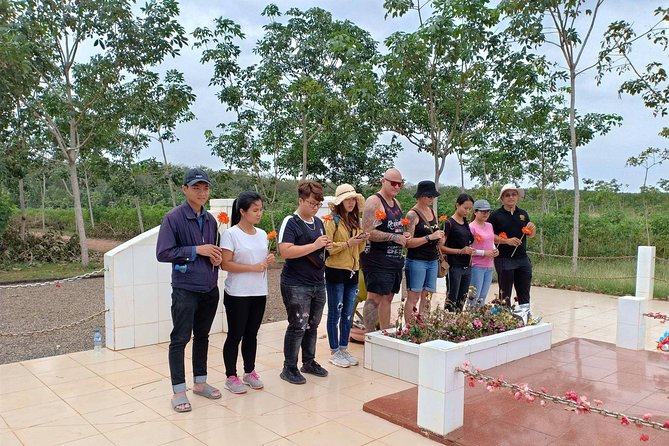
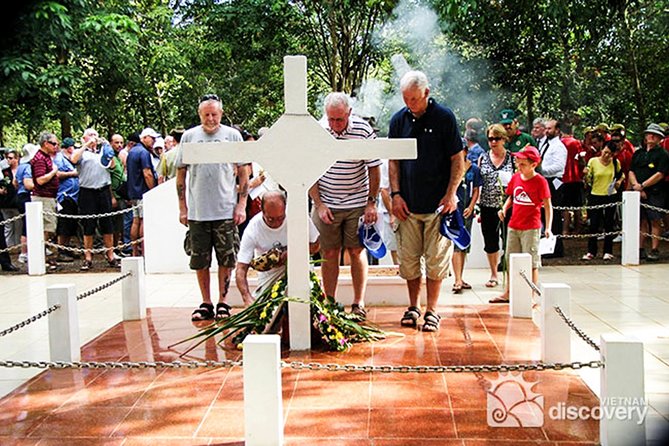
Your first big stop is the Long Tan Cross Memorial. This is where the day slows down. The cross commemorates the soldiers from the 1st Australian Task Force (1 ATF) who died in the Battle of Long Tan.
You’ll walk through the battlefield area with your private guide, and that’s where the visit becomes meaningful. The guide’s job isn’t to recite facts like a school worksheet. It’s to help you understand why the battle is remembered, how the fight unfolded, and what it meant afterward for people in the region.
One detail I especially value here is the way the tour connects commemoration to real community impacts. During the visit, you’ll also hear about humanitarian efforts undertaken by Australian forces in the area, including the presence of a school and Australia’s connection to it. That doesn’t erase the tragedy. It does add a second layer: the part of history that continued after the fighting.
If you want a moment where you can respect the weight of the site, this is it. Take your time. Let the guide’s timeline settle in. You’ll get more out of it that way.
Long Phuoc Tunnels and Horseshoe FSB: Understanding the Battle’s Real Space
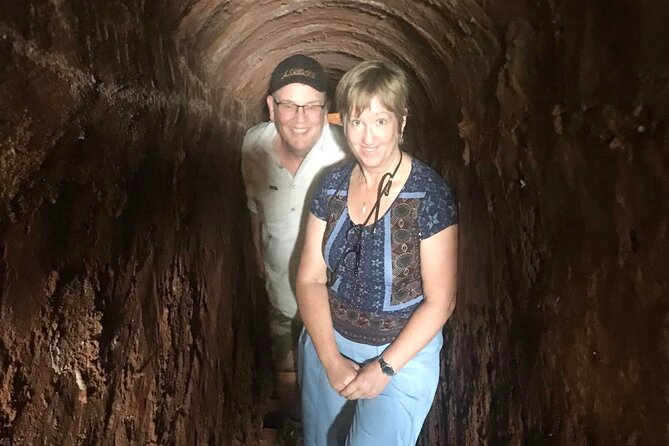
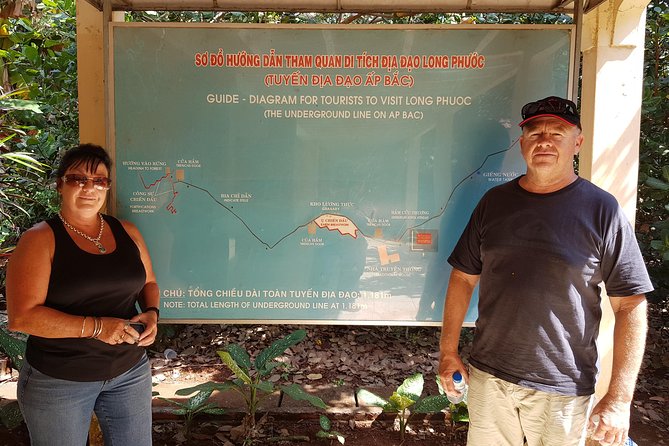
After the memorial, the tour continues through key sites tied to how the fighting happened. Two of the most significant stops are the Long Phuoc tunnels and Horseshoe FSB.
These are the kind of places where your imagination works overtime unless your guide keeps it anchored. The tunnels and field positions help you picture the battle not as a single dramatic moment, but as movement, cover, and positioning in a specific kind of environment.
Even without getting too technical, these stops give you something practical: a sense of scale and geography. You start to understand why certain positions were fought over and why concealment mattered. When your guide connects these points to the larger story of the Battle of Long Tan and the roles of forces on both sides, the whole picture tightens.
A quick consideration: tunnel and field site visits can be physically uneven. You’re on memorial-battle terrain, not a flat museum floor. Wear comfortable shoes, and if you tend to get uncomfortable standing for long periods, pace yourself before you hit the most active sections.
Nui Dat (SAS Hill): Where the Wider Context Clicks Into Place
Nui Dat, often described in relation to SAS hill, is the stop that ties the day together. You’re still in the Long Tan story, but now you’re looking at the Australian base area context—how that battlefield connected to the larger presence in the region.
This part of the tour helps you understand that the Battle of Long Tan wasn’t a random incident happening in isolation. It was part of the broader ANZAC involvement in Vietnam. Your guide explains how Australian and Viet Cong forces fought during the engagement, and you’ll connect what you saw earlier—memorial ground, tunnel infrastructure, and field positions—to the wider strategic picture.
There’s also a timing element worth knowing. The battle is commemorated annually on August 18. During the visit, your guide’s explanation often benefits from that ongoing remembrance, because it shapes how both Australia and local communities talk about the event today. It’s the difference between reading history as past tense and understanding it as something that still has a living presence through memorials and annual observances.
Lunch and the Private-Guide Advantage: Comfort Helps You Stay Focused
The tour description includes lunch, and I like tours that make room for real recovery. When you’re spending hours driving and walking around emotionally heavy sites, your brain needs breaks. Food keeps the day from turning into a grind, and lunch makes it easier to stay present during the later stops.
The private format also matters. This is not a big group shuffle. You move with your own English-speaking guide and driver, and the itinerary is flexible based on your interests and preferences. That flexibility is underrated for history tours. It lets you spend more time where you feel the most pull—often at the memorial ground—and less where you’re already comfortable.
Also, your guide isn’t just interpreting the sites. In the stories shared on this tour, the tone comes through as personal. When the guide is Tuan, the impact tends to be even stronger, because he brings an ex serviceman’s perspective. That kind of firsthand framing can make the explanations feel less like a lecture and more like a guided conversation.

Price and Value: What $98.10 Buys You (and Why It’s Not Just a Ticket)
At $98.10 per person, this tour is priced like a full-day private experience, not a budget bus ride. What makes it feel more fair is what you get bundled in.
You’re not only paying for transport. You’re paying for:
- a private air-conditioned vehicle with hotel pickup and drop-off in Ho Chi Minh City
- an English-speaking guide
- bottled water
- entrance fees
- lunch
- the guided visits to multiple battle-related sites
That package matters because Ho Chi Minh City can eat your time. Door-to-door pickup saves energy, and you don’t have to line up tickets, taxis, and timing between distant sites.
One more value point: entrance fees included means you’re not playing financial guessing games mid-day. And since this is a private tour, you also avoid the worst parts of group scheduling—getting stuck listening to something you didn’t ask for, or watching the slowest person hold up the rest.
Group discounts are mentioned, so if you’re traveling with friends or family, it’s worth checking how pricing adjusts. Even as a solo traveler, the cost can still feel reasonable because you’re buying time and comfort along with access.
Who Should Book This Long Tan and Nui Dat Tour
This is a strong fit if you:
- have interest in ANZAC history and want the Battle of Long Tan explained in context
- prefer private guiding over audio guides or a crowded bus
- want to see multiple key sites—Long Tan Cross, Long Phuoc tunnels, Horseshoe FSB, and Nui Dat—rather than one stop and done
- appreciate memorial visits where the pace allows you to reflect
It may not be the best choice if you dislike emotional or war-related sites, or if long drives plus walking feel like a mismatch for your energy level. The day includes quiet, heavy commemoration as well as on-the-ground explanation of the conflict.
Practical Tips So You Get More Out of the Day
Here’s how to prepare so the experience lands well.
- Dress for heat and humidity. You’ll be outside around memorial and site areas, even with breaks.
- Wear comfortable shoes. The battlefield-area settings are not like museum pathways.
- Bring a hat or light layer. Even with bottled water provided, sun and sweat can still drain you.
- If the subject matter hits hard, that’s normal. Give yourself the chance to slow down at the Long Tan Cross Memorial.
And one more thing: listen to your guide’s flow. The sites connect to each other as a chain. If you treat each stop like a standalone, you’ll miss the way your understanding tightens by the end of the day.
Should You Book This Private Tour?
If you want one organized day that combines transportation ease, a private English guide, and meaningful access to key Long Tan and Nui Dat sites, I think this is worth booking. The biggest selling points are the memorial-ground pacing and the way the guide stories—especially with guides like Tuan—bring the battle’s meaning into clearer focus.
Book it if you’re ready for a respectful, emotional history day with time to think, not just snap photos. Skip it if you’re seeking a light, casual outing.
FAQ
What time does pickup start?
The tour starts with pickup around 8:00 am from your hotel in Ho Chi Minh City.
How long is the tour?
The day runs about 7 hours total (approx.).
Is this a private tour?
Yes. It’s a private tour/activity, with only your group participating.
What sites are included during the day?
You’ll visit Long Tan Cross Memorial and also stops connected to the battle sites in the Long Tan and Nui Dat areas, including Long Phuoc tunnels, Horseshoe FSB, and Nui Dat (SAS hill).
Is lunch included?
Lunch is included in the tour package per the tour description.
Are entrance fees included?
Yes, entrance fees are included.
What transportation is provided?
You get transfer by an air-conditioned car or van, with hotel pickup and drop-off in Ho Chi Minh City.
Can I cancel for free?
Yes. You can cancel up to 24 hours in advance for a full refund.