REVIEW · HO CHI MINH CITY
Ho Chi Minh 1 Day Private Tour from Phu My Seaport
Book on GetYourGuide →Operated by OUROS Travel · Bookable on GetYourGuide
Saigon hits hard, then calms down. This War Remnants Museum visit and the peaceful Thien Hau Temple stop make the day feel real, not just scenic. The only catch is the long drive from Phu My Port, which can leave you a bit tired by the time you’re done.
I especially liked the fact that you’re not left to figure things out on your own. When I visited with Peter, his explanations were clear and practical, and he also gave context for what you’re seeing in everyday Ho Chi Minh City life, not just dates and names.
In This Review
- Key things to know before you go
- A one-day sampler of old Saigon and modern Ho Chi Minh City
- Getting from Phu My Seaport to the city: time, traffic, and comfort
- War Remnants Museum: what you’ll see and how long to spend
- Thien Hau Temple: a quiet pause with a sea goddess legend
- Chinatown and Binh Tay Market area: how daily business feels
- Independence Palace: where the war ended in public view
- Central Post Office and nearby cathedral: French colonial architecture, still in use
- Lunch at a local restaurant: included break time that matters
- Shopping time in Ho Chi Minh City: Ben Thanh or Saigon Square
- The wrap-up: returning to the port without a guide
- Price and value: what $114 buys you (and what it doesn’t)
- Who should book this tour from Phu My Port?
- Should you book this Ho Chi Minh City day tour from Phu My?
- FAQ
- Where do I meet the guide after customs at Phu My Seaport?
- Is the tour guided in English?
- What are the main stops on the tour?
- Is lunch included in the price?
- What clothing rules apply for temple visits?
- Is this tour suitable for wheelchair users?
- What vehicle will I ride in on a private tour?
Key things to know before you go
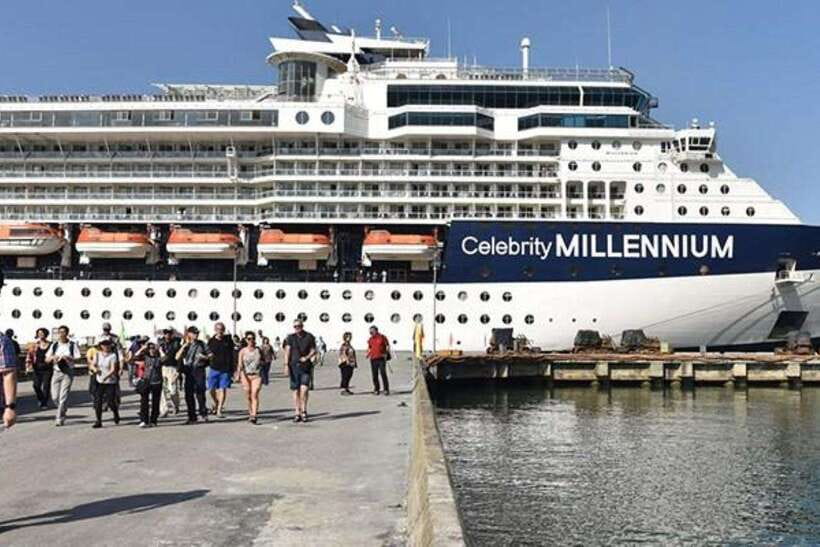
- Cruise-port pickup is clearly staged so you can find the driver after customs without hunting around too long
- War Remnants Museum is time-managed at about 30 minutes, so it stays focused
- Thien Hau Temple adds a spiritual side you don’t get from the big war sites
- Independence Palace + Central Post Office fit neatly into one historical stretch
- Lunch and bottled water are included so you’re not chasing extras halfway through
- Expect a long round-trip day from the seaport, with serious “commute time” baked in
A one-day sampler of old Saigon and modern Ho Chi Minh City
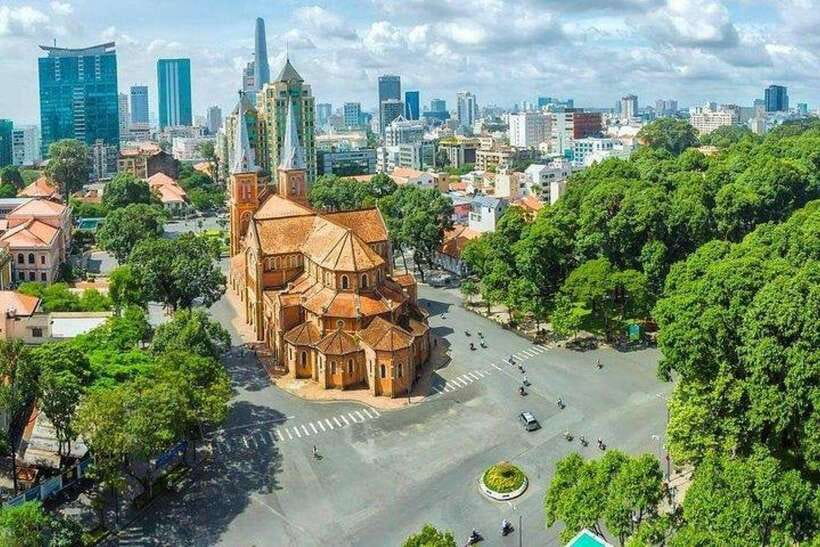
This is a classic “best hits” day in Ho Chi Minh City—built for people who have limited time because they’re starting from a cruise port. The schedule takes you through the city’s major storylines: war and memory, religion and neighborhood life, French-era architecture, and the place where the Vietnam War effectively ended.
You’re also riding a private route, not joining a big open bus crowd. That matters in Ho Chi Minh City because traffic can be chaotic, and it helps to have someone who’s used to moving through it. The day is planned so you can still see a lot without feeling rushed through every room.
You can also read our reviews of more private tours in Ho Chi Minh City



Getting from Phu My Seaport to the city: time, traffic, and comfort
Plan for travel time first. You meet around 8:00–8:30 am at Phu My Port, then head into Ho Chi Minh City. The drive distance is listed as about 75 km, and one-way transfer time is around 105 minutes, so yes—this day has a lot of sitting in the car.
That’s where the private vehicle choice helps. For 1–2 people, you ride in a sedan. 3–4 people get an SUV, and 5–10 people get a van. It’s air-conditioned, and you’re guided with an English-speaking professional in the car and on the sights.
One practical tip that saves stress: vehicles aren’t allowed inside the terminal area. After customs, you go to the main exit gate, then walk or take a free shuttle about 500–900 m to the meeting point. Your driver will wait outside with a name sign and the guide is part of that handoff process. If you can’t find them, the hotline is there for a reason.
War Remnants Museum: what you’ll see and how long to spend
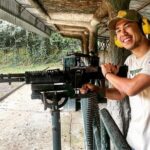
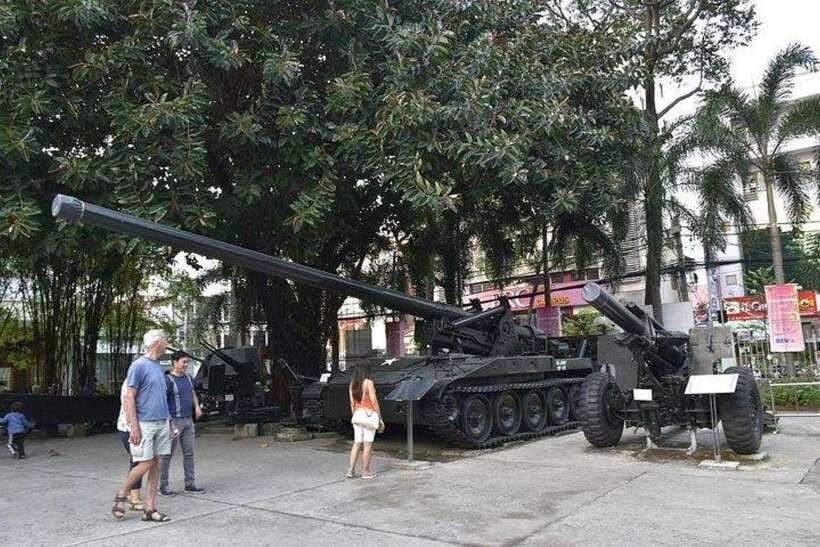
This is the emotional anchor of the day. The War Remnants Museum opened to the public in 1975, and it was once known as the Museum of American War Crimes. The tone is blunt, and the visit is designed to make you confront what the Vietnam War meant on the ground.
In about 30 minutes, you’ll be looking at graphic photographs and American military equipment on display. You don’t need to force yourself to “finish everything.” Just give yourself permission to move slowly and absorb what you can, because the point here isn’t checklists—it’s understanding.
If you’re the type who gets overwhelmed easily, pace yourself at the entrance and don’t cram the museum. A little breathing room makes the whole day feel more manageable, especially since you’ll be switching back to temples and neighborhoods later.
Thien Hau Temple: a quiet pause with a sea goddess legend
After the museum, the day shifts gears. Thien Hau Temple is a major pagoda dedicated to Thien Hau, the Goddess of the Sea and patron of sailors. You’ll see the temple’s richly decorated setting, which works as a reset after the museum’s intensity.
You also get a memorable detail from the story behind the goddess: she’s said to travel over the oceans on a mat and ride the clouds to wherever she desires. That kind of myth matters because it explains why religious sites like this aren’t only “old buildings.” They’re tied to how people think about safety, travel, and everyday hopes.
The practical part: you’ll want to be dressed for temple visits. Non-sleeve shirts and short trousers aren’t allowed, so I’d plan what you wear before you get on the shore shuttle.
Chinatown and Binh Tay Market area: how daily business feels
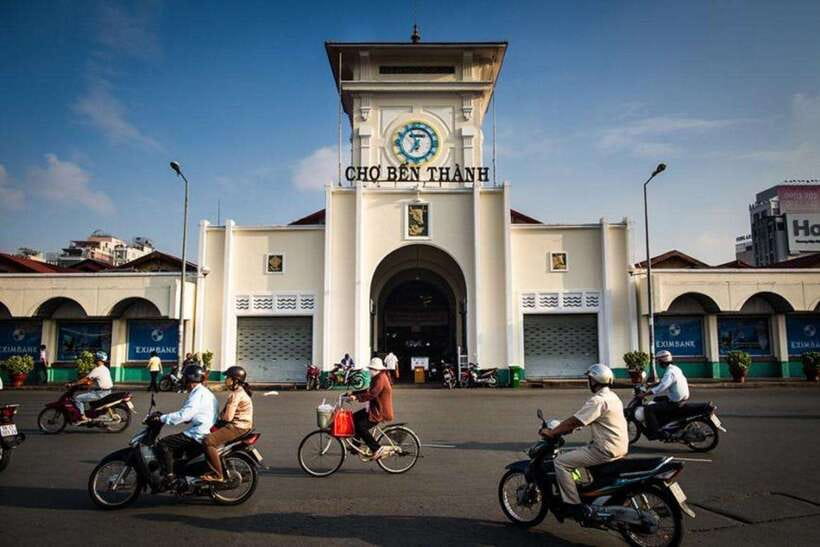
Ho Chi Minh City has layers, and the Chinatown area gives you a useful one. This neighborhood traces back to the late 18th century and is described as a maze-like section of the city with restaurants, temples, and shops.
You’ll spend about 60 minutes here, including time around Binh Tay Market, which is highlighted as the main marketplace where a lot of wholesale trading happens. Even if you don’t buy much, this is one of the places where the city feels practical. You get a sense of how commerce and community work side by side.
Because this portion of the day is also your “walk and look” window, it’s smart to wear comfortable shoes. You’ll be on your feet more than you expect.
You can also read our reviews of more tours and experiences in Ho Chi Minh City




Independence Palace: where the war ended in public view
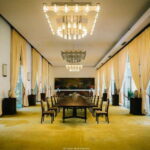
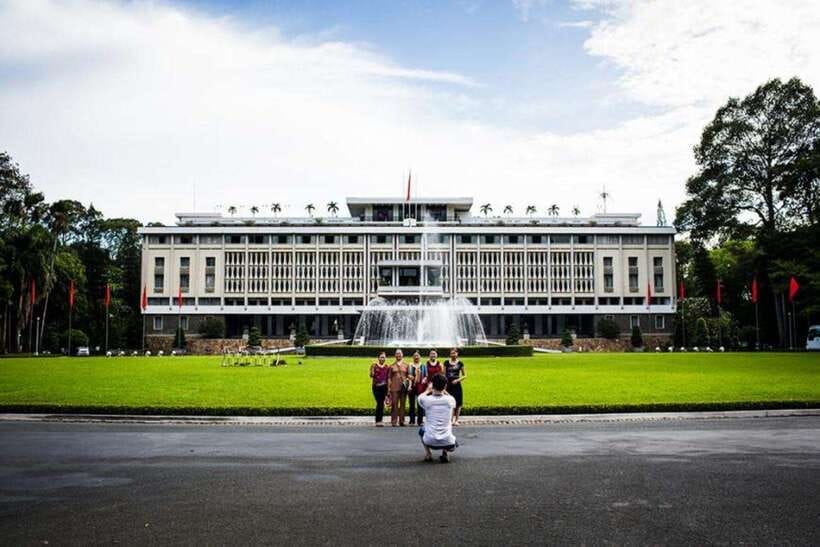
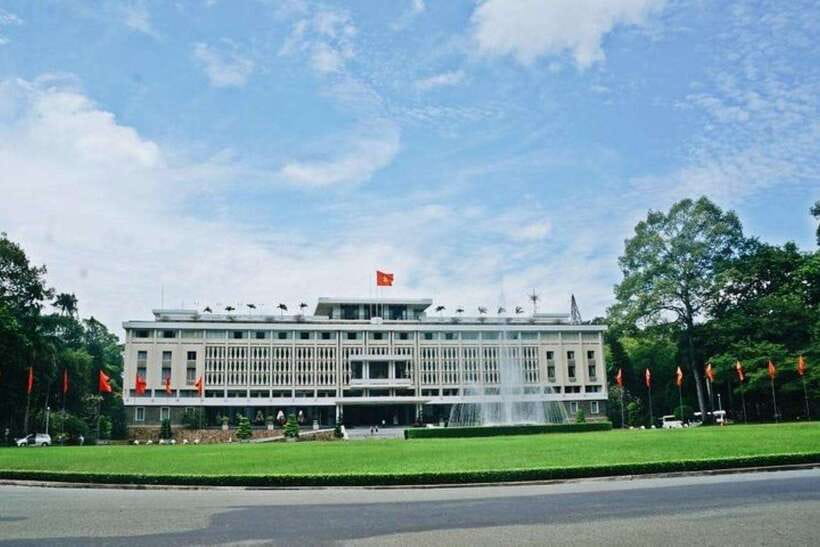
Next comes a major historical site: Independence Palace (also known as the Reunification Palace). You’ll start this part of the tour with the palace, which served as the residence of the President of the Republic of Vietnam.
The most famous moment is tied to 30 April 1975—when a North Vietnam soldier stepped inside the building with a red flag, signaling an end that the world could see. In about 45 minutes, you’ll get a guided look that helps you connect the building to what changed after it.
This is also where a good guide makes a difference. With Peter, I appreciated that the explanations didn’t stop at the dramatic headline. The focus stayed on how the place functioned, what parts of the building mattered, and why it’s preserved the way it is.
Central Post Office and nearby cathedral: French colonial architecture, still in use
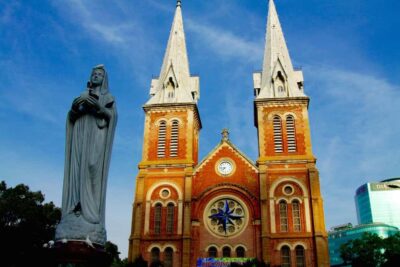
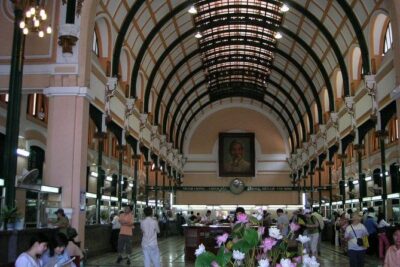
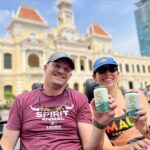
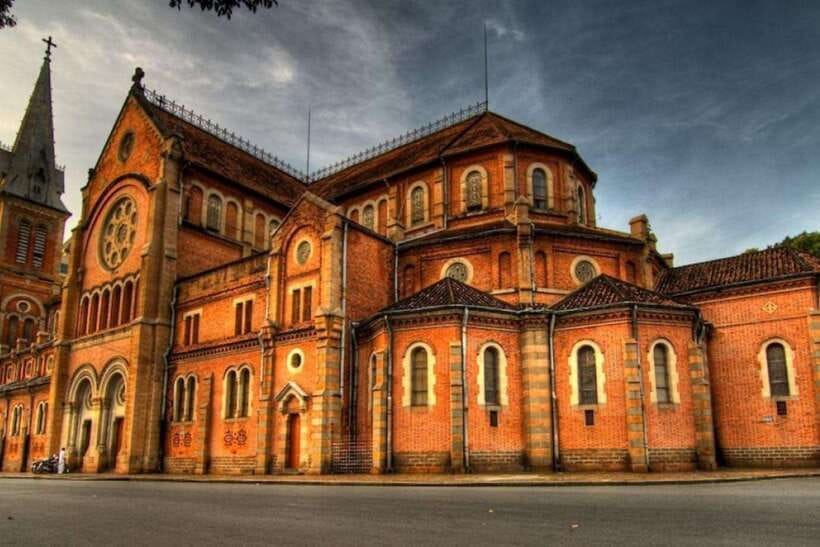
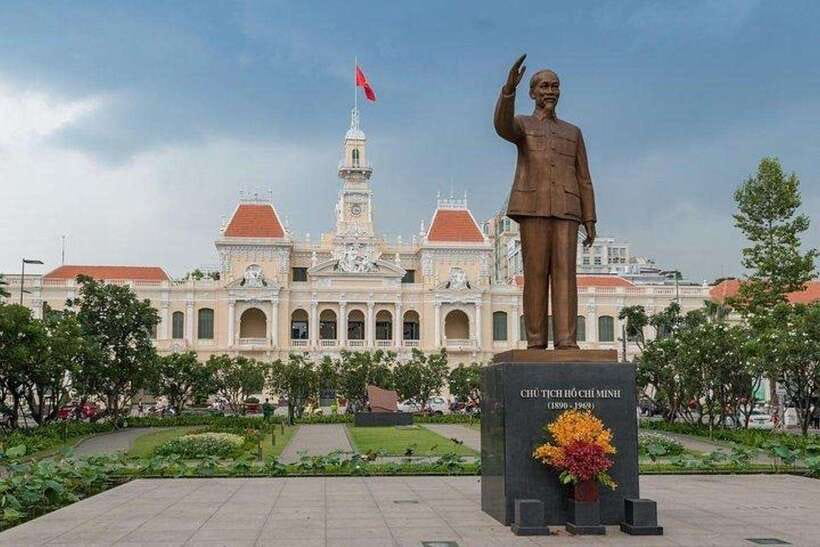
After the palace, you’ll head to one of the most photogenic French-era reminders in the city: the Central Post Office. It’s described as beautifully preserved and potentially the grandest post office in all of Southeast Asia.
You’ll get around 20 minutes here, and you can pair it with the nearby Notre Dame Cathedral since they’re located next door. Even if you don’t linger for photos, it’s worth stepping inside or at least looking around long enough to understand how colonial design and local use coexist.
This stop also works well because it balances the day’s heavier themes. You’re still learning, but the mood shifts toward architecture and daily life.
Lunch at a local restaurant: included break time that matters
Your lunch window runs 12:30–13:30, with 60 minutes set aside. The tour includes lunch at a local restaurant, plus bottled water.
In a day like this, that meal block is more than a perk. It’s the break that lets you keep moving after the museum and still enjoy the afternoon sites. If you’re sensitive to pacing, use lunch to reset your energy and keep your camera ready for the palace and post office stops.
Also, drinks beyond what’s included aren’t listed as part of the package. So if you like a particular beverage, plan for it as a personal expense rather than counting on it being covered.
Shopping time in Ho Chi Minh City: Ben Thanh or Saigon Square

At 14:30–15:00, you have optional shopping time if you want it. The tour offers two choices:
- Ben Thanh Market
- Saigon Square
This is not a long shopping spree—just a focused slot by request. I’d treat it like a chance to pick up a few practical souvenirs while you’re already in the area.
The timing also helps you avoid rushing. Once you hit the shopping window, you’re still in the game for the rest of the afternoon, and it doesn’t steal time from the big sights.
The wrap-up: returning to the port without a guide
By 15:00, you farewell the tour guide in Ho Chi Minh City. From there, your driver transfers you back to the port without the guide, and you arrive back around 16:30. This matters because it changes how you’ll handle questions on the way back—save them before you end the guided portion.
From a planning perspective, this return timeline is solid for cruise schedules. Still, because weather conditions and cruise schedules can shift, keep a little flexibility in your head on the day itself.
Price and value: what $114 buys you (and what it doesn’t)
At $114 per person for an 8-hour private tour, this is priced like a real guided day, not a self-guided “hop-on” setup. You’re paying for several concrete items:
- an experienced English-speaking guide
- all entrance and sightseeing fees
- a private air-conditioned vehicle with driver
- lunch as mentioned
- bottled water
- pickup and drop-off at Phu My Seaport
What’s not included is also clearly defined: drinks and other meals not listed, personal expenses, and travel insurance. So the value is best if you’re okay sticking close to the plan and not expecting extra meals or drinks to be covered.
The big value question is whether the long drive makes sense for you. If you’re traveling with limited time ashore, it can be perfect. If you hate commuting days, the drive time may feel like the main event.
Who should book this tour from Phu My Port?
This tour fits best if you want a guided route through Ho Chi Minh City’s major highlights and you don’t want to stress over logistics from a cruise port. It also works well if you like having context—especially for the museum, where interpretation really changes what you take away.
You’ll also appreciate it if you’re traveling in a private group and want flexible pace with an English-speaking guide, plus a comfortable vehicle for the transfer.
It may not be the best match if you:
- rely on a wheelchair (it’s listed as not suitable)
- want an easy, low-travel day (this one is heavy on transfers)
- aren’t comfortable with the museum’s graphic content
Should you book this Ho Chi Minh City day tour from Phu My?
I’d book it if you’re doing Ho Chi Minh City for the first time and you want your time ashore to count. The mix of War Remnants Museum, Thien Hau Temple, Independence Palace, and the Central Post Office gives you a well-rounded snapshot of the city’s story, not just its photos.
Before you commit, check your energy level. The long seaport-to-city drive is the tradeoff that defines the day. If you can handle that commute and you’re prepared for the museum’s intensity and the temple dress code, this is a strong, practical way to see a lot with a guide who knows how to explain what you’re looking at.
FAQ
Where do I meet the guide after customs at Phu My Seaport?
After you pass customs, go to the main exit gate. Walk or take a free shuttle bus about 500–900 m to the meeting point. You can ask for help at the assistance booth, and your assigned driver will wait outside with a name sign.
Is the tour guided in English?
Yes. You’ll have a live tour guide with English language support throughout the guided part of the tour.
What are the main stops on the tour?
You’ll visit the War Remnants Museum, Thien Hau Temple, the Chinatown area (including Binh Tay Market), Independence Palace, and the Central Post Office. There’s also optional shopping time at either Ben Thanh Market or Saigon Square.
Is lunch included in the price?
Yes. Lunch is included and scheduled for about 12:30–13:30, with a full hour set aside. Bottled water is also included.
What clothing rules apply for temple visits?
You need to dress modestly for temples. Non-sleeve shirts and short trousers are not allowed.
Is this tour suitable for wheelchair users?
No. The tour is listed as not suitable for wheelchair users.
What vehicle will I ride in on a private tour?
Vehicle type depends on your group size: a sedan for 1–2 people, an SUV for 3–4 people, and a van for 5–10 people. It’s a private air-conditioned vehicle with a driver.