REVIEW · HO CHI MINH CITY
Cuchi Tunnel Tour
Book on GetYourGuide →Operated by Ace Travels Viet Nam · Bookable on GetYourGuide
Under Cu Chi, history gets physical. This Vietnam day tour takes you into part of the Cu Chi district tunnel network linked to Viet Cong tactics in the French and American wars, with an English-speaking guide and hands-on stops. I especially like the small-group size and the fact you’re not just looking at photos; you get a map/model briefing and the chance to go underground if you choose.
Another thing I like is how the tour mixes serious war context with practical experiences: a tapioca root tasting, a rice paper workshop, and a visit to an art studio for lacquer ware. One drawback to plan for: the optional shooting range can be loud, and you’ll want to keep your group together so you don’t miss explanations while others head off.
In This Review
- Key highlights to look for
- Cu Chi Tunnels: What You’re Actually Signing Up For
- Morning 7:30 or Afternoon 12:00: Timing That Changes the Day
- Ace Travels, Small Groups, and English-Guided Explanations
- The Underground Network: Traps, Kitchens, Clinics, and Fighting Bunkers
- Above Ground Breaks: Food, Shells of Daily Life, and Craft Workshops
- Shooting Range: Optional, Extra Cost, and Loud for a Reason
- Price and Value: Is $23 a Fair Deal?
- Pickup, Bus Rides, and Staying With the Guide
- Who Should Book This Cu Chi Tour?
- Should You Book the Cu Chi Tunnel Tour with Ace Travels?
- FAQ
- What time does the Cu Chi Tunnel Tour depart?
- How long is the tour?
- How big are the groups?
- What language is the tour guide?
- What’s included in the price?
- Do I have to go underground?
- Is the shooting range included?
- Will there be food on the tour?
- Is cancellation free?
- Where does pickup happen?
Key highlights to look for
- 250km tunnel network story told through a map and tunnel model briefing
- Underground spaces like a smokeless kitchen, health care area, meeting room, and fighting bunker
- Traps and Viet Cong workshops as part of how the tunnels were used for hiding and ambush
- Tapioca root tasting plus a rice paper workshop for real-life food context
- Lacquer ware art studio stop that turns history into something you can take in with your eyes
- Shooting range add-on (optional) where you buy bullets on site
Cu Chi Tunnels: What You’re Actually Signing Up For
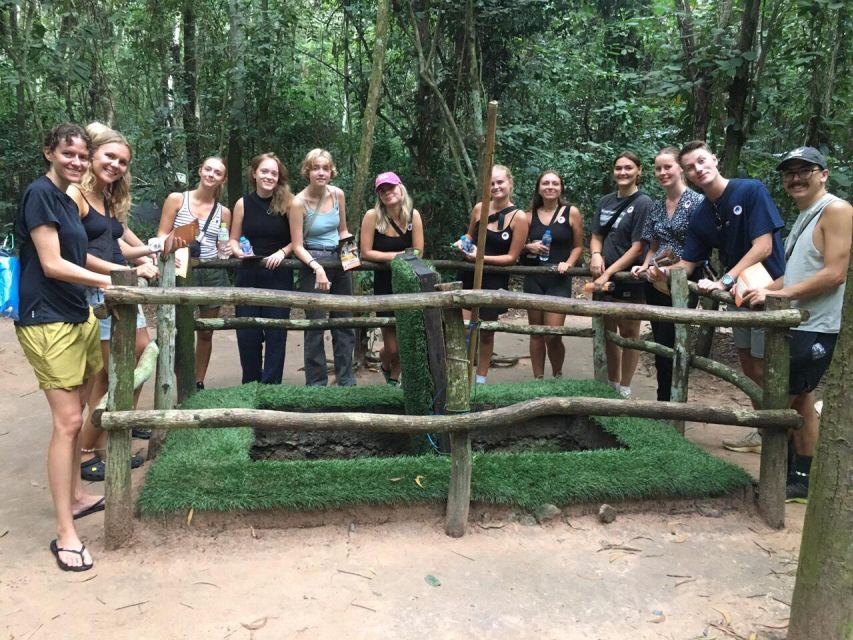
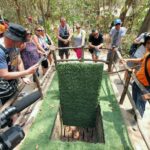
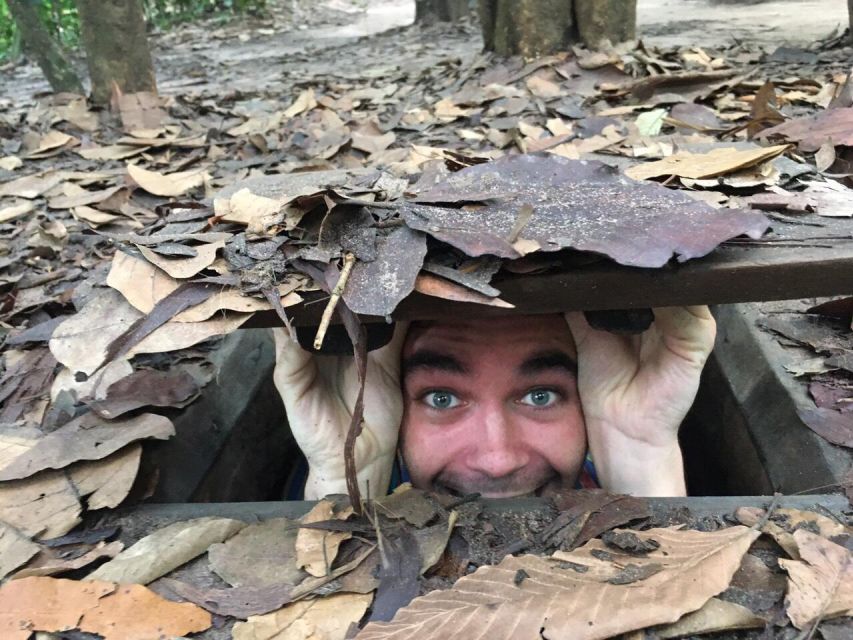
This is not a quick drive-by. The core of the Cu Chi Tunnel Tour is the underground network connected to Viet Cong operations—hiding, living, attacking, and ambushing—from both the French conflict era and the Vietnam War era. The tour is built around understanding how people managed in darkness, tight spaces, and constant threat.
What makes it especially memorable is that you’re guided through practical details. The experience includes underground areas labeled for different functions, plus mention of traps and how the Viet Cong used workshop knowledge inside the system. You’re not expected to be a tunnel expert; you’re expected to notice what matters and follow the story in a way that helps you connect tactics with daily life.
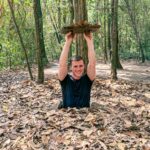
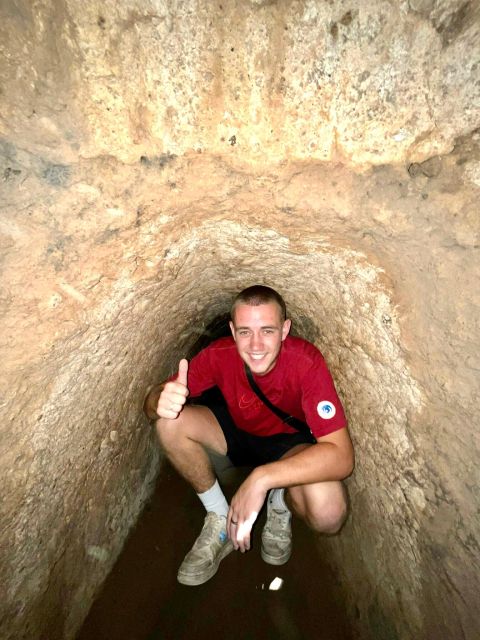
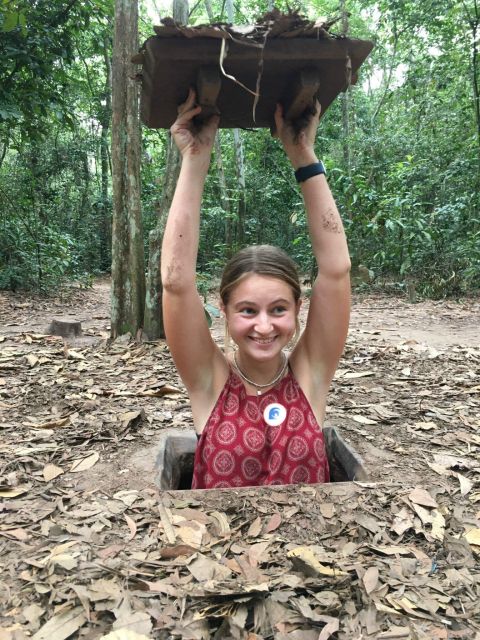
And yes, the tour gives you a choice about going underground. If you’re comfortable with crawling and cramped areas, you can do more. If you’d rather stay above-ground for your own comfort, you can still learn the system and see the featured remnants.
You can also read our reviews of more tours and experiences in Ho Chi Minh City.

Morning 7:30 or Afternoon 12:00: Timing That Changes the Day
The tour runs with two departure options: 7:30am in the morning and 12:00pm in the afternoon. The duration is listed at 330 minutes (about 5–6 hours), which is a solid length for Cu Chi without turning the day into a full marathon.
Your best pick depends on what you want to avoid. A morning start often means fewer crowd issues and more time to keep your evening free. An afternoon start can work well if you slept in a bit or want to build a slower schedule around the tour.
Either way, remember you’re leaving from your hotel area and you’re traveling in a group. The bus transfer is part of the experience, and one guide-led bus ride has been described as a nice way to see the city along the way.
Ace Travels, Small Groups, and English-Guided Explanations
The tour is operated by Ace Travels Viet Nam, and it’s offered in English with an English-speaking guide. That matters in Cu Chi, because the story can turn confusing fast if you can’t follow names, tactics, and the order of spaces.
Group size is kept flexible: maximum numbers can be 10 pax, 12 pax, 20 pax, or you can book a private group. In plain terms, smaller groups usually mean fewer waits and easier listening. Even if you end up in a larger group slot, an attentive guide helps keep the visit coherent.
The tour has also been associated with guides like Harry and Cory. Harry, in particular, is described as friendly, humorous, and direct. He also brings a personal layer when he connects the tunnels to family history and the long-term effects of agent orange, which adds weight beyond facts and maps.
The Underground Network: Traps, Kitchens, Clinics, and Fighting Bunkers
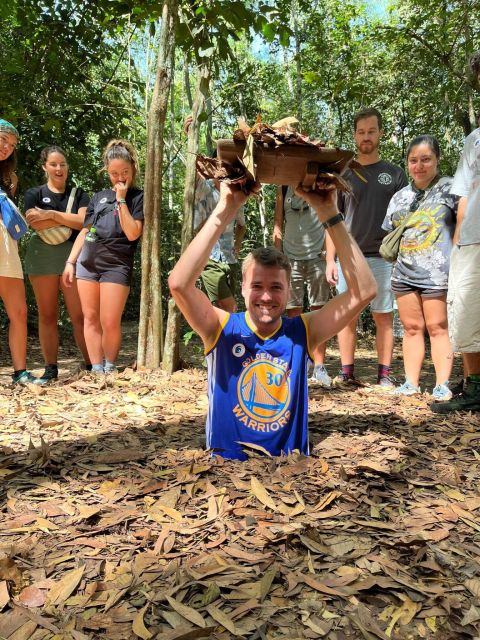
The heart of the Cu Chi Tunnel Tour is the tunnel network in the Cu Chi district, with a tunnel system length of about 250km described as part of what you’re exploring. The tour doesn’t ask you to memorize measurements. Instead, it focuses on explaining how the system worked for people under pressure.
Before you go into the underground sections, you should expect a map and tunnel model briefing. This is more important than it sounds. When you understand the layout at a basic level—where people could hide, move, and set defenses—you’ll read the spaces differently while you’re inside.
Once underground, you’ll encounter key areas presented as part of how Viet Cong life and operations functioned, including:
- Traps built by Viet Cong forces, part of how they defended the tunnels
- Viet Cong workshops, showing problem-solving and preparation
- A smokeless kitchen, a practical detail that explains how they cooked without giving away location
- Health care space, because survival required care even in harsh conditions
- A meeting room, for coordination and communication
- A fighting bunker, tying daily underground life to defense and attack realities
A professional, friendly guide helps translate what you’re seeing into context—especially why traps mattered and how workshop skills supported living and fighting.
Practical note: even when the tour says going underground is your choice, don’t treat it like a casual stroll. Tight spaces, uneven footing, and the basic mental adjustment of being underground are part of the experience. If you’re claustrophobic, decide ahead of time how far you want to go.
Above Ground Breaks: Food, Shells of Daily Life, and Craft Workshops
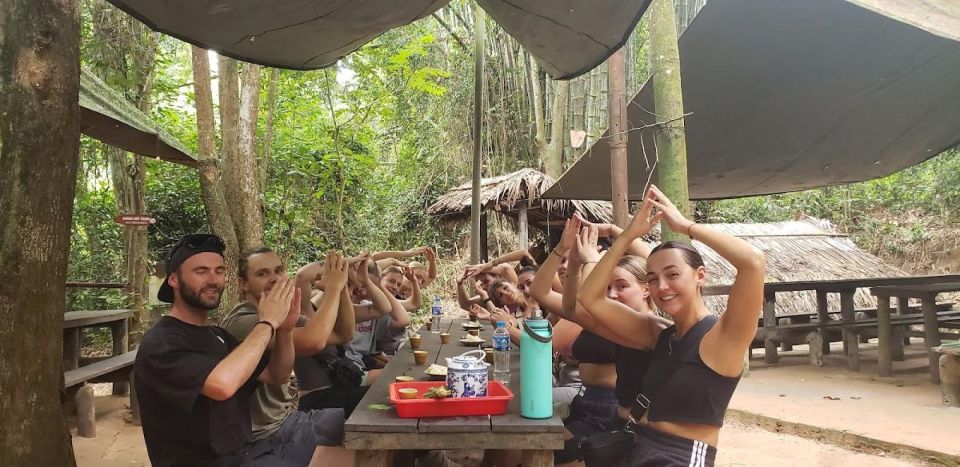
Not every stop is about war tech. A good part of the tour is about how people survived—food and routine included.
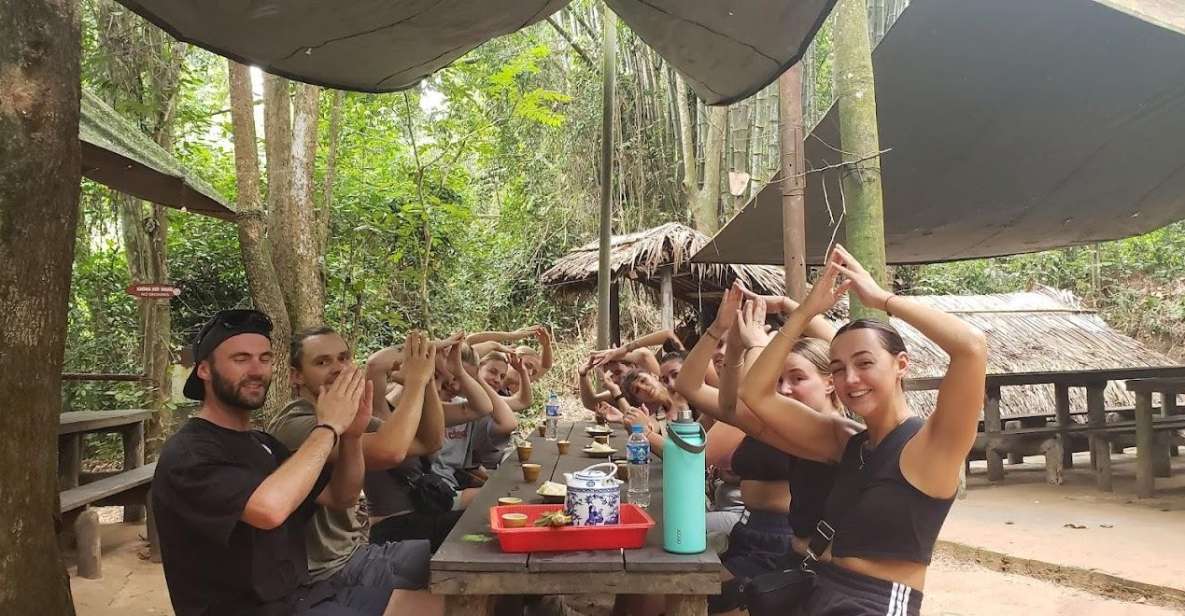
You’ll have tapioca root tasting, described as Viet Cong food. This is one of those small experiences that makes the story feel grounded. When you taste something simple and “survival” shaped, it’s easier to understand why food choices inside the tunnels mattered.
Another hands-on stop is a rice paper workshop. You’ll get a view of how thin rice sheets are made, which helps connect “we survived” to “we learned to produce food with limited tools.” It’s not a show; it’s a practical craft moment.
Then comes the art studio visit, where you can see how lacquer ware fine art is made. On paper, that sounds separate from tunnels. In practice, it turns your day from history-only into something more human: you see skills and patience that keep living culture going long after war stories fade.
If you’re traveling as a vegetarian, this tour has included food that one booking specifically noted as suitable. Still, I’d treat it as a “confirm with the guide” situation, since what’s available can vary by day and group.
Shooting Range: Optional, Extra Cost, and Loud for a Reason
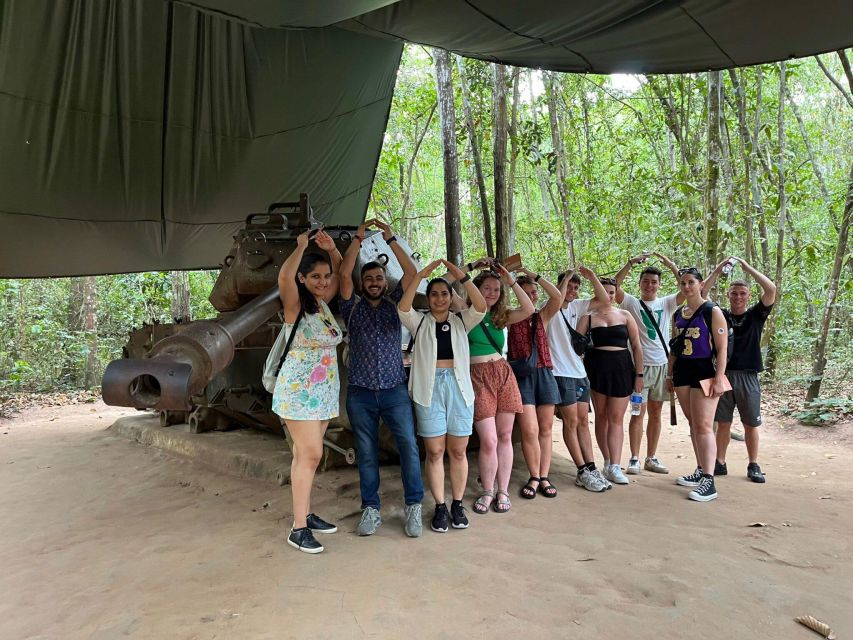
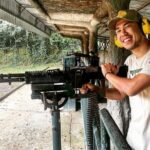
The shooting range is clearly labeled as optional and not included in the main package. If you want to do it, you’ll buy bullets yourself: the tour states a minimum of 10 bullets for 600,000 VND.
Is it worth budgeting for? If you want a rare, hands-on add-on and you’re comfortable with the idea of paying extra, it can be interesting. One person described it as a cool extra, noting the uniqueness of handling shooting here.
But there’s a real consideration: it’s been flagged as very loud, especially because the shooting area sits next to the buffet area where you can get drinks, food, and toilet access. If noise bothers you, bring earplugs if you have them, and plan to spend less time around the range.
Also, note the practical risk: buying bullets and moving between stations can slow your group. If you want to keep your day smooth, decide before you get there whether you’re doing the range or skipping it.
Price and Value: Is $23 a Fair Deal?
At $23 per person, this tour can feel like good value—mainly because so many costs are folded into the base price. Included elements are:
- Transportation, plus pick-up and drop-off
- Entrance fee
- English-speaking guide
- Wet tissue
- Snack and water
That’s the kind of pricing structure that makes a difference in Vietnam. You avoid surprise add-ons for basic transport and entry, and you still get guided interpretation rather than a self-guided walk-through.
The optional part is mostly the shooting range. If you choose to shoot, your total cost goes up due to the bullet purchase minimum. But if you skip it, the rest of the tour includes enough built-in variety—tunnels plus workshops plus tastings—that you’re not paying extra just to keep the day interesting.
Group flexibility also supports value. If you can find a smaller-group slot, listening quality tends to improve. If you end up in a bigger group, at least the guide structure and included briefings keep the experience from feeling like free-range tourism.
Pickup, Bus Rides, and Staying With the Guide
Pickup is included, and the tour asks you to wait in the hotel lobby 10 to 20 minutes before your scheduled pickup time. If your pickup point is outside District 1, 3, 4, you’re told to contact the operator.
This matters because your day can feel off fast if you lose time at the start. One person noted a later-than-expected departure created a feeling of waking up early for nothing, so build a little slack into your morning (or early afternoon) plans.
Also watch your “guide visibility” basics. One booking described instances where the group scattered and the guide was hard to find because there wasn’t a clear flag or umbrella. That’s not something you can control, but you can control your part: stay close to the group, ask where the meeting point will be for each stop, and don’t assume the group will wait if you’re buying a small item.
Who Should Book This Cu Chi Tour?
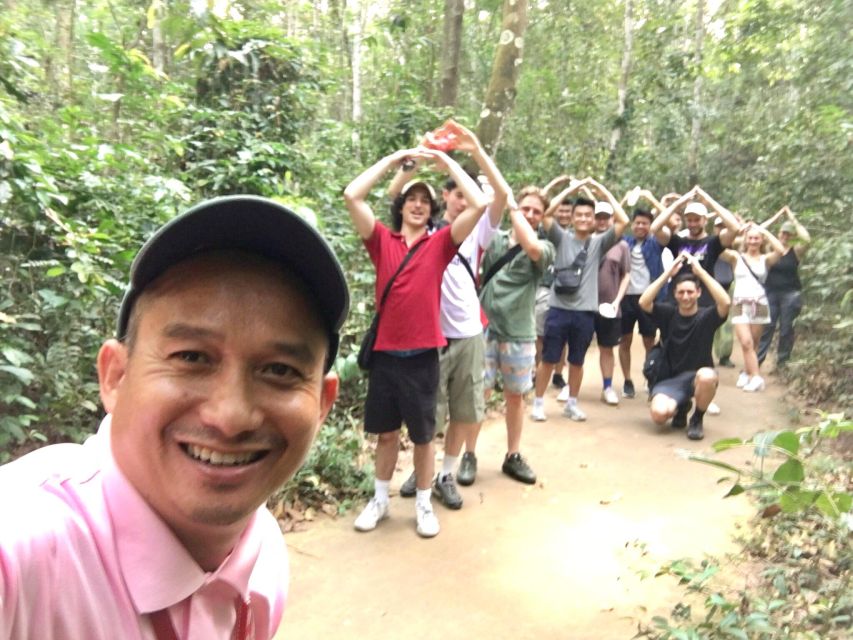
This tour suits you if you want a guided, story-driven way to understand the Cu Chi Tunnels without doing intense research beforehand. It also fits well if you like tours that blend history with real-life textures—food tastings, rice paper making, and lacquer craft.
It’s also a good fit for families or first-time Vietnam visitors who want one major day trip that feels substantial. A 5–6 hour length keeps it from swallowing the entire day.
Where you might reconsider: if you strongly dislike noise, tight spaces, or timed group logistics. The shooting range can be painfully loud, and underground crawling can be challenging even when it’s optional. If you’re very sensitive to cramped environments, you’ll need to plan your underground participation carefully.
Should You Book the Cu Chi Tunnel Tour with Ace Travels?
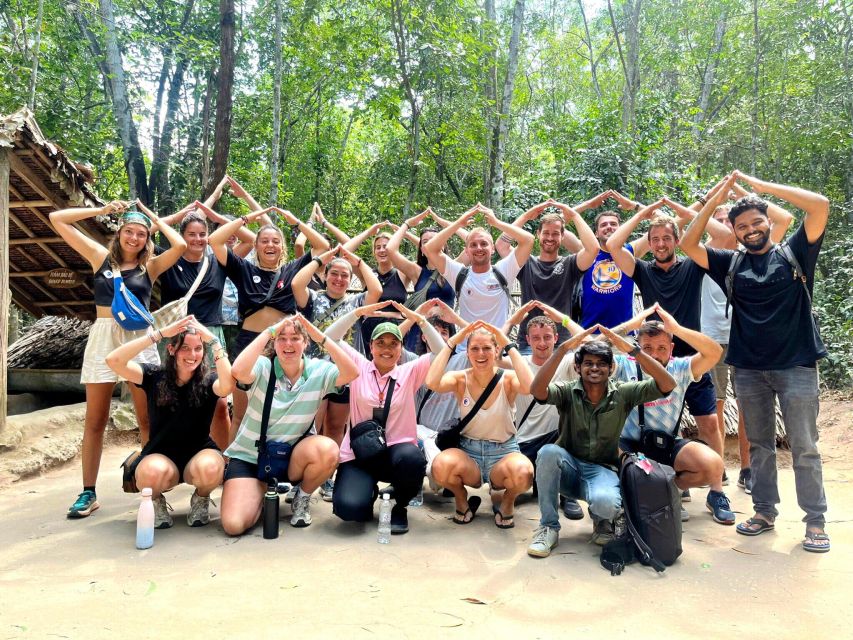
I’d book it if you want real guided context, not just a photo stop. The combination of English guidance, map/model briefing, and the variety of underground areas (kitchen, health care, meeting room, fighting bunker) makes the experience feel structured. Add in workshops and tastings, and you get more than one kind of learning.
I’d pass or choose a different format if your priorities are quiet, comfort-first travel, or minimal extra costs. The shooting range is optional but can take over attention if you’re sensitive to noise. And like any group tour, you’ll get the best results by staying close and staying organized at each station.
Bottom line: for the price, the mix of underground history, practical life details, and hands-on craft stops makes this a strong Cu Chi choice—especially if you like explanations delivered clearly by friendly guides such as Harry and Cory.
FAQ
What time does the Cu Chi Tunnel Tour depart?
The tour has a morning departure at 7:30am and an afternoon departure at 12:00pm.
How long is the tour?
The duration is listed as 330 minutes, or about 5–6 hours.
How big are the groups?
Group size is listed as a maximum of 10 pax, 12 pax, or 20 pax, or you can book a private group.
What language is the tour guide?
The tour includes an English-speaking guide.
What’s included in the price?
The included items are transportation with pick-up and drop-off, entrance fee, English-speaking guide, wet tissue, and a snack & water.
Do I have to go underground?
Going underground is described as an experience you can choose to do, and the tour includes underground spaces like the kitchen, health care, meeting room, and fighting bunker.
Is the shooting range included?
No. The shooting range is on your own expenses, and the tour states a minimum purchase of 10 bullets for 600,000 VND.
Will there be food on the tour?
Yes. You’ll get a snack and water, and the tour also includes tapioca root tasting and a rice paper workshop. One booking noted food worked for vegetarians, but it’s still smart to check with the operator.
Is cancellation free?
Yes. You can cancel up to 24 hours in advance for a full refund.
Where does pickup happen?
Pickup is included, and you’re asked to wait in the hotel lobby 10 to 20 minutes before pickup time. If your pickup point is outside District 1, 3, 4, you’re instructed to contact the operator.