REVIEW · HO CHI MINH CITY
2-Day Mekong Delta with Cai Cang Floating Market from HCM City
Book on Viator →Operated by Hana Tourist Vietnam · Bookable on Viator
Mekong mornings move at a different speed. This 2-day small-group trip is built around the floating markets of Cai Be and Cai Rang, with enough hands-on time (boat, biking, and kayaking) that you’re not just watching from the sidelines. I especially like the packed-in variety for the price—markets, crafts, and a cooking class—plus the fact that pickup and transfers are handled. One thing to consider: it’s a long travel day both ways, so expect early starts and plenty of time in the van.
You’ll also get a look at calmer Mekong life beyond the boats, including traditional food-making stops and a visit to a stork sanctuary in rice paddies. If you’re the type who hates rushing, this might feel a bit scheduled—still, the payoff is that you see a lot of real places without the stress of planning.
In This Review
- Key highlights (what I’d focus on)
- Two Floating Markets, One Mekong Rhythm: Cai Be vs. Cai Rang
- Hopping Off in the Van: Getting From Ho Chi Minh City Without the Headache
- Cai Be Floating Market + Local Crafts: Seeing Daily Trade Up Close
- The Stork Sanctuary Stop: A Calmer Slice of Delta Life
- Cai Rang at Dawn: Why the Morning Timing Matters
- The Hands-On Mix: Boat Trip, Biking, and Kayaking
- Cooking Class: Turning What You See Into What You Taste
- Meals + One Night in Can Tho: Hotel Comfort vs. Home-stay Atmosphere
- Price and Value: What $245 Covers (and What It Doesn’t)
- Who This Mekong Tour Fits Best
- Should You Book It?
- FAQ
- What’s included in the tour price?
- Do I get picked up from Ho Chi Minh City?
- Which floating markets do we visit?
- How many people are in the group?
- What activities are included besides the floating markets?
- Where do we stay overnight?
- Are tickets and entrance fees covered?
- Can I cancel and get a full refund?
- Is this tour suitable for most people?
Key highlights (what I’d focus on)
- Cai Be Floating Market early in the day for classic Mekong boat scenes
- Cai Rang Floating Market at dawn when the market looks most alive
- Stork sanctuary in rice paddies for a quieter, more natural contrast
- Boat trip + biking + kayaking so you move through the delta, not just around it
- Hands-on Vietnamese cooking class that turns meals into a memory, not a checkbox
- Small group (max 10) for a more personal rhythm with the guide
Two Floating Markets, One Mekong Rhythm: Cai Be vs. Cai Rang
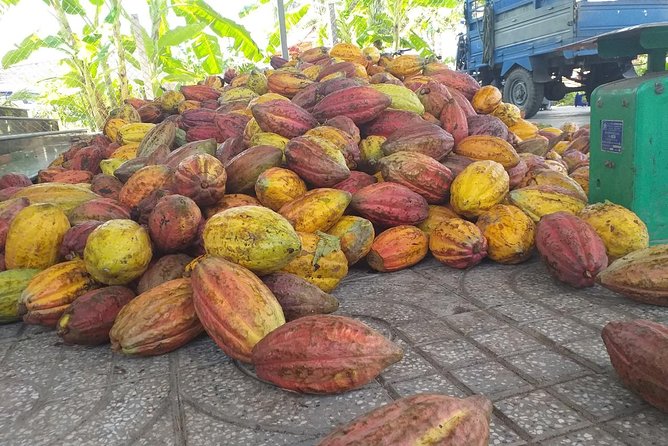
The Mekong Delta has a way of making time feel flexible. On this tour, you get two different floating-market moods, and that’s the big reason I think it’s worth doing as a guided package instead of trying to stitch together two separate day trips.
Cai Be is your first floating-market stop, and it’s a gentler on-ramp to the region. You’re there long enough to understand what you’re looking at—markets, daily trade, and how boats fit into village life. It’s also where you start seeing the delta beyond boats, with additional stops tied to local production, like traditional treats and crafts.
Cai Rang, the second market, is where the early timing really matters. You’re up at the stage where the Mekong still feels half-asleep, then you arrive when boats and activity are starting to build. That early start is not just for photos. It’s when you can actually make sense of the market layout and watch the rhythm without arriving after the peak rush.
If you love the idea of seeing the same kind of place at two different intensities, this tour does that well.
You can also read our reviews of more city tours in Ho Chi Minh City
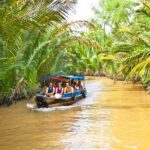
Hopping Off in the Van: Getting From Ho Chi Minh City Without the Headache
Logistics can make or break a Mekong trip. Here, pickup is handled from the Ho Chi Minh City area, with a stated pickup time of 7:30 AM on the first day (and about 6:30 AM breakfast and pickup on day two). That means you don’t need to figure out transport across multiple handoffs.
The tour uses a brand new minivan and includes drinking water. In plain terms: you’ll be comfortable while you’re doing the long driving portion, which is real on a delta tour. One of the most honest things I can say about the experience is that the schedule depends on road time; if you hate being stuck on the road, you’ll feel it.
The upside is that your day stays “one plan.” You don’t waste energy bargaining for rides or guessing which stop comes next. And because the group is capped at 10 travelers, you’re not wedged into a huge bus full of strangers.
Cai Be Floating Market + Local Crafts: Seeing Daily Trade Up Close
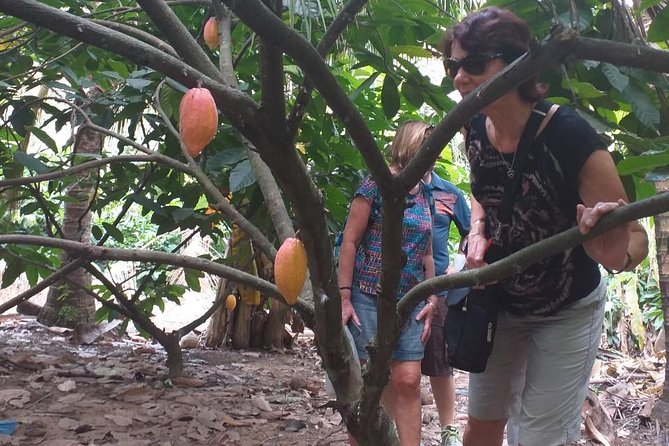
Cai Be Floating Market is where the tour starts to feel tangible. This is not only about looking at boats. It’s about understanding that these waterways are the local highway, and the market is an extension of daily life.
Along the way, you’ll also hit a local production stop tied to traditional goods. The day includes a visit to Kimmy Chocolate Manufacture, described as the largest handcrafted chocolate manufacturer, plus time to see how locals make familiar snack-style foods (including popped rice cake). Even if you’re not a chocoholic, I like these factory-style stops because they ground what you’re seeing on the water. You learn what people buy, sell, and snack on, and you’re not left thinking everything is just “tourist boats.”
What might not be perfect for everyone: you are on a schedule, so you won’t have the freedom to linger forever in any one spot. But if you want a balanced first taste of the delta—boats plus land-based craft—this combo works.
The Stork Sanctuary Stop: A Calmer Slice of Delta Life
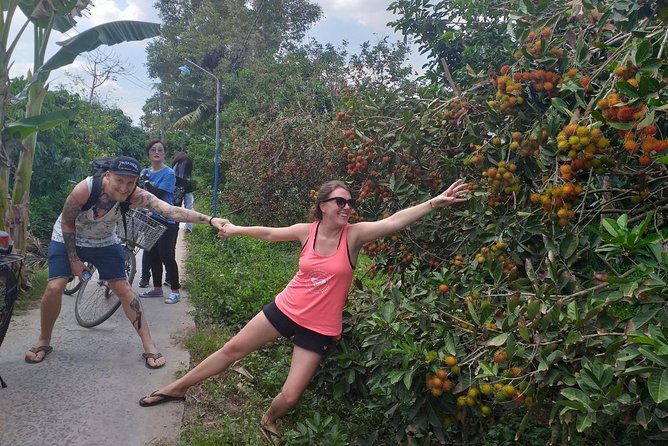
One of the more memorable parts is the stork sanctuary surrounded by traditional rice paddies. This is a meaningful contrast to the floating markets. The markets are about motion and commerce; the sanctuary is about stillness—watching birds in a landscape that feels agricultural and older than the crowds.
I like it because it breaks up the day. After you’ve been on boats and around busy market activity, you get a quieter change of pace that feels more like nature than a display. And it also helps you understand the delta as an ecosystem, not just a sightseeing circuit.
If you’re traveling in Vietnam for culture and nature rather than only markets, this stop is a strong reason to book this tour instead of doing only the big-name floating-market highlights.
Cai Rang at Dawn: Why the Morning Timing Matters
Cai Rang Floating Market is the marquee stop, and the tour treats it like one. You start with breakfast, then head out early—around 6:30 AM, with roughly 40 minutes to reach the market area.
That early timing is the difference between seeing a scene and understanding it. When you arrive early, you can:
- follow how boats cluster and move through the market area
- watch trade activity before the chaos thickens
- take photos without feeling like you’re shouting past everyone
The stop also includes time for local food production, with an included visit to places like noodle and rice paper manufacturing. This is one of those details that turns a scenic market visit into something you can explain later: you’ll connect the food you see sold on boats with how it’s made on land.
If you’re wondering whether this is too “touristic,” I’d say this style is always going to have a guided flavor—there are planned stops and a set pace. But the payoff is that you catch Cai Rang when it feels most alive.
You can also read our reviews of more shopping tours in Ho Chi Minh City

The Hands-On Mix: Boat Trip, Biking, and Kayaking
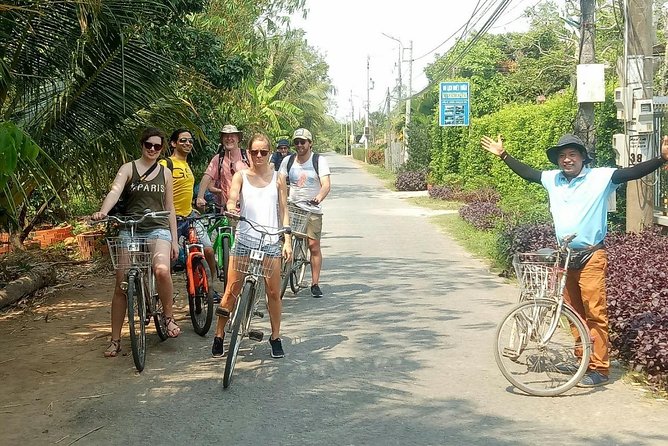
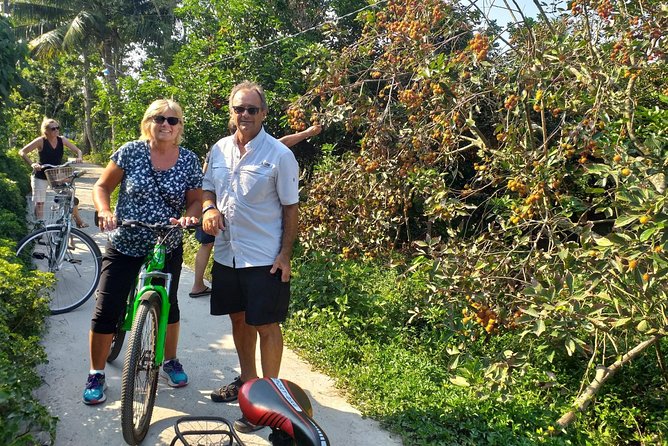
A lot of Mekong tours are mostly sitting. This one adds movement—boat trip, biking, and kayaking—so you feel like you’re traveling through the delta instead of just passing by it.
The boat component keeps you connected to the floating-market core: waterways, boat life, and the sense that everything is linked by channels. Then biking gives you a different angle, one that’s slower and more detailed. You’re able to see how the landscape is used, and you can feel the texture of the area—paths, small areas between waterways, and how close daily life runs to the water.
Kayaking is the wildcard that often becomes the favorite part for people who don’t just want pictures. Even without any wild promise of adrenaline, it’s usually the most personal way to experience narrow channels and quiet stretches between busier areas.
One practical consideration: bring something you can move in. Comfortable shoes and quick-dry clothes make the difference between a fun day and a day you spend adjusting everything.
Cooking Class: Turning What You See Into What You Taste
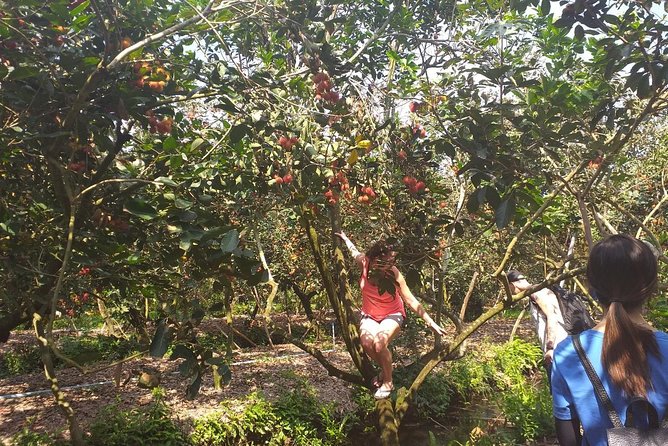
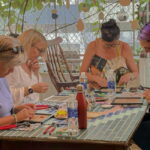
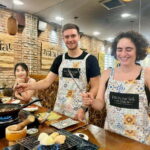
The tour includes a Vietnamese cooking class, and I think it’s a smart inclusion. Floating markets show you what food looks like; cooking shows you how it becomes food. It’s also a good way to slow down after active travel and still feel like you accomplished something.
I wouldn’t expect a culinary school level of detail here—this is still a tour—but you’ll come away with a better sense of why Vietnamese flavors work the way they do and how markets supply ingredients to everyday cooking.
If you love eating as part of travel, the cooking class is one of the best value add-ons. You’ll remember meals longer than you remember signage.
Meals + One Night in Can Tho: Hotel Comfort vs. Home-stay Atmosphere
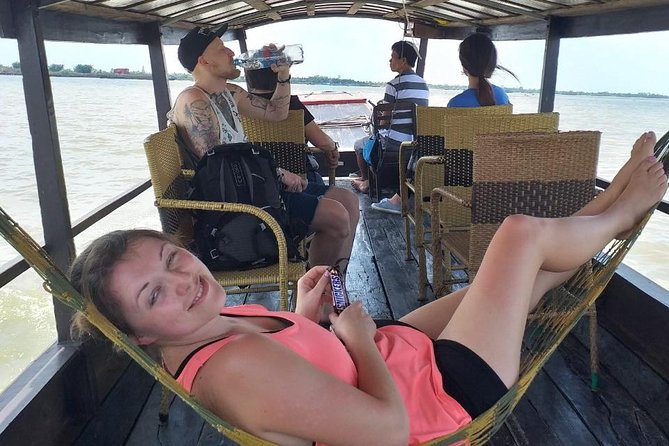
This is a two-day, one-night experience, and you get 1 night in a 4-star hotel or a home-stay (with home-stay dinner included). I like having this option because it matches different travel styles:
- If you want predictable comfort and quiet downtime, choose the 4-star hotel route.
- If you want a more local-feeling evening meal, the home-stay dinner can be a highlight.
For meals, you’re covered with breakfast and lunch (2) included. That matters on a long tour because it reduces decision fatigue. You’re not hunting for a safe meal after a busy morning on the water.
Price and Value: What $245 Covers (and What It Doesn’t)
At $245 per person, you’re paying for more than transport. The included list covers a lot of the “hidden costs” that add up on your own:
- breakfast and lunches
- all entrance fees
- boat trips plus bicycle and kayaking
- an English-speaking guide
- a brand new minivan and drinking water
- 1 night in accommodation (hotel or home-stay)
Not included: personal costs, travel insurance, and tips (not mandatory).
Here’s how I judge value for this kind of tour: you’re not just paying for views. You’re paying for a ready-made schedule that strings together transport, activities, meals, and access. The small group cap (max 10) also matters. In a packed bus, floating-market visits lose something—here, the pace feels easier to manage.
If you’re the type who would otherwise spend money on separate boat rentals, day tours, and market entry fees, the bundle starts to look more like a bargain than an indulgence.
Who This Mekong Tour Fits Best
I’d point this tour toward people who:
- want two floating markets in one trip
- like active travel (not only looking, but doing: biking and kayaking)
- enjoy food culture enough to do a cooking class
- prefer a small-group setup with an English guide
If you want maximum independence and you hate early mornings, you might find the schedule a bit busy. But if you’re traveling from Ho Chi Minh City and you want a low-stress way to reach the Mekong Delta highlights, this is built for you.
Should You Book It?
Yes, if you want a guided, efficient taste of the Mekong Delta that includes both big-name floating markets and hands-on activities. The combination of Cai Be + Cai Rang, a stork sanctuary break, and active experiences like kayaking and biking is what makes the trip feel like more than a checklist.
If you strongly dislike long driving days or you’d rather linger in one place at your own pace, consider whether a set schedule is your style. Otherwise, this tour is a practical way to see the delta’s main beats without doing the planning grind.
FAQ
What’s included in the tour price?
The tour includes breakfast, two lunches, all entrance fees, boat trips, bicycle and kayaking, an English-speaking guide, drinking water, and one night in either a 4-star hotel or a home-stay (with home-stay dinner included).
Do I get picked up from Ho Chi Minh City?
Yes. Pickup is offered from your Ho Chi Minh City hotel area, with a stated pickup time of 7:30 AM on day one and about 6:30 AM around day two (after breakfast).
Which floating markets do we visit?
You visit Cai Be Floating Market on day one and Cai Rang Floating Market on day two.
How many people are in the group?
The tour has a maximum group size of 10 travelers.
What activities are included besides the floating markets?
You’ll also do a boat trip, biking, kayaking, and a Vietnamese cooking class.
Where do we stay overnight?
You’ll have one night in either a 4-star hotel or a home-stay. The home-stay option includes dinner.
Are tickets and entrance fees covered?
Yes. Entrance fees and admission tickets are included, along with the included activities.
Can I cancel and get a full refund?
You can cancel up to 3 days in advance of the experience for a full refund. If you cancel less than 3 full days before the experience’s start time, the amount paid is not refunded.
Is this tour suitable for most people?
Most travelers can participate, and the tour is designed to be doable for a wide range of visitors.