REVIEW · HO CHI MINH CITY
Ho Chi Minh City: Vietnamese Lotus Tea Culture Experience
Book on GetYourGuide →Operated by CÔNG TY CỔ PHẦN SẢN XUẤT THƯƠNG MẠI DỊCH VỤ TRÀ VIỆT · Bookable on GetYourGuide
Lotus tea turns tea time into a craft lesson. This Ho Chi Minh City workshop pairs lotus-bud brewing with a guided tasting of Tay Ho Lotus Tea, plus a hands-on scenting and keepsake. One consideration: you’ll handle real lotus flowers and tea leaves, so it isn’t a fit for everyone.
I like that the experience is calm and structured, not a rushed demo. You start with tea culture context, then watch a master artisan work, then you get to make your own lotus-scented tea blend. The result is a souvenir you can actually bring home, not just photos.
For most people, it’s a great value for $15 because you’re paying for multiple parts in one sitting: learning, tasting, a performance, and a take-home lotus flower. If you’re short on time or dislike anything floral, you may want to skip it.
In This Review
- Key Things I Think You’ll Care About
- Finding The Workshop Opposite Bitexco Tower
- Tea Culture Basics You Start With
- Live Lotus-Bud Brewing Performance with Ky
- Tasting Tay Ho Lotus Tea and Adding Fresh Lotus
- Making Your Own Lotus Flower Tea Keepsake
- Price, Value, and Who This Workshop Fits
- Should You Book This Lotus Tea Workshop?
- FAQ
- What is included in the $15 per person ticket?
- Where is the meeting point in Ho Chi Minh City?
- Is transportation to the venue included?
- Can I buy extra tea after the tasting?
- Is the workshop suitable for wheelchair users or young children?
- What languages are supported?
Key Things I Think You’ll Care About
- Opposite Bitexco Tower location: Easy District 1 pickup point, near Nguyen Hue Walking Street.
- Live brewing in lotus buds: You watch the method that turns lotus buds into a brewing vessel.
- Tay Ho Lotus Tea tasting: You get guided sensory time with the tea that’s famous from West Lake.
- Fresh lotus scenting practice: You’ll try infusing petals to understand how fragrance gets built.
- Your own lotus flower filled with tea: A real keepsake, with step-by-step help.
- English-speaking support + English guidebook: The workshop is designed for visitors who want clear instruction.
Finding The Workshop Opposite Bitexco Tower
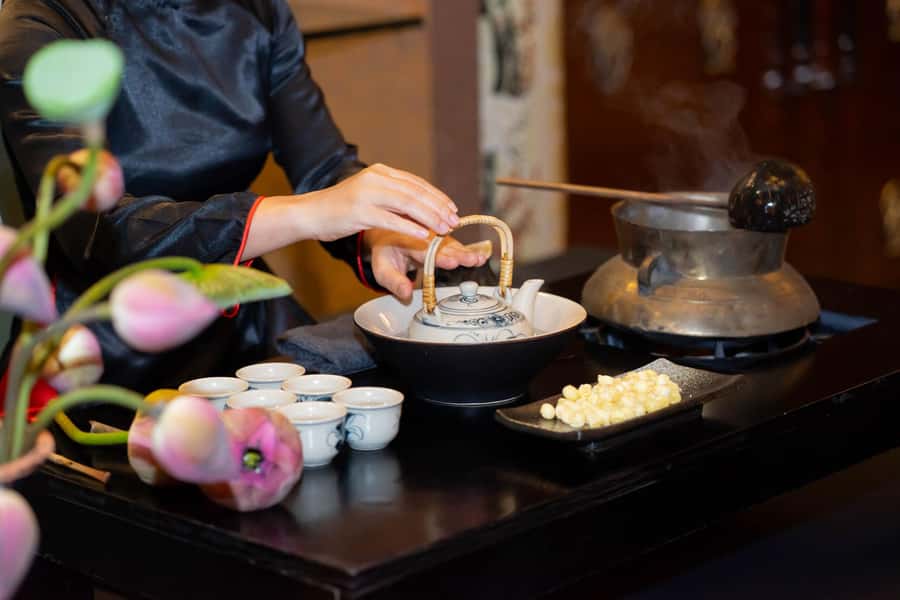
This experience is set up right in District 1, which matters because tea culture is easiest to enjoy when you’re not scrambling around the city. The meeting point is at 19 Hai Trieu Street, Ben Nghe Ward, District 1, on the 2nd floor of a local apartment building, directly opposite Bitexco Tower. It’s also about a 1-minute walk from Nguyen Hue Walking Street, so you can combine it with an evening stroll afterward.
Transportation isn’t included, so I’d plan to arrive on your own. If you’re using a rideshare or taxi, drop yourself at the Bitexco Tower side of Hai Trieu Street and look for the 2nd-floor showroom entrance across the street.
You’ll start and finish at the same meeting point. That’s helpful because you don’t need to guess your way between stops or worry about last-minute transfers. Photo time is also built in during the traditional tea setting part of the experience.
One more practical note: you’ll be handling lotus flowers and tea leaves during the workshop. If you’re wearing overly delicate clothing or you’re worried about staining, dress with that in mind.
You can also read our reviews of more city tours in Ho Chi Minh City


Tea Culture Basics You Start With
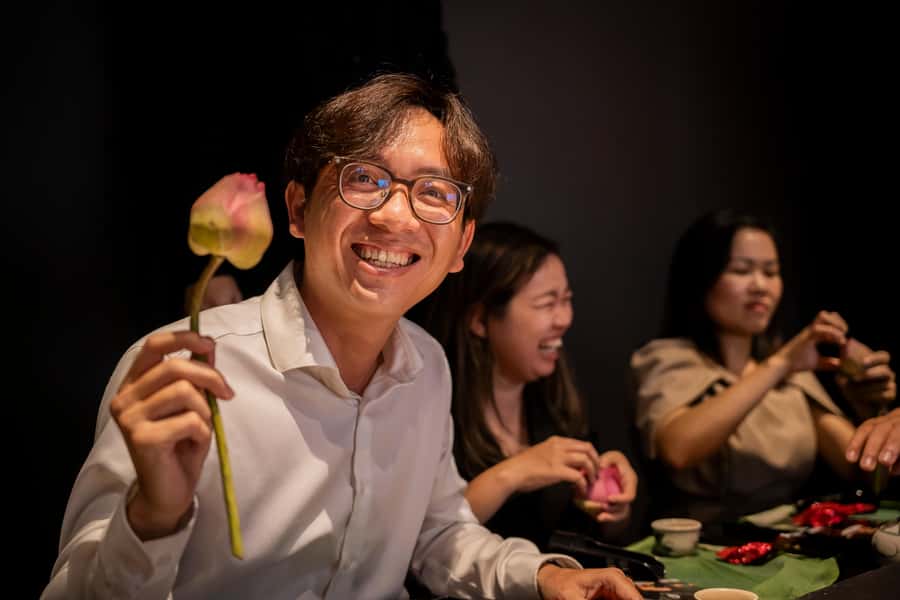
Before anyone pours, you get the why behind the tea. The opening segment is an introduction to Vietnamese tea culture—its roots and how tea connects to everyday life and ceremonial moments. The point isn’t just trivia. It helps you understand what you’re tasting later and why lotus tea is treated like a craft, not a gimmick.
You also learn the story behind West Lake Lotus Tea, described as a time-honored delicacy that reflects elegance and careful handwork. The key detail you’ll hear is that this tea is handcrafted using real lotus flowers, which sets up what comes next: the workshop isn’t about a flavored tea bottle. It’s about a specific process and a specific ingredient.
This context also helps you notice the difference between plain tea and lotus-scented tea. When you know that the lotus is part of the method, you’re more likely to pick up subtle fragrance changes during the tasting. And during the performance, you’ll recognize what the artisan is trying to preserve through patience and technique.
If you like cultural experiences that also have a hands-on outcome, this first step pays off. It gives you a mental map so the later parts feel purposeful instead of random.
Live Lotus-Bud Brewing Performance with Ky
The centerpiece is the live performance by a skilled tea artisan. In the workshop, the artisan demonstrates the refined art of brewing tea inside fresh lotus buds—an approach passed down through generations. You’re not watching a scripted, overly polished show. You’re seeing how technique and timing work together.
One of the most valuable parts here is that it’s explained as a process. You’ll be guided through what’s happening and why the lotus buds matter. That turns the moment from pretty to practical: you start understanding what affects the aroma and the overall cup.
In the reviews, the tea presenter Ky is mentioned as particularly informative and friendly, and you’ll likely appreciate that kind of clarity when the brewing method looks delicate. Ky’s role is essentially to translate the craft into something you can actually follow—so you know what to look for during tasting and what to try when it’s your turn.
Even if you’ve never seen lotus-bud tea brewing before, you shouldn’t feel lost. The workshop is built around guided participation, not silent observation. And since you’ll take photos in a traditional tea setting, you can also document what you learn without turning the experience into a nonstop camera session.
Tasting Tay Ho Lotus Tea and Adding Fresh Lotus
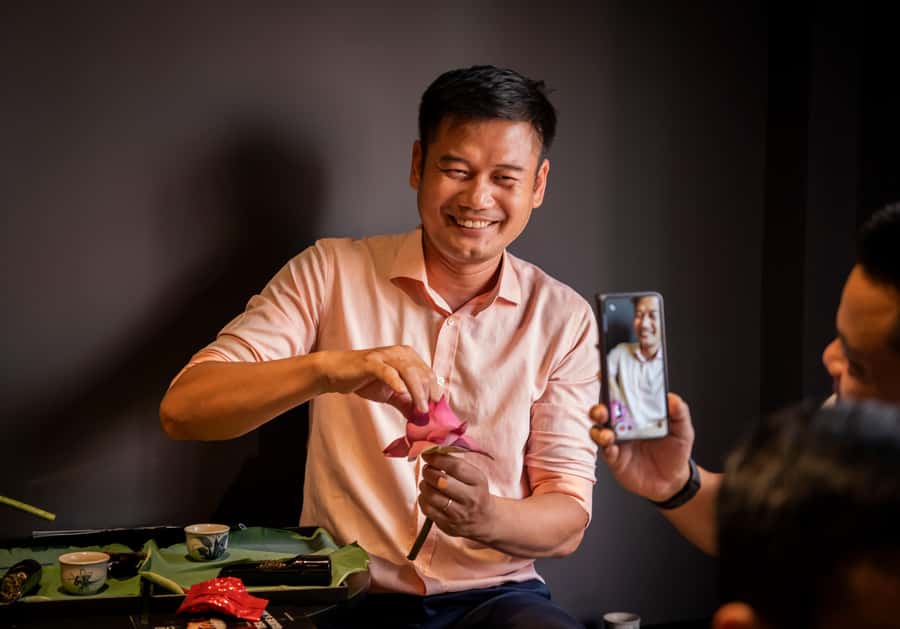
After the performance, you move into tasting. The tea offered includes Tay Ho Lotus Tea, tied to the West Lake tradition. During this session, you get guidance to help you notice the tea’s delicate flavor and fragrance notes. This is one of the highest-value parts if you’re the type who likes to learn how to taste, not just drink.
Then comes the scenting practice. You’ll try infusing tea with fresh lotus petals yourself. This step is gentle and meditative by nature, and it’s also where you learn something important: lotus-scenting isn’t magic. It’s timing, handling, and care—small actions that change what you smell in the cup.
Here’s the practical angle: by doing it with fresh petals, you get a clear sense of how fragrance transfers. Even if you don’t know the tea vocabulary, you can still learn what your senses pick up when the process changes. That’s how the workshop becomes more than entertainment.
You’ll also understand why the lotus flower is treated like a reusable piece of craft rather than a decorative garnish. The workshop repeatedly brings you back to the idea that the lotus is part of the tea-making structure, not just a scent layer added at the end.
Making Your Own Lotus Flower Tea Keepsake
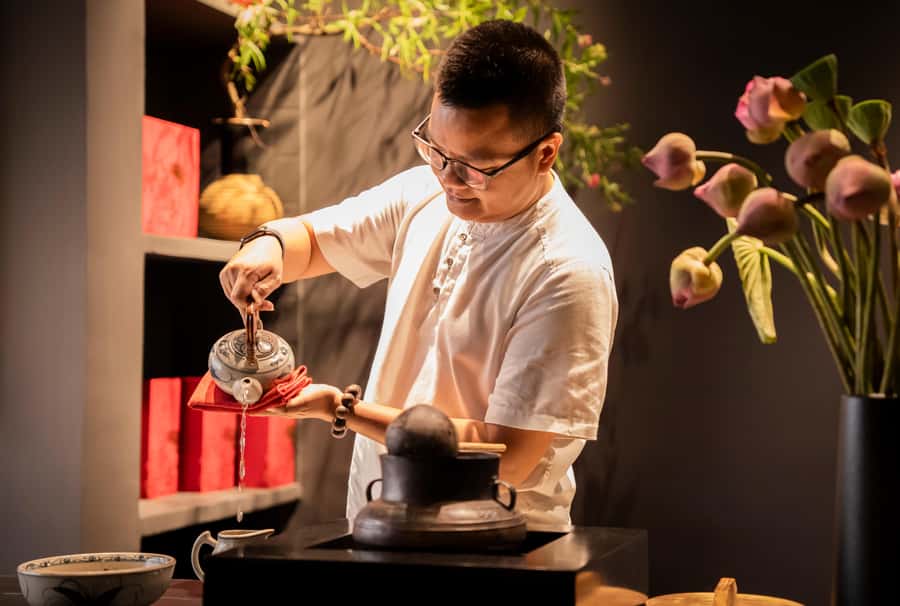
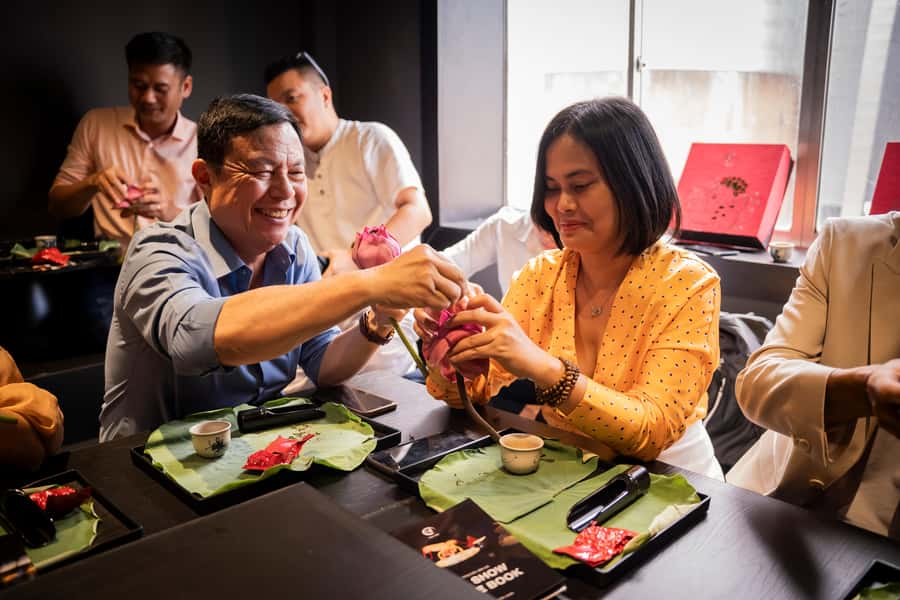
This is the part you’ll remember most because you take something home. You’ll create a personalized lotus tea souvenir using real lotus flowers—with step-by-step guidance on how to place tea leaves into lotus flowers.
The included keepsake is straightforward but meaningful: you receive 1 lotus flower filled with your own tea blend. It’s not a tiny sachet meant to be forgotten in a drawer. It’s a tangible example of the method, and it connects your hands-on effort to what you tasted earlier.
You’ll learn how to insert the tea leaves carefully, just as it’s done in traditional tea-making. In practical terms, this teaches patience and restraint. If you rush, the result won’t feel the same. If you follow the guidance, you get a finished keepsake that feels authentic because it’s made the same way you learned it.
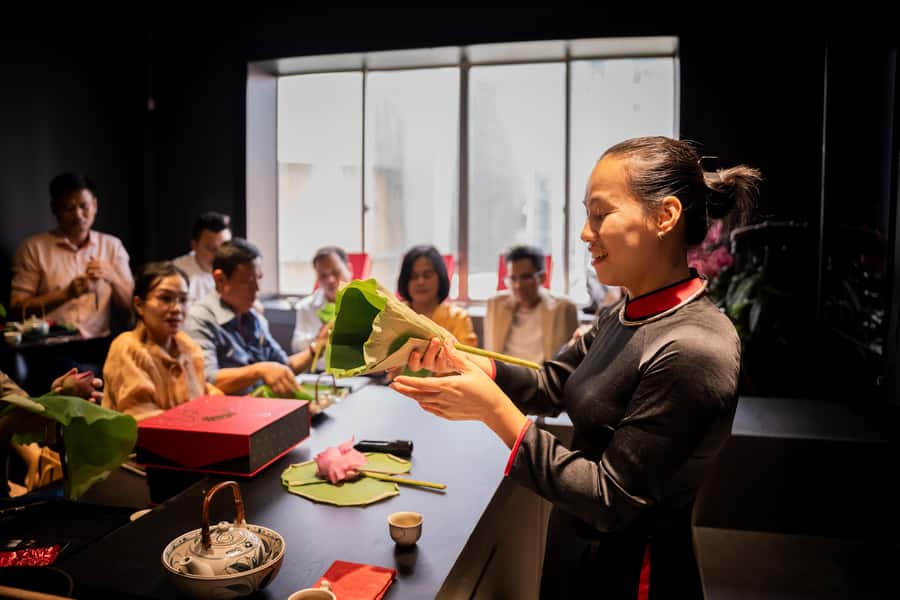
You’ll also likely appreciate the English support here. An English-speaking host and artisan guide you through the steps, and there’s an English guidebook in case you want to review what you did or refresh the process later.
If you’re a souvenir person, this beats many “culture” activities because the product is the lesson. And if you’re buying gifts, this is one of those practical food-and-aroma souvenirs that feels personal rather than generic.

Price, Value, and Who This Workshop Fits
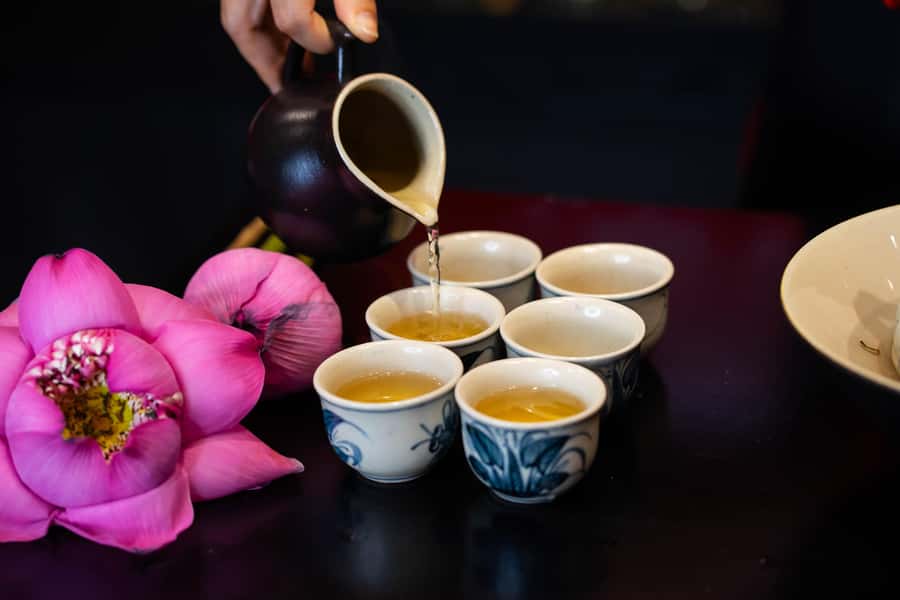
At $15 per person, the math works when you compare it to what you get in one session: tasting, a live lotus-bud brewing performance, lotus scenting practice, and a take-home lotus flower filled with your own tea blend. Many experiences charge that kind of price for just one part—like tasting only—or for watching without a real creation moment.
Here’s why it’s good value for your time: you’re getting both “see” and “do.” You watch the artisan work, then you replicate parts of that craft. That matters because tea culture is hard to understand from description alone. Doing it helps you catch the nuance.
This workshop fits best if you:
- Want a calmer break from the noise of Ho Chi Minh City
- Like cultural activities that include a real hands-on outcome
- Enjoy tea and want to learn how scenting and technique affect the cup
- Prefer experiences with clear English support and an English guidebook
It may not fit if you:
- Need wheelchair accessibility (it’s not suitable for wheelchair users)
- Are bringing very young children (not suitable for children under 2)
- Don’t want to handle real lotus flowers and tea leaves
Should You Book This Lotus Tea Workshop?
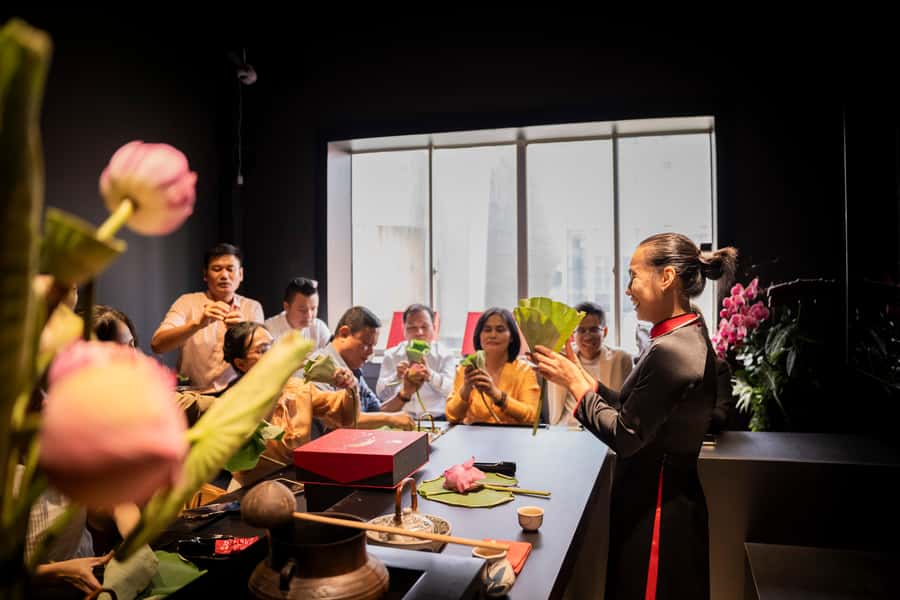
I’d book it if you want something culturally specific and tactile in Ho Chi Minh City, not just a quick tasting with no deeper participation. The combination of the lotus-bud brewing performance, guided Tay Ho Lotus Tea tasting, and the take-home lotus flower filled with your own tea blend makes it feel like you truly learned something—not just sampled it.
I’d skip it if you’re uncomfortable with floral handling or you’re expecting a long, travel-style excursion with lots of walking and sightseeing. This is a workshop experience. The focus is tea craft, scent, and technique, all in one place—right by Bitexco Tower.
FAQ
What is included in the $15 per person ticket?
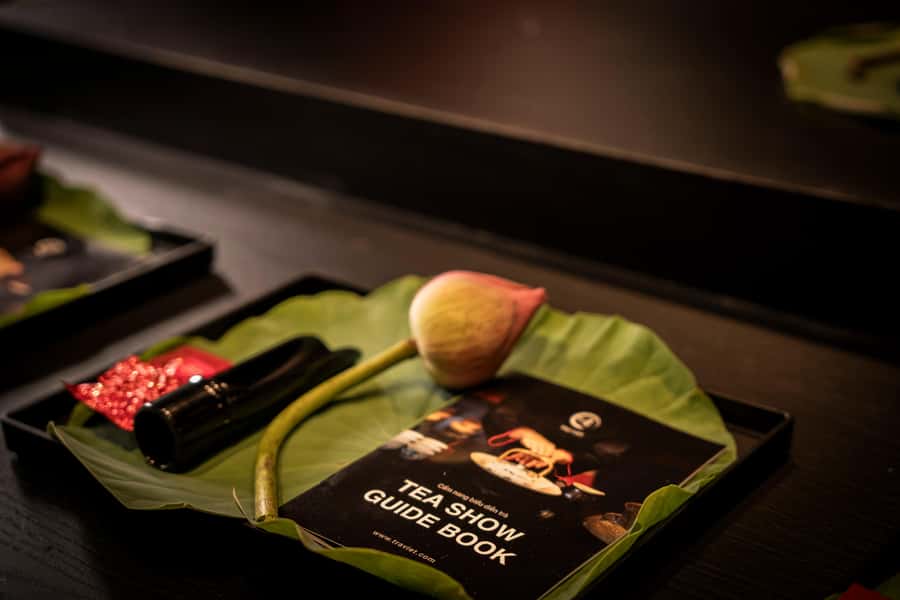
You’ll get a tea tasting session, a hands-on lotus tea scenting activity, and 1 lotus flower filled with your own tea blend. You’ll also have access to a tea show guidebook in English, photo opportunities in a traditional tea setting, and an English-speaking host and artisan.
Where is the meeting point in Ho Chi Minh City?
The showroom is at 19 Hai Trieu Street, Ben Nghe Ward, District 1, on the 2nd floor, directly opposite Bitexco Tower. It’s about a 1-minute walk from Nguyen Hue Walking Street.
Is transportation to the venue included?
No. Transportation to the venue is not included, and the activity ends back at the same meeting point.
Can I buy extra tea after the tasting?
Additional tea purchases are available on request, but they are not included in the ticket price.
Is the workshop suitable for wheelchair users or young children?
It is not suitable for wheelchair users. It is also not suitable for children under 2 years.
What languages are supported?
The experience is listed with Armenian as a language option, and it also includes an English-speaking host & artisan plus an English guidebook.