REVIEW · CU CHI TUNNELS
Cu Chi Tunnels and Saigon City Private Tour
Book on GetYourGuide →Operated by Vn biketour · Bookable on GetYourGuide
Cu Chi Tunnels in one day is a powerful plan. You get hands-on time in the underground maze and a private guide to connect it all to Vietnam’s wartime story and Saigon’s architecture. I also like how the tour breaks the day into clear chunks: tunnels first, then museums and classic city stops.
A real consideration: you’ll likely crawl through narrow tunnel sections, so comfortable shoes and a willingness to squeeze are important.
In This Review
- Key things to know before you go
- Cu Chi Tunnels: What You Actually Do Underground
- The Saigon Pickup and the Drive with Real Vietnam Views
- The Cu Chi Film, Then Crawling the Tunnel Network
- Wartime Tastings: Tapioca with Pandan Tea (and Why It Matters)
- Saigon City After Cu Chi: Museum and Palace Choice
- French Colonial Architecture: Notre Dame Cathedral and Central Post Office
- Jade Emperor Pagoda: A Spiritual Stop with Everyday Meaning
- Ben Thanh Market: Fruits, Snacks, and a Friendly Slice of Saigon
- Price and Value for an 8-Hour Private Day
- Timing, Comfort, and Who This Tour Fits Best
- Practical Tips Before You Go
- Should You Book This Cu Chi and Saigon Private Tour?
- FAQ
- How long is the Cu Chi Tunnels and Saigon City private tour?
- What’s included in the tour price?
- Do I get to crawl through the Cu Chi Tunnels?
- Which Saigon attractions are included?
- What food and tastings are provided?
- Are there options for tour languages?
- Is there any extra cost during Lunar New Year?
Key things to know before you go
- You’ll crawl the tunnels: expect tight spaces as part of the experience
- A short Cu Chi documentary helps you frame what you’re about to see
- Two Saigon history options: War Remnants Museum or Reunification Palace
- French colonial stops: Notre Dame Cathedral and Saigon Central Post Office
- Local food moments: wartime tapioca with hot pandan tea, plus lunch and market fruit
Cu Chi Tunnels: What You Actually Do Underground
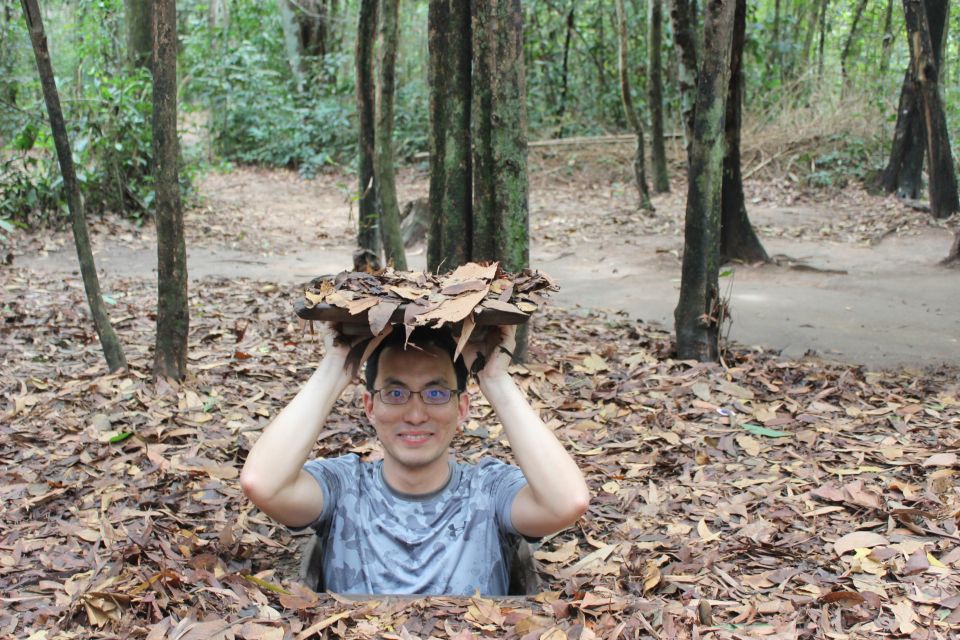
This day starts with the main event: Cu Chi Tunnels, the underground network created during the war. The tour isn’t just a walk-and-photo stop. You’re taken through areas that require you to go low, squeeze in, and move through narrow passageways to get a real sense of what life and movement were like underground.
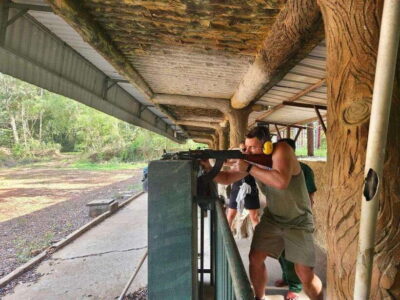
Before you crawl, there’s a short documentary film. That matters because it gives you the map in your head: how the tunnels were used, why they were built, and what the system was meant to accomplish. When you drop into the tunnel afterward, the details land better. You also learn about the weapons used during the war, not just the tunnels themselves.
Here’s the practical bit: wear comfortable shoes and be ready to go at a slow pace. The point is not speed. It’s getting through the experience without rushing and without tripping over your own feet in tight spaces.
You can also read our reviews of more city tours in Cu Chi Tunnels
The Saigon Pickup and the Drive with Real Vietnam Views
You’ll be picked up from your hotel in Saigon, and the tour uses an air-conditioned private car. Pickup time is flexible, with a normal start around 8 AM and a finish around 5 PM. That timing is useful because it gives you daylight for the city portion later, without burning your whole day.
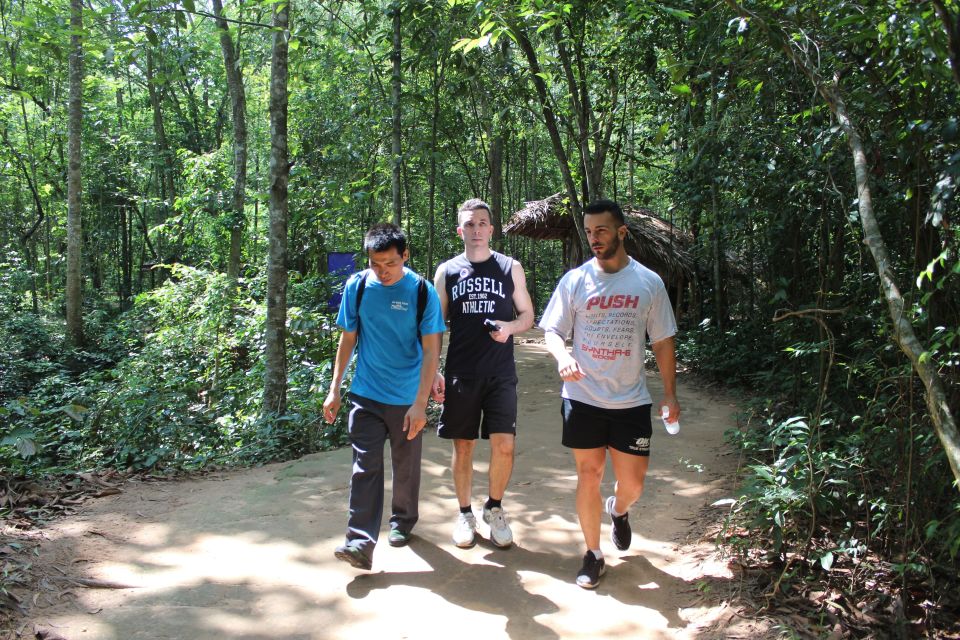
On the drive to Cu Chi, you’ll pass agricultural areas and stretches of jungle scenery. Even if you’re mostly focused on the tunnels, I like this part because it turns a long ride into something you can actually look at. It also makes the transition from city noise to war-era reality feel less abrupt.
The Cu Chi Film, Then Crawling the Tunnel Network
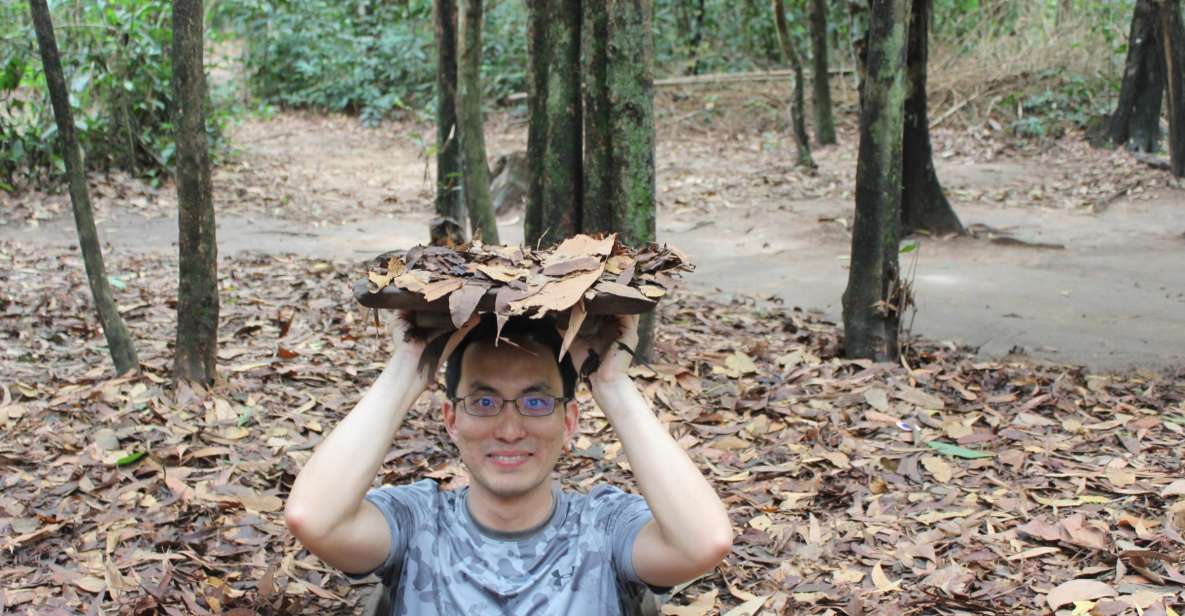
Once you arrive at Cu Chi, the rhythm is straightforward. You watch the short documentary, then you move into the tunnel area. The experience is built around the underground construction: tunnels dug out by hand, reinforced and organized for movement and survival.
When it’s time to crawl, expect narrow sections. The guides walk you through what you’re seeing and what it meant. The best part is that it’s not theoretical. You feel how movement changes when your space disappears.
One more detail worth noting: this is not framed as a movie set. It’s presented as a working underground network built in wartime conditions, and you’re given context while you’re actually in the space.
Wartime Tastings: Tapioca with Pandan Tea (and Why It Matters)
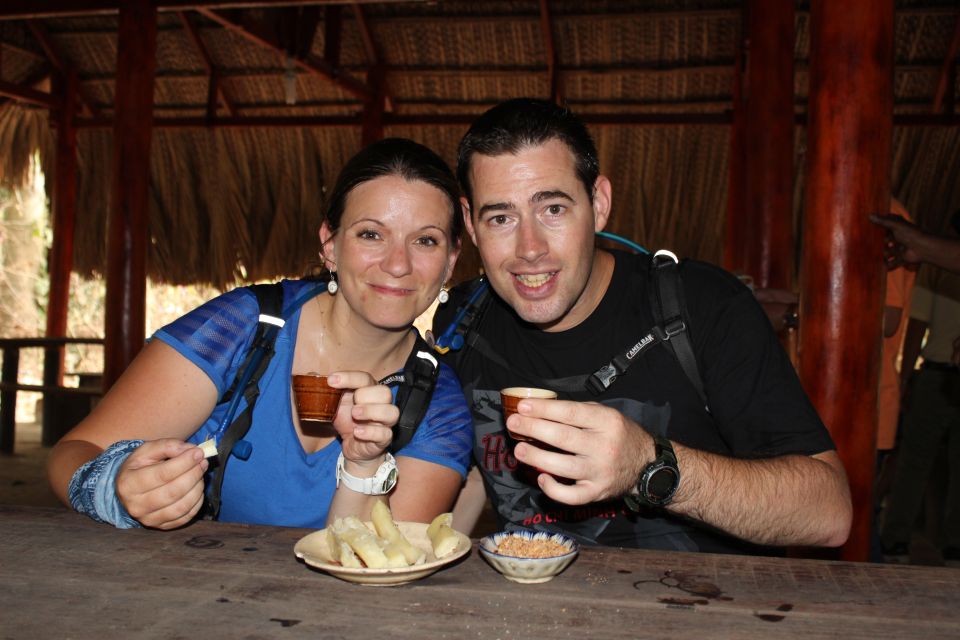
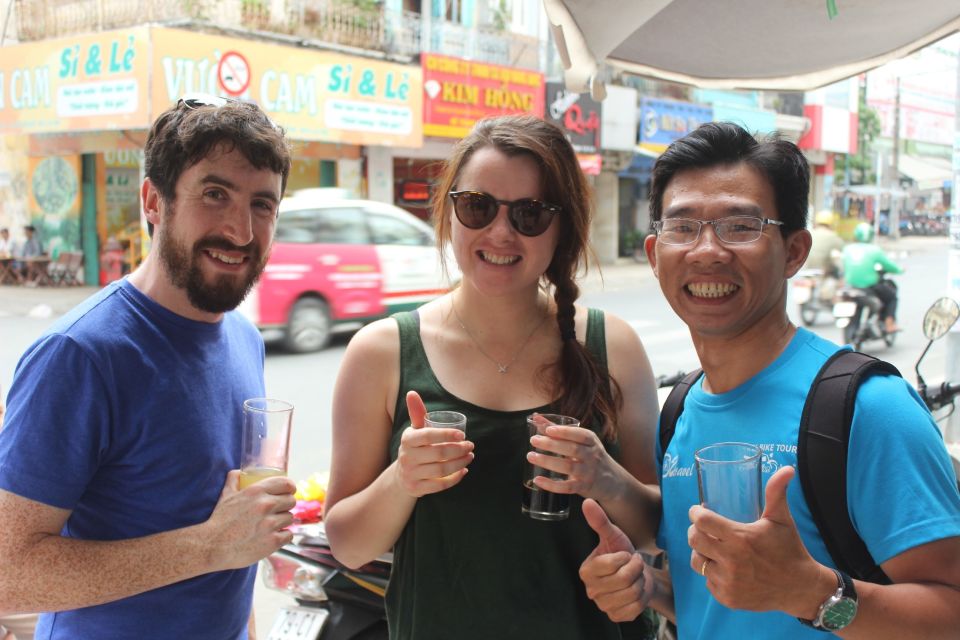
After the underground crawl, you’ll get a small wartime food tasting: boiled tapioca served with hot pandan tea. It’s an intentionally simple pairing. That simplicity is the point. It connects the tunnel story to food that was available and practical under extreme conditions.
I like that the tasting doesn’t try to be fancy. It’s a direct “this is what people ate” moment, placed right where your brain is already thinking about survival, scarcity, and day-to-day routines.
Then you’ll have lunch (included). The tour also includes bottled water, which you’ll appreciate since Cu Chi and Saigon combined can add up to heat and walking time.
Saigon City After Cu Chi: Museum and Palace Choice
Back in Saigon, the schedule shifts from underground history to visible history. You’ll visit the War Remnants Museum to learn more about the American war in Vietnam, or you can choose to stop at the Reunification Palace, a major landmark for its history and architecture.
If you want deeper museum context, the War Remnants Museum option is the obvious match. It’s built around the wartime narrative and the ways conflict shaped daily life and the country’s trajectory. If you’re more into buildings and political milestones you can actually see, the Reunification Palace option is a strong alternative. Either way, you’ll come away with a clearer picture of how Vietnam moved through the war and into what followed.
This choice is also a nice way to tailor the day to your own interests. You don’t have to force yourself to love both. Pick what fits your curiosity.


French Colonial Architecture: Notre Dame Cathedral and Central Post Office
Next up are the classic Saigon landmarks that give you a totally different vibe from Cu Chi. You’ll stop at Notre Dame Cathedral and Saigon Central Post Office, both recognized for their French colonial architecture.
What I like about this combo is how easy it is to connect architecture to history. You’re going from wartime underground survival to the city’s visible European-era styling in a single afternoon. Even if you’re not an architecture nerd, these stops help you see Saigon’s layered past.
Give yourself a moment at each location to slow down. Look at the details. Take a few minutes to notice proportions, materials, and the street-level feeling. These aren’t just “standing by a landmark” visits. They’re small pauses where you get a sense of how the city was shaped.
Jade Emperor Pagoda: A Spiritual Stop with Everyday Meaning
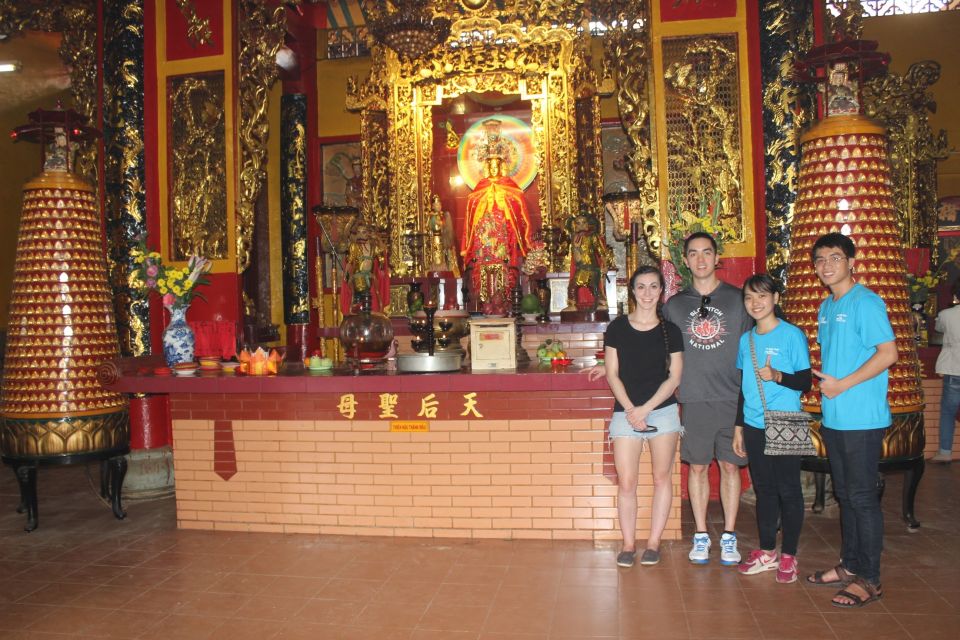
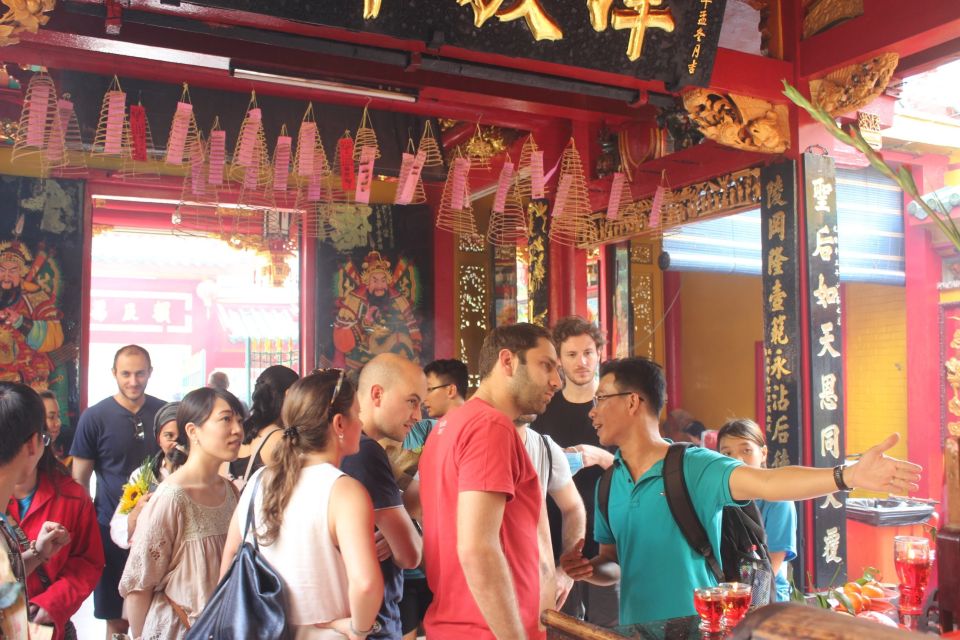
You’ll also visit the Jade Emperor (King of Heaven) Pagoda. This is a spiritual place where local Vietnamese and Chinese people pray for fertility and love.
I appreciate stops like this because they’re not only about sightseeing. You’re seeing how faith fits into real life—something people return to for hope, family, and relationships. It’s also a good reminder that Vietnam’s story isn’t only war and politics. It’s daily rituals and beliefs, too.
Be respectful when you’re there, and move at a pace that won’t slow others down. This stop works best when you treat it as a place of worship, not a backdrop.
Ben Thanh Market: Fruits, Snacks, and a Friendly Slice of Saigon
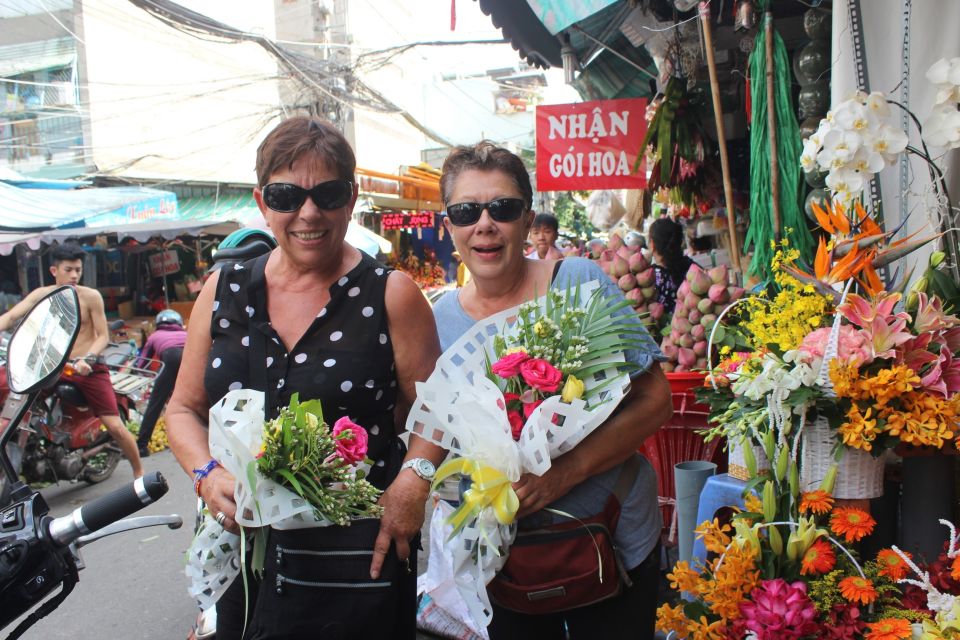
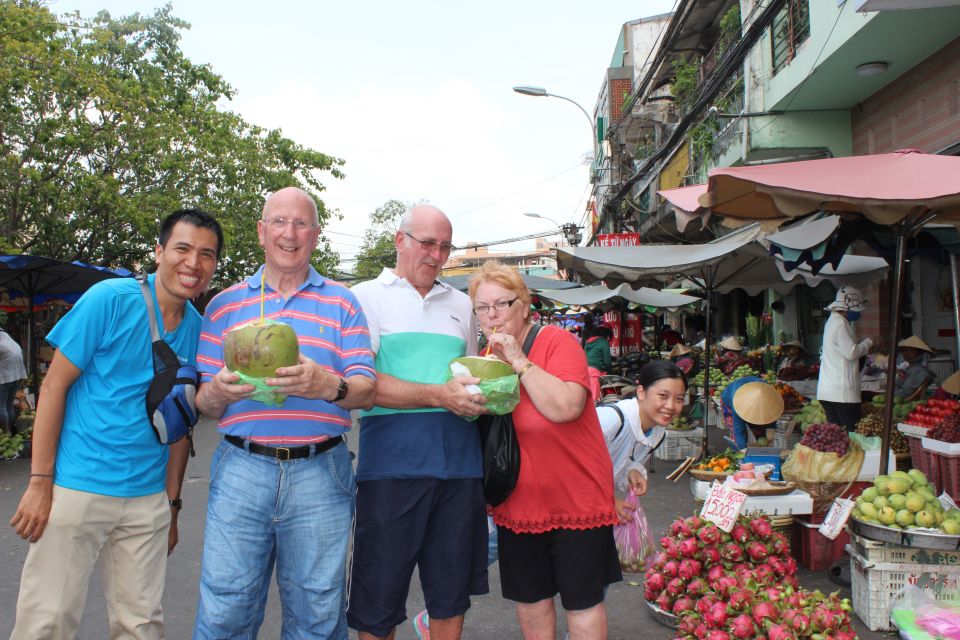
Then comes Ben Thanh Market, one of Saigon’s most lively must-sees. This is where the tour turns outward again, with a more everyday energy. You can try fresh seasonal fruits, and you’ll meet friendly local sellers.
I like that the market stop includes tasting opportunities rather than just a walk-through. Fruit is a simple win here. It’s refreshing after Cu Chi and it adds a current, local flavor to the day.
Keep in mind that markets are active and sometimes crowded. If you prefer a calm shopping rhythm, go slowly, stick to what you want, and let the guide help you navigate what’s worth trying.
Price and Value for an 8-Hour Private Day
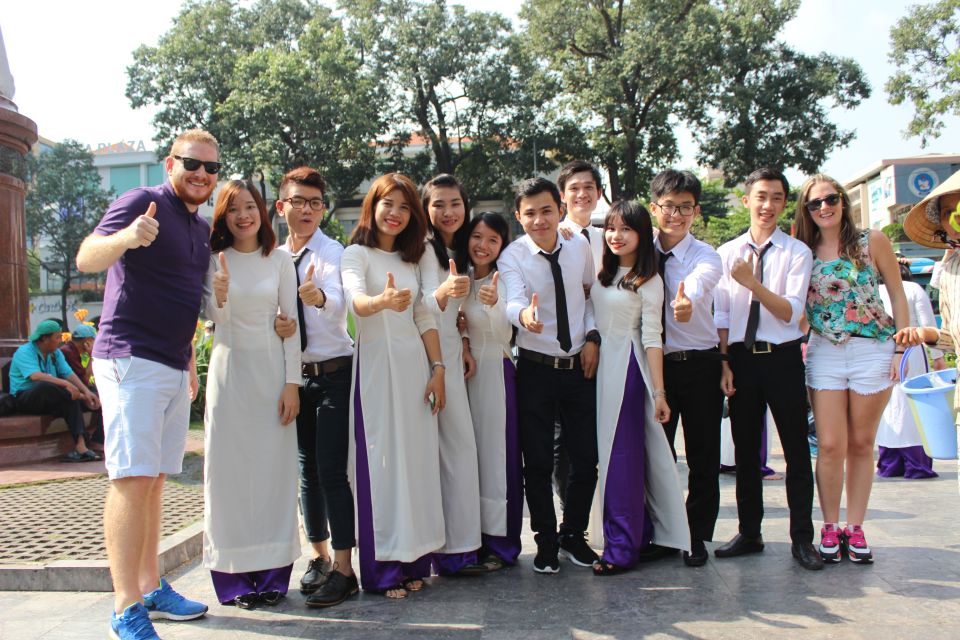
At $108 per person for an 8-hour private tour, the value comes from the “all-in” structure. You’re not just paying for a car. You’re paying for an English-speaking guide, pickup and drop-off in Saigon, entrance fees, bottled water, lunch, and tastings (tapioca and hot pandan tea plus tropical fruits at the market).
For many people, the biggest value is the private format. You can ask questions, adjust your pace, and focus on what you care about most—especially with the museum vs palace choice built into the day.
Also, the tour includes a “skip the ticket line” style benefit, which saves time during busy moments. That matters on a day this packed, because every extra minute you’re standing around is a minute you lose for the tunnels or the city stops.
One note for planning: if you travel during Lunar New Year holiday dates listed as 8.2.2023–13.2.2023, there’s a 30% surcharge on the total price. If your dates fall near that period, it’s worth checking the updated total.
Timing, Comfort, and Who This Tour Fits Best
This is an 8-hour private tour that typically runs from around 8 AM to about 5 PM. You’ll be in a car for the long Saigon-to-Cu Chi leg, then you’ll switch gears to multiple stops in the city.
It fits best if you:
- Want both Cu Chi and major Saigon highlights in one day
- Like having a guide explain what you’re seeing
- Are comfortable walking and spending time in museums or historic buildings
- Don’t mind crawling in tight spaces underground (this is the big one)
It may be less ideal if you:
- Avoid confined spaces and have mobility concerns
- Prefer a more relaxed, non-physical sightseeing pace
For most people who want a full day with real context, this is a strong format. It’s not shy about its main attraction—Cu Chi tunnels—and it uses that experience to set up the rest of Saigon’s history and architecture.
Practical Tips Before You Go
A few choices make the day smoother:
- Wear comfortable shoes you trust on uneven ground
- Plan for heat and walking in Saigon after Cu Chi
- Bring a small water-friendly mindset even though bottled water is included
- If you’re unsure about the tunnel crawling, ask your guide what to expect for the route and pace
Also, pets aren’t allowed on this tour. If you’re traveling with animals, you’ll need alternative arrangements.
Should You Book This Cu Chi and Saigon Private Tour?
I’d recommend booking if you want a day that meaningfully connects underground wartime survival with Saigon’s visible history. The Cu Chi tunnels experience is the headline, and the fact that you get context before crawling is exactly how you make the day stick. Add in lunch, tastings, and the guided options in Saigon, and you get a schedule that feels packed without turning into chaos.
If you dislike tight spaces, or you’d rather skip anything physical, then treat this as a “no” for your situation. But if you’re game for the tunnel crawl and you want classic Saigon stops—War Remnants Museum or Reunification Palace, plus French colonial landmarks, Jade Emperor Pagoda, and Ben Thanh Market—this private tour is a smart way to spend a single day with high value and strong direction.
FAQ
How long is the Cu Chi Tunnels and Saigon City private tour?
The duration is listed as 8 hours, with pickup from your Saigon hotel. The tour usually starts around 8 AM and ends around 5 PM.
What’s included in the tour price?
The tour includes a private air-conditioned car, free pickup and drop-off in Saigon, an English-speaking tour guide, lunch, bottled water, entrance fees, a light snack of tapioca and tea, and tropical fruits at the local market.
Do I get to crawl through the Cu Chi Tunnels?
Yes. Part of the experience includes discovering the tunnel network and crawling through narrow tunnels as part of the visit.
Which Saigon attractions are included?
You’ll visit Saigon highlights such as Notre Dame Cathedral and Saigon Central Post Office for French colonial architecture, Jade Emperor Pagoda, and Ben Thanh Market. You’ll also visit either the War Remnants Museum or Reunification Palace (one of the two).
What food and tastings are provided?
You get lunch, plus a light wartime snack of boiled tapioca with hot pandan tea. The market stop also includes tropical fruits.
Are there options for tour languages?
Yes. The tour lists Chinese, English, French, and Japanese. An audio guide is also included in English, French, Chinese, and Japanese.
Is there any extra cost during Lunar New Year?
The information provided notes a 30% surcharge on the total price for the Lunar New Year holiday dates 8.2.2023–13.2.2023.