REVIEW · HO CHI MINH CITY
Ho Chi Minh City: Saigon Morning Markets Tour by Motorbike
Book on GetYourGuide →Operated by CONNECT CULTURE CO.,LTD · Bookable on GetYourGuide
Saigon wakes up fast, and this tour gets you in early. You’ll ride between real neighborhoods and stop at a wide mix of markets, from fish and flowers to lanterns, medicine, and even motorbike spare parts. What I like most is the morning freshness and colors, when stalls are full and people are already shopping, plus the way the guides help you read what you’re seeing instead of just passing by. Guides like Anh or Vincent are the kind of people who turn traffic chaos into a calm, fun ride.
The one thing to think about is comfort and footwear. You’re on a motorbike a lot, and the tour says sports shoes aren’t allowed, so plan for safe, practical shoes you can wear in Vietnam’s street conditions.
In This Review
- Key things you’ll notice on this Saigon motorbike market tour
- Morning markets in Ho Chi Minh City: why 8:00 AM feels like the best time
- Motorbike backstreets: the practical shortcut to a more local Saigon
- Market variety that actually feels different: fish, flowers, lanterns, medicine, and more
- Food and seafood energy: fish markets and everyday shopping
- Animal markets: intense, so go in with the right mindset
- Flowers and lanterns: where Saigon’s mood turns visual
- Floating-market scenes: seeing commerce by water
- Medicine markets: what people use, how they shop
- Chinese and Cambodian areas: local diversity in one route
- The “mechanic” markets: motorbike spare parts and electricity accessories
- Your guide’s role: not just translating, but explaining what you’re looking at
- Buying at local prices: how to shop smart without slowing the group
- What’s included (and why those extras matter at the start of a vacation)
- Timing and comfort: what to wear and what to expect from the ride
- Is this tour worth $16? Here’s what you’re really paying for
- Who should book this Saigon morning markets tour (and who should skip it)
- Book or pass? My honest take
- FAQ
- What time does the Saigon morning markets tour start?
- How long is the tour?
- Is hotel pickup included?
- Where do I meet the guide if I’m not in Districts 1, 3, or 4?
- Is the tour guide English-speaking?
- Are helmets and ponchos provided?
- What markets will we visit?
- Do you provide food or drinks?
- What footwear is not allowed?
- Can I reserve now and pay later?
- Is free cancellation available?
Key things you’ll notice on this Saigon motorbike market tour
- Hotel pickup only in Districts 1, 3, and 4, otherwise you’ll meet at the set meeting point and might pay a small surcharge
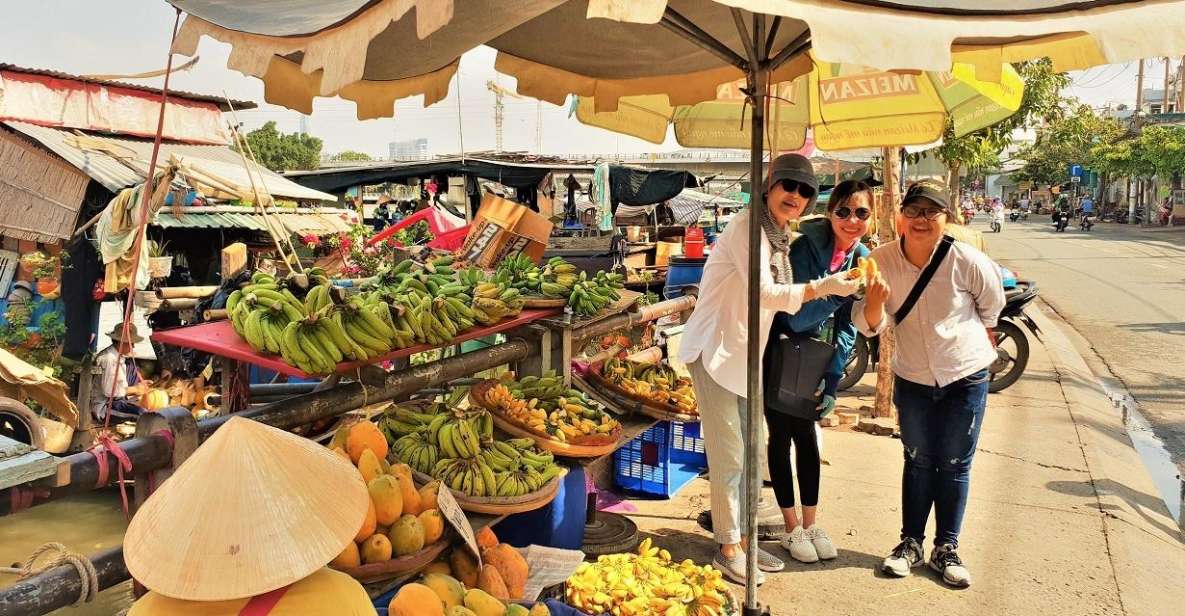
- A lot more than the famous center markets, including flower, floating, lantern, medicine, Chinese and Cambodian areas
- Motorbike gear is included: helmet, poncho, plus photos and a drink
- You get pricing momentum by buying at the market, not in a showroom
- Traffic is part of the deal, but a good guide keeps the ride smooth and safe
- It can feel flexible, so you can follow what looks most interesting instead of being glued to one rigid script
Morning markets in Ho Chi Minh City: why 8:00 AM feels like the best time
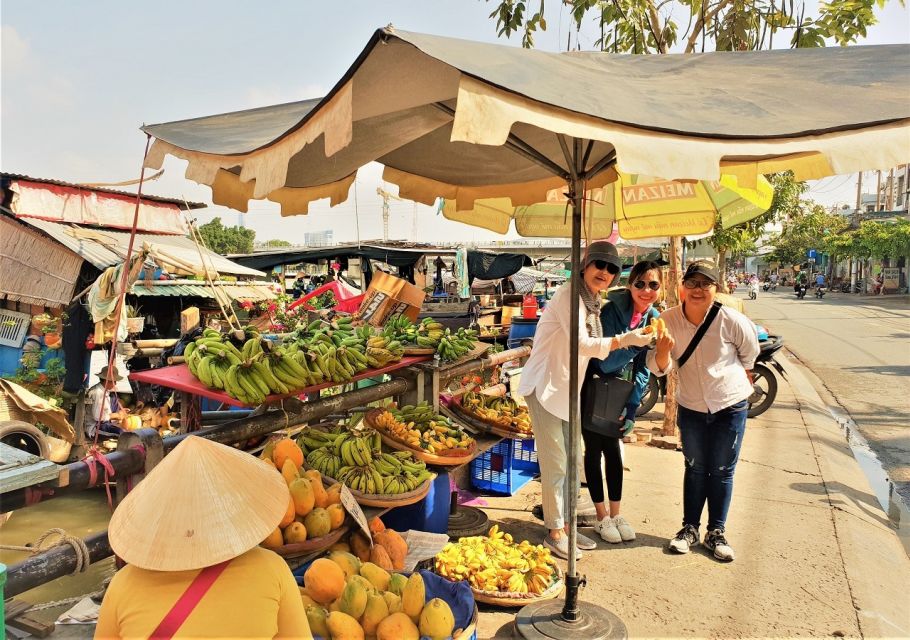
This tour starts at 8:00 AM with pickup from your hotel (within Districts 1, 3, and 4) or at the meeting point. That early start matters. In the morning, produce looks fresher, seafood and meats look handled closer to when the day begins, and the stalls are at their busiest and most expressive.
You also avoid a lot of the “tourist time” where places slow down or switch into souvenir mode. Instead, you’re seeing daily commerce at work, the moment when vendors are restocking and shoppers are scanning options fast.
And because you’re moving by motorbike, you’re not stuck in one pocket of the city. That’s a big deal in Ho Chi Minh City, where “more markets than Ben Thanh” is not a slogan. It’s the real geography.
You can also read our reviews of more city tours in Ho Chi Minh City


Motorbike backstreets: the practical shortcut to a more local Saigon
I love how this experience uses the city’s natural rhythm. You’re not just walking through one curated route. You’re getting a taste of how people actually get around, and you’ll breathe a little easier as you head away from the most tourist-heavy blocks.
Motorbikes also change what you can see in the time window. A 2–4 hour morning tour can only cover so much on foot, but by hopping between areas you can experience very different market worlds without losing the entire morning to transfers.
Safety-wise, the tour provides helmets and ponchos, which is handy since Vietnam’s weather can be unpredictable. And yes, you’ll be riding through busy streets. The value is that your guide handles the pace, which lets you focus on what’s happening around you rather than on traffic math.
Market variety that actually feels different: fish, flowers, lanterns, medicine, and more
This is a true “market sampler.” The tour is built to show you many kinds of markets, not just one big highlight. Expect stops that cover everything from everyday food to parts and supplies people rely on for work and family life.
Here’s what the mix means in real terms:
Food and seafood energy: fish markets and everyday shopping
You’ll likely see stalls packed with seafood and other fresh goods in the first wave of daily activity. Food markets are usually where the city’s mood is loudest, because vendors are sorting, weighing, and calling out while customers compare freshness and price.
If you like understanding the “why” behind ingredients, this part helps. You see what locals buy routinely and how morning shopping works, not just what looks best for photos.
Animal markets: intense, so go in with the right mindset
The tour includes animal markets. This can be emotional for some people, so I recommend going with a calm, respectful attitude. Don’t rush. Look, observe, and keep your distance where needed. If you’re uncomfortable around this kind of scene, you should consider whether this stop fits your travel style.
You can also read our reviews of more tours and experiences in Ho Chi Minh City





Flowers and lanterns: where Saigon’s mood turns visual
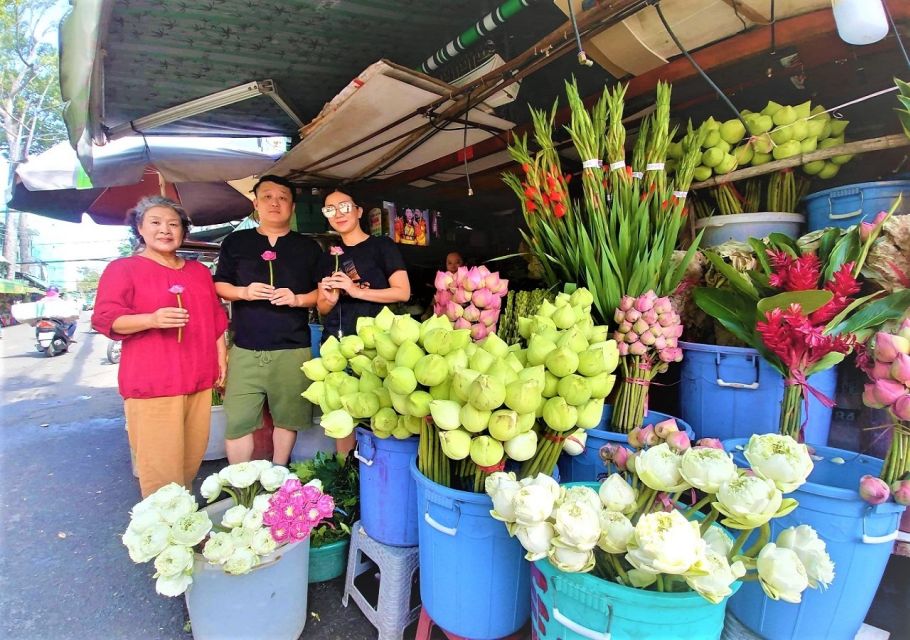
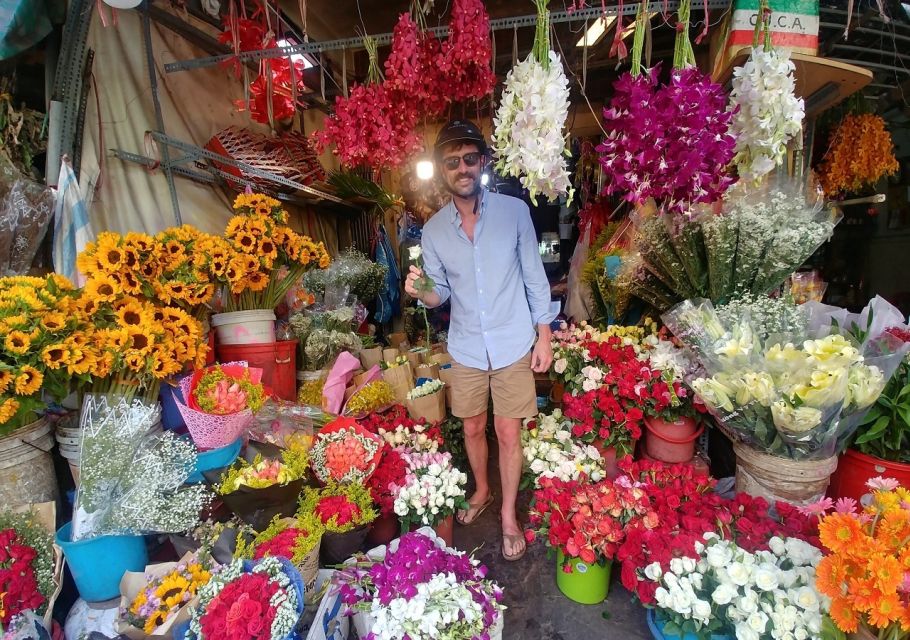
A flower market is one of those places where you understand the city’s ceremonies and everyday beauty. Flowers can be practical, too, because people buy what they need for home and visits, not just for decoration.
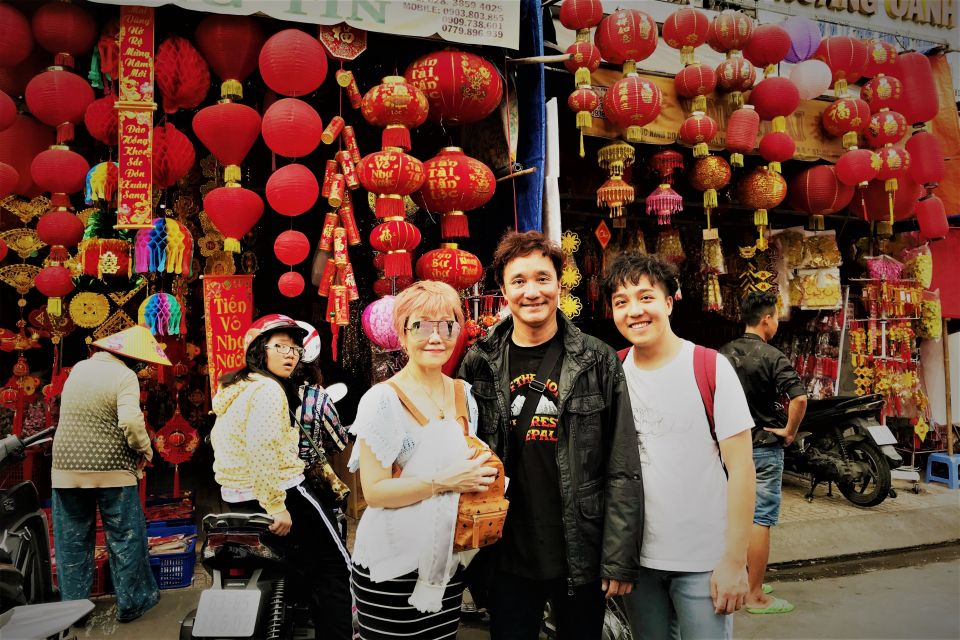
Lanterns add a different layer. Even if you don’t buy anything, it’s the kind of market that shows how Vietnam blends daily life with visible culture.
Floating-market scenes: seeing commerce by water
The tour includes a floating market. Even when you’re not on a boat yourself, the point is to understand a different channel of trade. Markets on water tend to feel slower, more layered, and more focused on how goods are handled.
Medicine markets: what people use, how they shop
A medicine market can be fascinating because you’ll see the practical side of local healthcare routines. You’ll also get a feel for how people ask questions, choose products, and decide what to take home.
Chinese and Cambodian areas: local diversity in one route
You also visit Chinese wholesale markets and markets connected with Cambodian communities. This is where Saigon’s history shows up in daily shopping. The products, packaging style, and vendor language can feel different from purely Vietnamese stalls, even if you’re still in the same city.
The “mechanic” markets: motorbike spare parts and electricity accessories
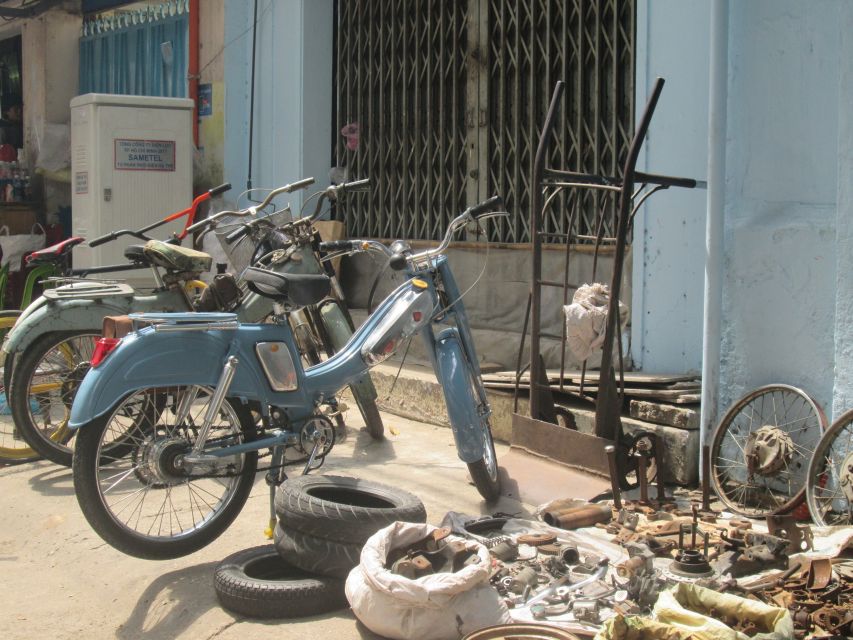
For me, the most surprising part is the market for motorbike spare parts and an electricity accessories market. These markets make sense once you remember how much Vietnam runs on scooters and household repairs. You’ll see why locals can maintain and upgrade bikes and homes without waiting weeks for shipping.
If you like street-level problem solving, this is the best section to pay attention in. You’ll learn how people source the everyday parts that keep life moving.
Your guide’s role: not just translating, but explaining what you’re looking at
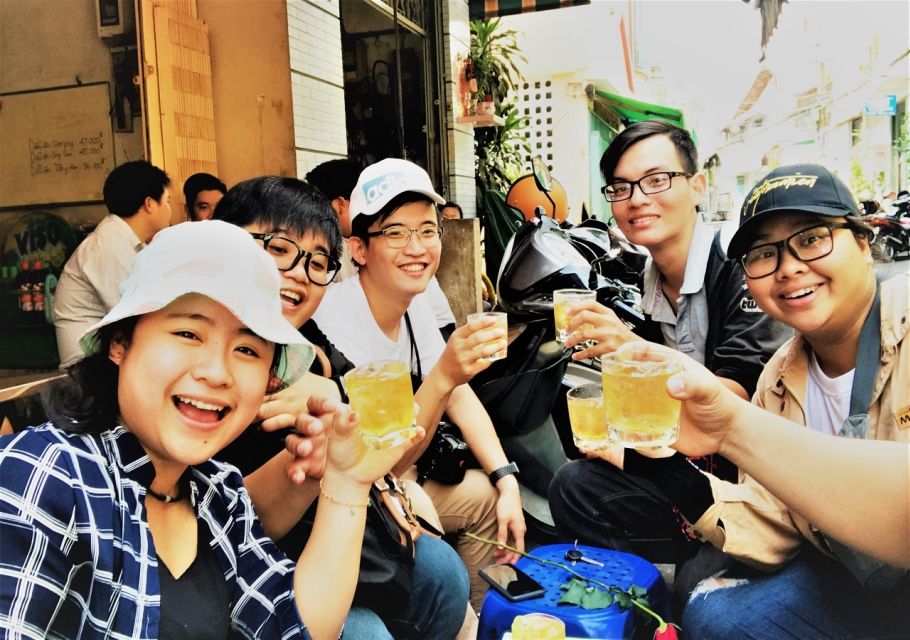
The tour is led by a live English-speaking guide, and that matters because markets are confusing when you don’t know how they work. You’re not only getting descriptions of products. You’re learning where things come from, why certain stalls exist, and how vendors organize their space.
The guides also bring humor and story. In the feedback, names like Anh and Vincent come up with the same theme: friendly energy and a safe ride through traffic, plus the ability to adjust if your interests shift.
That flexibility shows up in a simple way. You might not follow a dead-straight checklist. If something grabs your attention—like the motorbike parts section or the flower stalls—you’ll have a better chance of spending time there rather than rushing past it.
Buying at local prices: how to shop smart without slowing the group
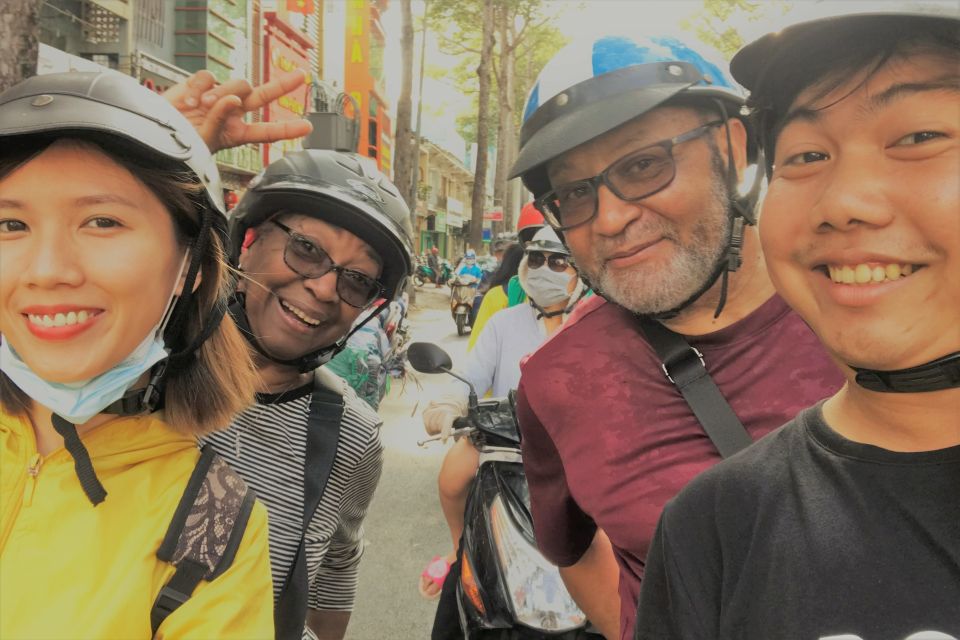
One of the strongest reasons to do this tour is what happens after you see products in context. The market environment helps you understand typical prices and how bargaining works, because you’re comparing options side-by-side.
Tips for buying smart:
- Ask what the item is used for, not just how much it costs. Guides can help you phrase things.
- Start by browsing for 2–3 minutes before committing. Market pricing gets clearer fast when you see multiple stalls.
- If you’re buying something fragile, confirm how it should be packed. The tour is moving, so you’ll want items handled carefully.
You’re also more likely to end up with items that actually fit your trip. A market is full of practical goods, from small household supplies to food-related items and gifts.
What’s included (and why those extras matter at the start of a vacation)
At $16 per person, this isn’t just a ride and a walk. You get a full small package designed for morning use.
Included items you’ll feel right away:
- Free hotel pickup and drop-off within Districts 1, 3, and 4
- Motorbikes, helmets, and ponchos so you don’t scramble for gear
- Photos (helpful for markets where your hands are full)
- One drink: coconut, coffee, or a local drink
- Small gift and basic travel insurance
- Local guides who handle the route and explanations
Those details add up. Morning tours can be draining if you’re sweating, wet, or unsure where to stand. Ponchos and helmets reduce that stress. The drink is also a nice reset mid-tour, especially in warm weather.
Timing and comfort: what to wear and what to expect from the ride
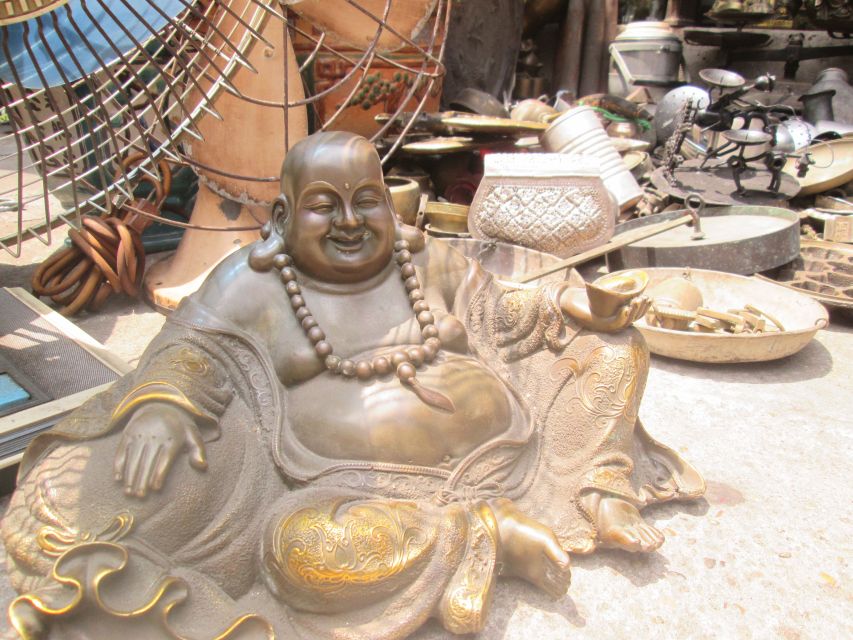
This tour runs 2–4 hours. Check availability for the exact start time, but plan around an early morning. You’ll be on the move, and the pace is part of what makes the experience work.
Wear:
- Something you can move in
- A weather-ready layer, just in case the sky changes
- Footwear that fits the rule: sports shoes aren’t allowed
The tour says you should be at your hotel lobby 5 minutes before the tour starts. That’s not a suggestion; it helps the group leave smoothly and keeps the schedule from tightening.
Also, if you’re sensitive to loud markets or strong smells, be aware that food and medicine sections can be intense. That doesn’t make them wrong. It just means you should go prepared.
Is this tour worth $16? Here’s what you’re really paying for
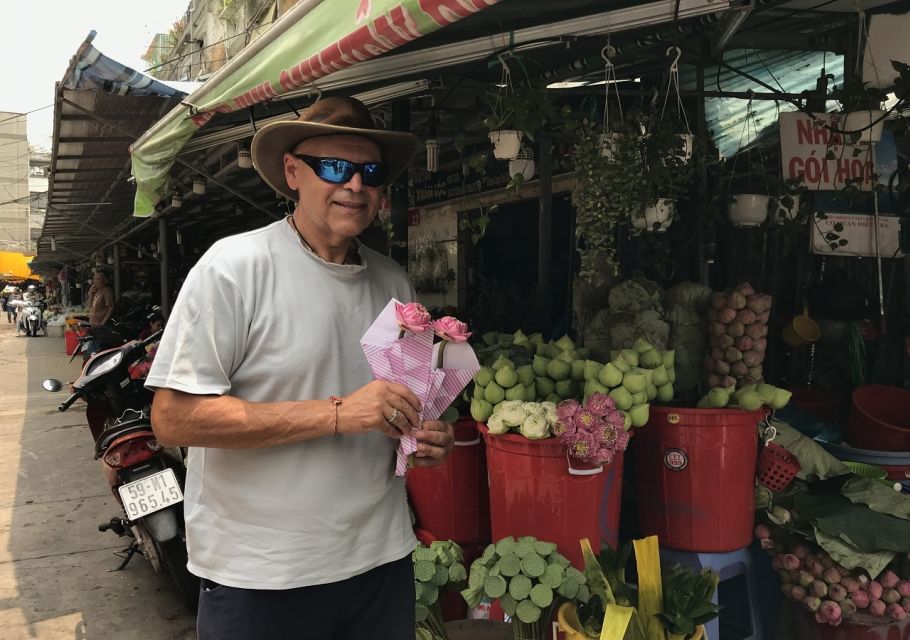
At $16, the tour looks cheap on the surface. The real value comes from what you’re getting for that money: transport by motorbike, gear (helmet and poncho), hotel pickup in key districts, a guide, and multiple market stops that would be harder to stitch together on your own.
If you were to do this independently, you’d still face the same issues:
- You’d need reliable motorbike plans or taxis for multiple areas
- You’d lose the guide’s help with navigating and understanding what you see
- You might end up concentrating only on one famous market, which limits the variety
So this isn’t just a bargain ticket. It’s a shortcut to experience more of Saigon’s day-to-day trade in less time.
Who should book this Saigon morning markets tour (and who should skip it)
This fits best if you:
- Want to see multiple market types in one morning
- Enjoy street life and practical shopping culture
- Are comfortable on a motorbike ride through busy streets
- Like the idea of local guides helping you understand what you’re seeing and buying
You might want to skip or adjust your expectations if:
- Animal market scenes would be hard for you to handle
- You can’t do motorbike travel comfortably
- You only want one relaxed shopping stop instead of a fast-moving, many-stall morning
Book or pass? My honest take
I think this tour is a strong pick when your goal is simple: get a real sense of Saigon beyond the center. The market variety makes it feel like you’re watching different parts of daily life unfold, and the early timing helps you catch everything at its most active.
If you’re excited by fish, flowers, lanterns, spare parts, and the places locals actually use, this is an easy yes. Just make sure you’re prepared for the motorbike ride, and plan footwear that matches the rule about sports shoes. If you do that, you’ll walk away with a clearer picture of how the city runs on mornings.
FAQ
What time does the Saigon morning markets tour start?
The pickup starts at 8:00 AM.
How long is the tour?
The tour lasts 2 to 4 hours, depending on the option and availability.
Is hotel pickup included?
Yes, free hotel pickup and drop-off is included within Districts 1, 3, and 4. If your hotel is outside those areas, there may be a surcharge.
Where do I meet the guide if I’m not in Districts 1, 3, or 4?
You can meet at the listed meeting point: 212 Lê Lai, Phường Phạm Ngũ Lão, Quận 1 (the Saigon Opera House meeting point is also mentioned).
Is the tour guide English-speaking?
Yes, the live tour guide provides English.
Are helmets and ponchos provided?
Yes. The tour includes motorbikes, helmets, and ponchos.
What markets will we visit?
You’ll see a range of markets, including fish, animal markets, motorbike spare parts, electricity accessories, flower, floating, lantern, medicine, and Chinese and Cambodian markets.
Do you provide food or drinks?
Yes, you get one drink (coconut, coffee, or a local drink).
What footwear is not allowed?
Sports shoes are not allowed.
Can I reserve now and pay later?
Yes. You can reserve now & pay later.
Is free cancellation available?
Yes. You can cancel up to 24 hours in advance for a full refund.