REVIEW · HO CHI MINH CITY
HCMC: Private or Group Sai Gon City Tour with Pickup
Book on GetYourGuide →Operated by Enni tour · Bookable on GetYourGuide
Museums, temples, and a river ride in one day. This Ho Chi Minh City tour strings together French-style landmarks and the city’s emotional core, then finishes with a Saigon River waterbus view that feels like a breather, not a repeat of traffic-and-tickets.
I like how the route hits major sights in a sensible order: church exteriors and colonial architecture in the morning, history with local context mid-day, then Chinatown spirituality and market time. One possible drawback: it’s a full program, so you’ll want decent shoes and a plan for heat and museum time.
The pace is mostly guided and timed, so you’re not left figuring out what’s next.
In This Review
- Key Things I’d Put on Your Radar
- A One-Day Route That Helps You Read Saigon
- Starting With District 1 Pickup and Cool-Down Comfort
- Saigon Central Post Office: French Colonial Meets Practical Design
- Notre-Dame Basilica (Saigon Church): Neo-Romanesque with French Materials
- War Remnants Museum: Nine Themed Exhibits and Human Stories
- Reunification Palace: Independence Palace in Physical Form
- Ben Thanh Market and Chinatown Time: Shopping and Spiritual Contrast
- Ben Thanh Market: A Sensible Stop for Local Life
- Thien Hau Pagoda: Mazu, Sea Protection, and Intricate Architecture
- Bach Dang Harbor Waterbus: Skyline Views Without the Stress
- Price and Value: Does $25 Make Sense?
- Who Should Book This Tour (and Who Might Want to Adjust)
- Final Advice: Should You Book It?
- FAQ
- How long is the Ho Chi Minh City Sai Gon City Tour with pickup?
- Do you get hotel pickup and drop-off?
- Which entrance tickets are included in the tour price?
- What’s included besides the guide and transportation?
- Are meals and drinks included?
- Can I cancel and get a refund?
Key Things I’d Put on Your Radar
- Saigon Central Post Office details you’ll hear straight from your guide, including the architect credit that people often mix up
- Notre-Dame Basilica architecture explained clearly, including what French materials meant in 19th-century Saigon
- War Remnants Museum context with its nine permanent themed exhibits and connections to war witness meetings
- Reunification Palace significance covered with local stories tied to national reunification
- Thien Hau Pagoda in Chinatown built around worship of the sea goddess Mazu
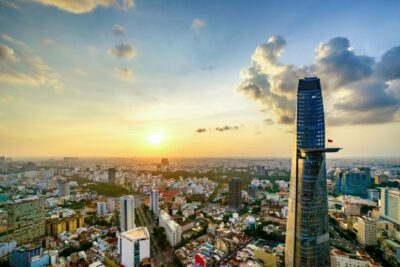
- Bach Dang Harbor waterbus skyline views featuring Landmark 81, Bitexco Financial Tower, and Vinhomes Central Park
A One-Day Route That Helps You Read Saigon
Ho Chi Minh City (Saigon) can feel like a pile of neighborhoods stitched together by motion. This tour helps you understand the city’s “why” instead of just checking boxes. You move through postcard scenes, yes. But the real value is that you’re also shown what they meant—colonial influence, wartime trauma, national change, and the daily spiritual rhythm of the Chinatown area.
The other thing I appreciate is the structure. With hotel pickup in District 1, an air-conditioned vehicle, and an English-speaking guide, you’re not spending half your time solving logistics. You’re spending it looking, listening, and getting your bearings fast.
Time-wise, you can usually fit this into a longer morning-to-evening slot or a tighter half-day window. The day runs 4 to 8 hours, depending on the departure time you choose.
You can also read our reviews of more city tours in Ho Chi Minh City


Starting With District 1 Pickup and Cool-Down Comfort
This tour includes hotel pickup and drop-off in District 1, which matters more than it sounds. Outside District 1, you’d be dealing with extra travel time and traffic buffering. Here, the plan is built around getting you out and back without burning your whole day in a car.
You also ride in an air-conditioned vehicle with a driver, plus you get bottled water (1 per person) and cold towels. In Ho Chi Minh City heat, those small comfort items make the itinerary feel easier to follow. And it helps you stay alert for places that need more attention—like the War Remnants Museum and Reunification Palace.
Saigon Central Post Office: French Colonial Meets Practical Design
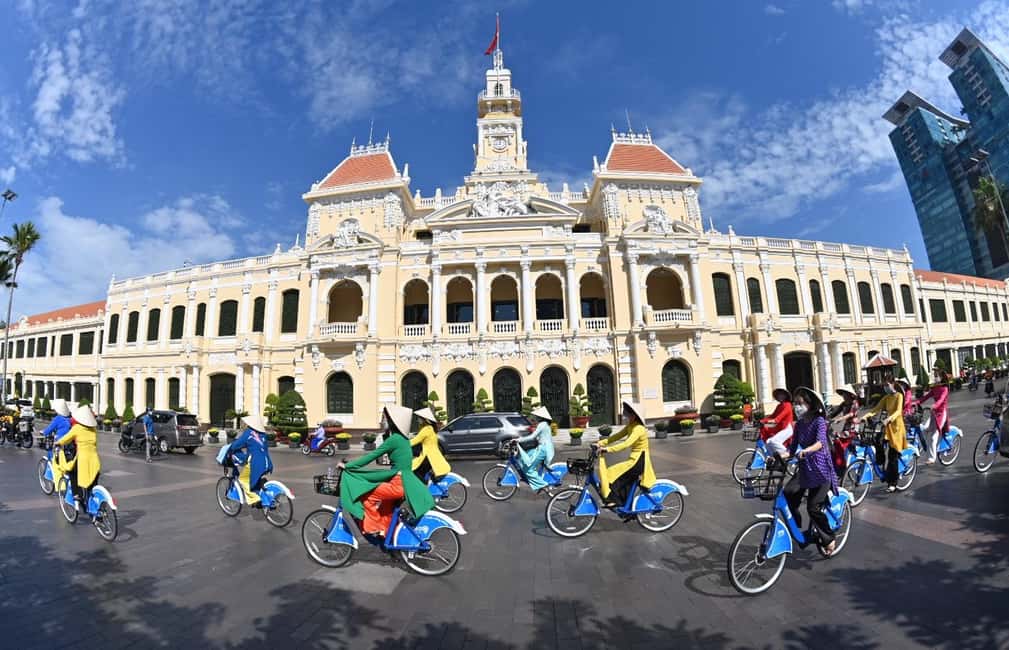
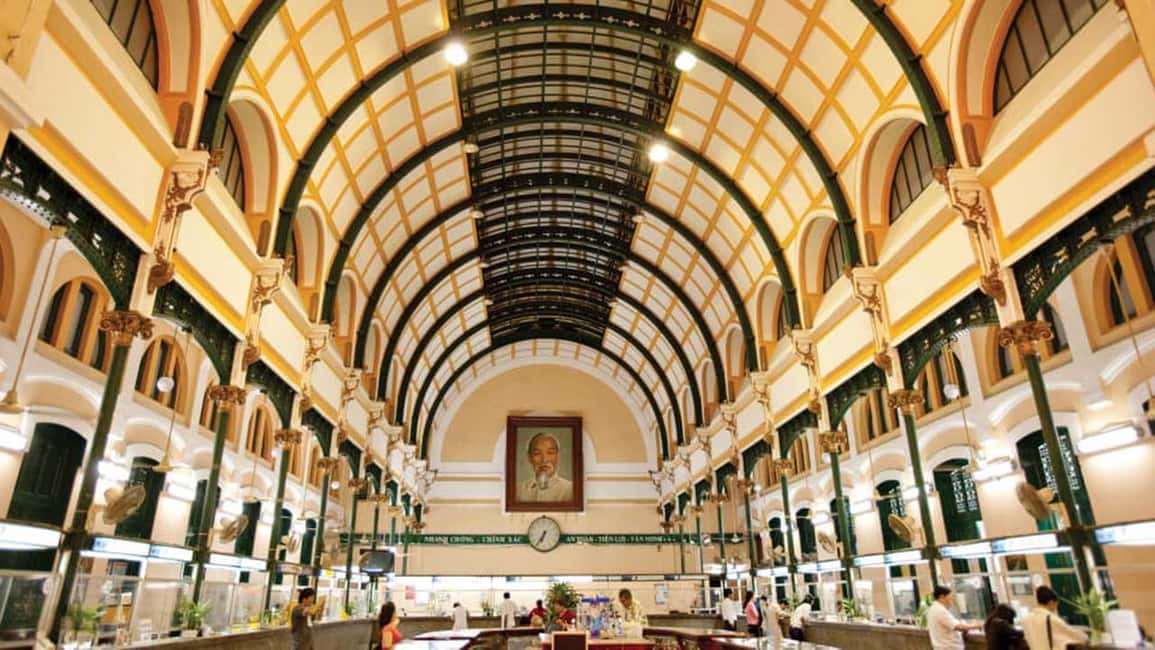
Your morning starts with one of the city’s best-known buildings: Saigon Central Post Office. This is the kind of stop where the guide’s explanations change how you see it. It’s not just a pretty facade.
Here’s what to focus on:
- The building’s French colonial architecture, completed in 1891
- The detail that it’s often incorrectly credited to Gustave Eiffel—but the design is actually attributed to Alfred Foulhoux
The practical takeaway for you: you’ll get better at noticing how European engineering aesthetics were adapted to a local setting. Even if you’re not a huge architecture person, this is the kind of landmark that rewards a slow look.
Photo tip: aim for angles that show both the front symmetry and the long interior lines if your timing allows it. A guide can usually help you decide where to stand without blocking others.
Notre-Dame Basilica (Saigon Church): Neo-Romanesque with French Materials
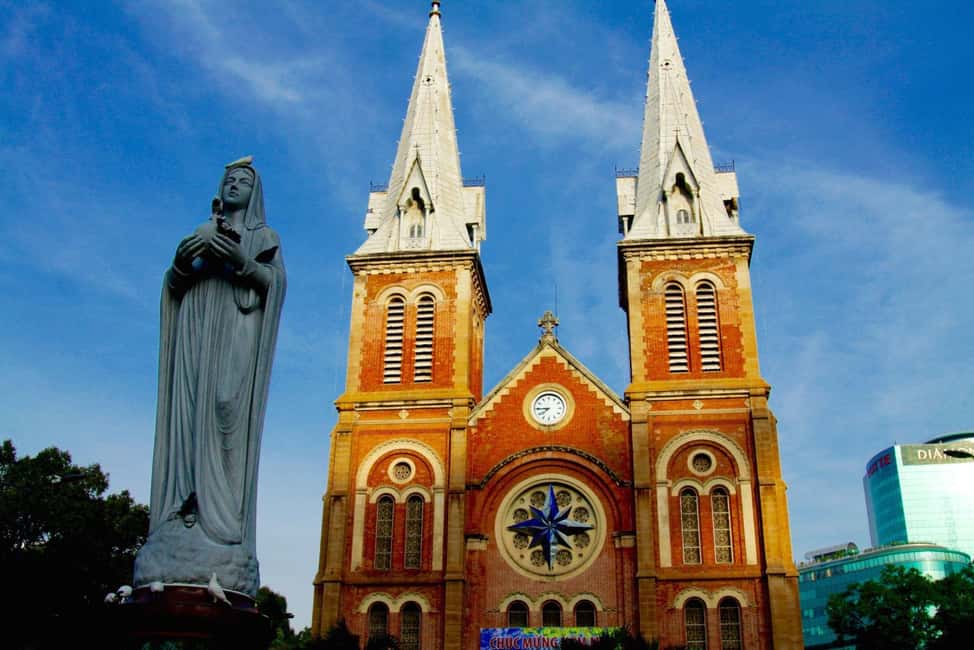
Next up is Saigon Notre-Dame Basilica, sometimes called the Saigon Church or the Virgin Mary Church. The exterior alone is impressive, but the guide will give you the backstory so it feels more specific than “a church in the city.”
What’s worth listening for:
- The basilica was designed in the 1870s by architect J. Bourad
- It uses imported French materials
- Neo-Romanesque style, which shows up in the rounded forms and overall architectural rhythm
Why this matters: in a city shaped by different waves of power, this building is a snapshot of how influence traveled. You’re looking at a foreign construction language laid over Saigon’s landscape.
If you’re into photos, this is also one of the easier stops for couples’ pictures—though you’ll still want to respect worship and avoid getting in the way.
War Remnants Museum: Nine Themed Exhibits and Human Stories
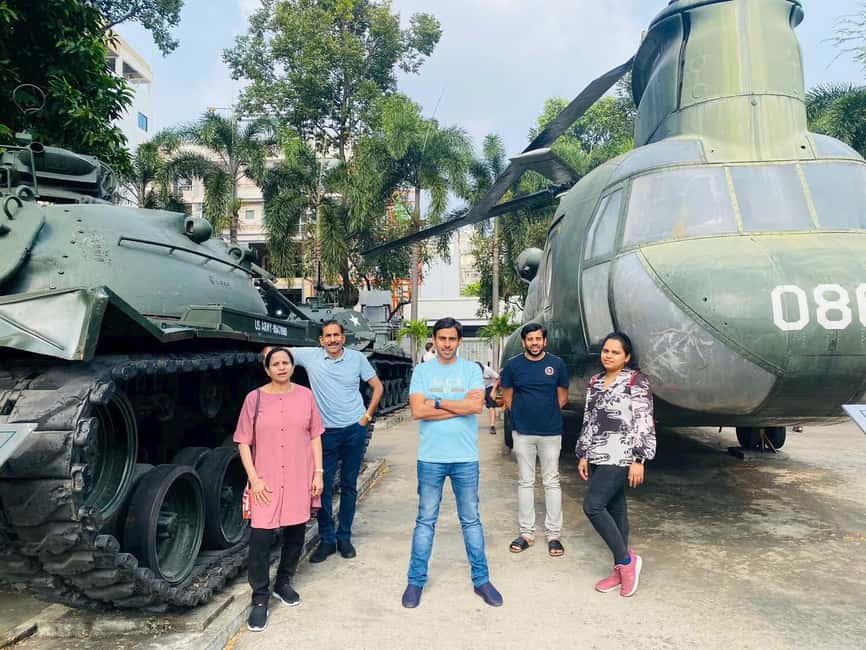
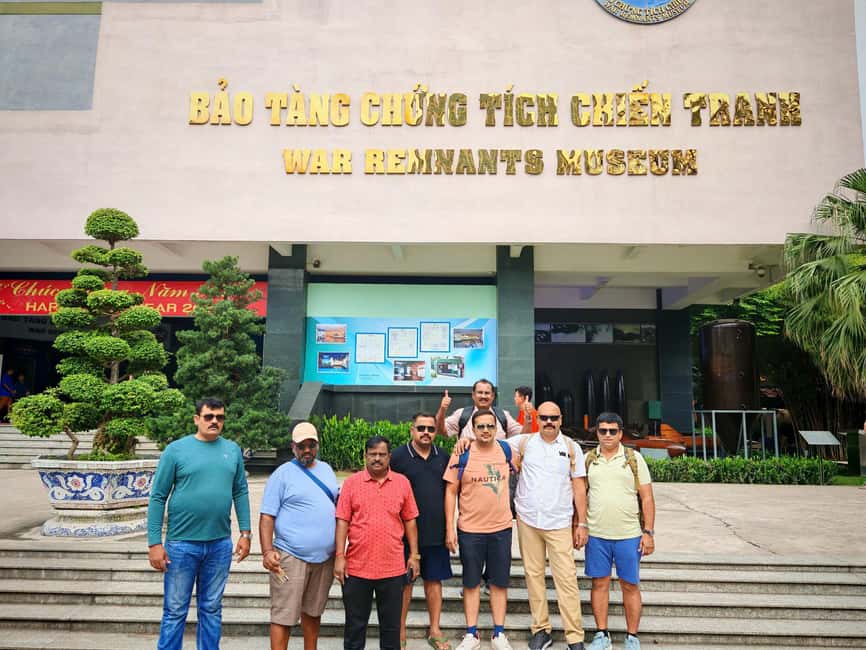
Then comes the part of the tour that needs a different mindset: the War Remnants Museum. The tour includes entrance tickets here, so you’re not juggling extra costs or figuring out timing.
What you can expect based on what the museum is structured around:
- Nine permanent thematic exhibits
- Special collections, too
- The museum hosts conferences, temporary exhibitions, and meetings with war witnesses throughout the year
That last detail changes the value. This isn’t only a static display. It’s an institution that keeps connecting the past to living voices, which can make your visit feel heavier but also more grounded.
Practical advice for you:
- Go in with time to slow down. Don’t treat it like a quick photo stop.
- If you’re sensitive to intense subject matter, it helps to take short pauses after major sections before moving on to the next halls.
A guide is useful here because you’ll understand what you’re looking at, not just what you’re seeing. That makes the museum feel less random.
You can also read our reviews of more private tours in Ho Chi Minh City





Reunification Palace: Independence Palace in Physical Form
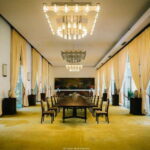
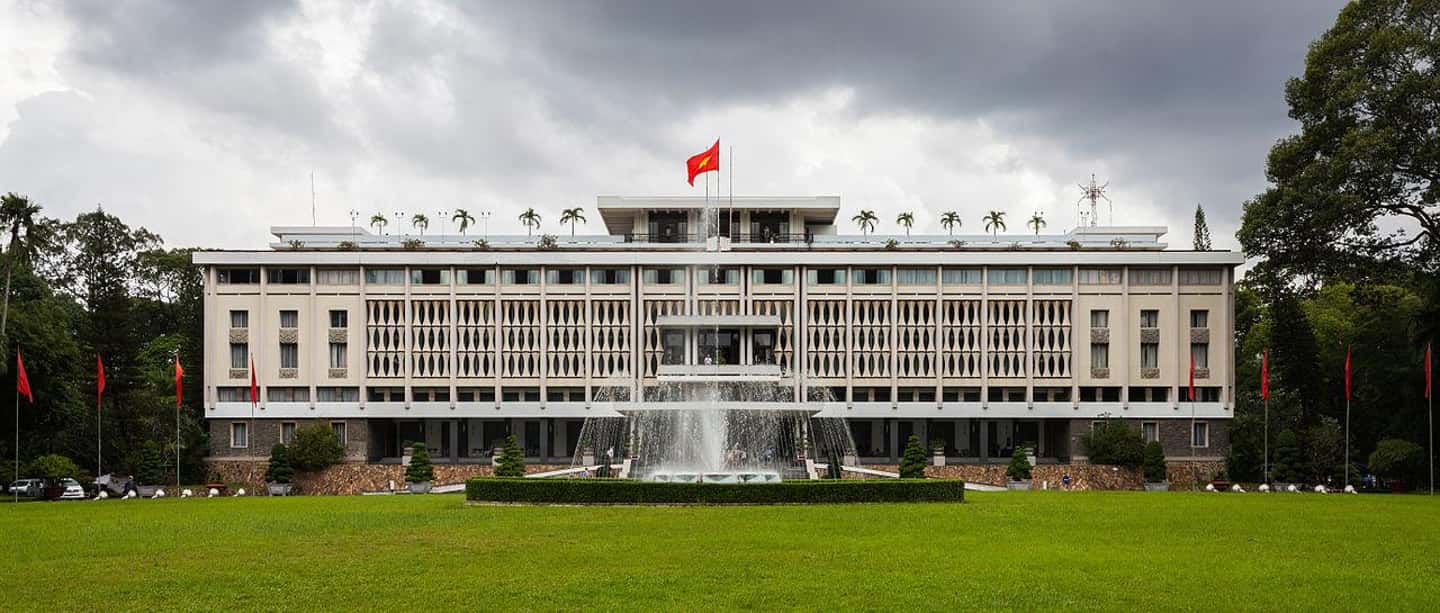
After the War Remnants Museum, you’ll head to Reunification Palace (also known as the Independence Palace or Reunification Convention Hall). This is another entrance-ticket included stop.
The simple reason it matters: this building played a pivotal role in Vietnam’s history and remains a symbol of national reunification.
What I like about pairing it right after the museum: you go from the story of wartime impact to a place you can walk through. You’re connecting themes rather than switching topics abruptly.
In a guided visit, you’ll typically get help placing rooms and details into the bigger timeline—so you’re not left guessing what each section represents. If you enjoy understanding how people lived and worked inside historic power centers, this stop rewards your attention.
Ben Thanh Market and Chinatown Time: Shopping and Spiritual Contrast
In the afternoon, the tour moves toward the Western side of the city’s cultural energy, with Ben Thanh Market and then Thien Hau Pagoda in the Chinatown area.
Ben Thanh Market: A Sensible Stop for Local Life
Ben Thanh Market is included as part of this tour block, and it’s a great place to get a feel for everyday Saigon. Even if you don’t buy much, you can watch how people move through stalls and what items catch your eye.
Practical tip: keep some smaller cash handy for quick purchases, and don’t plan on finding everything you want. This is more about atmosphere and orientation than completing a shopping mission.
Thien Hau Pagoda: Mazu, Sea Protection, and Intricate Architecture
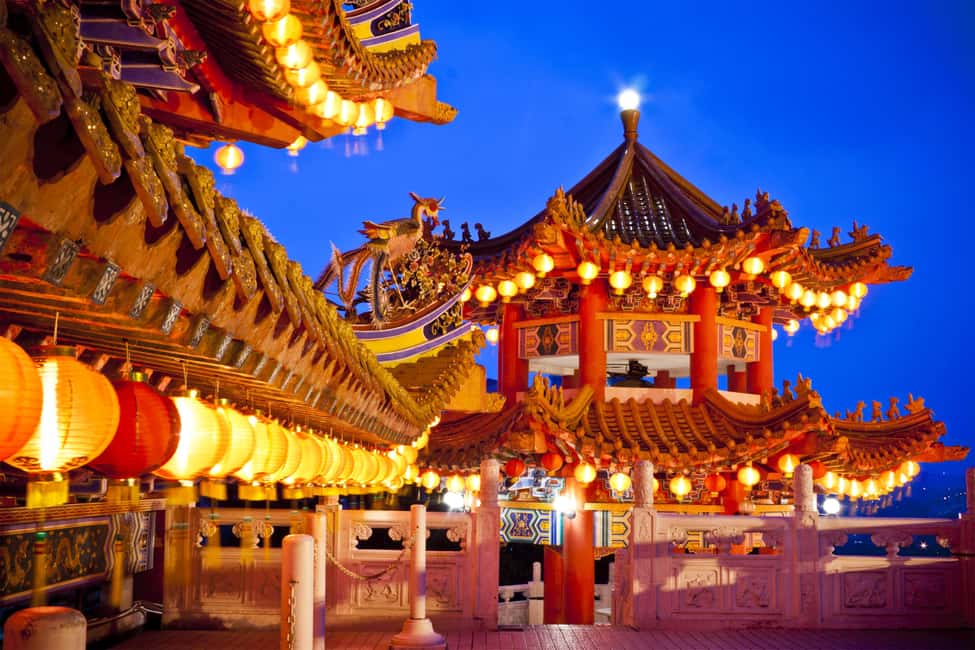
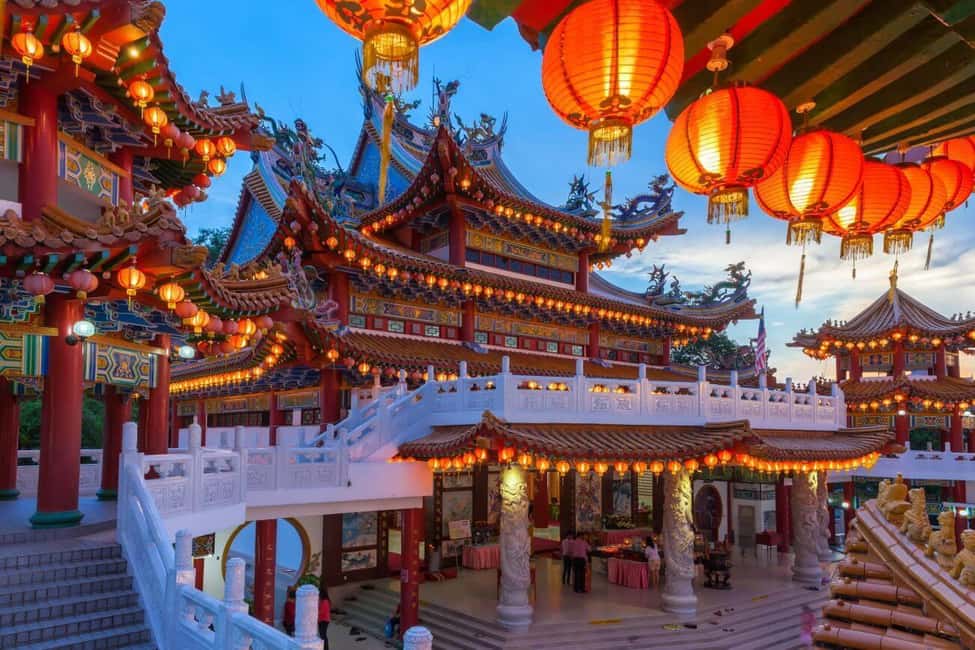
Then you’ll visit Thien Hau Pagoda, a temple dedicated to the sea goddess Mazu. The guide will point out the spiritual side of the stop and the design choices that make the pagoda feel detailed and intentional.
What to look for:
- The temple’s dedication to Mazu (the sea goddess)
- Its intricate architecture
- The quieter, more reflective tone compared with the market area nearby
Why this fits the rest of the day: you’ve been dealing with political change and wartime memory. Here you shift into a living tradition—something people still connect to in their daily thinking.
If you want respectful photos, ask your guide where it’s okay to pause. You’ll often get better results by moving your feet slowly and avoiding sudden stops right in walkways.
Bach Dang Harbor Waterbus: Skyline Views Without the Stress
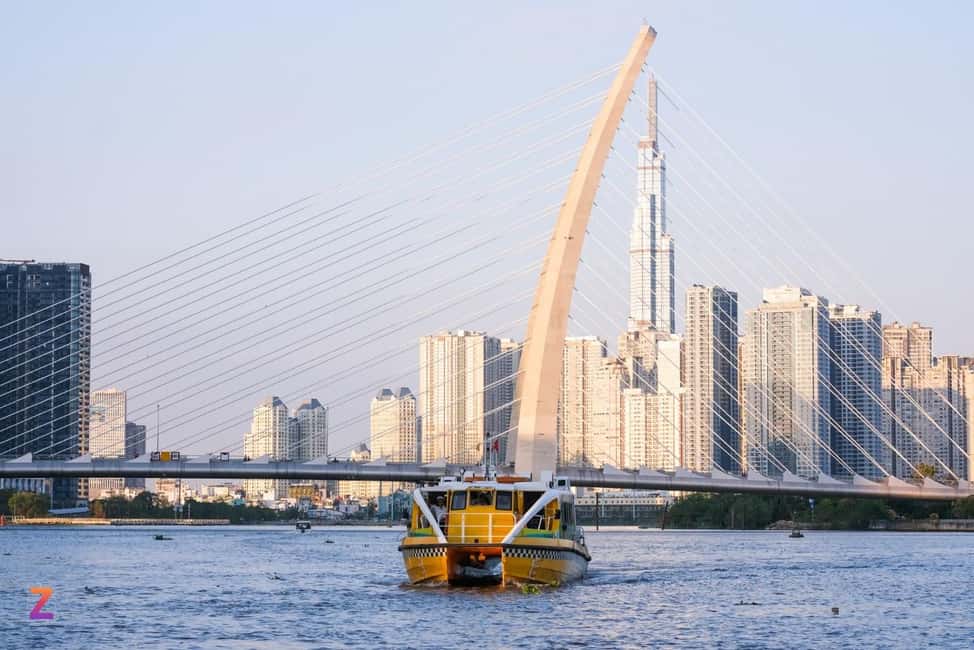
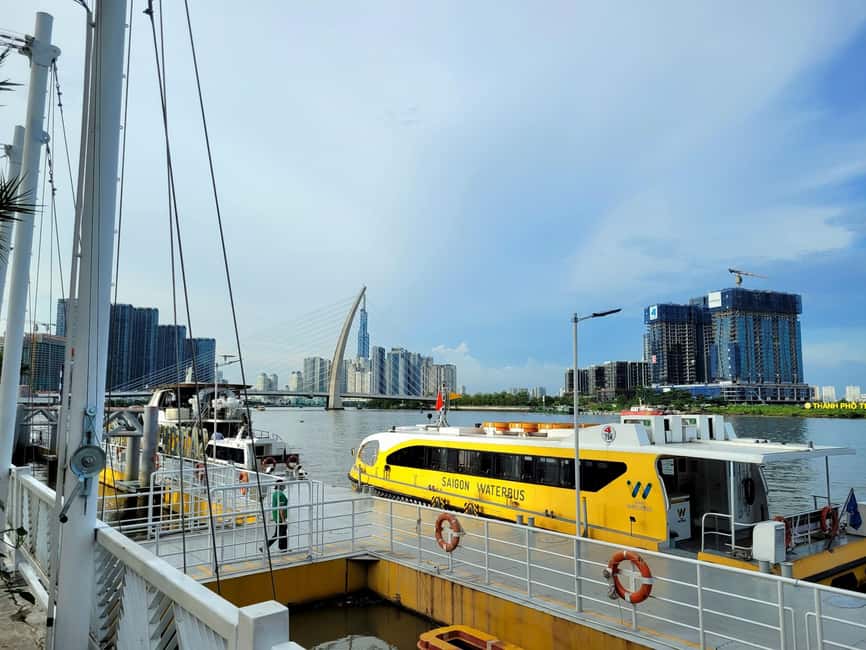
To close the day, you’ll go to Bach Dang Harbor and check in for a Saigon River waterbus ride. This part feels like a reset button.
As you cruise along the Saigon River, you’ll get panoramic views of the skyline, including recognizable landmarks such as:
- Vinhomes Central Park
- Landmark 81, Vietnam’s tallest skyscraper
- Bitexco Financial Tower
- Greenery in District 2
The value here is the angle. From street level, Ho Chi Minh City can feel like a wall of movement. From the river, the city opens up. You can see how old and new sit next to each other, and you’ll likely get some of your best photos of the day without fighting traffic or looking down at your phone.
This is also a smart way to recover after museums. Your legs get a rest, and your brain gets a calmer view to end with.
Price and Value: Does $25 Make Sense?
At $25 per person, this tour is priced to feel accessible while still including meaningful items.
Here’s what supports the value:
- Hotel pickup and drop-off in District 1
- Air-conditioned vehicle with driver
- An English-speaking guide
- Entrance tickets for Reunification Palace and War Remnants Museum
- Bottled water (1 bottle per person) and cold towels
- Road tolls, parking fees, and fuel
What’s not included:
- Drinks and meals are listed as optional
- Tipping is not included
- If you book a private tour and need a non-English guide, there may be a surcharge (the tour notes this for languages beyond English)
One more thing: the guide quality can make or break a city tour. In the available feedback, the common theme is that the guide brings the information in an entertaining, professional way. One person highlighted how the guide was informative and entertaining, and even noted a lunch stop option as tasty. Another mentioned the guide was professional and helpful.
So for your money, you’re not just paying for entry tickets. You’re paying for someone to connect the dots between places that would otherwise feel separate.
Who Should Book This Tour (and Who Might Want to Adjust)
This tour is a strong fit if you want:
- Big-name sights without planning every step
- A guide who helps you understand what you’re seeing at churches, museums, and historic sites
- A day plan that mixes architecture, serious topics, and a lighter ending on the river
You might consider a different approach if:
- You prefer fully self-guided travel (you might find museums and structured stops less flexible)
- You’re not comfortable with the emotional weight of war-related exhibits and need a softer, more leisure-based day
- You hate walking between stops or dislike being on a schedule
That said, because you get A/C, cold towels, and water, it’s not a punishing itinerary in the practical sense.
Final Advice: Should You Book It?
If you’re in Ho Chi Minh City for a limited time and you want a day that covers major landmarks with real context, this is an easy yes. The combo of French-heritage architecture, war and reunification history, a Chinatown pagoda, and a Saigon River waterbus is a smart mix. It keeps you from spending your vacation only in museums or only chasing photos.
I’d book this if:
- You want a guided route through iconic sites
- You like the idea of a calm, scenic finish after heavier stops
- You’re staying in or near District 1 so pickup and drop-off work smoothly
FAQ
How long is the Ho Chi Minh City Sai Gon City Tour with pickup?
The duration is listed as 4 to 8 hours, depending on starting times and how the day flows.
Do you get hotel pickup and drop-off?
Yes. Pickup and drop-off are included for hotels in District 1.
Which entrance tickets are included in the tour price?
Entrance tickets included are for Reunification Palace and the War Remnants Museum.
What’s included besides the guide and transportation?
Included items are an air-conditioned vehicle with a driver, an English-speaking guide, bottled water (1 bottle per person), cold towels, and road tolls/parking/fuel.
Are meals and drinks included?
No. Drinks and meals are not included (they’re listed as optional).
Can I cancel and get a refund?
Yes. Free cancellation is offered up to 24 hours in advance for a full refund.