Ben Thanh feels like the start of everything.
This short tour makes that idea useful, not just scenic: you get a free e-sim with your booking, then follow a local guide through real neighborhood stops like Ho Thi Ky Flower Market and a Buddhist temple pause. I also like that it’s timed for a human pace, with coffee and cultural context built into the route instead of random sightseeing. One thing to keep in mind: it’s not built for slow, wheelchair-friendly travel, so wear grippy shoes and expect some walking and standing.
I can see why guides matter here. In recent experiences, Hung (alias Steven) and Mavis were praised for storytelling and for adapting to what people wanted to see and eat, which is exactly the difference between watching Saigon from the sidewalk and actually understanding what you’re looking at. If you want quiet, back-seat luxury, this probably won’t be your vibe. But if you like asking questions, nibbling street food, and learning the meaning behind everyday places, you’ll have a good time.
In This Review
- Key things you’ll get from this Saigon tour
- Starting at Ben Thanh Market West Gate: why this location works
- Ho Thi Ky Flower Market: where scent, color, and young local life meet
- Small caution for this stop
- Nguyen Thien Thuat Apartment: coffee and the texture of old Saigon living
- Vietnamese National Buddhist Temple: finding quiet without leaving the city
- Street food moments: tasting Saigon with context, not confusion
- Price and value: what $26 buys in a 3-hour guided route
- The guide experience: Hung (alias Steven) and Mavis make it land
- What to bring (and how to dress for a 3-hour Saigon loop)
- Who should book this tour
- Should you book the Saigon e-sim hidden-spots tour?
- FAQ
- FAQ
- Where is the meeting point?
- What is the duration of the tour?
- How much does the tour cost?
- Is the e-sim included?
- What stops are included in the tour?
- What languages are the guides?
- Is there any extra fee during holidays?
- Is the tour suitable for wheelchair users?
- What should I bring?
Key things you’ll get from this Saigon tour
- Free e-sim included when you book, so you can stay connected without scrambling after arrival.
- Ho Thi Ky Flower Market: more than flowers—this is also where young locals socialize.
- Nguyen Thien Thuat Apartment coffee stop: a simple cup with a sense of local rhythm and everyday life.
- Vietnamese National Buddhist Temple calm: a deliberate shift from street motion to quiet focus.
- Street-food time with guidance: you’ll have someone helping you taste what locals actually go for.
- Short 3-hour format: enough time to see distinct places without burning an entire half-day.
Starting at Ben Thanh Market West Gate: why this location works
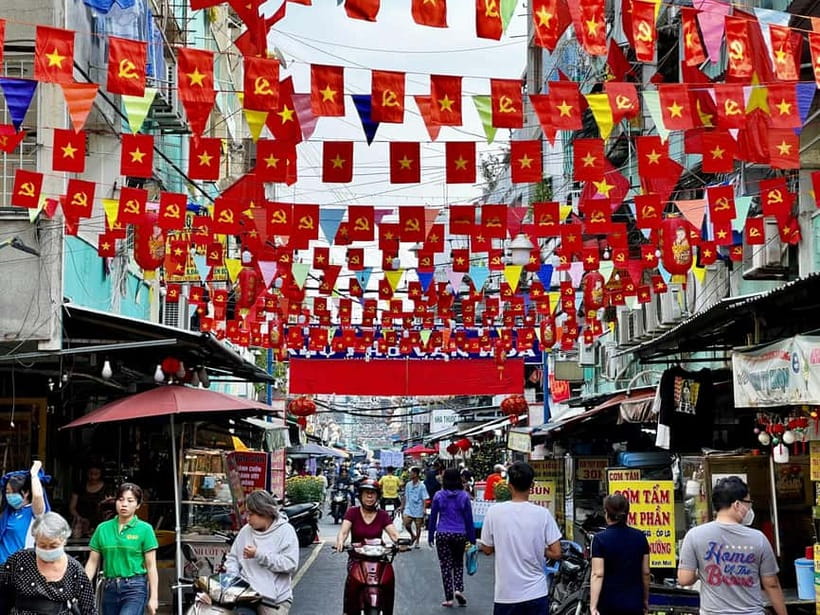
You’ll meet at the Ben Thanh market West Gate, which is a smart choice because it’s easy to find and it puts you in the middle of your first “Saigon snapshot.” From there, the tour doesn’t just skim the main drag. It uses the market area as a springboard into less-obvious streets and courtyards.
If you’re trying to get your bearings fast, this setup helps. You’ll begin with a familiar landmark, then gradually shift into places that feel more lived-in than tourist-cardboard. Plus, the tour ends back at Ben Thanh, so you’re not stuck planning your ride home from somewhere far outside your usual route.
You can also read our reviews of more guided tours in Ho Chi Minh City

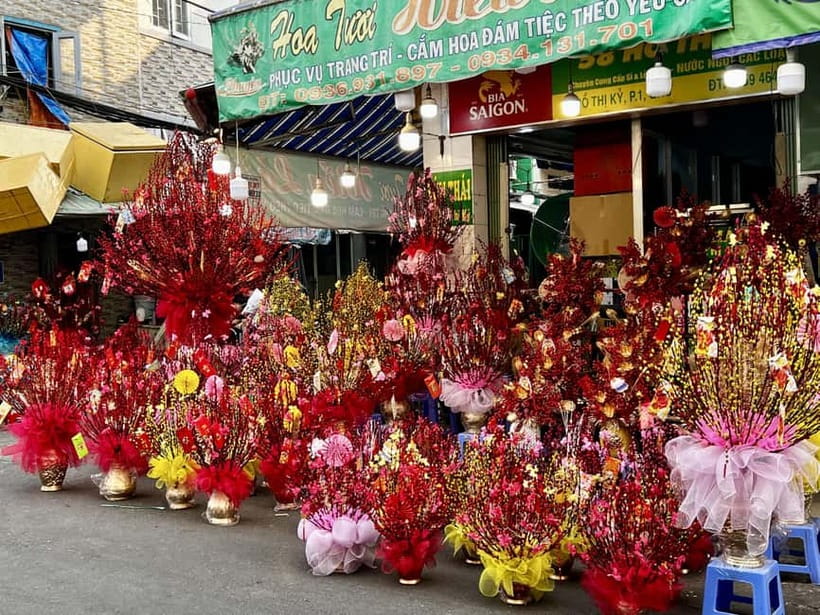
Ho Thi Ky Flower Market: where scent, color, and young local life meet
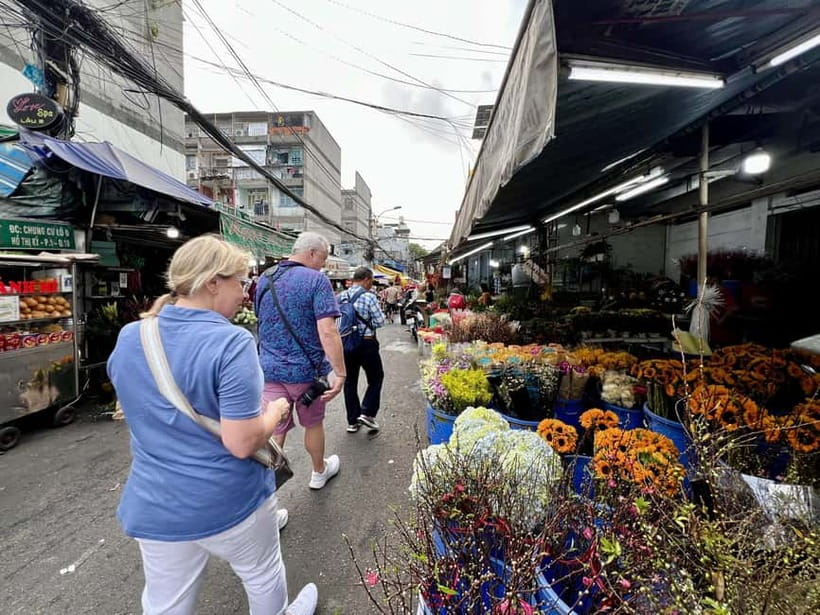
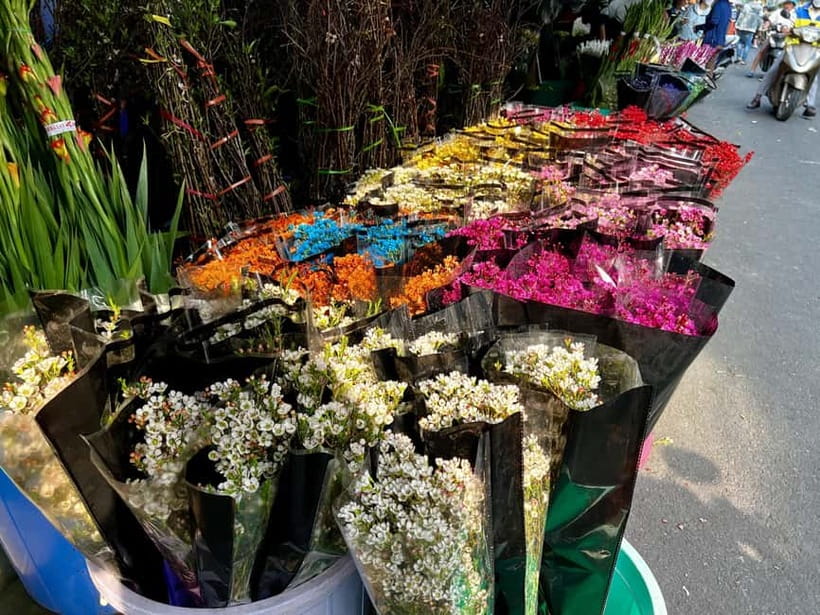
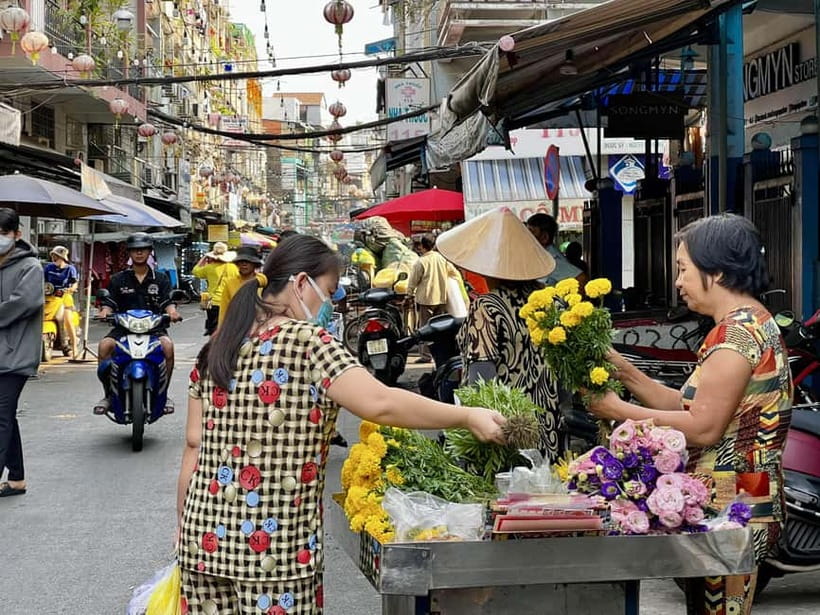
Ho Thi Ky is known for flowers, and that’s not just a marketing line. You’ll spend about an hour here, and you can expect sights and smells that are part market, part daily workplace, and part social scene.
What I’d focus on as you walk through:
- Watch how people buy and bundle flowers. This tells you a lot about what these products do in daily life, not just on special occasions.
- Notice the younger crowd and the hangout vibe. The market isn’t only for commerce; it’s also a place where people meet, so you’ll see a different Saigon tempo than at older, more formal shopping spots.
This stop is valuable because it’s “local culture” in a practical way. You’ll see a functioning place, not a staged version of one. And with a local guide, you’re more likely to understand what you’re seeing in real time, instead of relying on guesswork.
Small caution for this stop
Markets can mean sun, heat, and lots of moving. Bring water and wear shoes you can trust on busy sidewalks. If you’re sensitive to crowds, go slow through the busiest lanes and let the guide lead you through the tight spots.
Nguyen Thien Thuat Apartment: coffee and the texture of old Saigon living
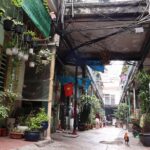
Next comes a stop that sounds simple—an apartment building—and that’s exactly why it works. You’ll visit the Nguyen Thien Thuat Apartment for about an hour, and the highlight is a cup of Vietnamese coffee served right in the middle of everyday surroundings.
This is where the tour earns its cultural meaning. Instead of treating architecture like a backdrop, you’ll get the story of how these spaces fit into Saigon life. You’ll hear the kind of details that don’t show up on a postcard: how people live, how neighborhoods evolved, and how “normal” places carry history without turning into museums.
And yes, you’ll have coffee. It’s not just a drink break. It’s a chance to slow down and watch how the neighborhood feels when you’re not rushing between sites. Coffee in Vietnam has its own rhythm, and in a place like this, the flavor hits differently because you’re in the setting that makes it part of daily life.
A note on expectations: this is still a walking tour, so the comfort of the coffee stop depends on how you pace yourself. If you take your time, it becomes a reset. If you sprint through the route, you’ll miss the calm effect.
Vietnamese National Buddhist Temple: finding quiet without leaving the city
The final major stop is the Vietnamese National Buddhist Temple, where you’ll spend about an hour. The selling point isn’t fancy architecture for its own sake—it’s the contrast. You go from streets and market energy to a calmer space designed for reflection.
I like this part of the itinerary because it teaches you something useful about travel in Saigon: the city isn’t one mood. You can stand in a crowded market in the morning and then shift to a quieter mindset within a short walk. That’s a big part of why the tour feels satisfying even though it’s only half a day.
Practical tip: keep your voice low and move with respect. Temple areas usually reward slower behavior. Also, bring your camera, but be mindful—if you see restrictions, follow the guide’s lead.



Street food moments: tasting Saigon with context, not confusion
The tour is designed around cultural stops and includes time for street-food sampling as part of the experience. What that means for you in real terms: you’ll have a local guide who can point you toward what’s appropriate and worth trying, and you won’t be stuck translating menu items while standing next to someone who looks confident and you do not.
Here’s how to make street food time work best:
- Go with curiosity, not a strict plan. If your guide suggests a specific bite, it’s often because it matches what locals are eating right then.
- Pace yourself. After markets, the last thing you want is to overload on snacks and feel heavy through the temple visit.
- If you’re unsure about costs for specific food items, ask your guide before you order. The data confirms Vietnamese coffee is included, but it doesn’t list street-food pricing as part of the package.
Street food is where the tour becomes more than sightseeing. You’re tasting the city’s habits, not just collecting images.
Price and value: what $26 buys in a 3-hour guided route
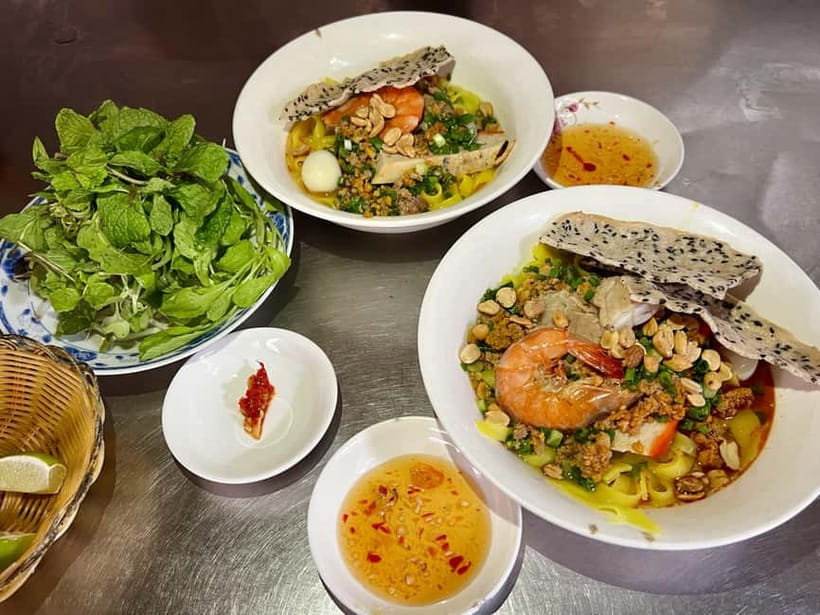
At $26 per person for about 3 hours, this tour is positioned as good “bang for your time.” You’re paying for more than walking. You’re paying for someone to handle the why behind the where—market context, coffee stop meaning, and temple etiquette—plus the structure that keeps you moving efficiently through three distinct environments.
The biggest practical value-add is the free e-sim when you book. That matters because connectivity costs and delays can mess up your day plans. If you’ve ever arrived somewhere new and realized you can’t figure out directions, maps, or messaging without Wi‑Fi, you already get why this inclusion is smart.
Also included:
- guided access through Saigon’s off-the-beaten-path stops
- Ho Thi Ky Flower Market
- Vietnamese coffee at Nguyen Thien Thuat Apartment
- Vietnamese National Buddhist Temple visit
One more detail you should know: there’s a holiday surcharge of VND 100,000 per person by cash during specific periods (Lunar New Year period, April 30–May 1, Hung Kings’ Anniversary, Sep 1–2, Jan 1). If your dates overlap, factor that into your budget.
The guide experience: Hung (alias Steven) and Mavis make it land
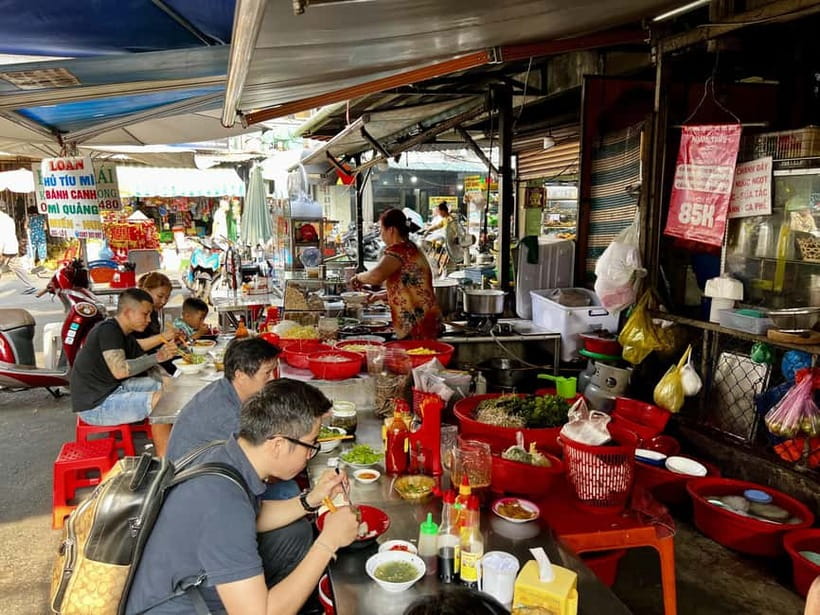
The reviews put a clear spotlight on guiding quality. Hung (alias Steven) is praised for interesting sights and for food that’s genuinely tasty, and Mavis is praised as lovely and adaptable—especially for tailoring the route and explanations to preferences and needs.
Why this matters: on a tour like this, the value is in the connections. A guide helps you understand what makes a place meaningful, not just what it looks like. If you like learning why people behave a certain way at a market, or why the temple space feels different, then having a guide who explains instead of just moving you along will make the whole day feel smoother.
Language is also practical. The tour runs with a live guide in Chinese and English, so you should be able to ask questions and get direct answers rather than relying entirely on body language.
What to bring (and how to dress for a 3-hour Saigon loop)
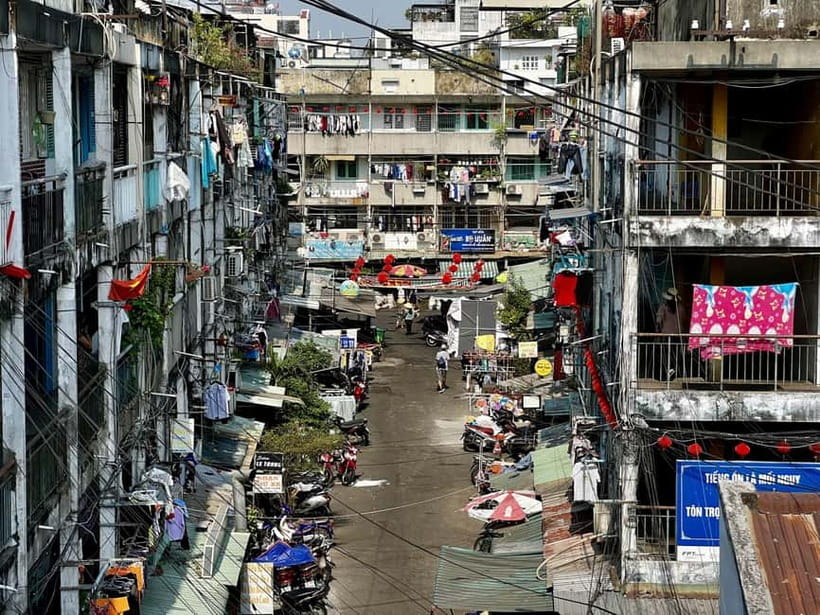
This is a walking-focused half-day. You’ll be happier if you come ready for real streets.
Bring:
- Comfortable shoes
- Water
- Sunscreen
- Camera
Dress for heat and movement. If you’re thinking about clothing, choose something breathable and easy to adjust. You’ll want to feel relaxed at the coffee and temple stops, not sweaty and distracted.
And if you’re traveling with anyone who has mobility needs: this tour is not suitable for people with mobility impairments or wheelchair users, based on the activity’s stated limitations.
Who should book this tour
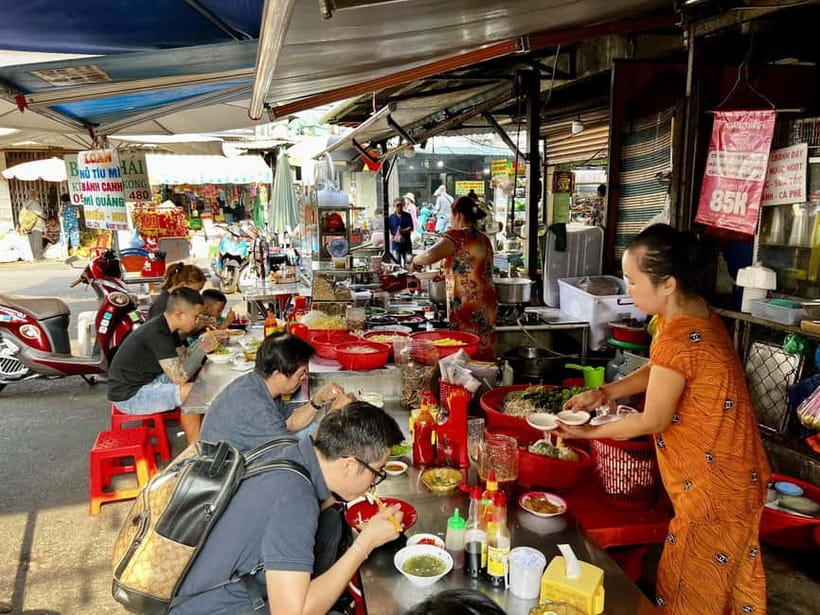
This experience fits best if you:
- want a short, structured introduction to Saigon that isn’t just big-name landmarks
- enjoy learning through everyday places like markets and apartment neighborhoods
- like food enough to try street bites with help from a guide
- travel with a phone and appreciate getting your e-sim included for navigation and messaging
It’s less ideal if you want a quiet, low-walking day, or if mobility challenges make walking difficult.
Should you book the Saigon e-sim hidden-spots tour?
If you’re planning to explore Saigon for more than a day, I think this is a strong choice. For $26, you get a full 3-hour guided route, coffee included, temple time built into the plan, and a free e-sim that can save you both hassle and money.
Book it if your ideal day includes street culture, flower-market color, and a calm pause at a Buddhist temple, all with a guide who explains as you go. Skip it if walking and standing for stretches sounds unpleasant, or if you prefer a purely indoor, low-movement itinerary.
FAQ
FAQ
Where is the meeting point?
The meeting point is Ben Thanh market West Gate.
What is the duration of the tour?
The tour lasts 3 hours.
How much does the tour cost?
It costs $26 per person.
Is the e-sim included?
Yes. You get a free e-sim when you book this tour.
What stops are included in the tour?
The tour includes Ho Thi Ky Flower Market, Nguyen Thien Thuat Apartment with Vietnamese coffee, and the Vietnamese National Buddhist Temple.
What languages are the guides?
The live tour guide speaks Chinese and English.
Is there any extra fee during holidays?
Yes. There is a holiday surcharge of VND 100,000 per person paid by cash during specified dates (Lunar New Year period / April 30–May 1 / Hung Kings’ Anniversary / Sep 1–2 / Jan 1).
Is the tour suitable for wheelchair users?
No. It is not suitable for people with mobility impairments or wheelchair users.
What should I bring?
Bring comfortable shoes, a camera, sunscreen, and water.