REVIEW · HO CHI MINH CITY
Discover vietnamese Agriculture,culture ,Cuisine and Cu chi Tunnels in Saigon
Book on Viator →Operated by HCM Cooking Class · Bookable on Viator
Tunnels, gardens, and dinner in one day. This tour strings together Cu Chi Tunnels with an organic farm visit and a Vietnamese cooking class, so you get more than one kind of Vietnam in a single 10.5-hour outing. It’s especially good for first-timers who want context, not just photos.
I love the stress-free hotel pickup and the way the day stays organized, from jasmine tea welcome through the final meal. I also like how hands-on cooking is actually the centerpiece: you pick ingredients, cook 4 dishes, and leave with a certificate and recipes. One drawback to consider: it’s a full schedule, so bring comfortable shoes and be ready for a long day outside.
In This Review
- Key highlights worth your time
- A Full Saigon Day Out: Cu Chi Tunnels, Organic Harvest, and Cooking
- Hotel Pickup and the 7:30 Start: How the Day Flows
- Organic Farm Walk and Harvest: Nutrition From the Plants
- Your 4-Course Vietnamese Cooking Class: Pick, Cook, and Leave With Recipes
- Cu Chi Tunnels: How the Underground Network Worked
- Rubber, Traps, Rice Paper, and Wartime Food: The Extras That Make It Click
- Price and Value at $81 per Person
- Who This Trip Fits Best (and Who Might Skip It)
- Should You Book This Vietnamese Agriculture and Cu Chi Tunnels Tour?
- FAQ
- What time does the tour start?
- How long does the tour take?
- What’s included in the price?
- Are drinks included?
- Is a vegetarian option available?
- How big is the group?
- Can I cancel and get a full refund?
Key highlights worth your time
- Jasmine tea welcome plus the farm “starter kit”: Vietnamese hat, basket, and scissors
- Harvest your own organic ingredients and learn how food connects to nutrition
- 100% hands-on cooking for 4 dishes, not a sit-and-watch demo
- Cu Chi Tunnel history through build-and-survival details, including underground life for up to 20 years
- Extra stops beyond the tunnels: rubber viewing, local traps, rice paper making, and wartime food habits
A Full Saigon Day Out: Cu Chi Tunnels, Organic Harvest, and Cooking
This is the kind of Saigon outing that helps you understand the south, not just tick off a landmark. You start with Vietnam’s farming and daily life, then shift to wartime survival, and end by turning ingredients into a meal you can re-create at home.
The value here is the mix: you don’t just learn what people grew and ate. You also get the story of why those skills mattered. On top of that, the cooking class isn’t treated like an add-on. It’s a true working session where you do the picking, chopping, and cooking.
You’ll also notice the tour leans practical. You get hands-on time on the farm and at the stove, plus tangible takeaways like recipes and a certificate. That matters because Vietnam’s flavors can feel hard to copy later—this tour helps you leave with something usable.
You can also read our reviews of more tours and experiences in Ho Chi Minh City.

Hotel Pickup and the 7:30 Start: How the Day Flows
The day begins at 7:30am, and the tour runs about 10 hours 30 minutes. Hotel pickup and drop-off are part of the package, so you’re not playing meeting-point roulette or trying to navigate traffic before you even start learning.
Once you’re in the air-conditioned vehicle, the day settles into a clear rhythm: drive out of the city, farm activities, then the Cu Chi portion, and finally the cooking and lunch components. The schedule is busy, but the structure is what you’re paying for. If you’re visiting Saigon for the first time and want the broad picture, this kind of guided flow is easier than stitching together multiple separate tours.
Also worth knowing: the group is capped at 15 travelers. That size is big enough to feel social, but small enough for attention from your guide.
Organic Farm Walk and Harvest: Nutrition From the Plants
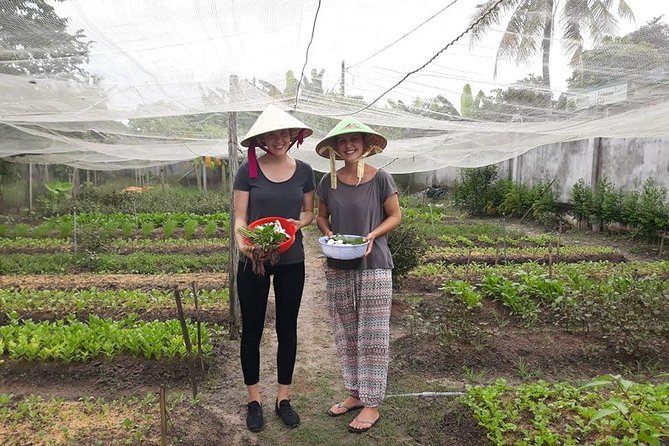
The farm portion is where the tour shows you Vietnam as an everyday skillset, not just scenery. You get a warm welcome with jasmine tea, plus a Vietnamese hat, a basket, and scissors. It’s a small detail, but it signals what’s coming: you’re expected to participate.
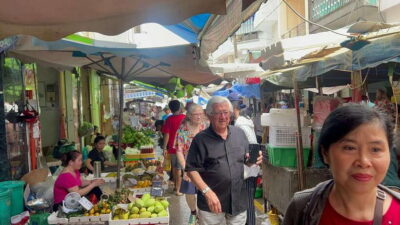
On the walk, you learn how the plants connect to nutrition. The tour includes time exploring the organic produce—vegetables, fruits, herbs, and even mushrooms—so you start recognizing ingredients by sight instead of just by taste. This is also where many people get excited, because the process feels tactile. You’re not only being told what to eat; you’re seeing where it comes from.
Then comes the most practical part: you’re hands-on with picking ingredients from the organic area. In the cooking school, those harvested items become part of your dishes. That link—plant to plate—helps everything click later when you’re shopping or cooking at home.
One consideration: farm time can be physically active (walking and harvesting). If you’re not used to sun and light outdoor work, plan on taking it slow during the harvest stage and keep water in mind, since bottled water is included.
Your 4-Course Vietnamese Cooking Class: Pick, Cook, and Leave With Recipes
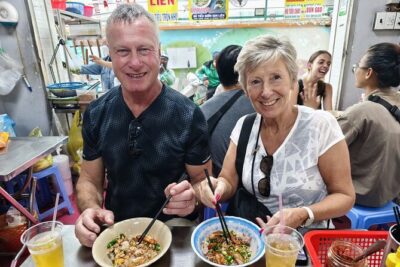
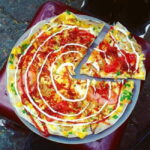
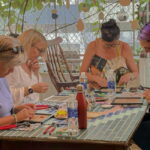
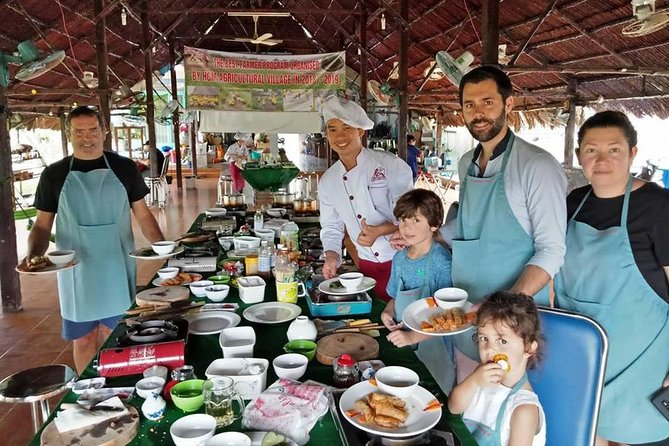
After the farm, you move into the cooking stage, and it’s clearly designed to be hands-on. The tour promises 100% hands-on cooking for 4 dishes, and your job is to make them—not just watch someone else do it.
This is also where the guide can make or break the experience, and the tour has strong guide energy. Names that come up for stand-out instruction include Chef Linh, Aura, Daisy, and Suu. People praised them for being attentive, energetic, and good at explaining what matters, not just listing steps.
You’ll also get a certificate and recipes at the end. That’s not just a souvenir. Recipes written down are what you’ll thank yourself for when you’re trying to reproduce flavors at home—especially with Vietnamese dishes where the balance of ingredients can be tricky.
You might see the kitchen described as a magic kitchen, but the key word is still practical. You’ll be doing the work, so you understand the flow of cooking rather than memorizing one perfect plate. If you enjoy learning by doing, this part is the heart of the day.
Vegetarian option note: a vegetarian option is available if you advise at booking. That’s a real detail to watch for, because the farm ingredients and the final dishes can change based on what’s prepared.
Cu Chi Tunnels: How the Underground Network Worked
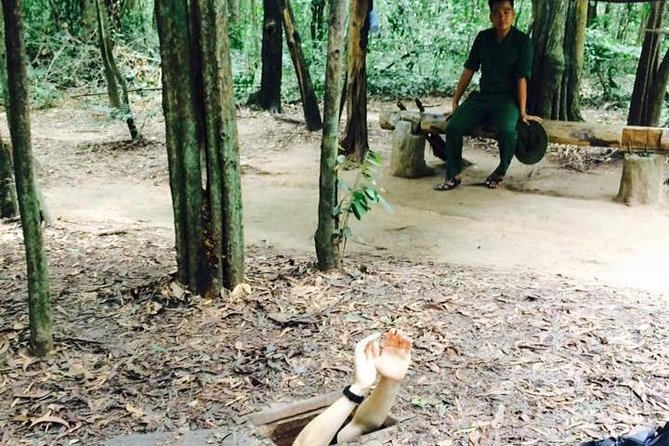
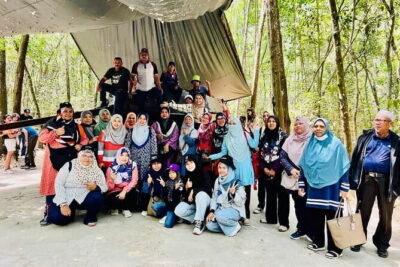
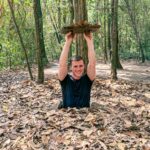
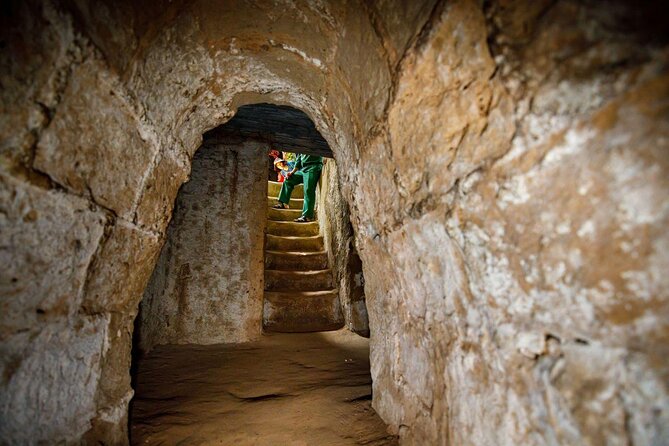
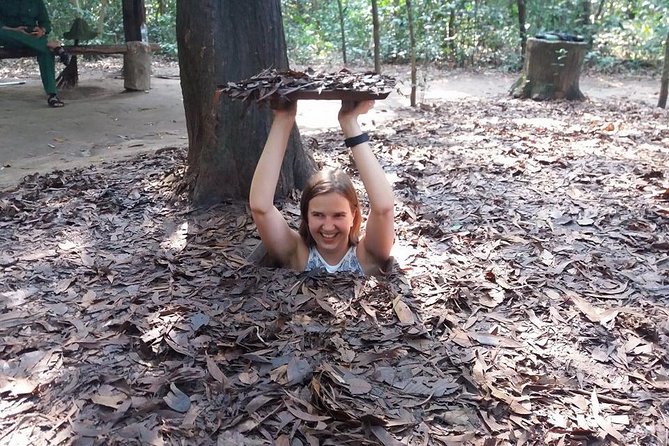
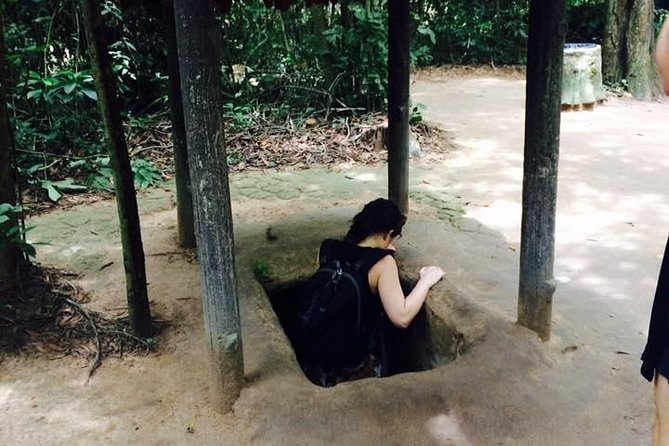
The Cu Chi segment shifts the tone, and it does it with purpose. You learn about how tunnels were constructed and how life was sustained underground. The tour focuses on understanding the survival logic, not just walking a tunnel and moving on.
Expect explanations that cover the underground challenge of living for a long stretch—up to 20 years in the story you’re given—plus how people overcame those conditions. This isn’t presented as a single dramatic moment. It’s survival systems: ventilation, movement, concealment, and the tough reality of living where you can’t just step outside.
You’ll also see how people used their environment to manage risk. That leads directly into the extra demonstrations tied to local wartime survival methods.
The pacing is important. You’re coming in after the farm and cooking setup, so your brain has already switched from everyday life to lived history. That contrast makes the tunnel story hit harder, because you can connect the food-and-farming part of Vietnam to the survival part.
Rubber, Traps, Rice Paper, and Wartime Food: The Extras That Make It Click
Beyond the tunnels, the tour includes several add-ons that help fill in context and everyday details. You’ll get to see rubber, including how it fits into the bigger Vietnam story. You’ll also learn about local traps, which gives the survival lessons more grounding than tunnel talk alone.
Another highlight is learning how rice paper is made. It’s a small, skill-based stop, but it connects cooking to production. Once you know the process, Vietnamese food textures make more sense.
And yes, you’ll eat the main food local people ate during the war time. That part is especially valuable because it anchors the history in something you can taste. Food becomes more than flavor—it becomes a survival choice, shaped by scarcity and need.
This mix also helps if you’re curious but don’t want a lecture-heavy day. The tour uses short, varied segments so you keep getting new angles: agriculture, food skills, survival, and the small techniques that supported daily life.
Price and Value at $81 per Person
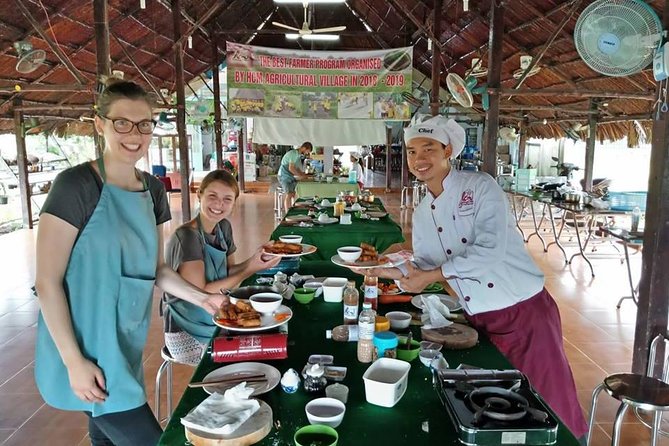
At $81 per person, this tour is priced like a full-day package, not a quick add-on. You’re paying for several things at once: hotel pickup and drop-off, an air-conditioned vehicle, bottled water, snacks, lunch, plus a 4-course lunch, and the hands-on cooking instruction.
When you break it down, the meal and class component alone usually would cost more than a simple ticket-style tour. Here, those costs get bundled with the Cu Chi access and the farm experience. You also get tangible takeaways: a certificate and recipes, which is a real value item if you’re the type who cooks after trips.
Is it expensive compared to DIY travel? Sure, but DIY means more time lost to logistics and less structure for learning. If you want the south Vietnam overview with minimal planning, the $81 starts to look like convenience plus education—especially with guides who are repeatedly praised for clarity and energy.
Who This Trip Fits Best (and Who Might Skip It)
This tour is best for you if you want a single day that covers multiple sides of Vietnam: food, farming, and history. It’s also a strong match for first-time visitors to Saigon because the guided structure gives context, not just activity.
It’s also a good fit if you learn by doing. The farm harvest and the cooking class are both participation-based. If you like asking questions while you work, you’ll get more out of it.
You might want to choose something else if you prefer a slower pace or hate long days on the road. The schedule is packed, and the day includes multiple transitions between outdoor and indoor time. If you’re traveling with limited mobility, plan carefully, because harvesting activities and tunnel walking can be tiring.
Should You Book This Vietnamese Agriculture and Cu Chi Tunnels Tour?
Yes, if you want one high-value day that blends Cu Chi history with real farm-to-plate learning. The hands-on focus is the deciding factor: you don’t just learn about Vietnamese cuisine; you help make it, then leave with recipes.
Book it sooner rather than later if your dates are tight, because the tour is commonly booked about 38 days in advance. And if you’re vegetarian, lock in that request at booking so your cooking class matches your needs.
If you’re on the fence, ask yourself one question: do you want your day to include both survival history and cooking you can repeat at home? If yes, this is a smart choice.
FAQ
What time does the tour start?
The experience starts at 7:30am.
How long does the tour take?
It runs for approximately 10 hours 30 minutes.
What’s included in the price?
The tour price includes hotel pickup and drop-off, port pickup and drop-off, an air-conditioned vehicle, bottled water, snacks, and a 4-course lunch (plus coffee and/or tea).
Are drinks included?
No. Drinks are not included, so you’ll want to budget for anything beyond what’s specified.
Is a vegetarian option available?
Yes. A vegetarian option is available, but you need to advise at booking.
How big is the group?
The tour has a maximum of 15 travelers.
Can I cancel and get a full refund?
Yes. You can cancel for a full refund if you cancel at least 24 hours before the experience’s start time. Free cancellation is available up to 24 hours in advance.