REVIEW · HO CHI MINH CITY
Cu Chi Tunnel & Cao Dai Temple One Day Private Tour
Book on Viator →Operated by VietCruise Tours · Bookable on Viator
A day of tunnels and temple ceremony keeps the mind busy. You’ll get a private way out of Ho Chi Minh City that pairs Cu Chi tunnels with the 12:00 PM Cao Dai ritual, so history and living faith hit back-to-back. I like how this tour doesn’t stop at photos; it builds a picture of wartime life underground, then swings you into Cao Dai’s highly stylized worship.
Two things I really like: first, the Cu Chi stop goes beyond a quick walk, with time to crawl through narrow tunnel sections and see things like clinic and kitchen rooms, handmade weapons, and bamboo-style trap setups. Second, the Cao Dai temple visit lands at the ceremony time, so you’re not just looking at architecture—you’re watching the religious moment unfold.
One consideration: this is an active, long day (about 8–9 hours), and the tunnel experience can feel tight and intense if you don’t love cramped spaces. Also, the optional shooting range has extra fees, so it’s worth budgeting if you’re tempted.
In This Review
- Key points I’d plan around
- Why Cu Chi + Cao Dai Works as One Private Day
- Price and What You Actually Get for $145
- Getting There and Back: Timing Is the Real Itinerary
- Cu Chi Tunnels: Crawling Through Wartime Engineering
- What the Cao Dai Temple Ceremony Shows at 12:00 PM
- Lunch, Water, and Food Near the Cambodia Border
- The Optional Shooting Range: Plan for Extra Fees
- How the Private Guide Changes the Whole Experience
- Who This Tour Is Best For (and Who Might Want a Different Plan)
- Should You Book This Cu Chi Tunnel & Cao Dai Temple Private Tour?
- FAQ
- What is the duration of the Cu Chi Tunnel & Cao Dai Temple one-day tour?
- How much does the tour cost?
- What does the price include?
- Is pickup provided from Ho Chi Minh City?
- What time is the Cao Dai temple ceremony?
- Is the shooting range included in the tour price?
- What happens if weather is poor?
Key points I’d plan around
- Private itinerary: less crowd pressure and more control over how you enter Cu Chi (often via Ben Duoc gate).
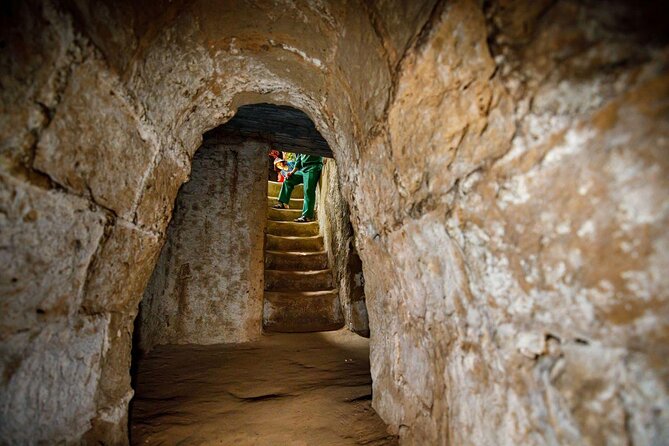
- Cu Chi Tunnels inside the system: rooms like clinic and kitchen plus crawl-through sections, not just a viewpoint.
- Noon timing for Cao Dai: you arrive for the ceremony at 12:00 PM when it’s actually happening.
- Clear wartime context (1945–1975): guidance connects tunnel life to the Vietnam War era.
- Lunch and bottled water included: you won’t lose time hunting for food between stops.
Why Cu Chi + Cao Dai Works as One Private Day
This tour makes smart use of a hard reality: Cu Chi Tunnels and the Cao Dai temple are both outside central Ho Chi Minh City, so you want a tight schedule that doesn’t waste half the day on transit. The best part is how the day has two different kinds of meaning. Cu Chi hits the practical side of history—how people survived, hid, and fought in a system built underground. Cao Dai, at the noon ceremony, shows another side: how a living belief gets expressed in ritual and design.
If you’re the kind of traveler who likes seeing culture and faith as something real, not a museum label, the pairing clicks. You come out of the tunnels with a new sense of what hardship can shape, then you shift to a temple where worship has a set time, set forms, and vivid visual symbols. It’s a contrast day in the best way.
Also, going private matters more than you might think here. Cu Chi is famous, which means crowds can pile up fast at major entry points and popular viewing stops. A private guide and a plan for your route help you avoid wasting time waiting in line or moving at a slow, packed pace.
You can also read our reviews of more private tours in Ho Chi Minh City



Price and What You Actually Get for $145
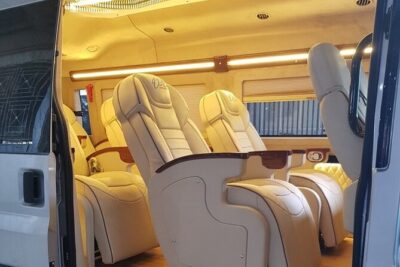
At $145 per person, this is not a budget add-on. But the price is easier to justify when you look at what’s bundled: an air-conditioned vehicle, lunch, bottled water, the Cu Chi tunnel entrance fee, plus landing and facility fees.
Here’s the practical value math I’d use:
- You’re paying for transportation out to the tunnel area and back.
- You get guided interpretation at both places, not just a transfer.
- You’re covered for key admissions tied to the day, including the tunnel entry and lunch.
What’s not included is also clearly marked. Alcoholic drinks are extra, and the shooting range (if you want to try it) has additional fees. That means you can keep the day simple if you want, or add the shooting experience as an optional add-on.
If you care about comfort during a long day, the included AC vehicle is worth factoring in. Nine hours in city traffic without a good ride can drain the mood fast.
Getting There and Back: Timing Is the Real Itinerary
This is built as an 8–9 hour day with pickup offered, and it runs on timing more than wandering. The big clock anchor is the Cao Dai temple ceremony at 12:00 PM. That’s a strong reason to book this as a guided, scheduled experience instead of trying to self-drive and match the ritual time on your own.
You’ll also want to know that the tour uses a mobile ticket, and it’s set up as a private group outing—your group only—so the pacing is more flexible than a shared tour. Still, the schedule isn’t random. When a stop is tied to a ceremony time, you go when it happens.
One more small-but-real detail: the tour provider notes that confirmation is received at booking, and the experience is near public transportation. That matters if you’re staying close enough to use an alternate route on the rare day you need to adjust.
Cu Chi Tunnels: Crawling Through Wartime Engineering
The Cu Chi Tunnels segment is where the day becomes hands-on. You’ll get documentaries and an explanation of how Vietnamese forces built, lived, and fought using the tunnel network during the 1945–1975 war years. The guide shares the tunnel history in an illustrated way, which helps when you’re staring at small openings and trying to map what you’re seeing.
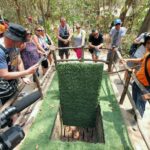
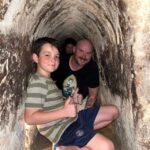
The physical part is the standout. You get the chance to come through narrow tunnels, and the experience is designed to help you understand what it meant to move and survive underground—space constraints, hidden routes, and the constant sense of being concealed.
What you’ll actually look for (and why it matters):
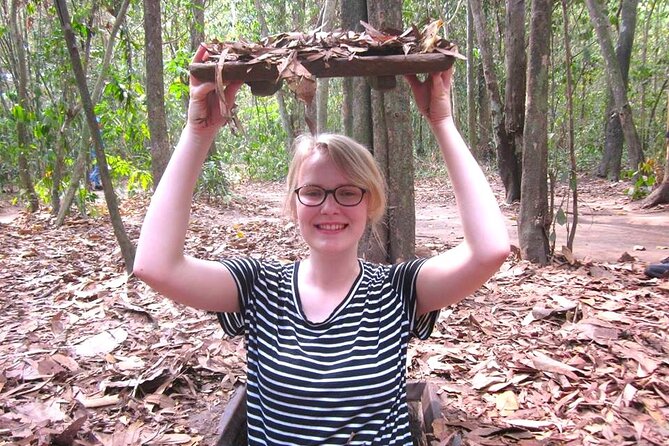
- Trap and disguise concepts: the tour focuses on disguised traps and tactical thinking, not just “tunnels existed.”
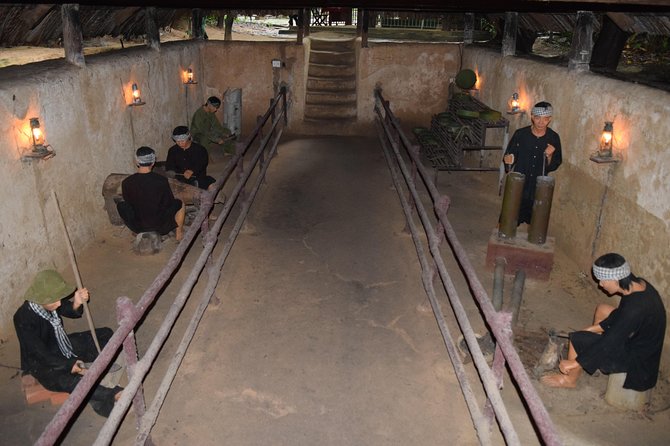
- Wartime tools: you can see rudimentary handmade weapons and bamboo trap setups.
- Tunnel life in rooms: the tunnel system includes areas like a clinic, kitchen, storage room, and an office, plus the interconnected underground tunnel layout.
- A crawl-through experience: trying the narrow-tunnel passage is the moment that turns the story into something you can feel.
There’s also a food finish here. After the tunnel visit, you can enjoy Cu Chi Tapioca. That tiny detail does more than fill time—it gives you a small taste of how simple, nearby ingredients and local survival patterns became part of daily wartime life.
One more practical note: the tour uses a private setup that may choose Ben Duoc gate for a better entrance. That’s exactly the kind of logistical tweak that can save your energy and prevent your day from turning into a waiting game.
What the Cao Dai Temple Ceremony Shows at 12:00 PM
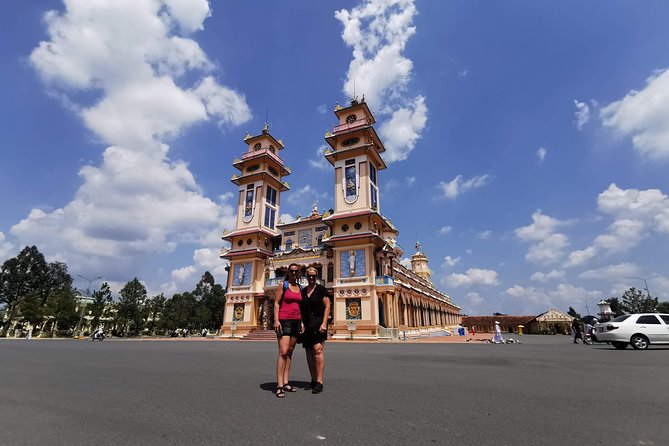
The Cao Dai stop is not a quick “look around and leave.” It’s timed for the 12:00 PM ceremony, so you’ll be present for the ritual moment when it’s underway. This is a huge difference between seeing a temple as architecture and experiencing it as a living place of worship.
Cao Dai is described here as a local belief that combines influences like Taoism, Buddhism, and Christianity. Even if you don’t know the doctrines, you can still read the meaning through the ritual structure and the temple design.
And the temple design has details that are hard to forget:
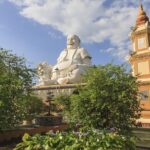
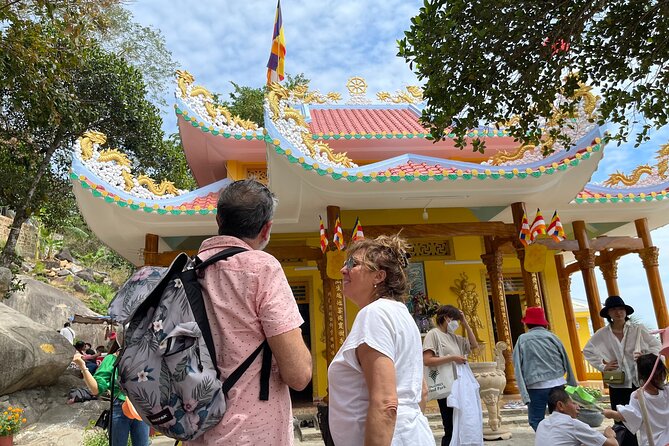
- You’ll admire a crafted seven-headed dragon.
- There are cobra columns and a striking sky-blue ceiling.
- The ceremony is part of the visit, so the visuals connect to actual worship rather than standing there without context.
If you like religion as culture—how communities express beliefs in daily practice—this is the point of the day. The tour aims to explain Cao Dai culture and its development in Vietnam, so you don’t just leave with pictures. You leave with a better sense of why the space looks the way it does and why the timing matters.
Drawback to keep in mind: because it’s scheduled for noon, you can’t treat this as a flexible “drop in whenever” temple visit. If your energy is running low after the tunnels, try to mentally prepare for a calmer, more ceremonial pace rather than another intense activity.
You can also read our reviews of more tours and experiences in Ho Chi Minh City


Lunch, Water, and Food Near the Cambodia Border
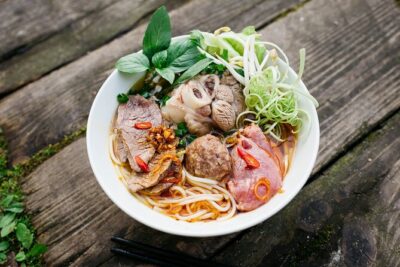
Lunch is included, along with bottled water, and the day is framed around Vietnamese culture connected to the Cambodia border area. That matters because Cu Chi and this region aren’t just about war history. They’re also about how people live with that history in place.
The practical win is timing. Having lunch included means you don’t lose time looking for a meal between the two major stops. And since the tour already handles transport, admissions, and guide time, your best use of energy is to show up ready to ask questions and take in details.
Even if you’re picky about food, included lunch is usually easier to plan around than a surprise meal stop on a shared tour. You’ll also have a full day’s structure, which helps if you’re visiting for a limited number of days.
The Optional Shooting Range: Plan for Extra Fees
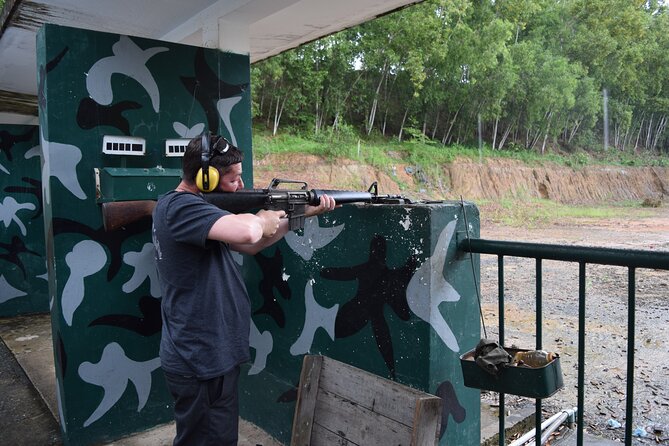
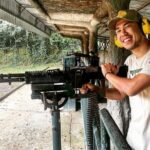
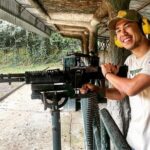
At Cu Chi, there’s an opportunity to experience the shooting range with real wartime-style options like M-15, AK-47, and a carbine rifle. The key point: the shooting range fee is not included.
Whether it’s worth it depends on what you want from the day:
- If you want a fuller wartime experience and don’t mind paying extra, it can add a hands-on element.
- If you’d rather focus only on the history and the tunnel system, you can skip it and still get the main value.
I recommend thinking about this choice in advance. The option is there, but it’s not a free add-on. If you’re trying to keep total spending under control, set aside a small buffer or decide to skip the range before you arrive.
How the Private Guide Changes the Whole Experience
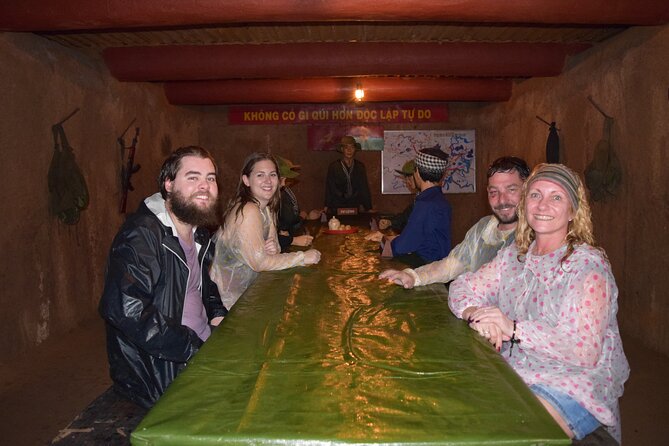
One of the most praised parts of this tour is the guide. In particular, the experience is highlighted with a guide named Cường, described as friendly and well-versed, sharing details that make the places easier to understand.
That matters because Cu Chi can feel like a maze if you don’t have context. With a good guide, the rooms and passages stop being random and start becoming a story you can follow. The illustrated explanations also help when you’re learning how a tunnel network supported daily life and tactical movement at the same time.
Private guiding also gives you breathing room. Instead of rushing from one crowd hotspot to another, you can focus on what you personally want to see: the narrow sections, the trap concepts, the rooms, and the tunnel layouts.
And yes, that crowd avoidance element is real. When Cu Chi is busy, moving with a group that stays together—and can adjust its entry point—can keep the day from feeling chaotic.
Who This Tour Is Best For (and Who Might Want a Different Plan)
This one-day private tour is a great fit if:
- You want both Vietnam War-era underground history and a real-time religious ceremony.
- You prefer a private plan instead of sharing time with strangers.
- You like guided interpretation that connects details to meaning, not just sightseeing snapshots.
- You’re comfortable with an active element, including trying narrow tunnel passages.
It may not be ideal if:
- You strongly dislike cramped spaces or claustrophobic settings.
- You want a purely relaxed sightseeing day. This has an active core at Cu Chi plus a scheduled noon ceremony.
- You’re not interested in any optional extras like the shooting range, since you’ll see it offered, even if you don’t do it.
Should You Book This Cu Chi Tunnel & Cao Dai Temple Private Tour?
I’d book it if you’re looking for a structured, high-value day that avoids common pain points: long travel with no plan, missing a ceremony time, and spending your energy in lines instead of learning.
The biggest reasons to say yes are simple. You get a private experience with time focused on the tunnel system (including narrow crawl-through moments and wartime rooms), and you arrive for a 12:00 PM Cao Dai ceremony instead of just touring a building.
The main reason to pause is the intensity of the tunnel part. If tight spaces aren’t your thing, the day could feel harder than it sounds on paper. If you can handle that, this is the kind of combination tour that leaves you with more than one kind of memory: the underground survival story, and the ritual and symbolism of Cao Dai worship.
FAQ
What is the duration of the Cu Chi Tunnel & Cao Dai Temple one-day tour?
The tour lasts about 8 to 9 hours.
How much does the tour cost?
It costs $145.00 per person.
What does the price include?
The tour includes lunch, bottled water, an air-conditioned vehicle, landing and facility fees, and the Cu Chi tunnel entrance fee.
Is pickup provided from Ho Chi Minh City?
Yes, pickup is offered.
What time is the Cao Dai temple ceremony?
The ceremony is at 12:00 PM.
Is the shooting range included in the tour price?
No. The shooting range is an opportunity at an extra fee, and options mentioned include M-15, AK-47, and a carbine rifle.
What happens if weather is poor?
This experience requires good weather. If it’s canceled due to poor weather, you’ll be offered a different date or a full refund.