REVIEW · HO CHI MINH CITY
Australian Base, Long Tan & Nui Dat Tour with Vung Tau Beach
Book on Viator →Operated by Hana Tourist Vietnam · Bookable on Viator
A day of remembrance, with beach time too. This full-day outing connects Australia’s Vietnam War story to real places you can stand in, then mixes it with a breather in Vung Tau. I really like the way the visit is guided by an English-speaking expert (Dingo Chien gets a special nod for local knowledge and story-telling). I also appreciate the Long Tan Cross Memorial stop, with flowers and incense provided so you can pay respect in a meaningful, low-pressure way. One consideration: it’s a long day, and one key viewpoint (the Horseshoe location) is only accessible from a distance due to restrictions.
You start early from central Ho Chi Minh City, ride out in comfort, and come back around 5:00 pm—so plan for a full commitment. With a maximum group size of 10 and an air-conditioned vehicle, it stays calm and easier to hear your guide. You’ll get lunch and bottled water included, plus entrance fees and permits handled, so your day doesn’t turn into an admin project.
In This Review
- Key highlights to expect on this Australian Base and Vung Tau day
- Why this Nui Dat to Vung Tau day tour works from Ho Chi Minh City
- The Nui Dat Task Force Base morning: real context, not just names
- Long Tan Cross Memorial: remembrance you can actually participate in
- The Horseshoe location: why you see it from farther away
- Long Phuoc Tunnels: wartime survival made physical
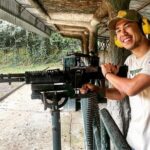
- Robert Taylor Museum of Worldwide Arms: uniforms, weapons, and context
- Vung Tau Beach lunch: a needed break between heavy sites
- Price, timing, and comfort: what you’re really paying for
- Who this tour is best for (and who might want something else)
- Should you book this Australian Base, Long Tan & Nui Dat tour?
- FAQ
- What is the duration of the Australian Base, Long Tan & Nui Dat Tour with Vung Tau Beach?
- Where does the tour start and end?
- What time does the tour start?
- How big is the group?
- Is lunch included?
- Are entrance fees and permits included?
- Does the tour include bottled water?
- Is an English-speaking guide included?
- Is travel insurance included?
Key highlights to expect on this Australian Base and Vung Tau day
- English-speaking guidance focused on Australia’s role in Vietnam War sites around Nui Dat and Long Tan
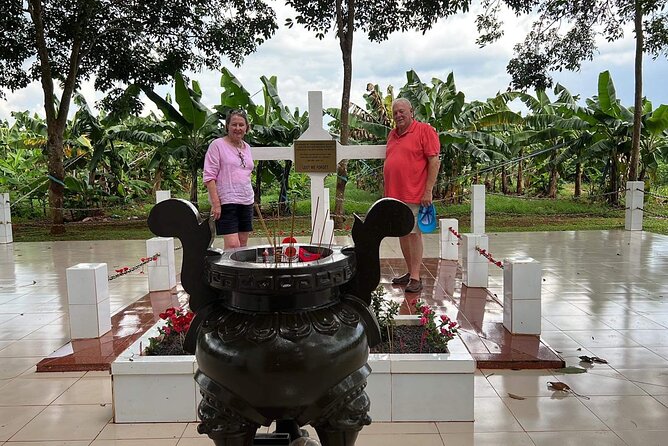
- Long Tan Cross Memorial with flowers and incense so you can participate in remembrance at your own pace
- Horseshoe location viewed from a distance due to restricted access (so don’t expect close-up entry here)
- Long Phuoc Tunnels for a practical look at wartime survival and tactics
- Robert Taylor Museum of Worldwide Arms with uniforms and weapons that add historical context
- Vung Tau Beach time for lunch and reset between heavier sites
Why this Nui Dat to Vung Tau day tour works from Ho Chi Minh City
This is the kind of tour that makes sense if you want more than a drive-by of war history. You’re not just passing landmarks—you’re getting a structured day built around major memorials and learning stops, then ending with a more normal human moment: a meal and time to relax in Vung Tau.
The value here is mainly in what’s included. For about $155 per person, you get round-trip transport by air-conditioned car or mini van, an English-speaking guide, lunch, bottled water, and the entrance fees/permits tied to the key sites. That matters because travel out to Ba Ria–Vung Tau Province can add costs fast once you start paying separately for tickets and sites. Booking about 100+ days ahead is also typical for this area, so if you’re traveling in a busier season, locking in early can help.
Also, the day is capped at 10 people. That’s not a huge crowd, which means questions don’t get drowned out and you can hear the guide’s explanations without leaning forward the whole time.
You can also read our reviews of more tours and experiences in Ho Chi Minh City.

The Nui Dat Task Force Base morning: real context, not just names
Your morning begins with hotel pickup in Ho Chi Minh City around 8:00–8:30 am, then you head toward the Nui Dat area in Ba Ria–Vung Tau Province. The tour uses this drive time well: it sets the scene for what you’ll see later, so when you arrive at the former Nui Dat Task Force Base area, it feels less like a blank field and more like a lived-in, purposeful location.
At this stage, your guide focuses on what the Australian military presence meant in the region. You’ll get the kind of context that helps you connect the dots: why certain areas became targets, how operations shaped everyday movement, and how the story of this place fits into the wider Vietnam War.
A key practical thing: you’re traveling early in daylight, which helps with comfort and photos. And because this is a full-day format, you’re able to take your time at the memorial and museum stops rather than rushing through everything in a couple of hours.
Long Tan Cross Memorial: remembrance you can actually participate in
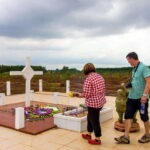
The Long Tan Cross Memorial is the emotional anchor of the tour. You’ll visit with time to look, reflect, and take part in the remembrance. The tour provides flowers and incense sticks, which is an important detail—because it keeps the experience respectful and simple. You don’t have to scramble for supplies, and you can choose whether you want to spend a quiet moment offering incense or just observe.
This is also where you’ll feel the tour’s audience focus. It’s designed with Australian veterans in mind, but it’s open to everyone, and that balance shows in how the site is handled: respectful, guided, and not performative.
One thing to know before you go: the mood here is different from typical sightseeing. If you’re sensitive to war-related content, you’ll likely want a little mental preparation. On the flip side, if you’re coming specifically for meaningful context, this is exactly the kind of stop that makes a tour worth it.
The Horseshoe location: why you see it from farther away
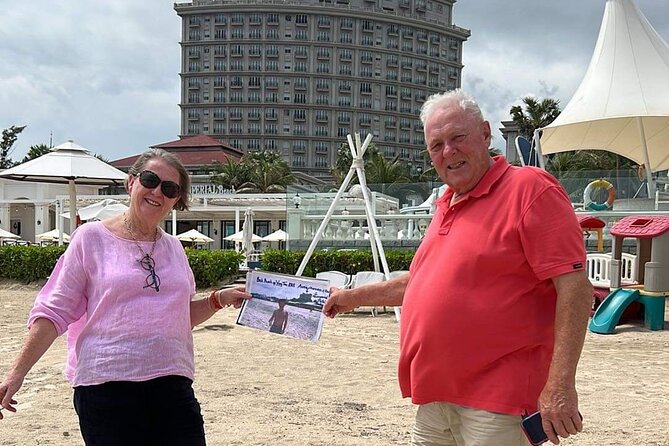
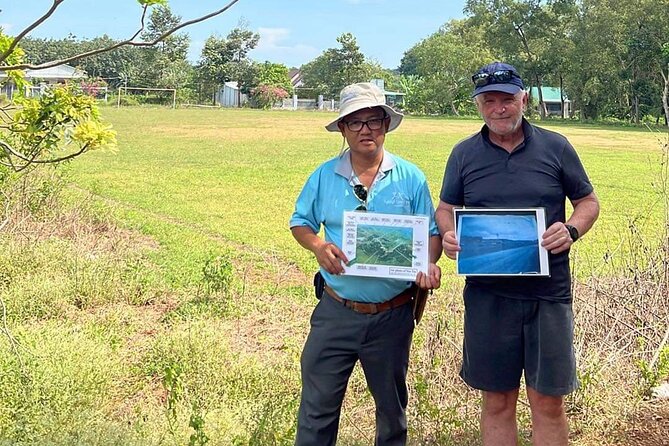
Right after the base area, there’s a viewpoint connected to the Horseshoe location. Here, access is restricted, so you’ll see it from a distance rather than walking right up to a specific point.
That might sound like a letdown, but it’s actually part of what keeps the visit appropriate and safe. Instead of pretending you’re at the exact location from the past, you get a clearer sense of how the landscape relates to what happened. If you manage expectations—this is a viewing stop, not an entry spot—you’ll get more out of it.
If you like taking photos, consider bringing a phone camera-ready strap or keeping your phone handy for quick shots. The best angles tend to be at the moment your guide pauses at the viewpoint.
Long Phuoc Tunnels: wartime survival made physical
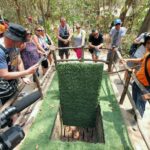
After the morning remembrance, you head toward the Long Phuoc Tunnels area. This part of the day shifts from memorial emotion to practical wartime strategy—how people survived, moved, and tried to outlast threats.
Tunnels can be tricky to experience on tours because lighting and layout vary, and what you can see depends on how the site is managed. Still, the payoff here is the way the guide connects the tunnel experience to wartime tactics. It stops being a generic “tunnels were used” lesson and becomes a story about what those spaces did for people under pressure.
Wear something comfortable for a walking-and-standing day. Even if you’re not doing anything strenuous, tunnel visits tend to involve changing light levels and taking time to orient yourself. Good shoes make a difference.
Also, because this is paired with other heavy history stops later, this is a good point to mentally reset. The tunnels feel hands-on and logistical—different from the memorial’s quiet pace.
Robert Taylor Museum of Worldwide Arms: uniforms, weapons, and context
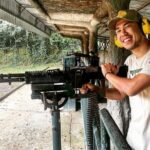
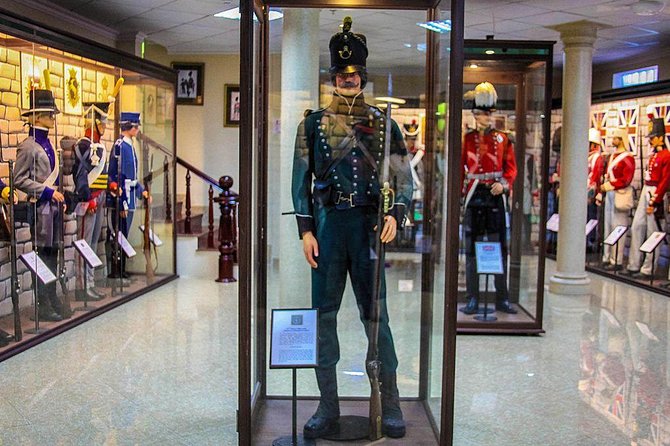
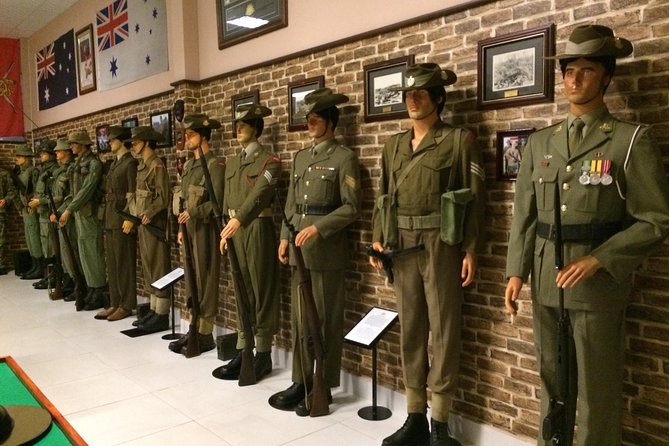
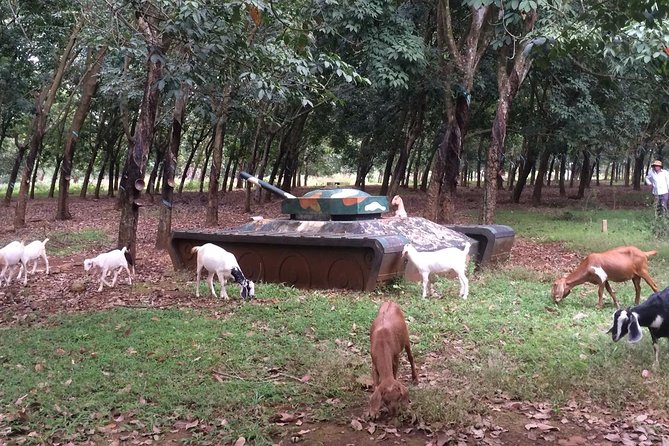
Next comes the Robert Taylor Museum of Worldwide Arms. The museum is built around an extensive collection of military uniforms and weapons, and that matters because it gives your brain a visual framework.
What I like about this stop is how it can anchor what you learned earlier. After Long Tan and the tunnel area, you’re already thinking about operations, threats, and survival. Seeing uniforms and weapons adds a layer of detail that text-only history can’t always provide.
This is also one of the more “self-paced within the guided day” moments. You can spend longer on items that catch your attention and move on from displays that aren’t your focus. If you’re the kind of traveler who likes to read placards slowly, you’ll likely appreciate the breathing room.
Just note: because this is a war-focused museum, expect content that’s graphic or intense in theme. It’s not about entertainment—it’s about documentation and understanding.
Vung Tau Beach lunch: a needed break between heavy sites
By the time you reach Vung Tau Beach, you’ve earned the lunch stop. You’ll have a Vietnamese lunch at a local restaurant, and bottled water is included as part of the tour setup.
This is where the tour becomes more balanced. After hours of remembrance and wartime sites, the meal gives you a chance to refuel and reset. And Vung Tau isn’t just a random stop—it’s a real coastal area, so even if you only get time for a break around lunch, it helps the day feel human again.
Since the tour includes lunch (rather than leaving you to find food on your own), you also avoid a common travel headache: spending energy negotiating where to eat when you’re already tired. If you have dietary needs, you might want to check directly with the provider when booking, because the specific menu isn’t listed in the details you provided.
Price, timing, and comfort: what you’re really paying for
At $155 per person, this isn’t a “cheap and cheerful” tour. You’re paying for a full package: transport out of Ho Chi Minh City, an English-speaking guide, lunch, bottled water, and—most importantly—entrance fees and permits tied to the Long Tan area.
In practical terms, that means less hassle for you:
- You don’t need to figure out which tickets you need for each site.
- You don’t need to negotiate entry permissions.
- You’re not scrambling for cash right before memorial or museum stops.
Timing is another part of the value. Pickup is around 8:00–8:30 am, and you’re back at your hotel around 5:00 pm. That’s a long stretch, so plan a light morning beforehand. Also, consider that midday warmth in this region can feel intense—so the air-conditioned vehicle is a real comfort win.
The tour is also limited to a maximum of 10 travelers, which keeps the day from turning into a cattle-call experience. For war-history tours, smaller groups matter even more because you want to hear nuance, not just facts.
Who this tour is best for (and who might want something else)
This tour is ideal if you want an organized, English-guided day built around key Vietnam War sites connected to Australian involvement—especially Long Tan and Nui Dat. It also fits well if you’re the kind of traveler who prefers context over quick photo stops.
It’s open to all, so you don’t need an Australian background to enjoy it. The memorial and museum focus can be powerful for anyone interested in how wars are remembered—and how that history is interpreted through specific national roles.
On the other hand, if you hate long road days or you’re looking for a relaxed sightseeing itinerary with minimal historical weight, this may feel heavy. There’s remembrance, tunnels, and a weapons-focused museum all in one go. You’ll get a beach lunch break, but the theme stays serious.
A nice bonus for some travelers: service animals are allowed, and the tour confirms details at booking time. If that’s important to you, it’s worth noting.
Should you book this Australian Base, Long Tan & Nui Dat tour?
I’d book it if you want a well-structured day that treats the history with respect and still gives you real comfort and included basics. The combination of guided context, the Long Tan Cross Memorial with flowers and incense, the Long Phuoc Tunnels, and the Robert Taylor Museum makes it feel like a complete story rather than a collection of random stops.
I’d skip or reconsider if you’re easily worn down by long days, or if you’re expecting every location to be close-up. The Horseshoe viewing is from a distance, and that’s one of those details you should match to your expectations before you go.
If you do book, do one simple thing: plan for a full day, wear comfortable shoes, and go in ready to learn. This is the kind of tour where the guide’s storytelling—especially from someone like Dingo Chien—can change how the sites land on you.
FAQ
What is the duration of the Australian Base, Long Tan & Nui Dat Tour with Vung Tau Beach?
The tour runs about 9 to 10 hours.
Where does the tour start and end?
Pickup is offered from your hotel area in Ho Chi Minh City, and the tour ends back at the meeting point.
What time does the tour start?
Pickup runs from about 8:00–8:30 am, and the activity starts at 8:30 am.
How big is the group?
The tour has a maximum group size of 10 travelers.
Is lunch included?
Yes. Lunch is included at a local restaurant with Vietnamese food.
Are entrance fees and permits included?
Yes. Entrance fees and travel permits for the Long Tan area are included.
Does the tour include bottled water?
Yes. Bottled drinking water is provided.
Is an English-speaking guide included?
Yes. The tour includes an English-speaking guide.
Is travel insurance included?
No. Travel insurance is not included.