REVIEW · HO CHI MINH CITY
From Ho Chi Minh: Cu Chi Tunnels – A Complex Tunnels Network
Book on GetYourGuide →Operated by Trip in Vietnam · Bookable on GetYourGuide
That sudden squeeze of space makes history feel real. This Cu Chi Tunnels tour packs tunnel life, plus war-era stories and small touches like tapioca with real purpose. I like the way the guide explains trap logic and underground living, and I also love that you get documentary footage, not just speeches. One thing to consider: the experience can be physically intense, and the tunnel part may come with extra fees and plenty of tight, close space.
You get picked up in central Saigon and sent out for a focused, 6-hour story. I also like that guides (for example, James and Steven are mentioned in past experiences) tend to connect details to what you’re seeing, which makes the whole place easier to understand. Still, if you hate mud, rain, or cramped spaces, you may want to think twice before booking the crawl.
In This Review
- Key things I’d circle before you go
- From Saigon pickup to Cu Chi: how the day gets going
- Underground City 101: rooms, hospitals, and why it wasn’t just tunnels
- Camouflage and survival tactics: leaves, traps, and the guerrilla mindset
- Documentary footage: real visuals that change how you interpret the site
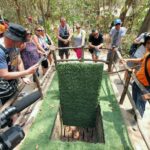
- The tunnel crawl: what you’re really signing up for
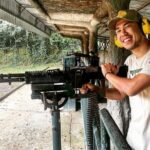
- Optional shooting range: AK-47 and M-60 come with extra costs
- Hoang Cam tapioca with the smoke-hiding stove
- Price and logistics: is $30 good value for what you get?
- Who this fits best (and who might skip)
- My booking advice: should you sign up?
- FAQ
- How long is the Cu Chi Tunnels tour from Saigon?
- Where does pickup and drop-off happen?
- What languages are available for the tour guide?
- What is included in the $30 per person price?
- Is going into the tunnels included?
- Can you shoot guns during the tour?
- How much are the bullet fees?
- What are the cancellation terms?
Key things I’d circle before you go
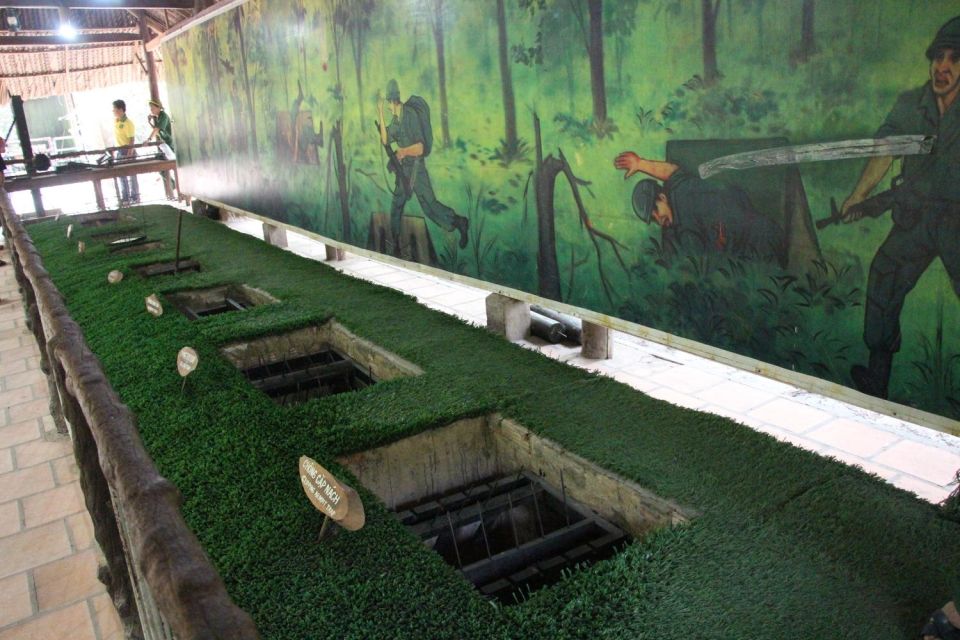
- Spider-web underground city setup: learn how rooms, hospitals, and work spaces connect beneath the surface
- Leaves, camouflage, and survival tricks: why guerrillas could hide in plain sight
- Documentary-style war footage: short clips and authentic visuals, not just a lecture
- Real tunnel crawling: a controlled way to feel how narrow life was underground
- Optional shooting range: you can try guns like AK-47 and M-60 (bullets cost extra)
- Hoang Cam stove tapioca: a war-time cooking method meant to hide smoke
From Saigon pickup to Cu Chi: how the day gets going
This is a straightforward, full-day-feeling trip without wasting time. You’ll start with pickup and drop-off at the center of Saigon, then head out for about 6 hours total. The schedule matters here because Cu Chi is all about momentum: you go from context to site to hands-on parts in one continuous flow.
A couple details help you feel prepared. First, you should treat this as a guided day, not a free-roam visit. The English-speaking tour guide (or another language if you choose from the listed options) is a big part of what makes the tunnels make sense instead of just looking like a maze.
Second, come ready for weather changes. One of the guide experiences tied to this tour includes handling heavy rain well, and that’s a good sign. If it’s wet when you arrive, expect the environment around the ground-level areas to be uncomfortable. You don’t need to “dress for comfort” in the spa sense; you need to dress for movement and closeness.
You can also read our reviews of more tours and experiences in Ho Chi Minh City.

Underground City 101: rooms, hospitals, and why it wasn’t just tunnels
Cu Chi isn’t one long tube. What makes this stop so compelling is the idea of an underground city, built as a network—spider-web style—linking places with different jobs. In this tour format, the guide usually frames what you’re looking at before you try the tight spaces.
Here’s what you’re trying to understand while you’re listening:
- How guerrillas moved without staying in the open
- How different areas served different needs (living, treatment, storage, and production)
- Why the tunnels were made to keep working even under pressure
This matters because if you just see “holes in the ground,” you miss the logic. The tour’s best moments come when you can connect the physical layout to human decisions—where people could hide, how they could regroup, and how they could keep functioning.
The tour also references key war-time realities: the resistance and fighting that guerrillas carried out from underground, and the way survival required engineering, not luck. Even if you only catch a few of these points, the site becomes easier to read.
Camouflage and survival tactics: leaves, traps, and the guerrilla mindset
One of the most memorable parts of this kind of visit is the shift from “tourist view” to “problem-solving view.” The guide spends time on how Vietnamese guerrillas used leaves to camouflage themselves and how the tunnels acted as a secret refuge when the surface became dangerous.
This isn’t trivia for trivia’s sake. When camouflage is explained alongside what you see, you start noticing patterns:
- Why hiding is everything
- Why movement had to be controlled
- Why the underground network needed safety planning, not just shortcuts
Another key theme is traps and scenario-based explanations. The best guides don’t just point out features; they explain what the feature was meant to do in real conditions. In past experiences, a guide named James is specifically called out for explaining traps and different war scenarios, and that style is exactly what you want here. If the guide you get explains the logic, the tunnels feel like a system. If they don’t, you may feel like you’re staring at random holes.
Documentary footage: real visuals that change how you interpret the site
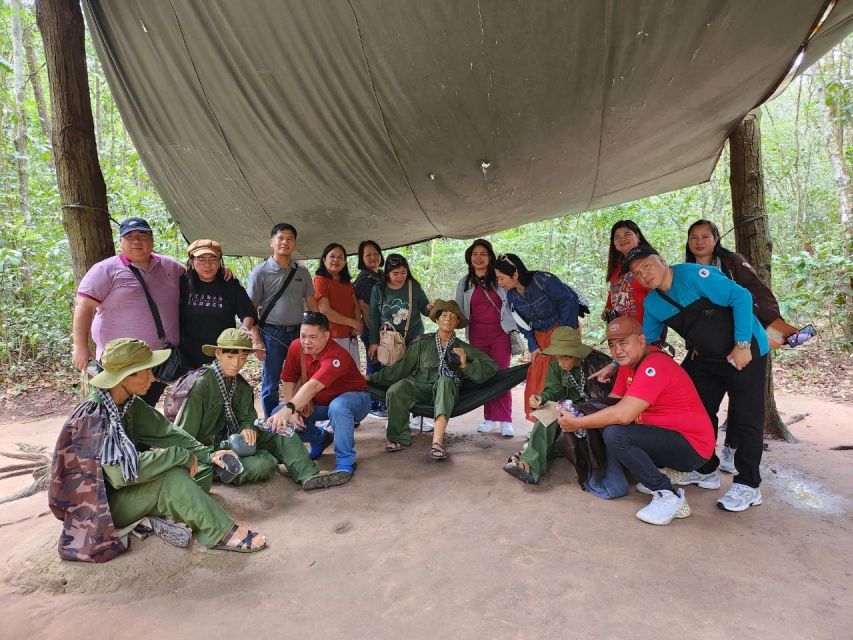
This tour includes the chance to watch short documentaries and authentic war footage captured by brave cameramen. That piece is a big value-add because Cu Chi is physical, but the war context is emotional and hard to fully grasp from the ground alone.
Think of the videos as translation. The tunnels show the structure. The footage helps explain the pressure. Together, you’re more likely to leave with a clearer mental picture of what these spaces were for and why they were so dangerous.
I like having this on the same day because it prevents a common problem: reading about the war later and forgetting what you saw. Here, the visuals arrive while the tunnels are still fresh in your mind, so the story sticks.
The tunnel crawl: what you’re really signing up for

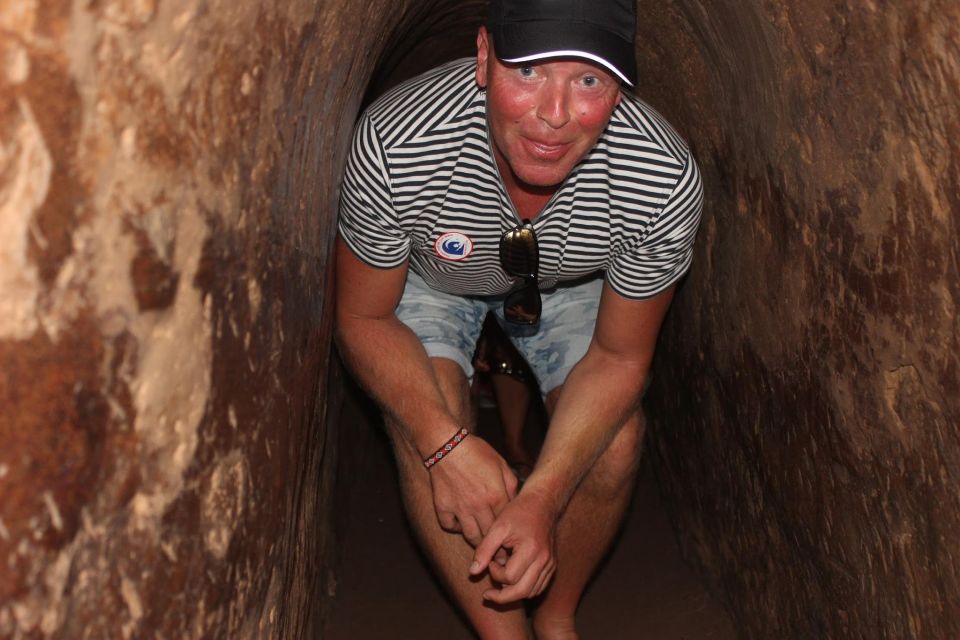
The highlight list calls out crawling through very narrow tunnels. That’s where the tour becomes unforgettable—and where you need to be honest with your body.
Even without adding extra details, you should assume these tunnels are:
- Tight, with a lot of bending or crouching
- Confined, with limited space and slow movement
- Not designed for anyone who expects easy breathing or easy posture
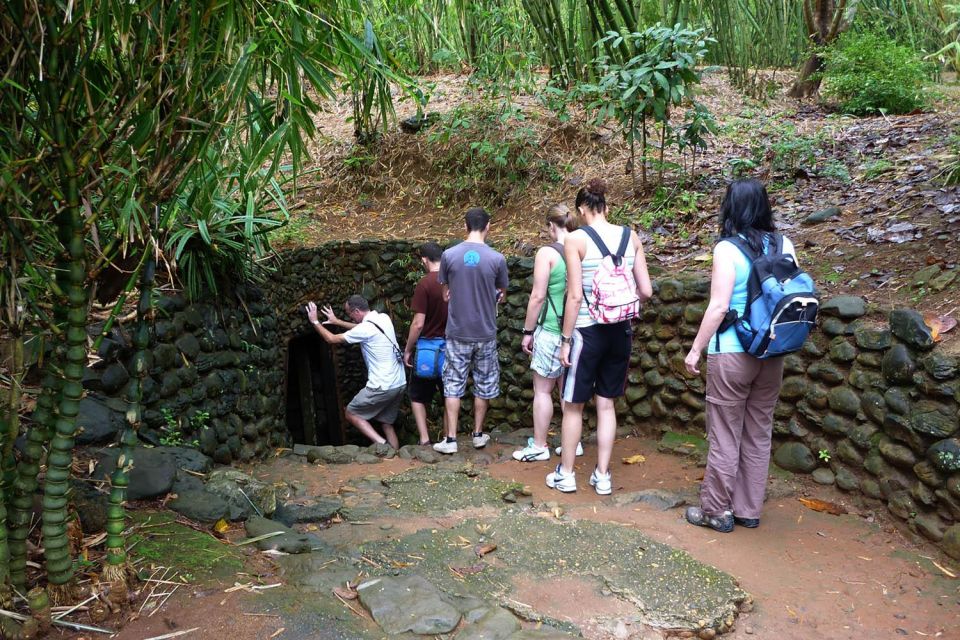
Some tours offer tunnel entry as a standard part. In this one, there’s an important financial note: there is a surcharge if you want to go down to the tunnels. That means your best move is to confirm what’s included in your ticket type and what’s an add-on. If you only do the surface parts, you might miss the most intense experience—so make sure you’re buying the version of the day you actually want.
Practical prep tips that won’t feel dramatic:
- Wear clothes that you don’t mind getting dusty or damp
- Choose closed-toe shoes with grip
- Keep your phone secure (and expect it might not be “tunnel-safe”)
- Go with a calm mindset: you’re not racing through; you’re moving carefully
If you’re claustrophobic, the tunnel crawl might be your breaking point. If you can handle tight spaces, this is the part that makes everything else click.

Optional shooting range: AK-47 and M-60 come with extra costs
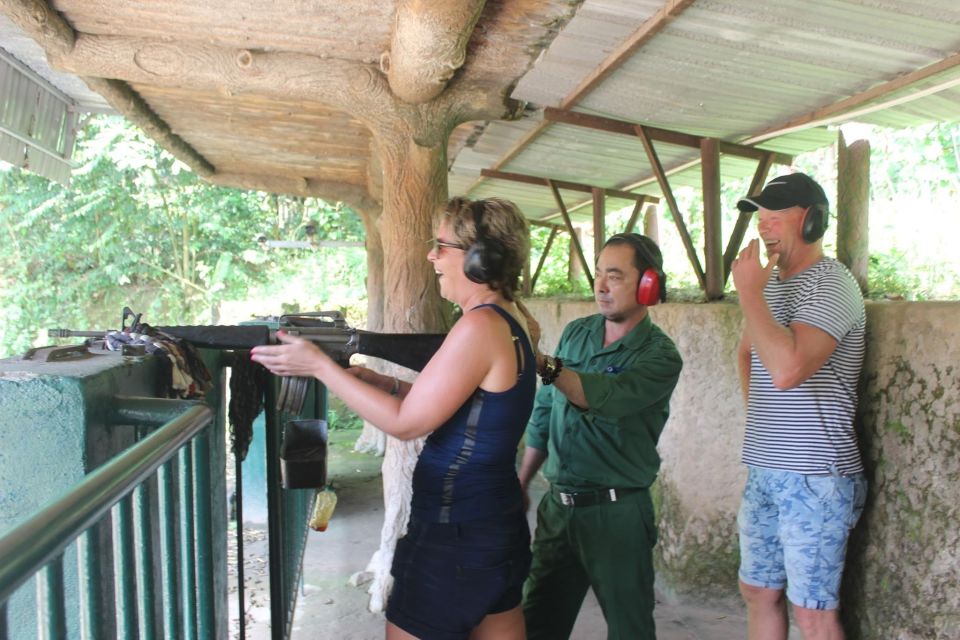
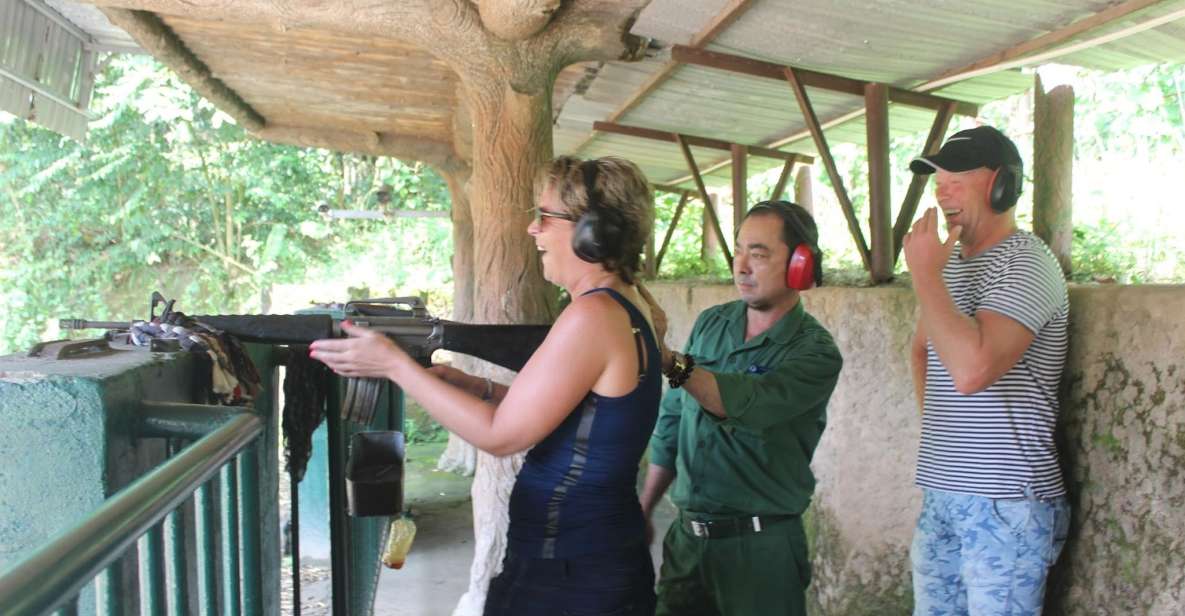
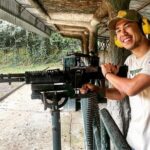
Yes, there’s an optional shooting element. The tour describes the ability to shoot with real bullets and real famous guns like AK-47 and M-60. That’s a huge draw for some people, and a reason to choose this exact format over a purely cultural or purely documentary day.
But you should understand the math. The bullet fee is not included. It’s listed as roughly 600,000 VND for a pack of 10 bullets. That cost can add up fast if you shoot more than once, so treat it as a “choose your budget” add-on.
Also think about tone. Cu Chi is a war site, and the shooting portion will feel more hands-on and intense than the rest of the day. Some people enjoy the realism; others find it jarring. If you’re unsure, it’s okay to skip the range part and focus on tunnels, stories, and documentary footage.
Hoang Cam tapioca with the smoke-hiding stove
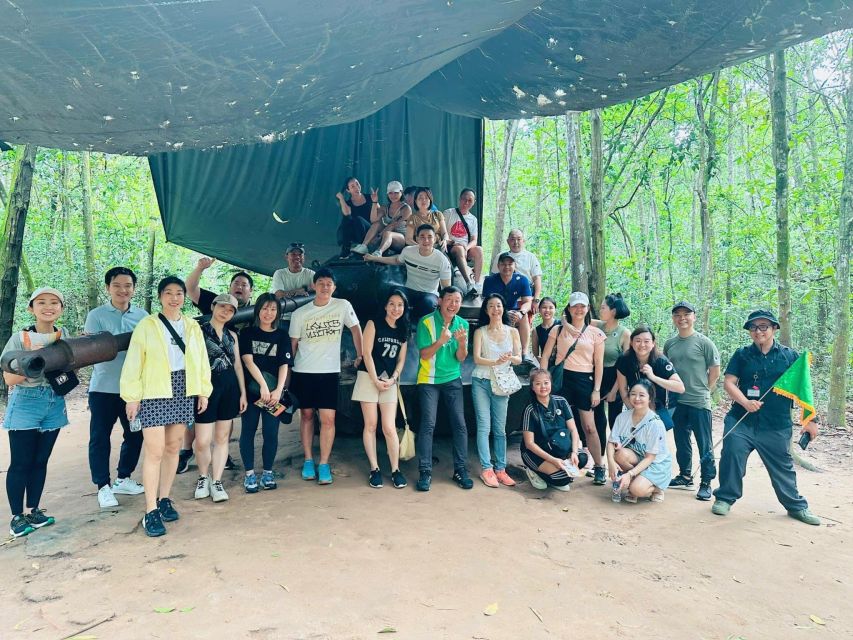
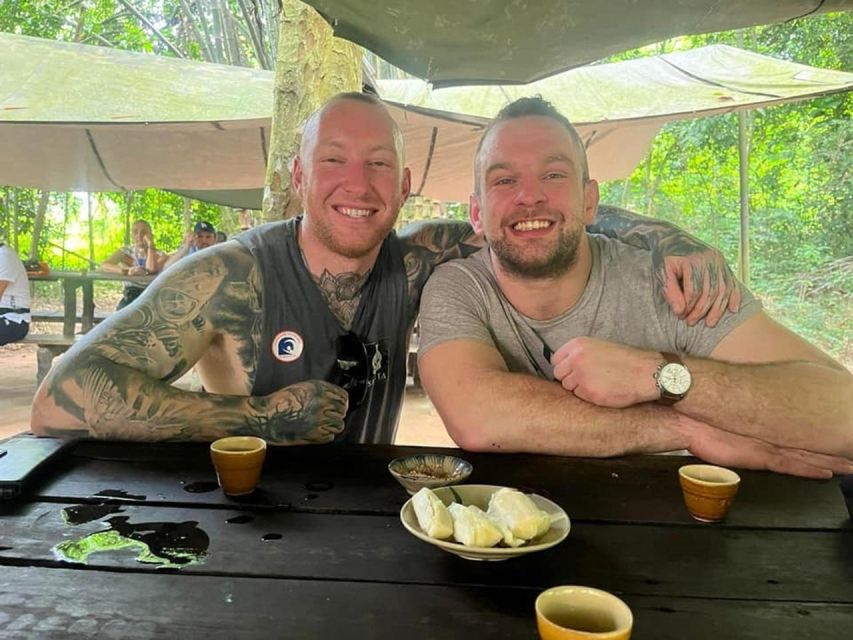
The tour includes a light snack at Cu Chi: tapioca and tea, cooked on a special stove called the Hoang Cam stove, which has the ability to hide smoke. That single detail is why this stop feels more meaningful than a random tourist break.
Food is one of the easiest ways to connect to everyday life during conflict. Here, the snack isn’t just a flavor stop; it’s tied to war-time practicality—how to cook without giving away location.
You’ll likely eat this as part of the middle of the day rhythm, after you’ve already seen enough to understand what the war demanded from people. It’s a nice reset that still feels connected to the theme.
If you’re picky about taste, tapioca is simple and quick. The tea helps, too. This isn’t meant to be a big meal; it’s meant to keep you going.
Price and logistics: is $30 good value for what you get?
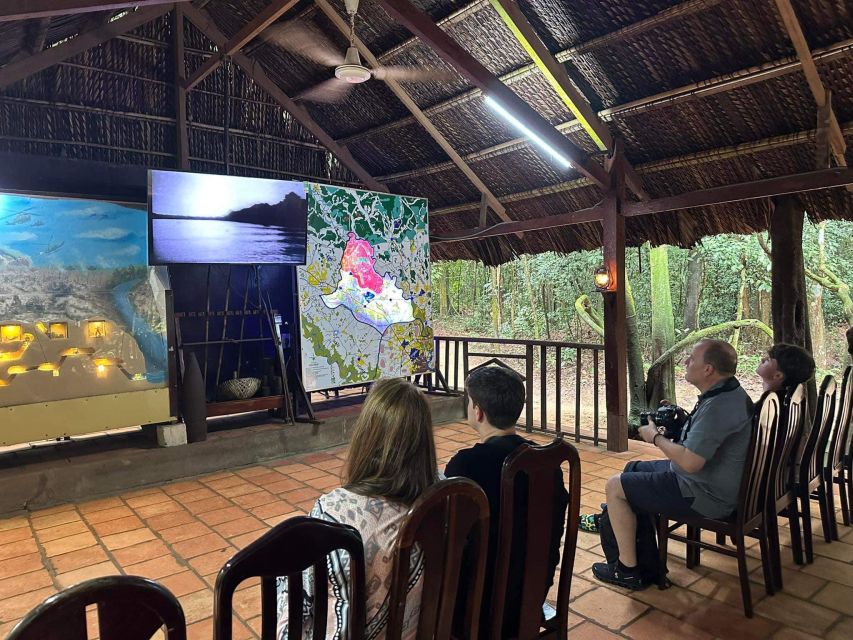
At $30 per person for a 6-hour day, this tour can be good value—especially because it includes the basics that cost time and money on your own. You get:
- Pickup and drop-off in central Saigon
- An English-speaking guide (with listed language options available)
- Bottled water
- A light snack with tapioca and tea
Where value gets complicated is the “optional intensity” parts:
- There’s a surcharge if you want to go down to the tunnels
- There’s a bullet fee at the shooting range, listed at about 600,000 VND for 10 bullets
- There may be a holiday surcharge in Vietnam
So the best way to judge value is to match your priorities:
- If you truly want the tunnel crawl and you plan to handle the extra fee, the base price plus add-ons can still feel reasonable for a guided, time-managed day.
- If you want only the documentary and surface history, you should double-check whether the tunnel crawl is included in your exact ticket.
One more logistical detail: the tour offers free cancellation up to 24 hours in advance and reserve now & pay later, which can reduce stress if your Saigon plans are still flexible.
Who this fits best (and who might skip)
This Cu Chi tour makes the most sense if you want more than photos. You’re here for the system—how the underground network worked, how camouflage supported survival, and how documentaries help you frame what you’re seeing.
It’s a strong match if you:
- Like history that’s explained with on-site context
- Want the intense option of crawling through narrow tunnels
- Enjoy guided storytelling that connects traps and scenarios to the physical layout
- Don’t mind an experience that’s physically active and close-up
You might want to think twice if you:
- Know you dislike tight, confined spaces
- Are very sensitive to mud, rain, or rough terrain
- Don’t want the added war-tone of a live shooting range (even if optional)
My booking advice: should you sign up?
I’d book this tour if you want Cu Chi to feel real—through the underground crawl, the documentary footage, and the guide’s scenario-style explanations. The extra cost items (tunnel surcharge and shooting bullets) aren’t surprises as long as you confirm them before you go. If you do want the crawl, treat that add-on as part of the experience you’re paying for.
If your main goal is comfort, or you strongly prefer not to deal with cramped spaces, you may prefer a less physical option and focus on surface viewing plus storytelling. For the right traveler, this day has a strong payoff: it turns a war site into an understandable, walk-through story.
FAQ
How long is the Cu Chi Tunnels tour from Saigon?
The duration is listed as 6 hours.
Where does pickup and drop-off happen?
Pickup and drop-off are included at the center of Saigon.
What languages are available for the tour guide?
English is available, and the tour lists Chinese, Finnish, Japanese, Italian, Spanish, Korean, Russian, and German as additional options (with a surcharge for other languages beyond English).
What is included in the $30 per person price?
Included items are pickup and drop-off at the center of Saigon, an English-speaking tour guide, bottled water, and a light snack with tapioca and tea at Cu Chi Tunnels.
Is going into the tunnels included?
There is a stated surcharge if you want to go down to the tunnels, so you should check what’s included with your specific ticket type.
Can you shoot guns during the tour?
Yes, the tour highlights the option to shoot with real bullets and real famous guns like AK-47 and M-60, but bullet fees are not included.
How much are the bullet fees?
The bullet fee is listed as roughly 600,000 VND for a pack of 10 bullets.
What are the cancellation terms?
Free cancellation is available up to 24 hours in advance for a full refund.