REVIEW · MY THO
Vietnam Mekong Delta: 2-Day Cai Rang & River Adventure HCM
Book on GetYourGuide →Operated by Enni tour · Bookable on GetYourGuide
The Mekong Delta runs on boats, shade, and slow village life. This 2-day Cai Rang and river adventure is a smart way to experience the highlights—especially Cai Rang floating market and the big spiritual stop at Vinh Trang Pagoda—without spending your whole trip in transit. I also like that you get more than one kind of river ride, from a larger motorboat to a smaller hand-rowed boat. One potential drawback: one boat segment may include karaoke, which can feel a bit loud if you’re hoping for quiet river time.
You’ll leave Ho Chi Minh City at 7:40 AM and return the next day at 5:30 PM, with an overnight in Can Tho. The pacing is built around daylight activities (markets, crafts, village walks), then a full second day focused on Cai Rang and Can Tho city sights. An English-speaking guide keeps things moving and explains what you’re seeing, which helps a lot in places where the details are all about daily routine, not tourist set pieces.
For value, this is one of those deals that makes sense if you want “see the Mekong” plus a proper hotel bed. Still, keep an eye on the extras: the tour lists boat ride as not included, and drinks aren’t included either—so your final spending may be a little higher once you add those.
In This Review
- Key points worth knowing before you go
- A 2-Day Mekong Shortcut From Ho Chi Minh City
- Day 1: My Tho River Views, Coconut Craft, and Unicorn Island
- Ben Tre Coconut Island: Why Candy-Making Is More Than a Demo
- Vinh Trang Pagoda: A Big, Calm Pause in the Middle of Water Life
- Can Tho Overnight: What You Gain From Staying Put
- Day 2: Cai Rang Floating Market From the Water
- Truc Lam Phuong Nam Zen Monastery and the Can Tho City Side
- Price and Value for $88: What You’re Actually Paying For
- Who This Tour Suits (and Who Might Feel Crowded by It)
- Should You Book the Cai Rang & River Adventure?
- FAQ
- How long is the tour, and what time does it start and end?
- Where do I meet or get picked up in Ho Chi Minh City?
- Which pagodas or monasteries are included?
- Is there an overnight stay?
- Are boat rides included in the tour price?
- What meals are included during the trip?
Key points worth knowing before you go
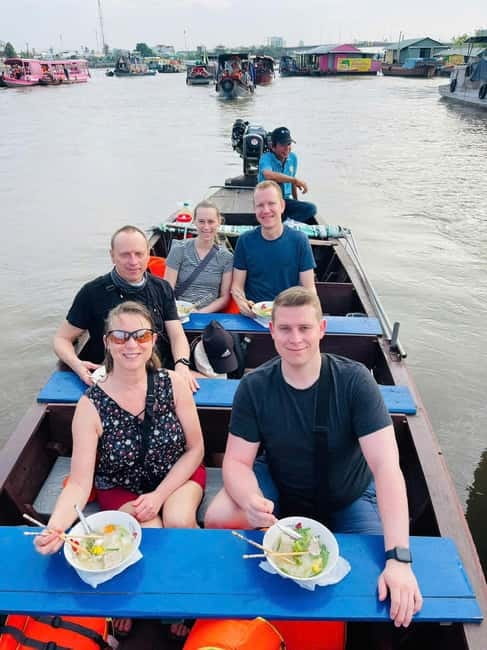
- Cai Rang floating market at the right time: you’re on the water for the biggest market scene in the Mekong Delta
- Two boat styles: a bigger motorboat view, plus a smaller hand-rowed ride through a coconut-lined creek
- Ben Tre coconut island lessons: candy-making and a village walk on Cồn Thới Sơn (Unicorn Island)
- Can Tho overnight base: you get a hotel stay so Day 2 doesn’t feel rushed from morning pickup
- Pagoda and monastery stops: Vinh Trang Pagoda and Truc Lam Phuong Nam Zen Monastery add a calmer side to the river chaos
A 2-Day Mekong Shortcut From Ho Chi Minh City
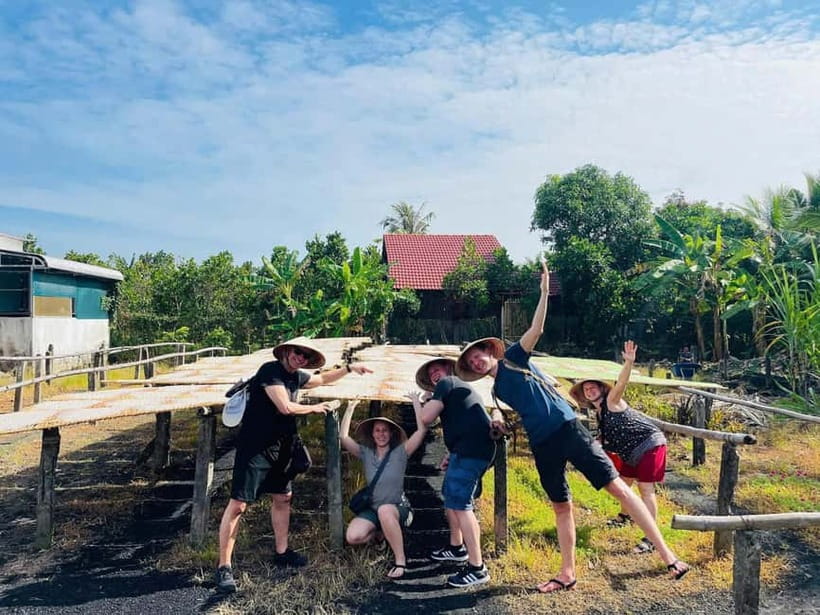
This tour is built for one goal: give you real Mekong Delta life in 48 hours, not just a single market stop. You start in Ho Chi Minh City with either hotel pickup or a meeting point at 243 De Tham St, District 1, then you’re pushed quickly into the river world.
What I like about the structure is that it mixes “watching” and “doing.” You’ll watch how people live and work along the river (fish cages, floating houses, fruit time), but you also get hands-on moments like coconut candy making and village walks. That blend helps you avoid the feeling of being carried from one photo spot to another.
The itinerary is also daylight-friendly. Cai Rang is best seen in the morning, so Day 2 is designed around being out on the water after breakfast. Day 1 stays focused on rivers and islands before you move inland to Can Tho.
One practical consideration: it’s a full schedule with multiple transfers (boat, ferry, bus). If you’re the type who likes to control your own pace, this can feel structured. If you like a plan that covers the essentials, it’s a good fit.
You can also read our reviews of more tours and experiences in My Tho.
Day 1: My Tho River Views, Coconut Craft, and Unicorn Island
Your first day starts with the Mekong itself. After leaving Ho Chi Minh City, you head to My Tho. Then comes the first major river segment: a motorboat trip along the Mekong, where you can spot fish cages and floating houses from the water.
This part matters because it changes how you imagine the Delta. From shore, the Mekong can look like scenery. From the boat, you see it as a working system—people live, farm, and trade right on the water.
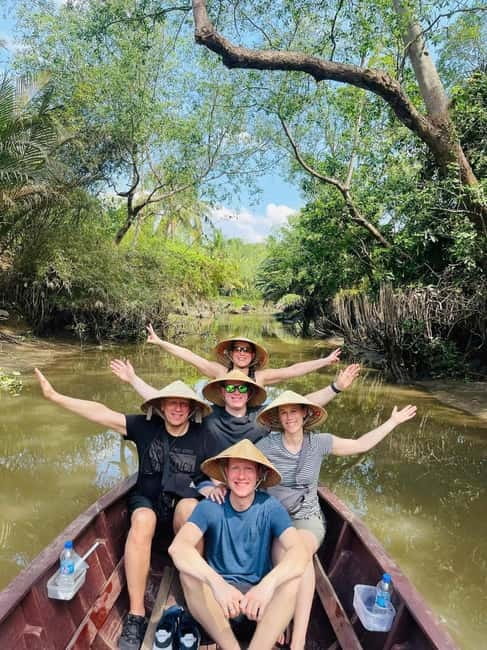
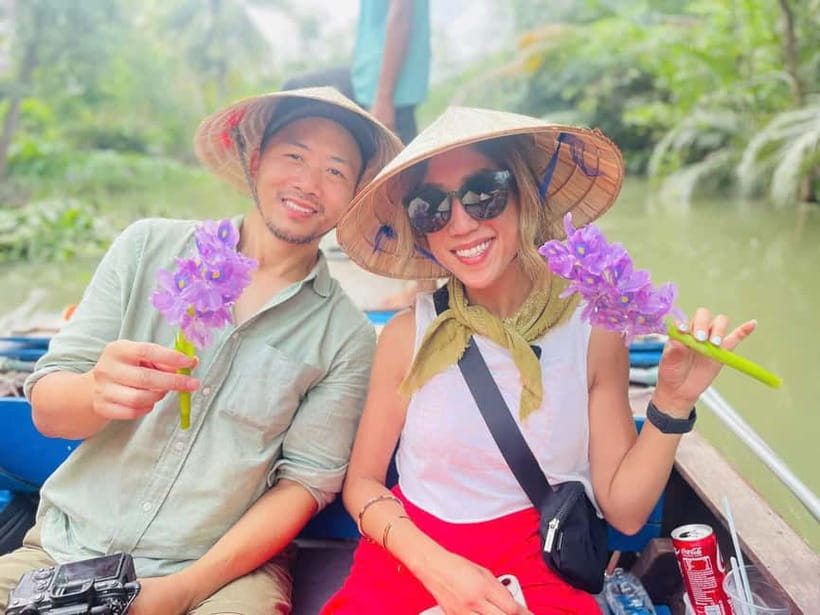
Next, you switch to a smaller experience: a hand-rowed boat through a creek with overhanging coconut trees. The change of boat size is the point. The motorboat gives you scale; the hand-rowed ride gives you closeness. You’ll move more gently and feel the shape of the waterways as the vegetation leans in.
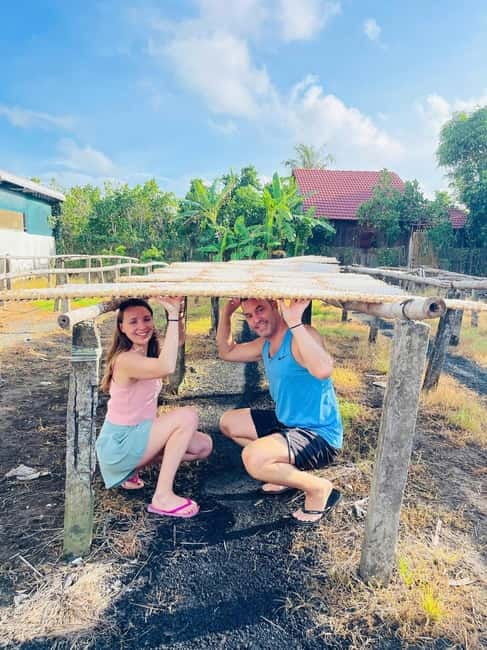
Then you land at a coconut island in Ben Tre. This is where the tour turns from “river sightseeing” into “daily life.” You’ll learn how coconut candies are made, sample the candies, and walk around the village. Even if you don’t buy anything (and you don’t have to), the craft explanation gives you context for why coconut products are everywhere in this region.
From there, you continue to Cồn Thới Sơn (Unicorn Island). You’ll take a motor car to a performance site where you can hear Vietnamese traditional music and taste seasonal tropical fruit. After that, you pass a bee-keeping farm and enjoy honey tea—another small but memorable example of how food and agriculture blend into island routines.
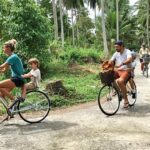
Lunch is served outdoors under the trees, which is exactly the kind of practical comfort you want after boat time. After lunch, you can relax, walk around, or go for a short bike ride around the island (when offered during the visit).
Finally, you travel onward to Can Tho by ferry and bus. You check into your hotel and get free time to explore the city at your own pace.
Ben Tre Coconut Island: Why Candy-Making Is More Than a Demo
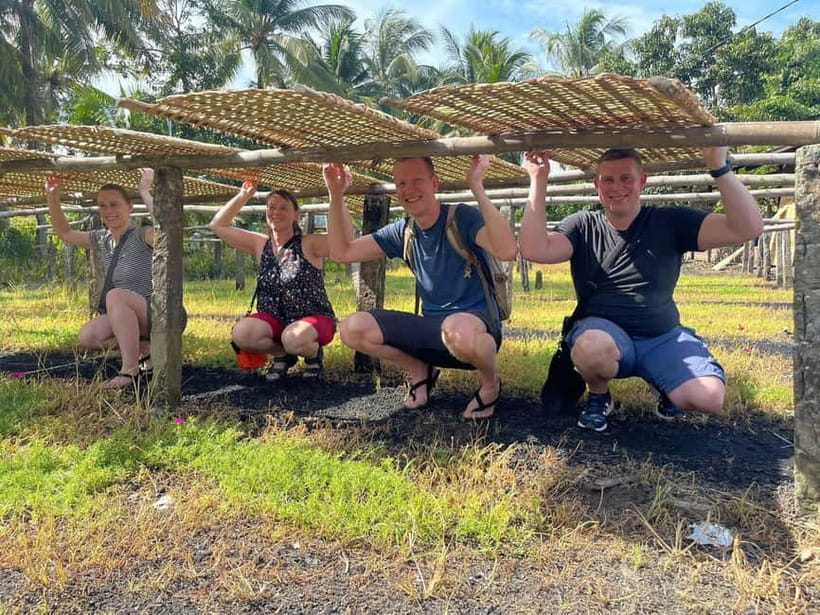
The coconut candy lesson in Ben Tre is one of those activities that can go either way on tours—either it feels like a forced sales pitch, or it feels like a real look at how people work.
Here’s what makes it worthwhile: you’re not just watching someone perform. You learn the basic process, you taste the results, and you get to walk through the village environment afterward. That sequence helps your brain connect the food to the place, instead of treating it like a random souvenir stop.
If you’re food-minded, this is where the Mekong Delta really comes alive. Coconut isn’t just an ingredient. It’s an economy. It’s a local craft that supports jobs and daily life, and the candy is an easy way to taste the region’s flavor without needing a long cooking class.
Two tips for you:
- Come with a neutral attitude if you’re not a sweets person. Sampling is part of the experience, but you’re not required to eat your way through a sugar marathon.
- If you prefer quieter travel, use the village walk as your off-switch. This is slower than the boat segments, and it’s a good time to cool down and reset.
Vinh Trang Pagoda: A Big, Calm Pause in the Middle of Water Life
One of the standout cultural highlights on this tour is Vinh Trang Pagoda, described as the biggest pagoda in the Mekong Delta. Even without getting overly formal, it’s the kind of place that changes your tempo.
On a trip loaded with rivers and markets, a pagoda stop gives you space to slow down. You’re not doing anything extreme—just seeing how a major religious site fits into everyday regional life. It also creates a nice contrast after the busy visuals of fish cages, fruit tasting, and island activity.
Practical note: pagodas are active places, so dress matters. Aim for modest clothing that covers shoulders and knees, and keep your phone use respectful while people are praying or moving through prayer spaces.
If you’re even slightly curious about how Southern Vietnam’s spiritual life connects to landscapes like this, this is a valuable stop—and one that makes the trip feel more like a journey through the Delta, not only through its markets.
Can Tho Overnight: What You Gain From Staying Put
A lot of Mekong Delta tours try to cram everything into one long day. This one does something smarter: it includes an overnight in Can Tho.
That matters for two reasons. First, it reduces the “rush” pressure on Day 2. You start the next morning with breakfast and head toward Cai Rang when conditions are best. Second, it gives you a real base to breathe between river scenes and city stops.
After checking in, you’ll have free time to explore Can Tho. That could mean wandering at your own pace, grabbing a drink (not included on the tour list), or simply using the time to recover from the long day.
If you’re traveling with camera gear, this is also the moment to plan. Can Tho is where you’ll do more shore-based market time and then monastery and local village-style activities. Having a night in between helps you avoid arriving on Day 2 already tired.
Day 2: Cai Rang Floating Market From the Water
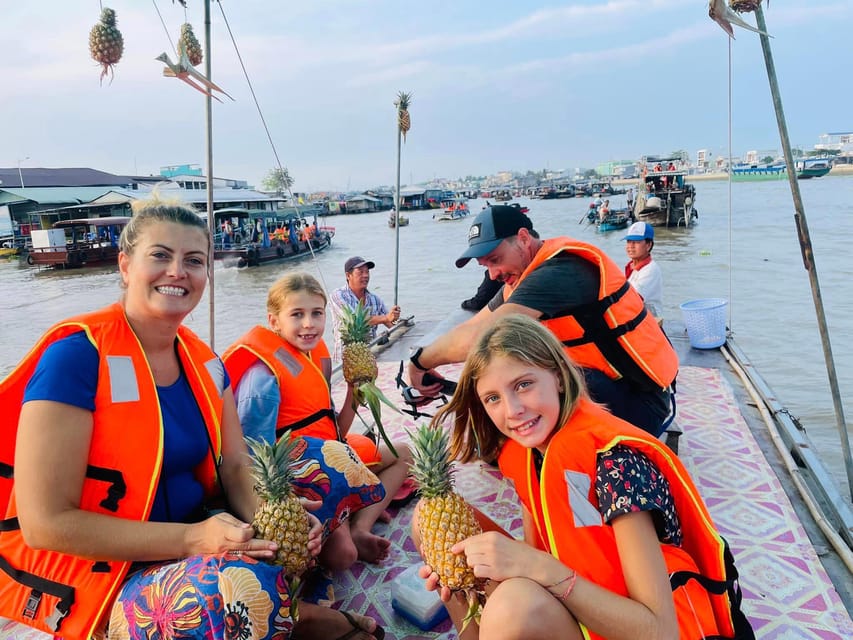
Day 2 is the payoff. After breakfast, you take a motorboat ride to the Cai Rang Floating Market, described as the biggest and most colorful floating market in the Mekong Delta.
What makes Cai Rang special is the scale and the choreography. You’ll see lots of boats, goods being handled, and people working through the market flow like it’s normal life (because it is). From the water, the floating market becomes more than a spectacle. You start to understand how trade happens when roads are waterways.
After the market, the tour shifts from “big market action” to smaller, local details. You’ll roam through the village and see a rice noodles making shop. This is a quiet but useful contrast: while Cai Rang is the visible trading stage, the noodles show the production side of daily food life.
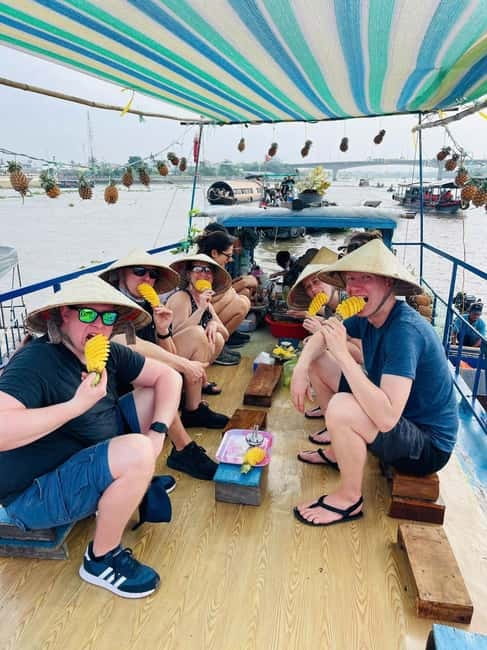
Then you get back on the boat and eat pineapple. Yes, it’s simple. That’s the point. It’s a taste connected to the region, eaten where it belongs—in the rhythm of the river day.
Next comes a traditional market on the shore in Can Tho’s city center. So you get both systems: floating trade and land-based buying and selling.
Two practical considerations for you:
- Bring sun protection. The market is outdoors and boats mean lots of reflected light off water.
- If you’re picky about noise, be aware of possible entertainment during boat time. One of the key tour experiences reported was karaoke on the boat. If you want quiet, I’d prepare mentally and bring earplugs.
Truc Lam Phuong Nam Zen Monastery and the Can Tho City Side
After the shore market, the schedule turns reflective again with a visit to Truc Lam Phuong Nam Zen Monastery.
This stop is valuable because it keeps the trip balanced. Markets and island scenes can blur together after 24 hours. A monastery visit gives your eyes a calmer visual target and gives you a better sense of how Can Tho fits into the broader spiritual landscape of Southern Vietnam.
Lunch is served at My Khanh restaurant. After lunch, you walk in a tourist village area to explore interesting games of local people. It’s not “museum calm.” It’s more about seeing playful, community-style activities and how daily fun can look in a tourist-facing setup.
Finally, you wrap up and return to Ho Chi Minh City, arriving at 5:30 PM.
Price and Value for $88: What You’re Actually Paying For
The price here is $88 per person for 2 days. That can look low compared to Western tour pricing, but the real question is what you’re getting.
From the inclusions, you get:
- transportation and an English-speaking tour guide
- transfers
- entrance fees
- lunch meals
- tropical fruit
- a bottled water
- hotel for the overnight in Can Tho
What this means for you: your major costs (getting around, guide time, key entry fees, and sleeping) are covered. You’re not juggling separate tickets for the core sights. And that’s often where budget tours can disappoint. Here, the value is mostly in not making you build the itinerary yourself.
Where you should budget extra:
- drinks (not included)
- boat ride (listed as not included in the tour details you provided)
- a holiday surcharge if it applies
- a single-room surcharge if you’re traveling alone
So I’d treat $88 as your baseline, then plan a bit more for drinks and any boat fees that show up at checkout or as separate charges.
Also, you’re starting early and ending late, which means your time is part of the value. If you don’t want to negotiate buses, boats, and meeting points on your own, a guided plan like this can be cheaper than you’d think once you add up transport and confusion time.
Who This Tour Suits (and Who Might Feel Crowded by It)
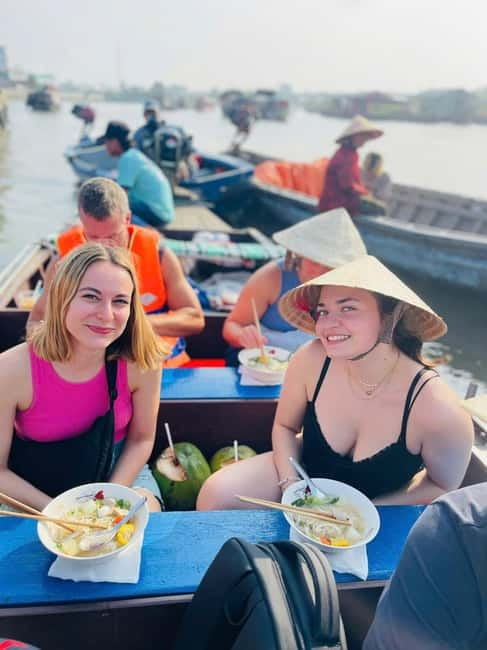
This is a great match if you:
- want a clear two-day Mekong Delta highlights plan
- like a mix of river riding, village craft time, and market scenes
- appreciate seeing both floating trade and land-based markets
- want pagoda stops for balance, not only water activities
It might feel less ideal if you:
- really want quiet, private pacing (boat time can include group energy, including karaoke)
- dislike structured days with lots of transfers
- don’t want any extra charges, since boat ride and drinks aren’t listed as included
If you’re traveling with kids, you’ll likely enjoy the “boat to island to market” variety. Just remember it’s long and involves heat and early mornings, so pack patience.
Should You Book the Cai Rang & River Adventure?
If your goal is a classic Mekong Delta experience—Cai Rang Floating Market, Ben Tre coconut island life, and major culture stops—this tour is a solid choice. You get the important visuals, plus the kinds of small “in-between” moments that make the Delta feel real: fish cages from the river, honey tea, coconut candy sampling, pineapple eaten right on the boat, and a monastery pause before you head back.
I’d book it if you’re comfortable with a packed schedule and you want a guide to handle the logistics in English. I’d think twice if you hate noisy boat entertainment and plan to seek silence; in that case, bring earplugs and set expectations for the day.
FAQ
How long is the tour, and what time does it start and end?
It’s a 2-day tour. Departure from Ho Chi Minh City is at 7:40 AM, and you return at 5:30 PM the next day.
Where do I meet or get picked up in Ho Chi Minh City?
You can be picked up from your hotel or meet at 243 De Tham St, District 1.
Which pagodas or monasteries are included?
The tour includes a visit to Vinh Trang Pagoda and Truc Lam Phuong Nam Zen Monastery.
Is there an overnight stay?
Yes. The tour includes hotel accommodation, and you stay overnight in Can Tho.
Are boat rides included in the tour price?
Boat ride is listed as not included. The day includes multiple boat segments, so it’s worth checking what portion is covered versus what may be added.
What meals are included during the trip?
Lunch is included, and Day 2 includes breakfast as part of the morning before Cai Rang.